By Francis Mbewe | Project Leader
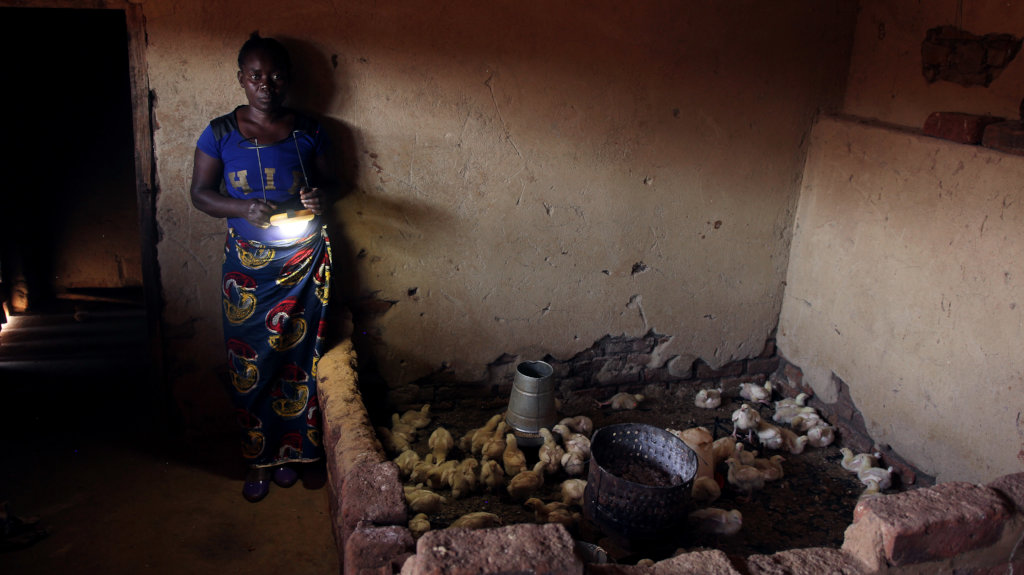
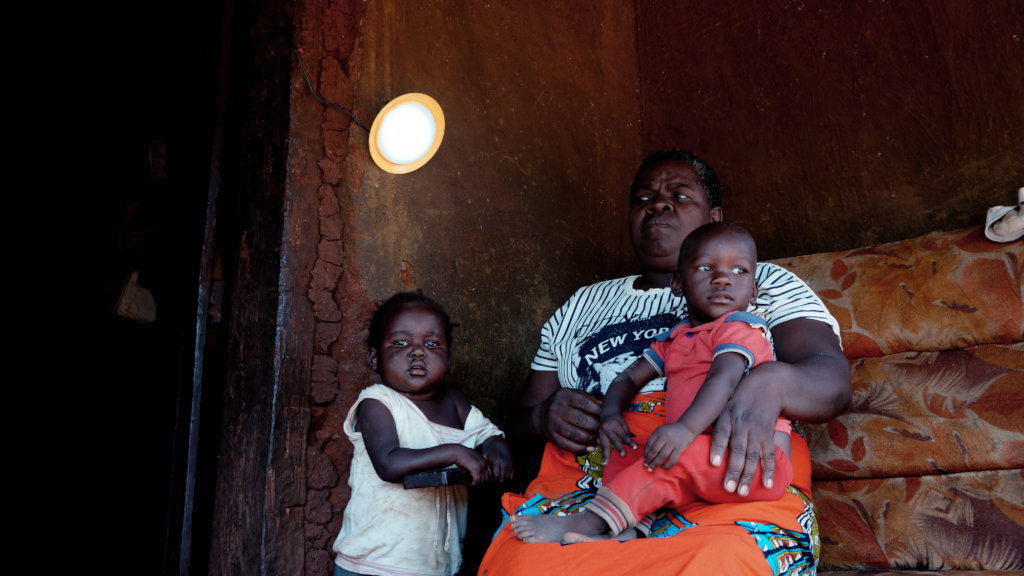
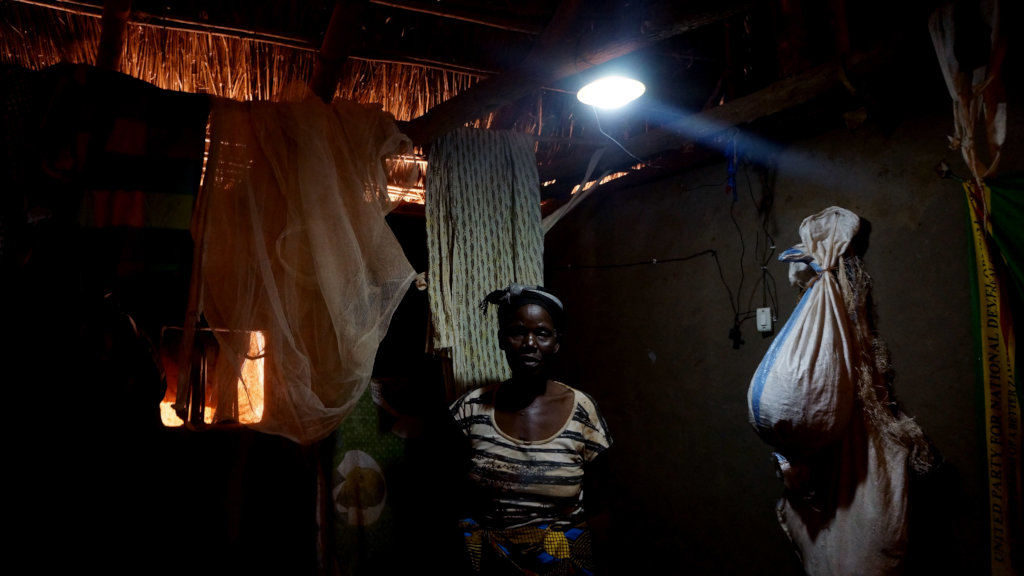
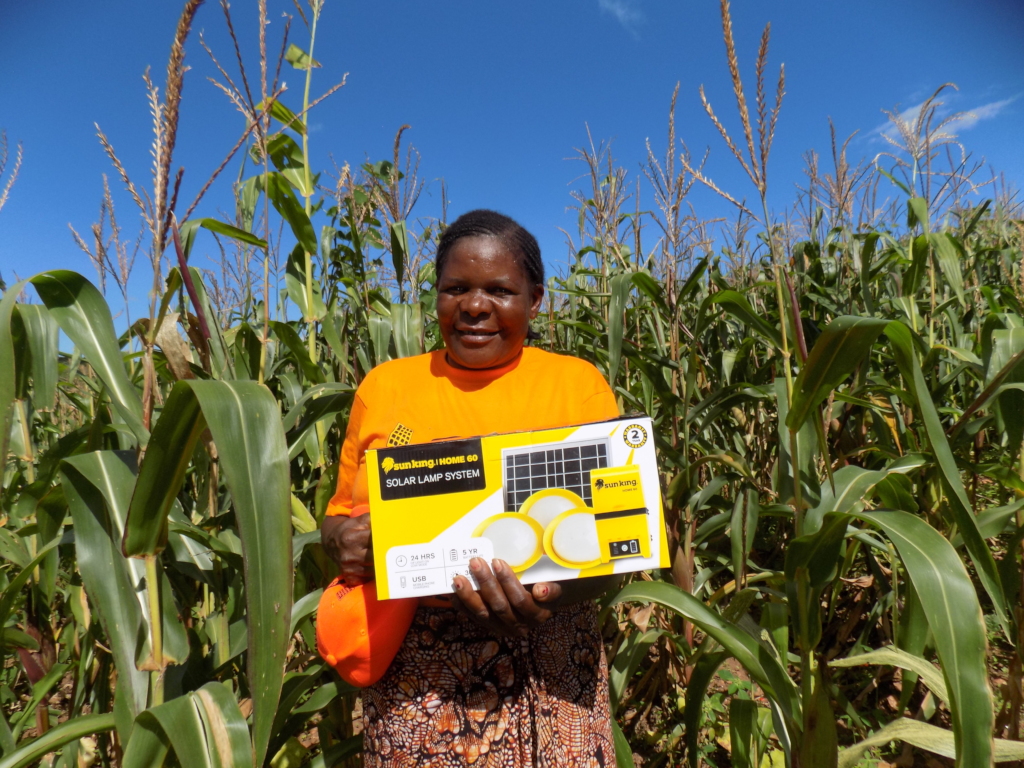
Esther lives in Mphamba village, Lumezi District, where more than 600 households have no electricity and rely on kerosene lamps for light. Each evening she lit a tin lamp that cost her family about K80, filled the kitchen with smoke, and gave too little light for her two children to read. The fumes left her daughters coughing, and she worried about the health risks kerosene poses for women and girls, and for unborn babies.
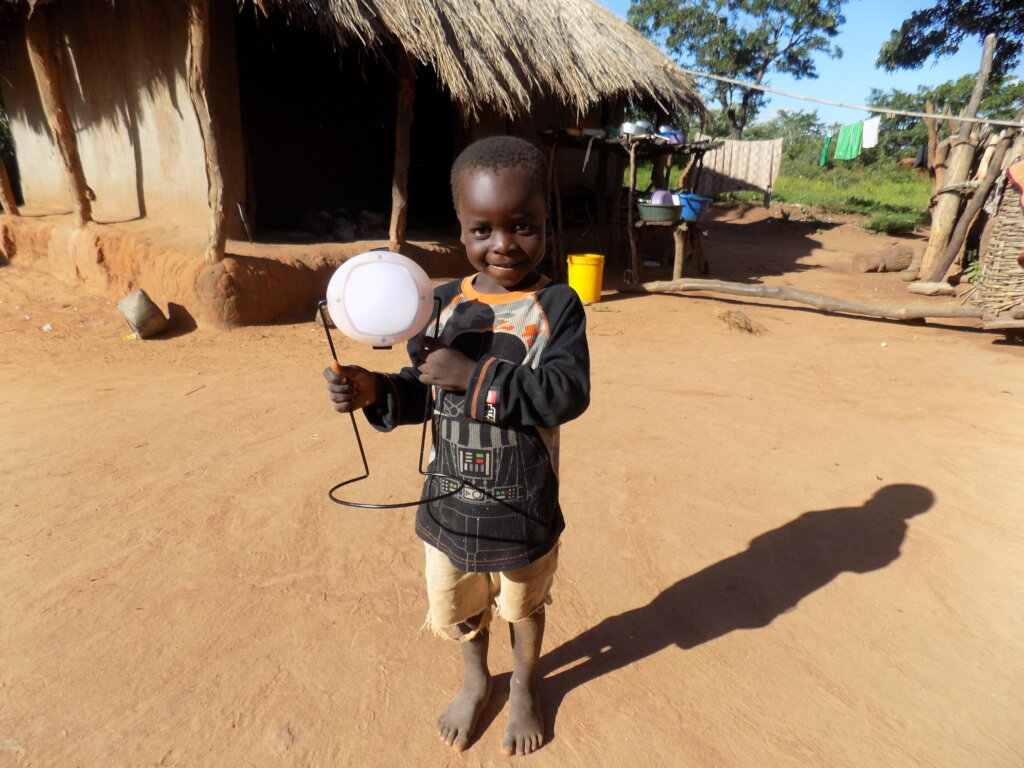
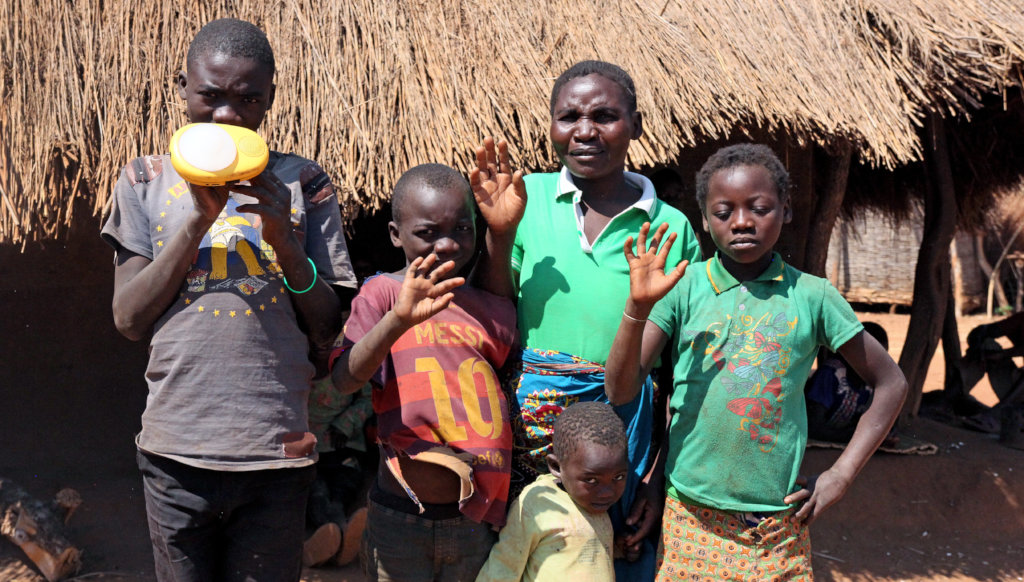
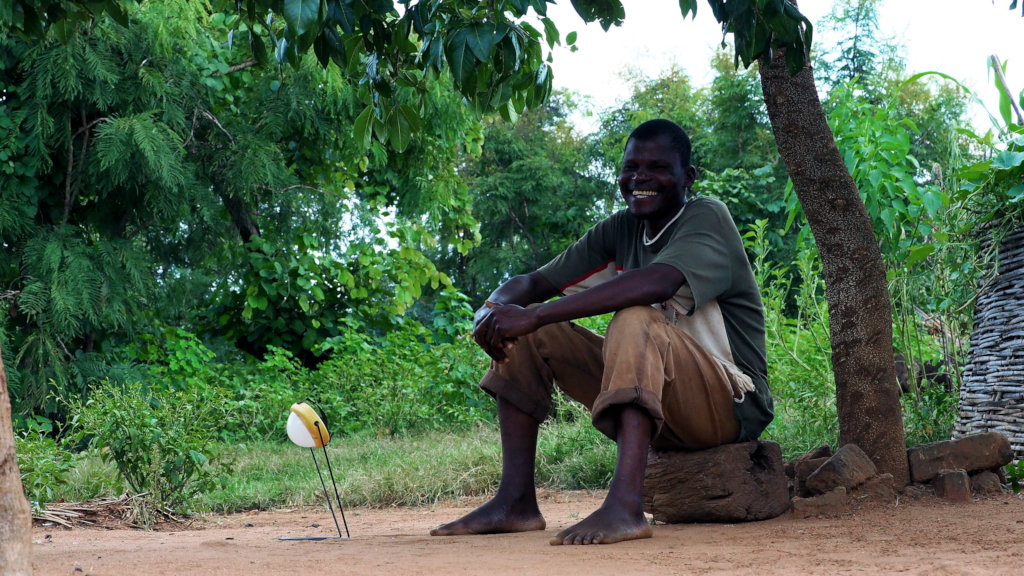
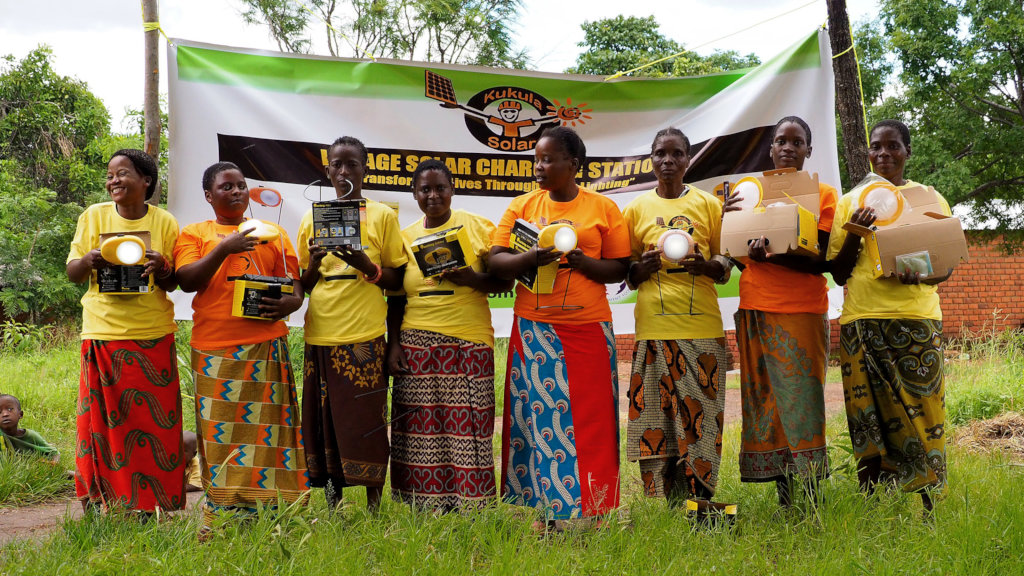
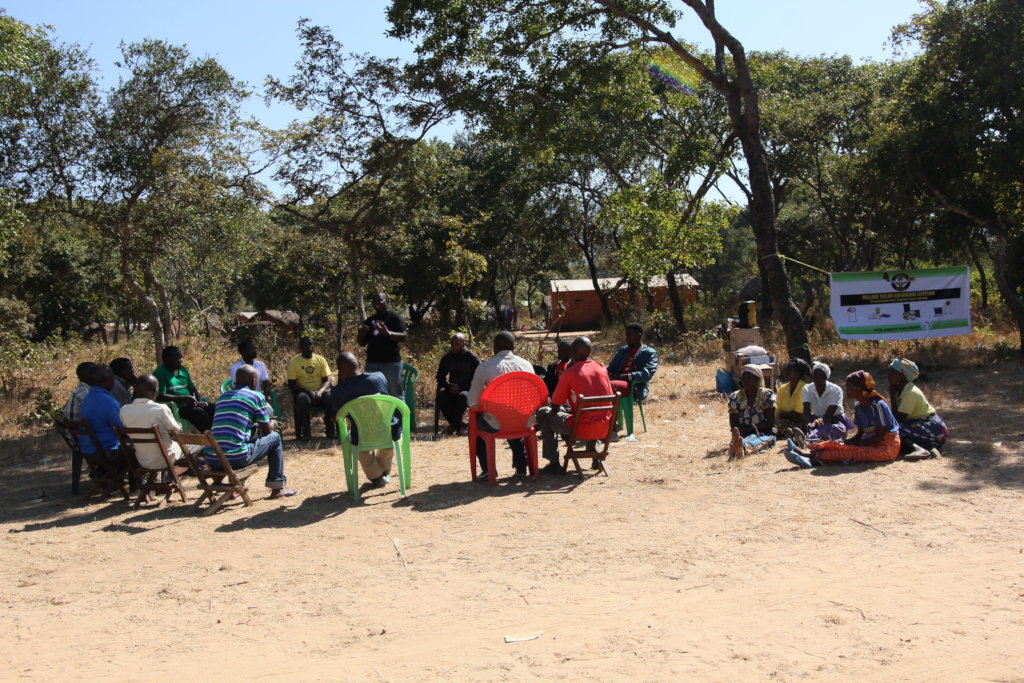
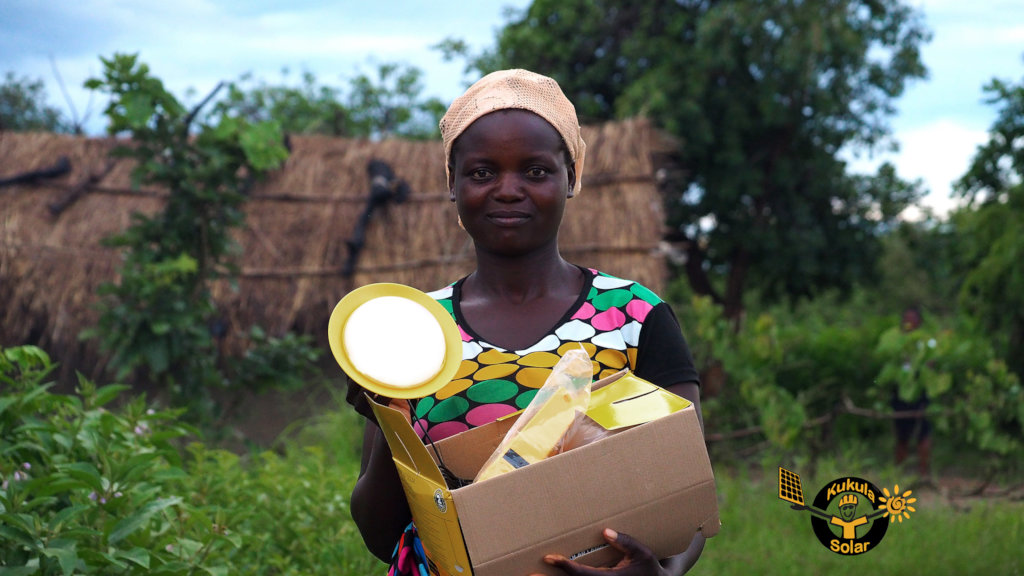
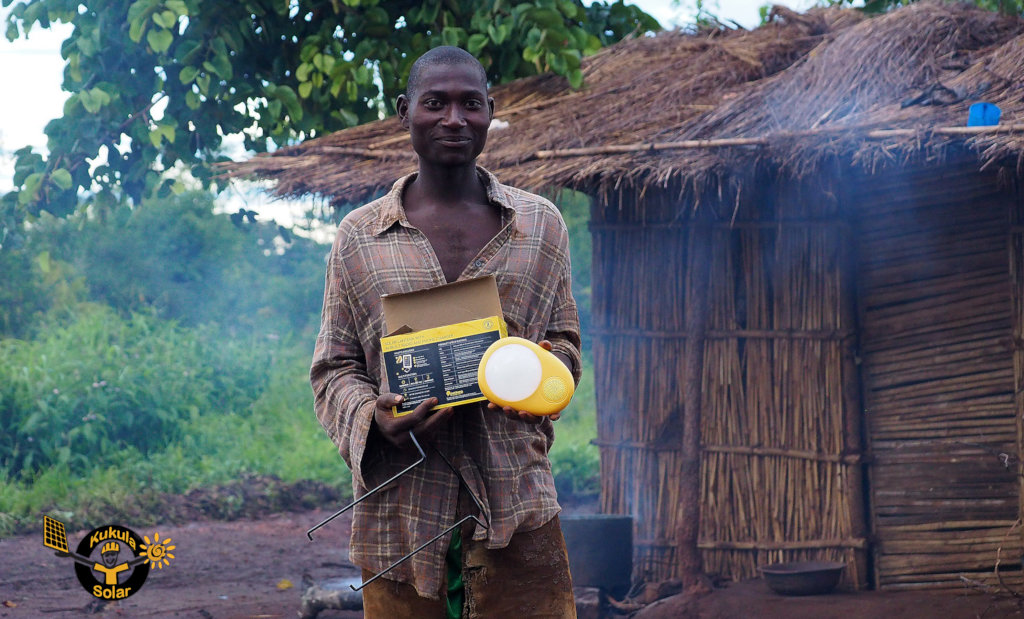
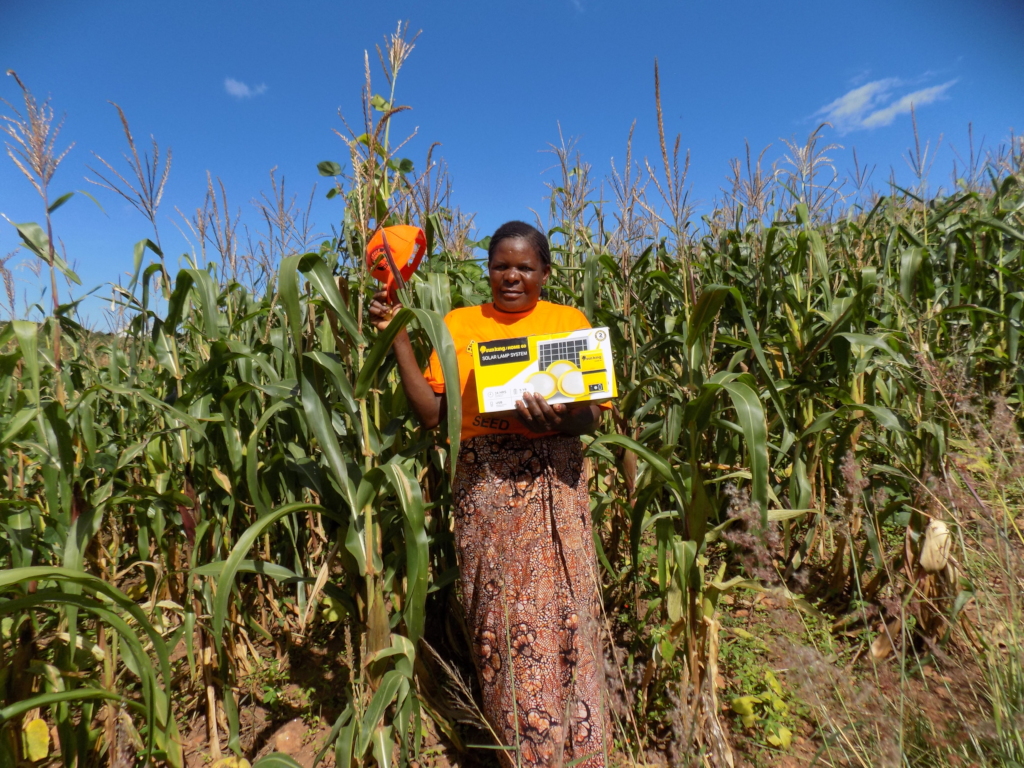
In 2024 Kukula Solar distributed solar lamps through community charging stations in Mphamba, Tigone and Kanyanga. Esther's household received one lamp, part of a plan to place 6,000 lamps with 6,000 families living on less than $2 a day.
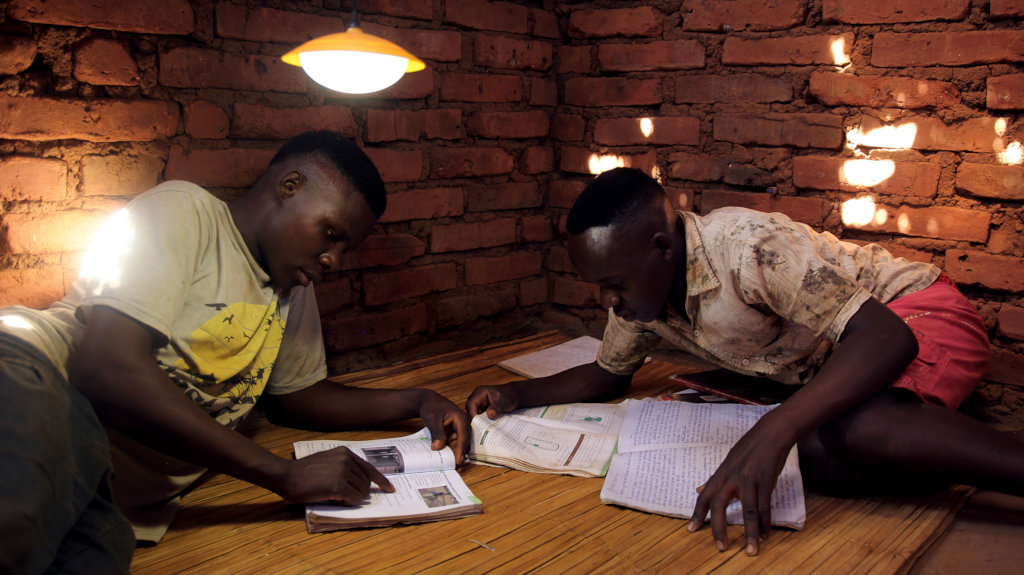
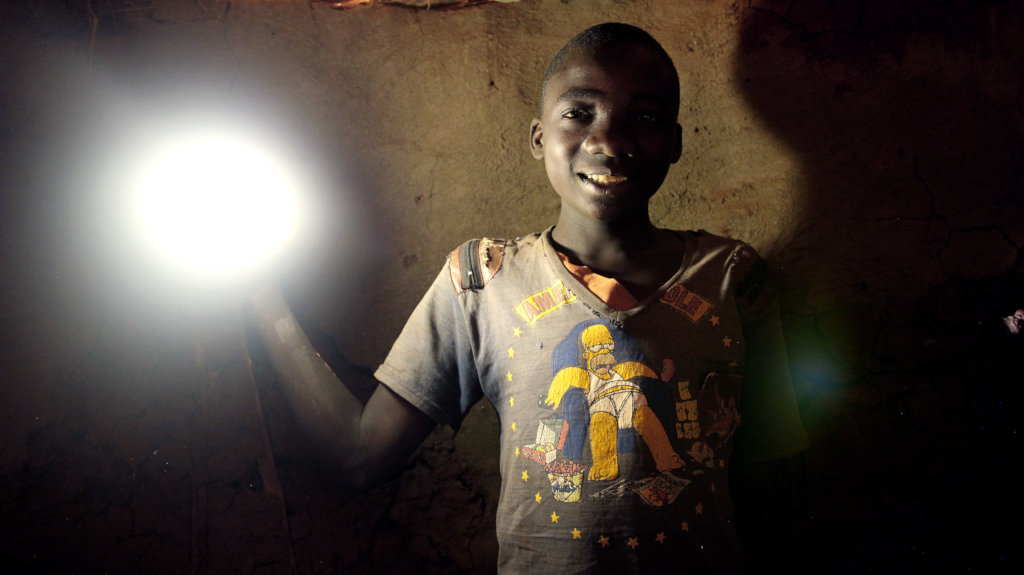
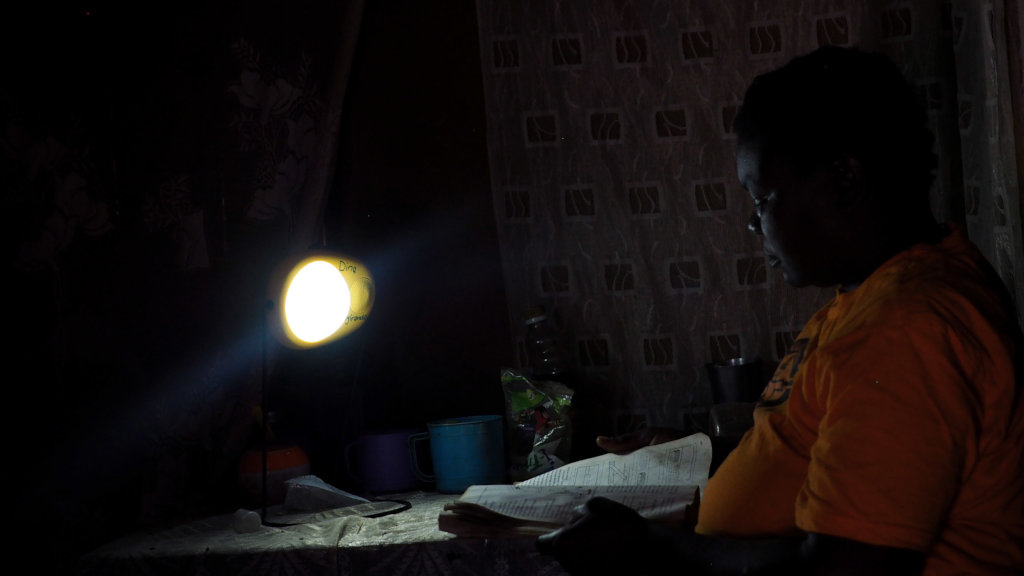
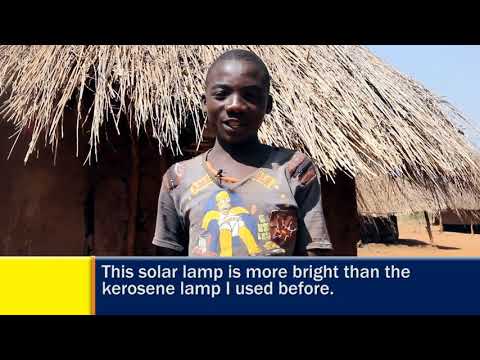
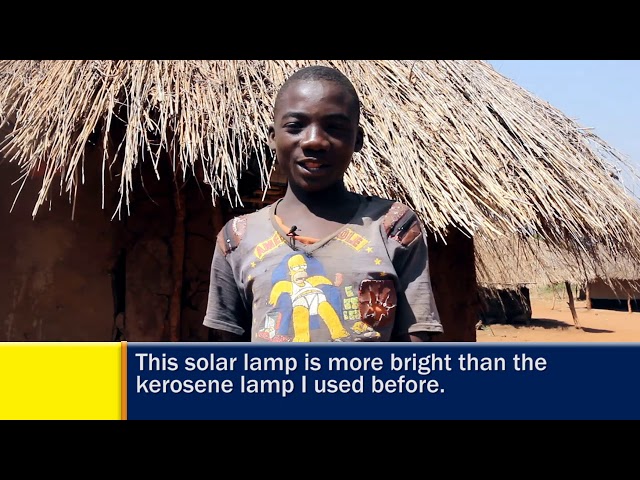
Now the lamp hangs from the roof beam at dusk. Her children study for two extra hours under clean light, and their teacher says their reading has improved. Esther no longer buys kerosene, saving about K2,400 each month that now goes to maize meal and school fees. Across the three villages, those individual savings add up to as much as $1 million a year, while displacing kerosene avoids more than 10,000 tonnes of CO2 annually.
For Esther the biggest change is simple: night no longer ends learning. Her daughters can do homework, she can cook without smoke, and the light she once paid for daily now comes free from the sun.
Project reports on GlobalGiving are posted directly to globalgiving.org by Project Leaders as they are completed, generally every 3-4 months. To protect the integrity of these documents, GlobalGiving does not alter them; therefore you may find some language or formatting issues.
If you donate to this project or have donated to this project, you can receive an email when this project posts a report. You can also subscribe for reports without donating.



Support this important cause by creating a personalized fundraising page.
Start a Fundraiser