By Akanksha Singh | Programme Officer
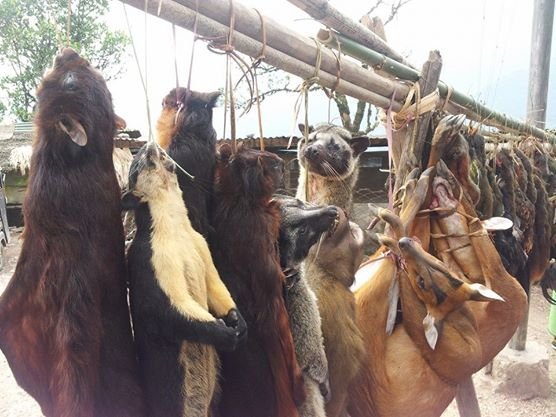
The rapid expansion of internet access, social media platforms, e-commerce marketplaces, and digital communication tools has significantly changed the way illegal wildlife trade operates. Sellers can advertise wildlife and wildlife products to large audiences, connect directly with buyers, shift between platforms, and use coded language or private channels to avoid detection. In response, the South Asia regional hub undertakes focused cyber monitoring and analysis to identify, assess, and track illegal wildlife trade activity across online spaces in the region, including social media platforms, websites, e-commerce portals, and other digital channels.
The WTI cyber-IWT team analyses emerging trends, species in trade, trafficking methods, priority geographies, and potential criminal linkages to support evidence-based responses. It also contributes to enforcement by sharing actionable leads with relevant agencies, supporting investigations, seizures, rescues, and wider disruption efforts, including reporting illegal wildlife sale content for removal from online platforms. By combining cyber monitoring, regional coordination, and practical support, the team aims to convert data into disruption and strengthen responses to wildlife trafficking across the region.
Project reports on GlobalGiving are posted directly to globalgiving.org by Project Leaders as they are completed, generally every 3-4 months. To protect the integrity of these documents, GlobalGiving does not alter them; therefore you may find some language or formatting issues.
If you donate to this project or have donated to this project, you can receive an email when this project posts a report. You can also subscribe for reports without donating.



Support this important cause by creating a personalized fundraising page.
Start a Fundraiser