By Praveen Kumar | Program Manager
When “Sunita” (name changed) first came to our community center three months ago, she was skipping meals so her children could eat. A survivor of sex trafficking, Sunita lives with her three children in a single rented room in a red-light area. With the local economy still depressed, she had no steady income, mounting rent arrears, and two children frequently ill from hunger and poor ventilation. Her immediate fear was eviction; her deeper fear was that her children would never return to school.
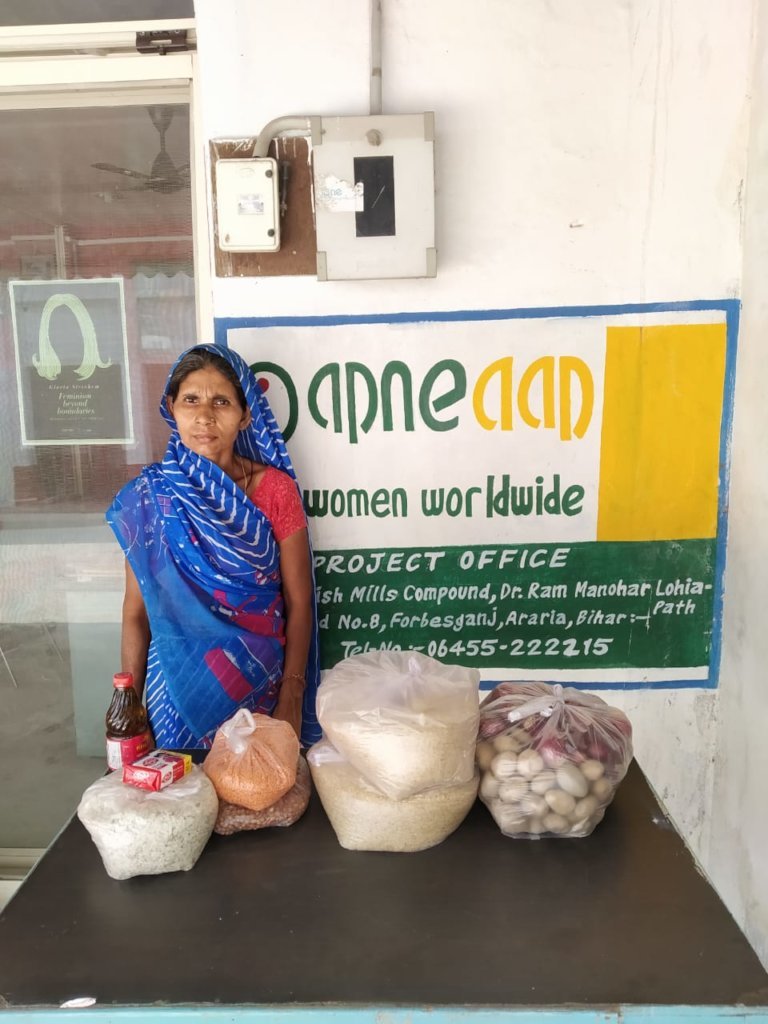
During this reporting period, Sunita’s family received monthly food rations, essential medicines, and support accessing vaccination and public health services. Our team helped her enroll her children in a neighborhood bridge-learning program and connected her to a women’s self-help group for part-time work. By the end of the three months, Sunita no longer required emergency food aid. Her children were eating regularly, attending learning sessions, and her rent arrears were cleared through stabilized income and referrals. For the first time in years, Sunita described feeling “out of danger.”
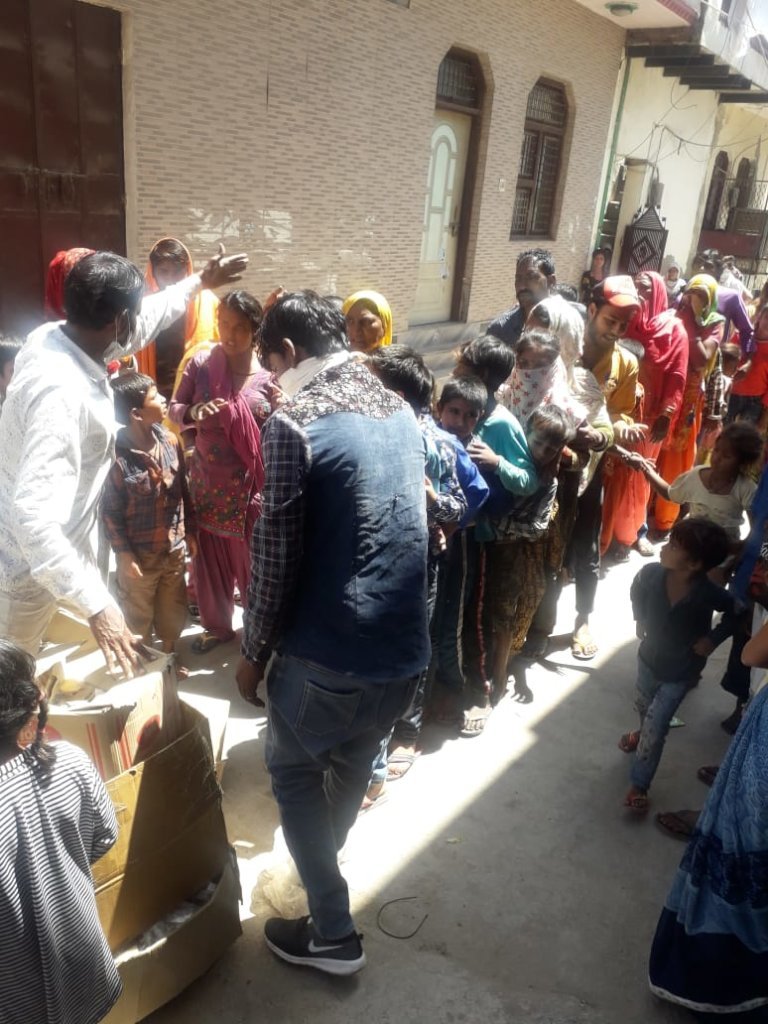
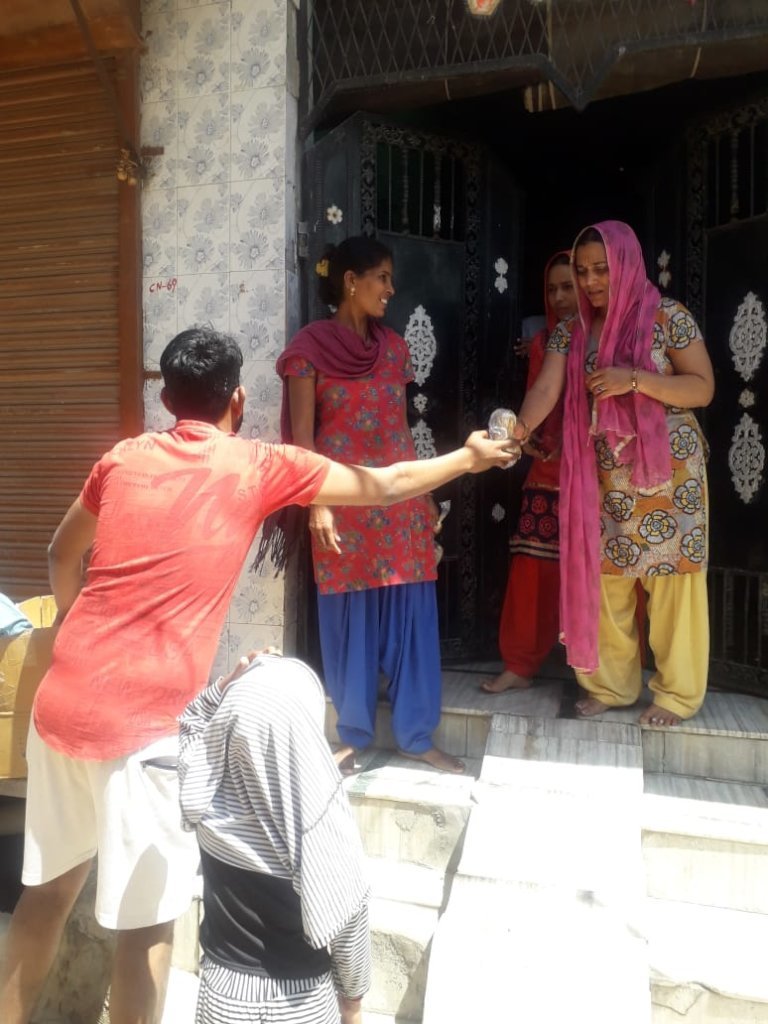
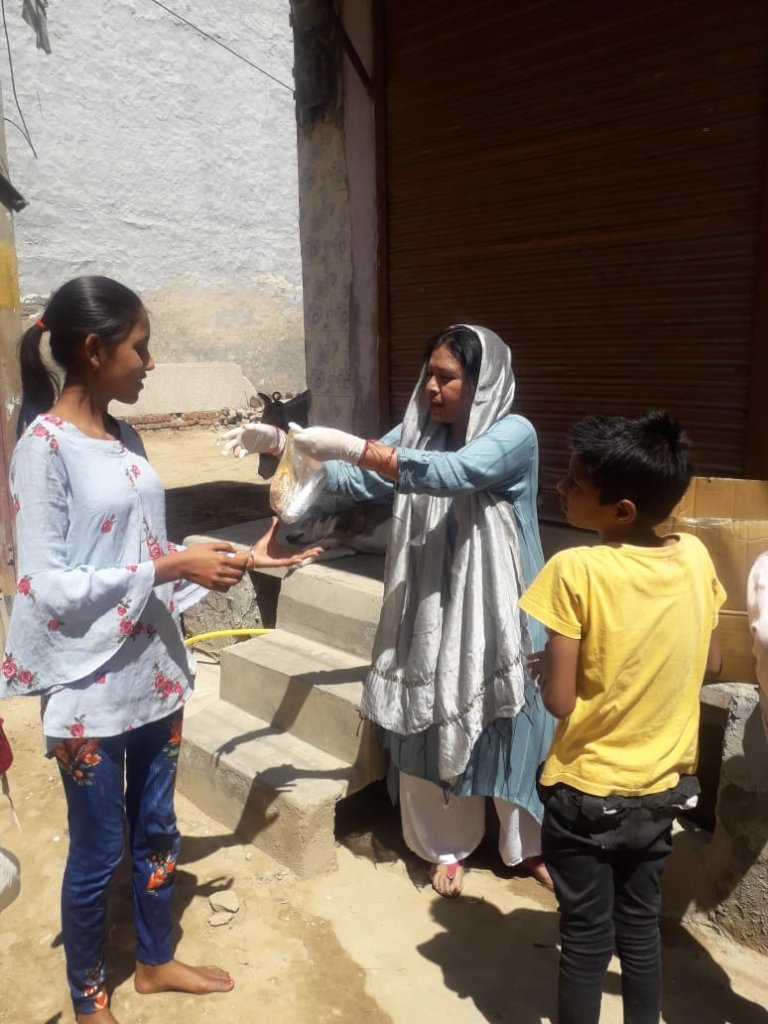
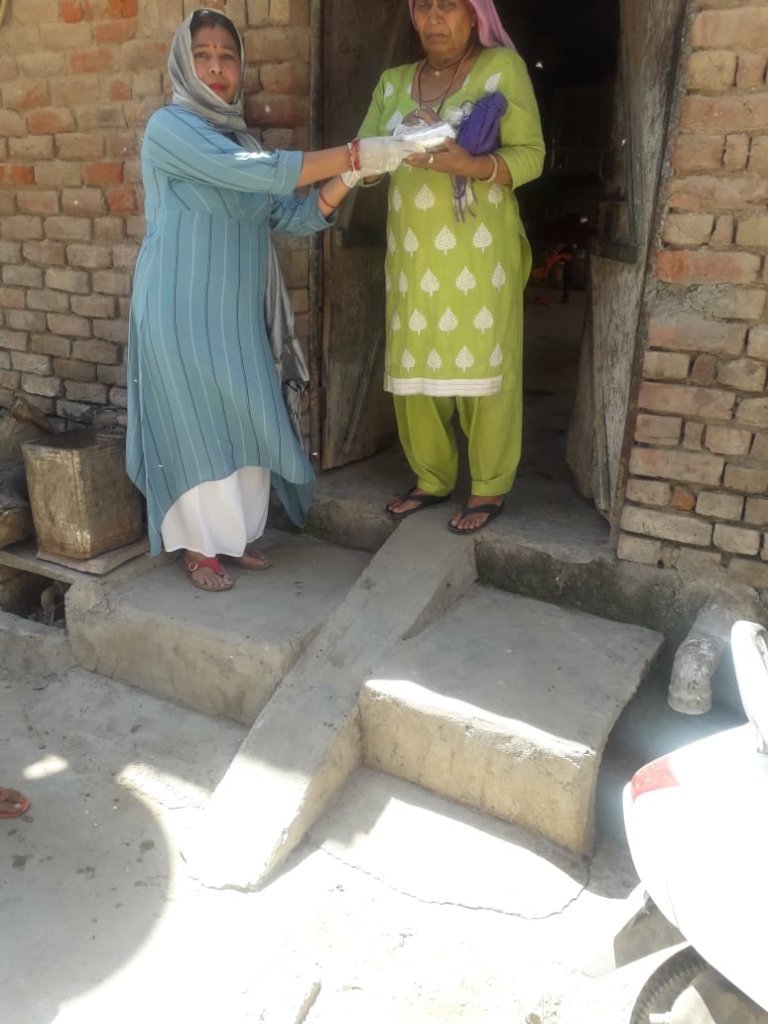
Sunita’s transition reflects broader progress during the last three months. In this quarter, 2,340 women and 3,980 children received food support, while 418 families successfully moved off emergency food assistance after achieving basic stability through combined food, health, and referral services. We distributed 4,760 hygiene and medicine kits and coordinated 287 hospital referrals and vaccination appointments, reducing repeat medical crises for 173 women with chronic health needs. Stabilized health directly enabled families to return to work and caregiving.
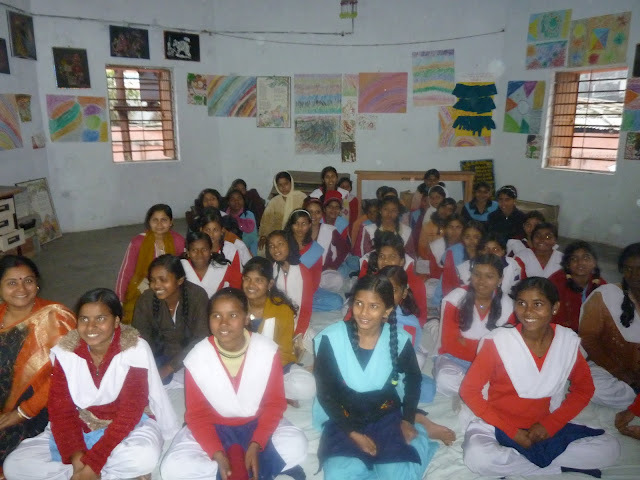
Education recovery was a critical marker of success. Over the last three months, 1,120 children received school supplies and learning materials, and 364 children who had previously dropped out were re-enrolled in school or non-formal education programs. Access to shared computers and Wi-Fi hubs allowed children from overcrowded homes to resume learning. These gains signal a shift from emergency response to early recovery—preventing hunger, illness, and school dropout while building pathways toward livelihoods, housing, and long-term independence.
Links:
Project reports on GlobalGiving are posted directly to globalgiving.org by Project Leaders as they are completed, generally every 3-4 months. To protect the integrity of these documents, GlobalGiving does not alter them; therefore you may find some language or formatting issues.
If you donate to this project or have donated to this project, you can receive an email when this project posts a report. You can also subscribe for reports without donating.



Support this important cause by creating a personalized fundraising page.
Start a Fundraiser