By Zachery Onyango | Project Leader
Dear beloved donor,
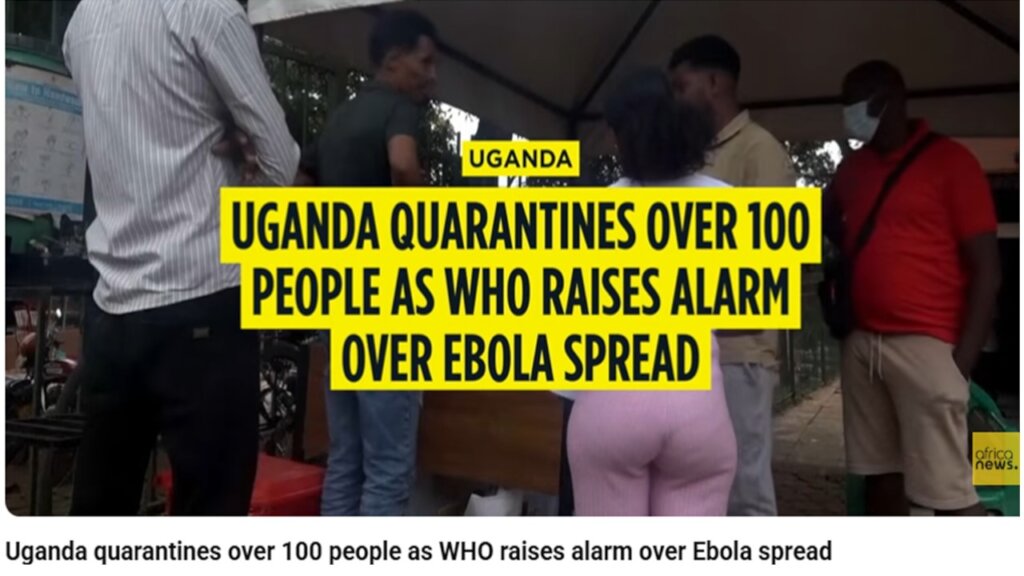
Community surveillance remains one of the most important pillars of outbreak preparedness. Uganda’s successful Ebola response demonstrated how early identification, contact tracing and rapid communication can help interrupt transmission. The country has now completed its 42-day monitoring period and remains Ebola-free.
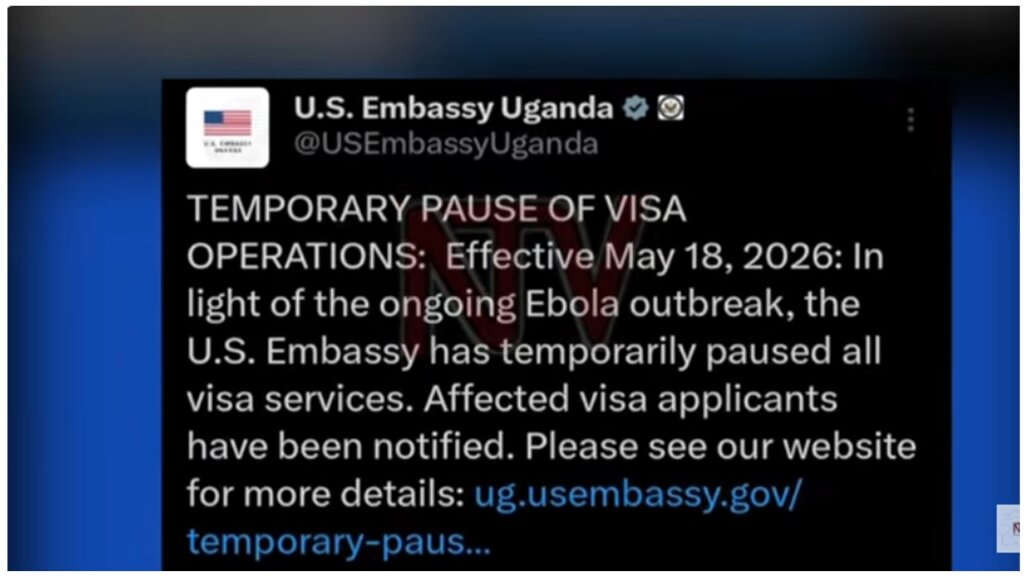
The situation in the DRC reinforces the need for continued vigilance. The latest available data show 6,342 confirmed Ebola cases and 3,072 deaths as of 3 September. The DRC outbreak continues to expand geographically and remains one of the fastest-moving Ebola epidemics ever documented.
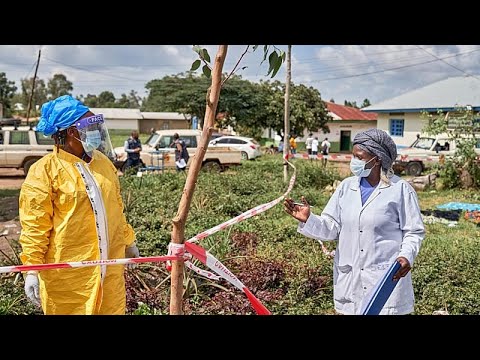
Development Alert continues supporting community surveillance networks in Uganda’s border communities. Community volunteers and local leaders are encouraged to maintain communication with health facilities and report unusual health events promptly.
Our approach is based on community participation. People living within affected and high-risk communities understand local movements, gathering points and vulnerable households. Their involvement therefore strengthens the ability of formal health systems to receive information quickly.
We continue engaging teachers, religious leaders, women’s groups, youth representatives, traders, boda boda operators and other trusted community members. These groups can help distribute accurate health messages and counter rumors.
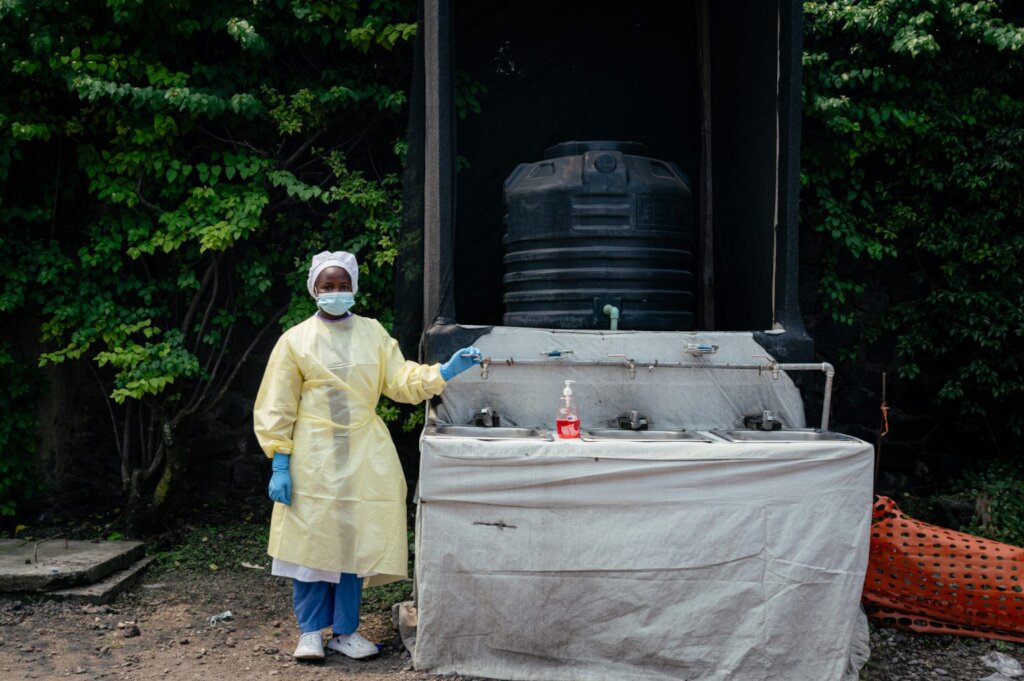
Hygiene promotion remains an important component of preparedness. Communities are encouraged to maintain appropriate handwashing practices and follow public-health guidance.
Our field motorcycle strengthens the physical capacity to conduct community visits and follow-up activities. It reduces delays caused by difficult terrain and limited transportation.
The DRC emergency demonstrates the enormous consequences when transmission chains remain undetected. Uganda’s success demonstrates the opposite.
Development Alert is committed to preserving Uganda’s preparedness gains and ensuring that communities remain capable of identifying and communicating potential health threats rapidly.
Project reports on GlobalGiving are posted directly to globalgiving.org by Project Leaders as they are completed, generally every 3-4 months. To protect the integrity of these documents, GlobalGiving does not alter them; therefore you may find some language or formatting issues.
If you donate to this project or have donated to this project, you can receive an email when this project posts a report. You can also subscribe for reports without donating.



Support this important cause by creating a personalized fundraising page.
Start a Fundraiser