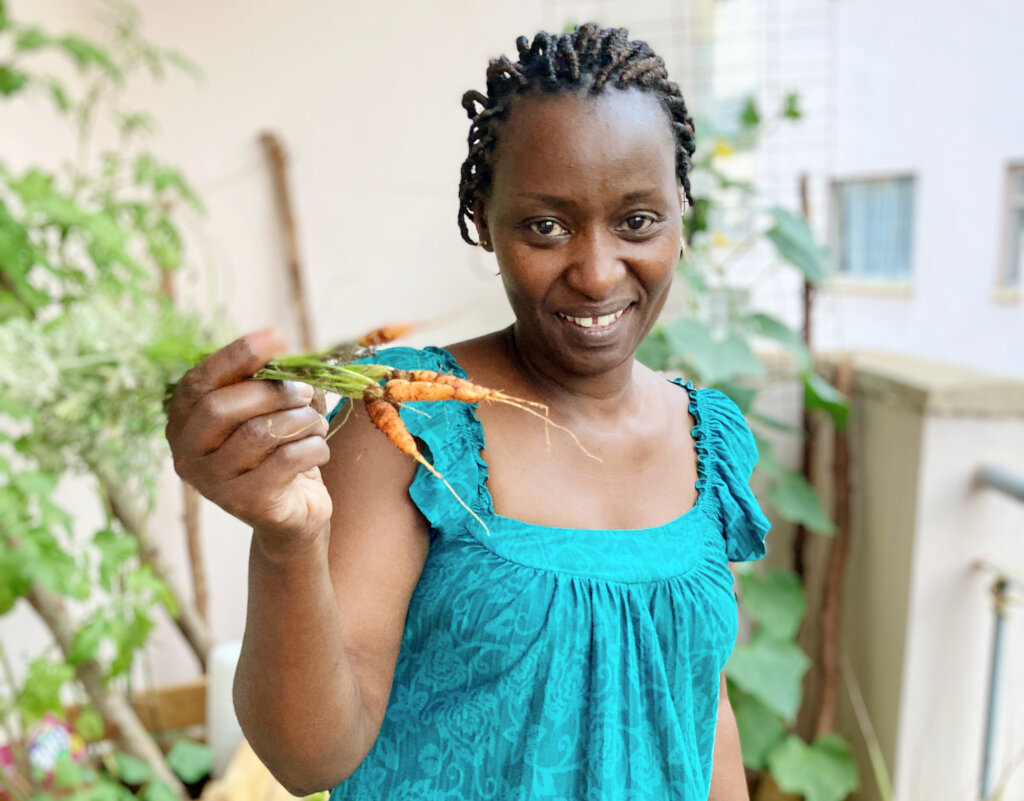
By Stella Makena | Project leader in Nairobi
This report is going to 31 friends who have donated $1,947 to our appeal on behalf of Shield of Faith – the inspiring group of women who have launched composting in the informal settlements of Nairobi. We hope you enjoy this update from Stella, the visionary founder and director of Shield of Faith.
Summary
There is a lot of news to share since we last reported back to you in the summer and it starts with some really good news: there has been no repeat of the deadly riots in 2024.
This is not to say that life in the settlements is easy, because it is not. In addition to coping with a lack of services, people are suffering from soaring food prices, high unemployment and reduced purchasing power. If anything, low-income families are even more vulnerable than they were when we launched this initiative in 2022. Our work is more vital than ever.
We also face the fact that funding for development has fallen sharply. As a result, we are redoubling efforts to develop new partnerships with like-minded NGOs. This is the main theme of our report.
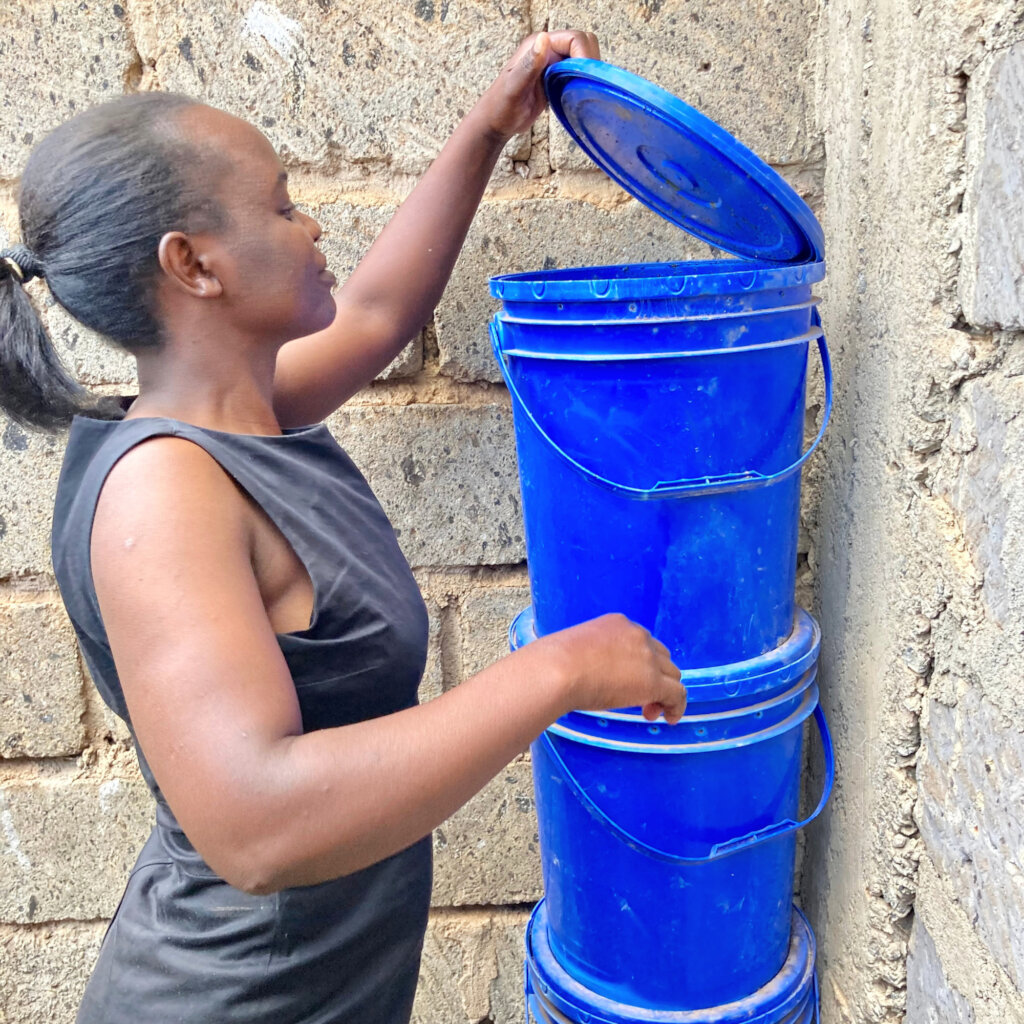
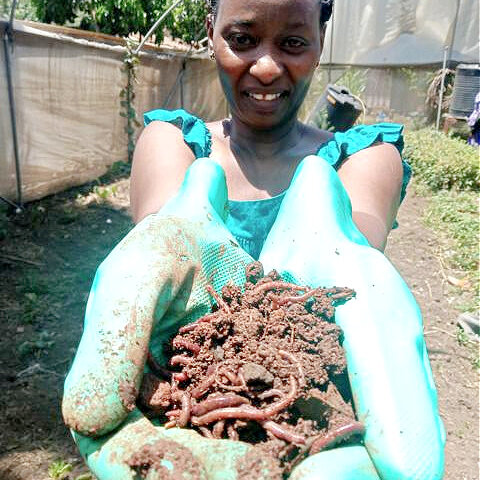
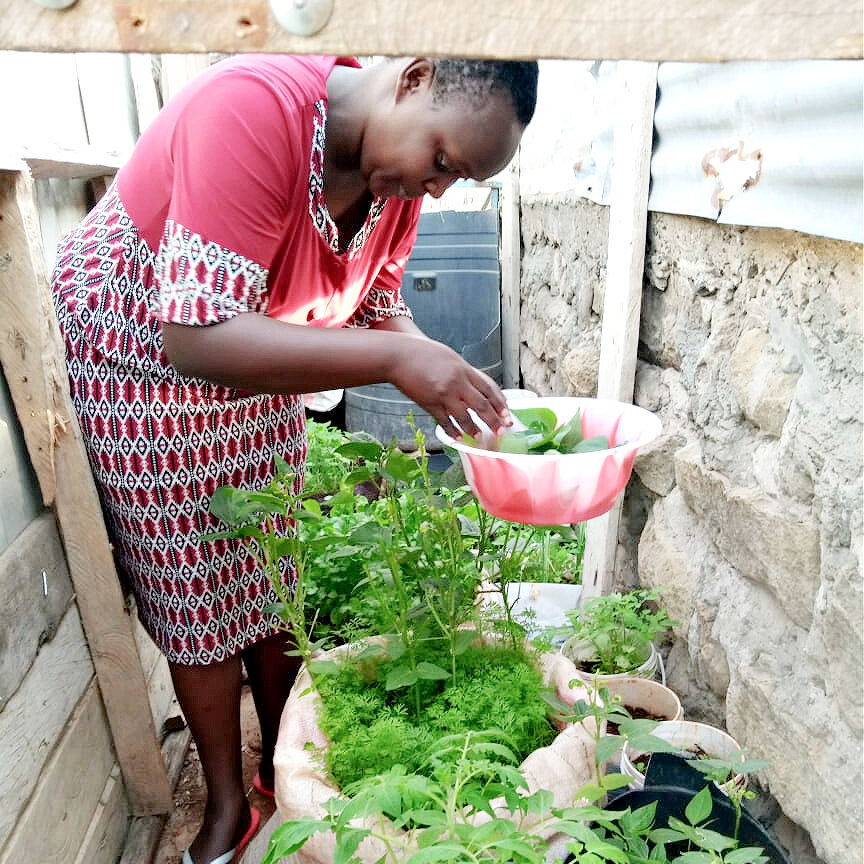
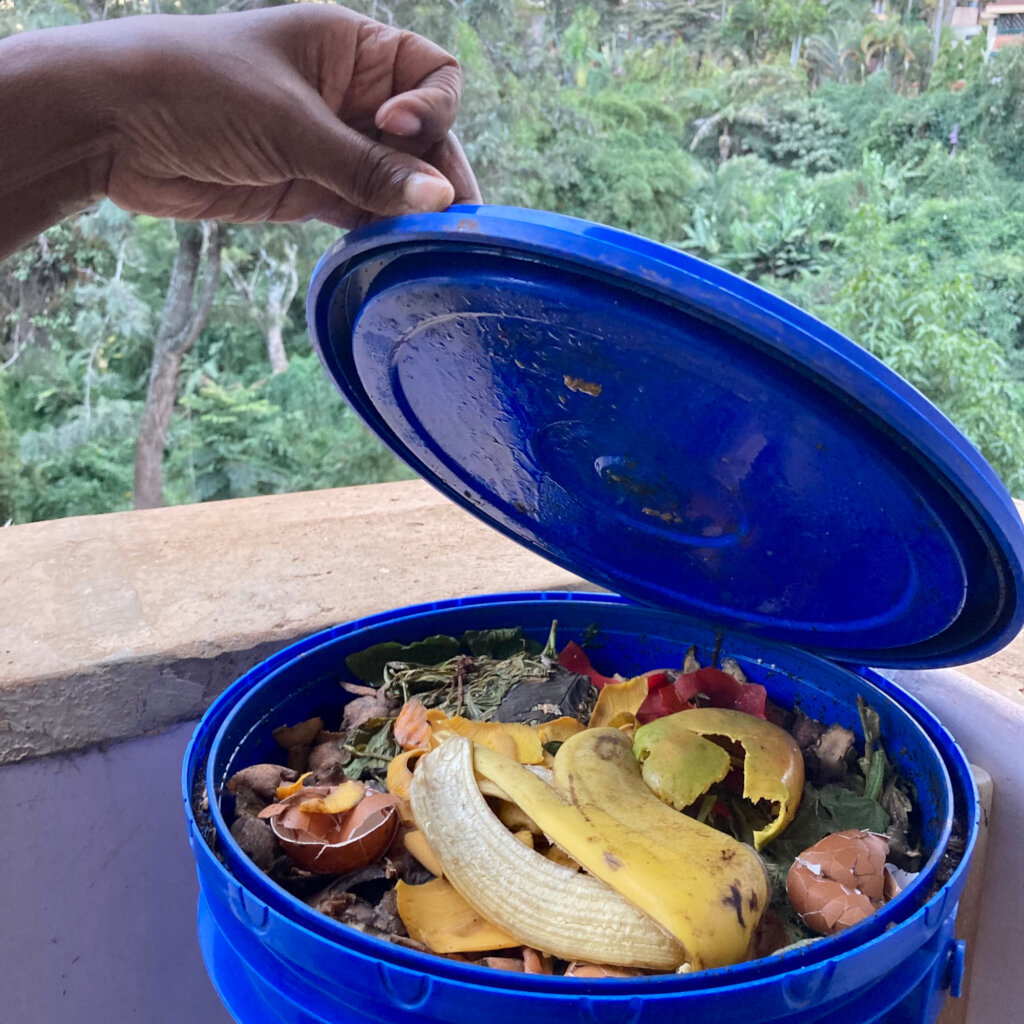
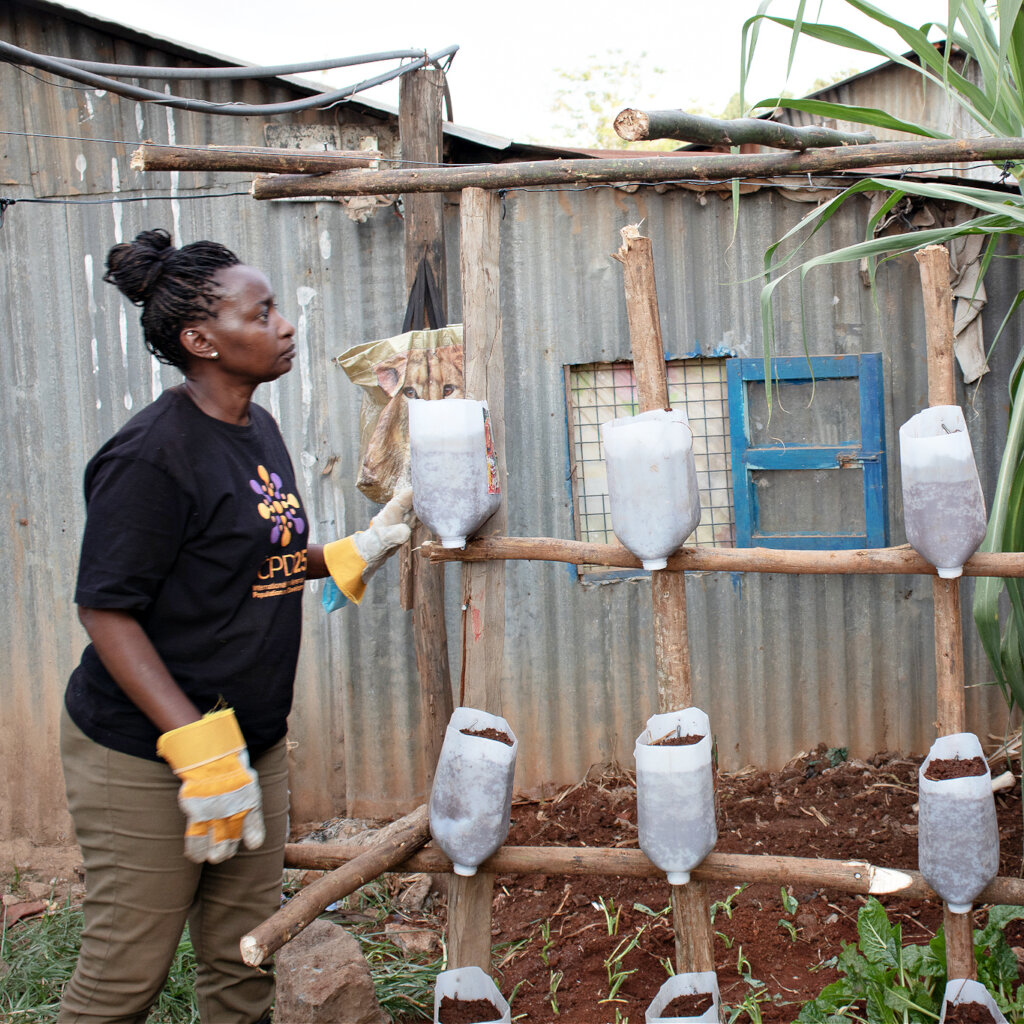
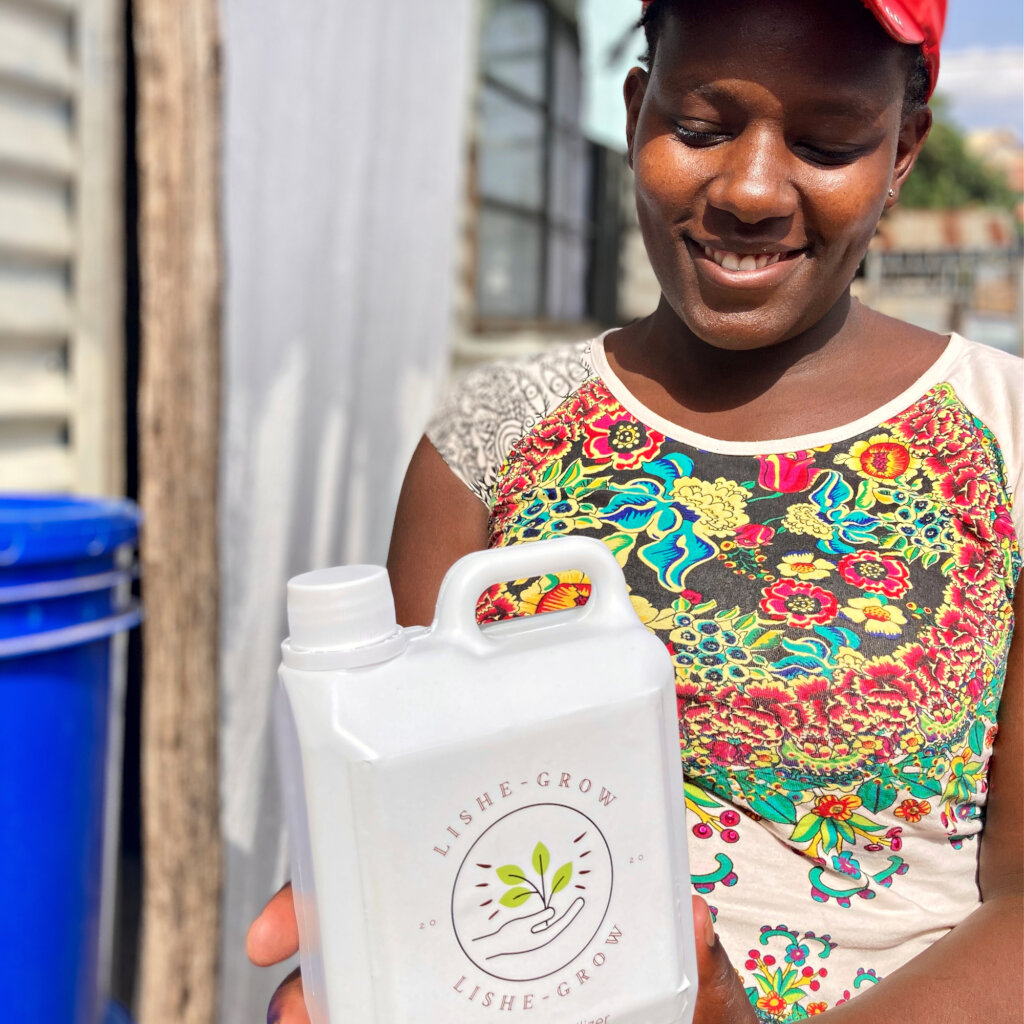
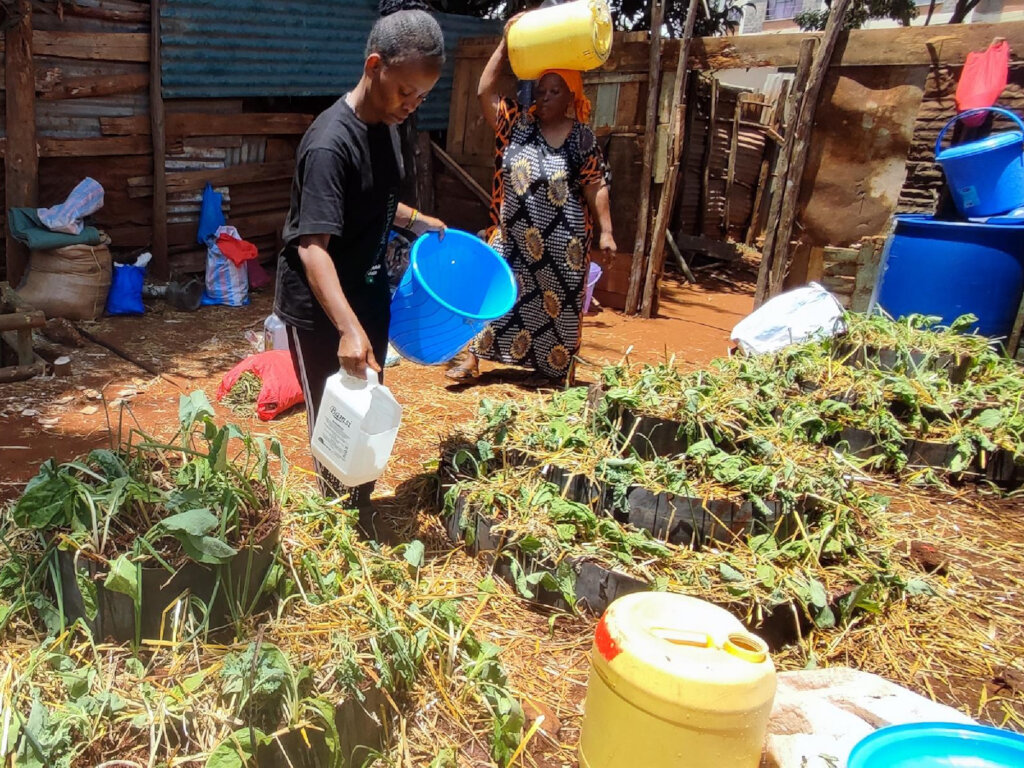
Our project helps vulnerable families to compost food waste, using vermiculture, and grow vegetables in kitchen gardens. In the process, our composters produce and use ‘Lishe-Grow’, a concentrated fertiliser that comes from the worm castings. Last year alone we composted a combined 5.5 tons of food waste and produced 315 liters of Lishe-Grow. Ten team members also set up dry composting sites (“hubs”). Fourteen grew vegetables in kitchen gardens.
This year we have taken our model beyond households and into communities. Schools offer a perfect point of entry and we have been developing partnerships with the four schools described in this report. Through them we also hope to reach more parents and families.
In parallel to this The Advocacy Project is supporting composting at several schools in the United States. Between the two of us, we hope to find student “composting ambassadors” in both countries who are passionate about composting, and to introduce them to each other. It could be a fascinating cross-cultural educational experience for everyone involved!
This year we have again been helped by another generous grant from the Foundation for Systemic Change. We also raised donations ($540) for the first time from staff members at the World Bank through the Bank's Community Connections Campaign (CCC).
These donors believe in our model, as you do. This encourages us to think big!
Carolina for Kibera Africa and the Perijang Primary School
We are delighted to have signed an agreement with CFK Africa, a widely respected non-profit that provides services in Kibera, the largest settlement. This allows us to take advantage of CFK’s strong community presence across Nairobi.
Through CFK we have begun a six-month pilot program at the Perijang (mixed day) Primary School in Kibera. The school serves about 200 learners and 250 parents from low-income households and offers an ideal setting for a community learning hub.
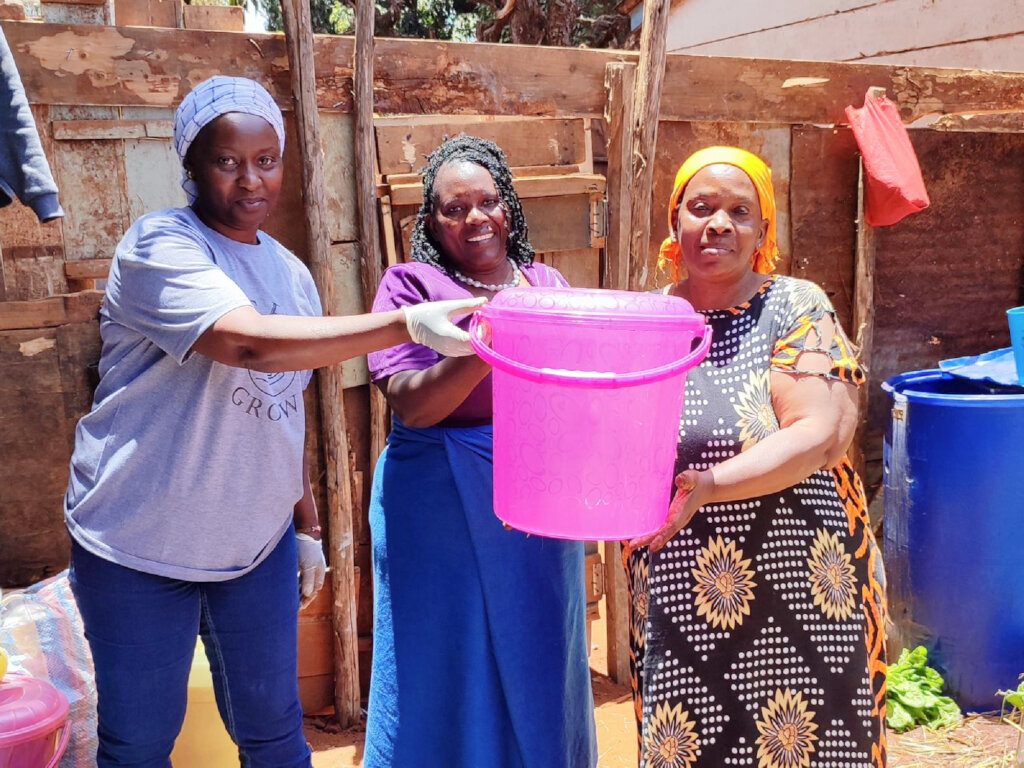
CFK selected ten mothers who have children at the school and are active in CFK’s own nutrition program. We then began six months of training in composting and organic farming. Each week the trainees collect and weigh organic waste from their homes and local vendors which they then deliver to the Perijang school composting site. At the same time, they also tend to their own garden plots.
Each participant receives a monthly stipend for submitting data and is expected to attend sessions on nutrition, health, and financial literacy. We will assess the experiment in March. If, as we hope, it has worked well we may suggest a savings group.
The beauty of this approach, from our perspective, is that schools offer an organized and secure environment. The beneficiaries are all parents, and thus pre-vetted. The location is centralized, which means it is cost-effective and offers a shared learning space for parents and children.
We feel that this approach offers the best hope for sustainability and plan to use similar sites in future. In the case of Perijang, there is so much demand that CFK is already asking us to enroll more beneficiaries. This is really encouraging!
Beyond The Trails Kenya (BTTK) is another new partner that will help us to leverage combined resources and networks. Between us we hope to green schools across the country. BTTK will provide fruit trees while we will focus on sustainable waste management, nutrition initiatives, and the Student Environmental Ambassadors Program. Both partners will contribute as our resources permit.
Our Lady Of Mercy Secondary School (girls boarding)
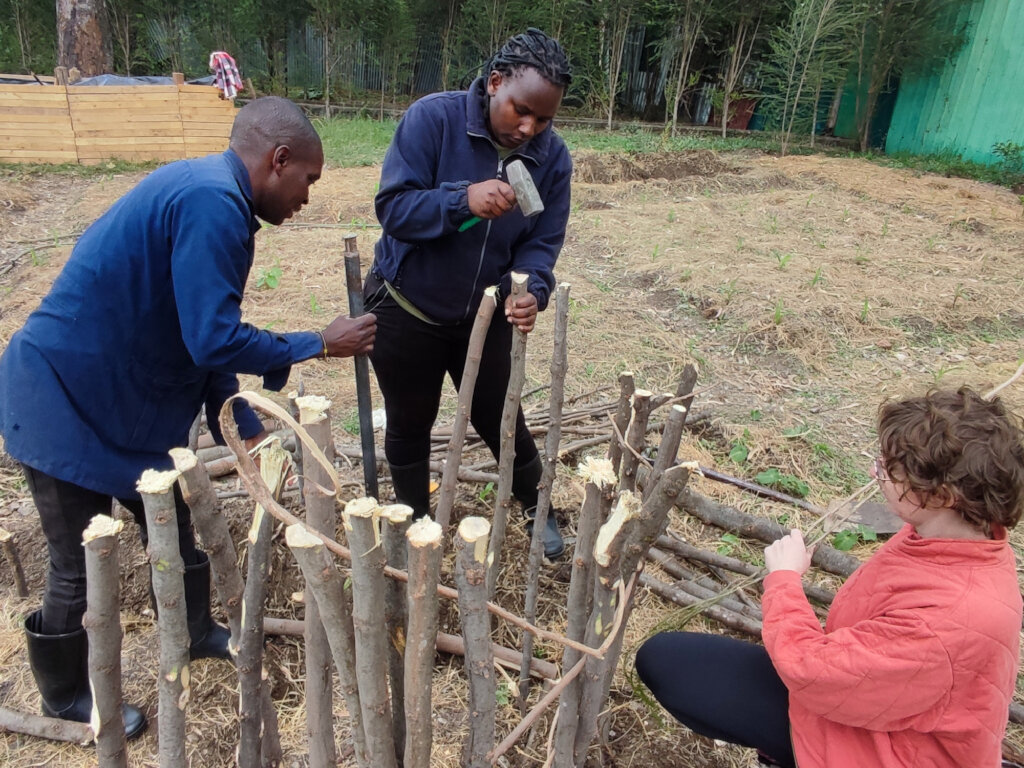
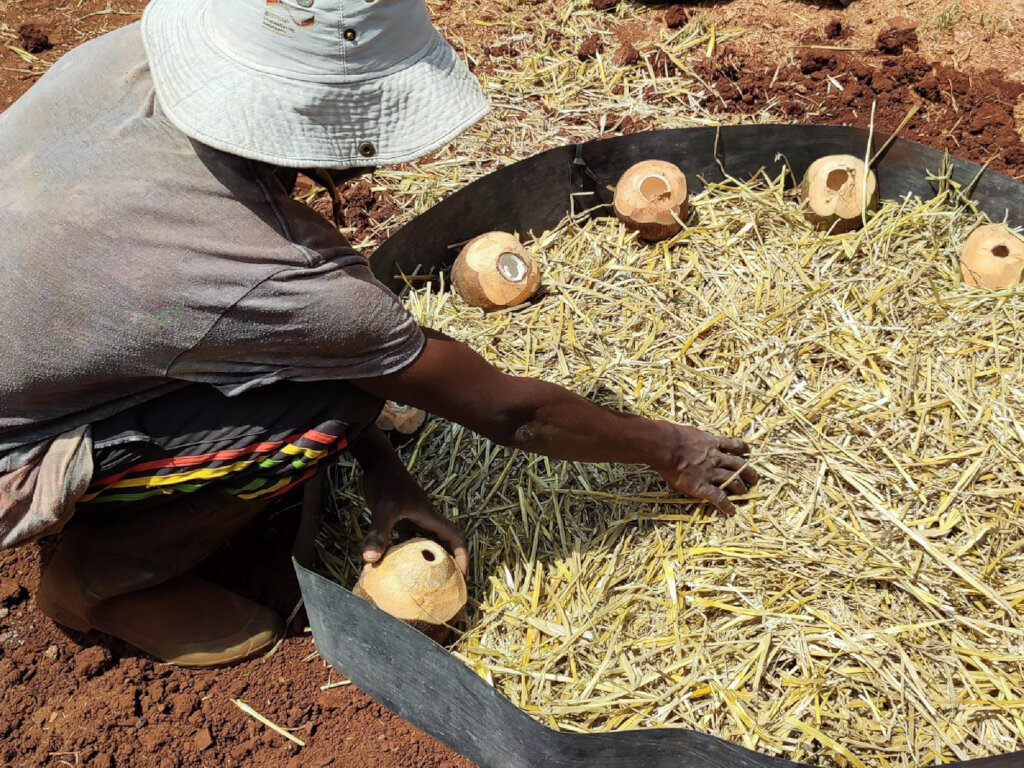
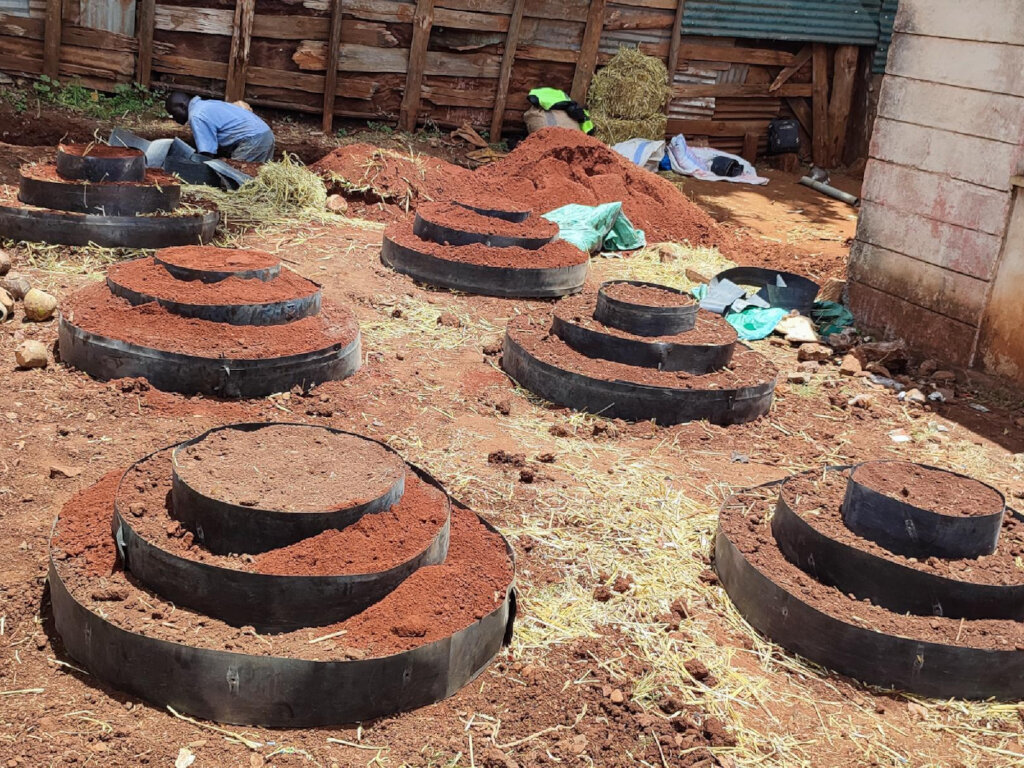
Our Lady Of Mercy was our first school partner, and we have spent this past term establishing two demonstration sites where students can learn how to conserve rainwater and make use of farm waste. We constructed kitchen gardens that are known as Keyhole Hügel-Mounds and are built up in the shape of cones to maximise the use of space. The layers are made from straw, pieces of wood, and organic waste that rot down to create rich and fertile soil (photos).
We have taken three important friends to visit the school. The first was a former World Bank staff member referred by The Advocacy Project. We also arranged for visits by CFK-Africa’s Nutrition Program team and BTTK that led to the promising partnerships described above.
Our Lady of Mercy has even given us our first Environmental Ambassador! Natasha, a third form student, is also active in the school’s 4-K Club, another outstanding partner of our program that supports agricultural initiatives in schools across Kenya.
We hope that Our Lady of Mercy will continue to serve as a strong partner and allow us to test out the program’s impact on the wider community and new partners. Between April and June, the school composted approximately three tons of organic waste and 10 litres of Lishe-Grow fertilizer. This was used on the school farm, which produced about 70% of the vegetables consumed at the school each day.
Read Julia’s blog about this school here!
The Highway Boys Secondary (boarding) school
This school has a student population of over 1,200 and a large compound with plenty of room for a vegetable farm, eco-garden, and a fruit tree zone. But when we first saw it, it was also littered with food waste, cow manure, slurry runoff from the livestock shed, and construction debris. We learned that the playground was often under water from a man-made swamp caused by a burst pipe that serves nearby residential estates.
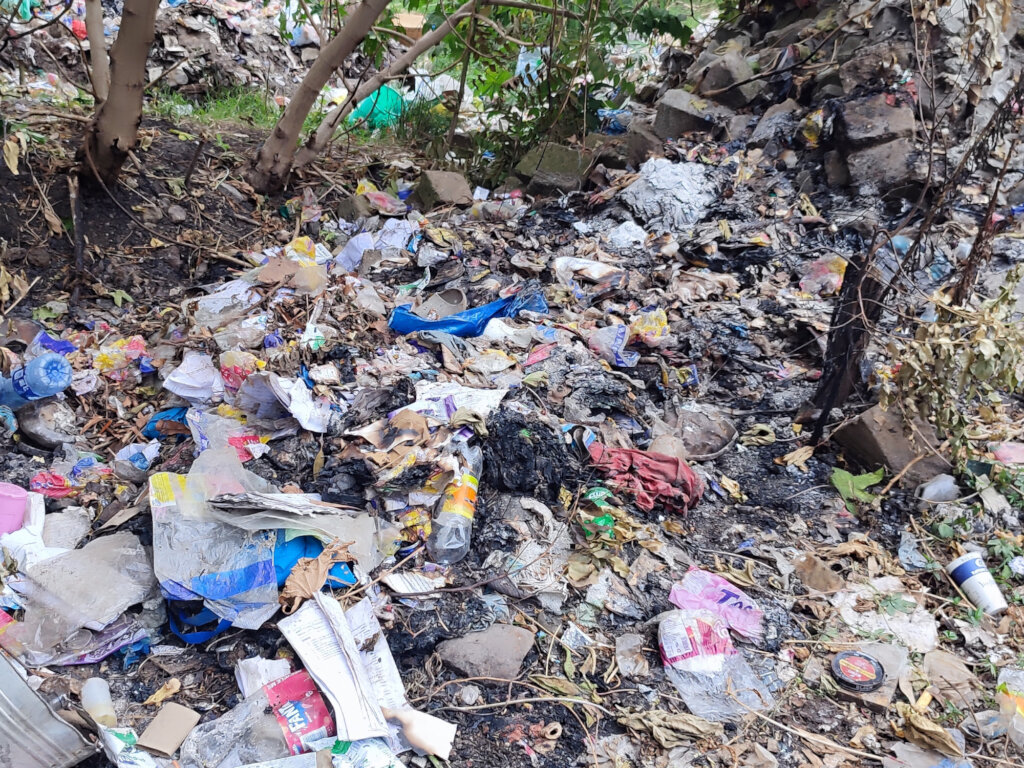
We identified a perfect plot of land for gardening. But in order to get to it we would first have to clear an area overgrown with Napier grass and covered with years of accumulated debris that included construction materials, rusty iron boxes, old mattresses, rotting paper cartons, old books, plastics, glass, wooden waste, and discarded dormitory beddings! (Photo)
So we set to work!
With the help of ten local laborers, we successfully removed over two tons of waste in three weeks. The next step was to level the ground, reclaim the area for gardening and begin composting.
As you can imagine, this has been hard work! Still, the swamp offers a unique opportunity to transform a derelict plot of land into a vibrant eco-garden that will eventually promote the well-being of students. Serene and teeming with birdlife, lilies, reeds, and acacias, it could serve as a living classroom, where students can learn about ecosystem restoration and biodiversity while benefiting from a calm and restorative environment.
This will align with our mission to develop green schools that inspire communities to embrace sustainable practices.
Read Julia’s blog about the Highway Boys Secondary School here!
The Ereteti (Mixed Day) School
This school is a mixed primary and secondary public school situated in Kajiado County, a semi-arid region where poverty, recurrent droughts, and poor soils limit agricultural productivity. The school is funded by the African Inland Church (AIC) and supported by the Kajiado sub-county government.
Most families in Kajiado are pastoralists and many of the (more than 300) students come to school each day hungry. This contributes to poor school attendance and malnutrition among children, and reduces the community’s resilience to climate shocks.
We first visited the school in September with BTTK at the invitation of the school principal, who had learned about our composting project at Our Lady of Mercy school. We found a school compound that was bare, dusty and littered with waste - much of it plastic. There was minimal tree cover. All of this made for an unhealthy school environment.
Working with the school we hope to transform Ereteti Day School into a green, climate-smart learning hub that enhances child nutrition, promotes environmental stewardship, and empowers the surrounding community. We want to show that even in dry climatic conditions, communities can restore their environment and achieve sustainable food production through simple, practical methods of soil and water conservation.
Our final partner to feature in this report, The Advocacy Project (AP), has supported us since 2022 and sent us three wonderful Peace Fellows. The latest Fellow, Julia, spent five weeks with me with this summer, visiting schools, building gardens and helping me with information, data, reporting, strategic planning and proposal writing.
Like previous Fellows, Julia was also a hit with our stakeholders and students! Here is a link to her final blog about her summer in Kenya.
*
Thank you for accompanying us on this journey to transform the informal settlements of Nairobi. We hope you will join us for more adventures in 2026!
In gratitude
Stella and the Shield of Faith composters.
Project reports on GlobalGiving are posted directly to globalgiving.org by Project Leaders as they are completed, generally every 3-4 months. To protect the integrity of these documents, GlobalGiving does not alter them; therefore you may find some language or formatting issues.
If you donate to this project or have donated to this project, you can receive an email when this project posts a report. You can also subscribe for reports without donating.



Support this important cause by creating a personalized fundraising page.
Start a Fundraiser