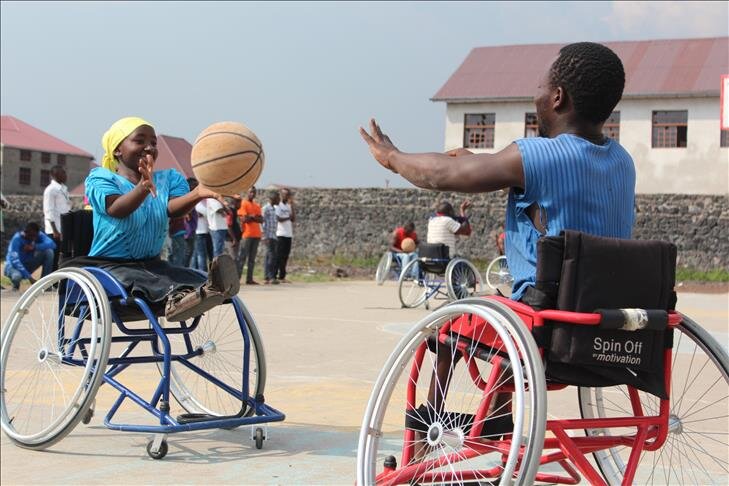
The CBIB project aims to empower Persons with Disabilities (PWDs) living in the volatile border regions of the Democratic Republic of Congo (specifically the East/South corridors). By addressing the triple barriers of physical mobility, legal exclusion, and economic isolation, this project transforms PWDs from vulnerable dependents into active regional economic players.
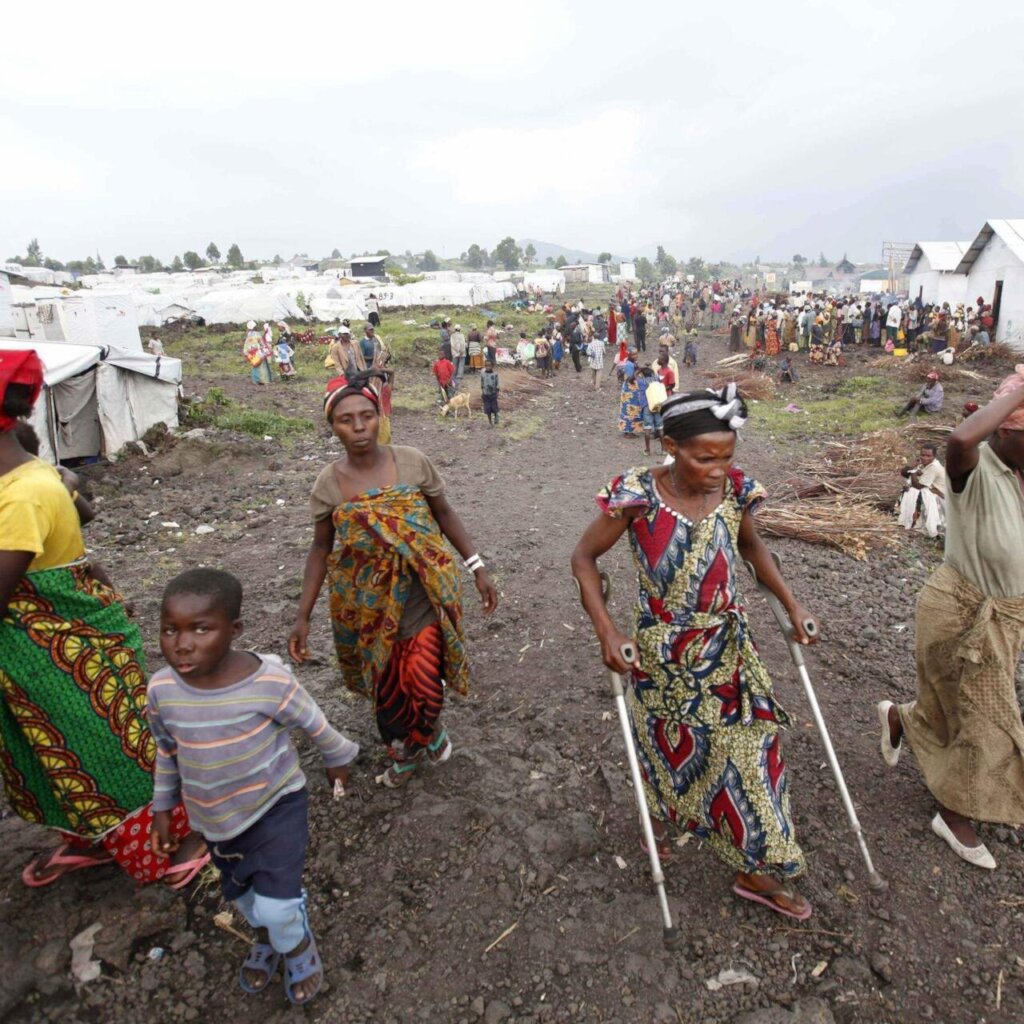
Despite representing nearly 15% of the population, Persons with Disabilities (PWDs) in the Democratic Republic of Congo particularly in border regions like North and South Kivu face a "triple barrier" that keeps them in extreme poverty: Physical & Medical Isolation (The Mobility Gap), Legal & Administrative Exclusion (The Border Gap), Economic Marginalization (The Income Gap), physical, legal, and financial that treats PWDs as "charity cases" rather than cross-border economic actors.
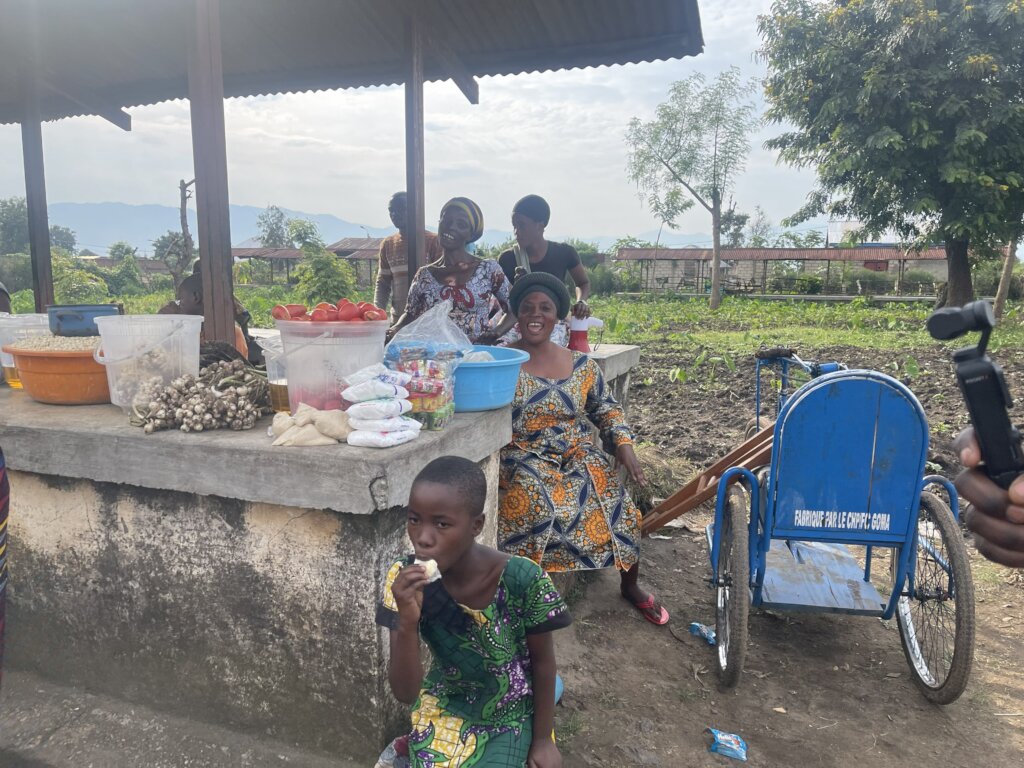
The project ends the reliance on expensive, imported prosthetics that often leave users stranded when they break. In-Country Manufacturing: By using portable 3D scanners and printers, custom prosthetic sockets can be printed in under 24 hours directly in Goma or Bukavu. The project tackles "hidden disablers" at the border procedural barriers that disproportionately impact Persons with Disabilities (PWDs). The project tackles "hidden disablers" at the borderprocedural barriers that disproportion
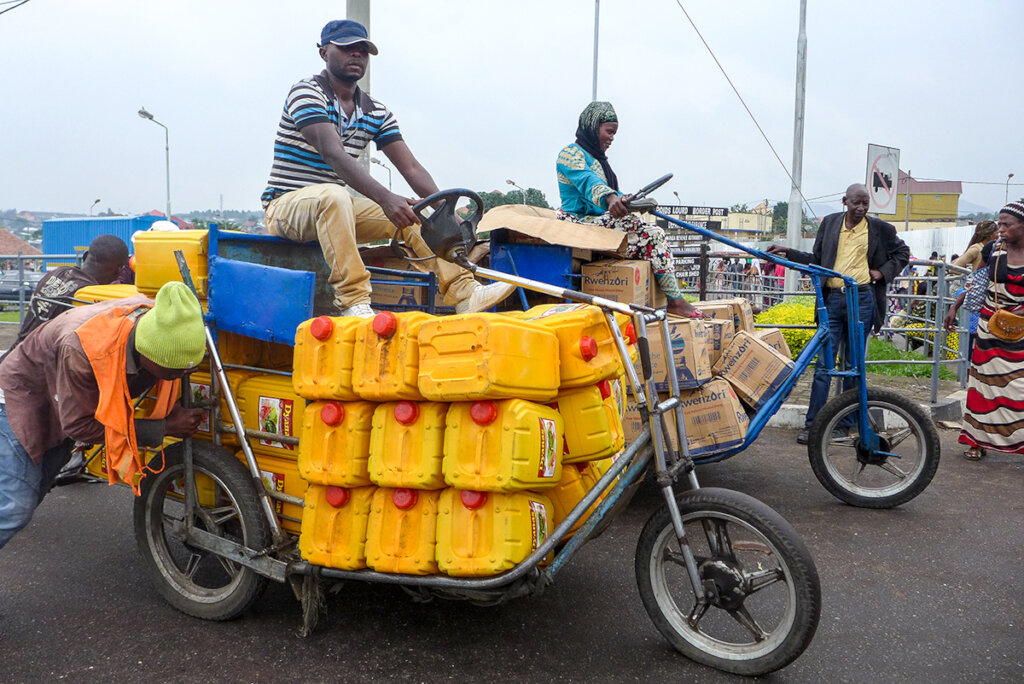
Generational Wealth Creation: By providing PWDs (Persons with Disabilities) access to cross-border trade and micro-capital, the project breaks the cycle of hereditary poverty. Families previously reliant on begging or subsistence aid will transition into stable micro-enterprise owners, contributing to the DRC's GDP.Standardization of Border Rights: The pilot "Handicap Pass" is intended to become a permanent regional protocol adopted by the EAC (East African Community) and SADC.
This project has provided additional documentation in a PDF file (projdoc.pdf).



Support this important cause by creating a personalized fundraising page.
Start a Fundraiser