By Dr. Abdullahi Hersi | Executive Director
Summary
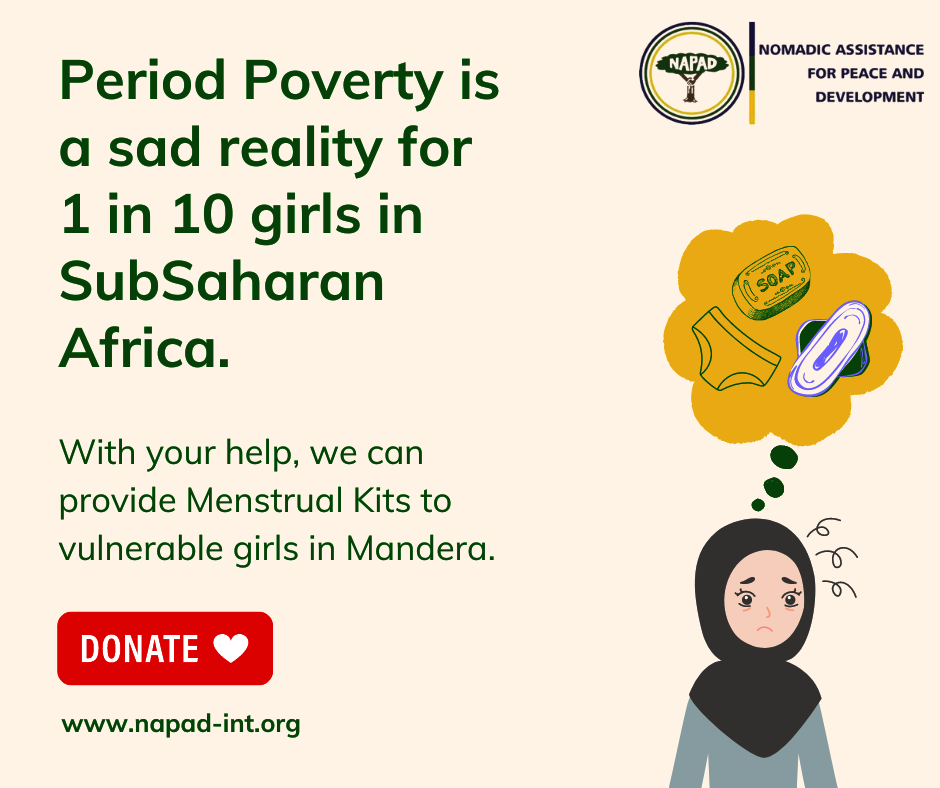
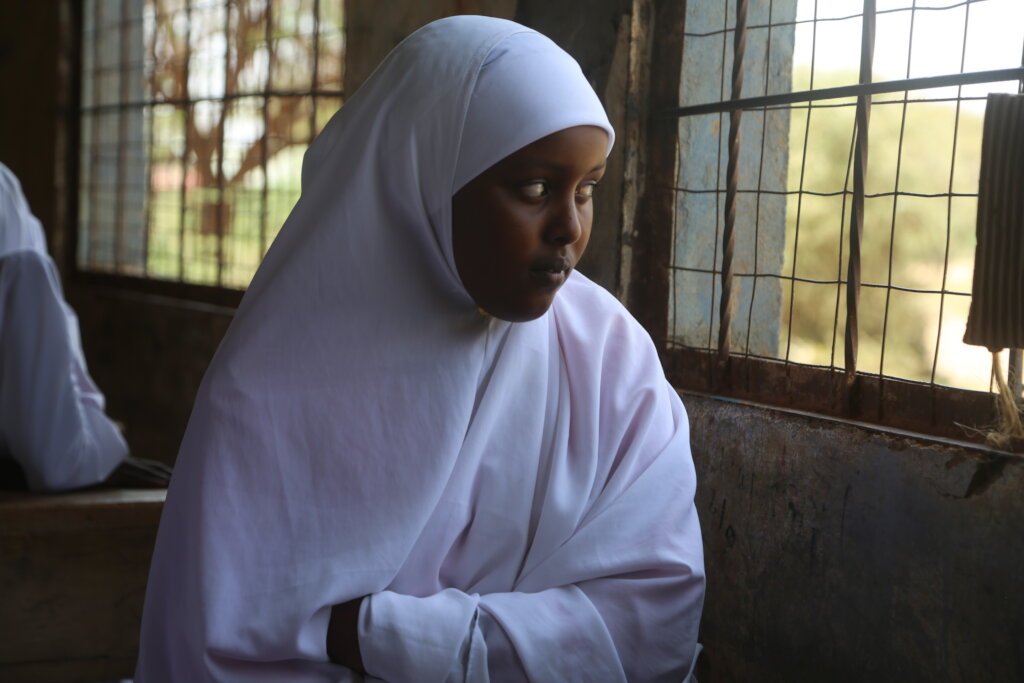
Menstrual health remains a critical but often underfunded barrier to girls’ education in Mandera County and across Kenya’s Arid and Semi-Arid Lands (ASAL) in the North. In these regions, persistent socio-economic vulnerabilities, limited access to essential health commodities, and entrenched stigma around menstruation continue to restrict girls’ ability to attend and fully participate in school. For many adolescent girls, the lack of affordable and appropriate menstrual materials forces repeated absenteeism, negatively affecting their academic progression, confidence, and overall well-being.
Beyond access to sanitary products, menstrual health management (MHM) challenges in ASAL contexts are compounded by gaps in accurate information, inadequate sanitation facilities, and cultural taboos that discourage open discussion. This combination not only undermines girls’ dignity but also limits their ability to manage menstruation safely and with confidence.
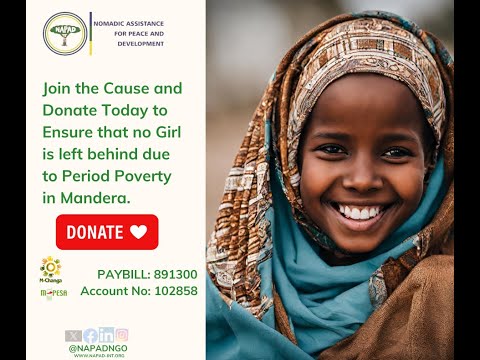
Through this initiative, NAPAD aims to support 4,000 vulnerable school-going girls in Mandera County with dignity kits and age-appropriate menstrual health education. The approach integrates both product distribution and awareness-raising to ensure that girls are not only equipped with essential supplies, but also empowered with knowledge to manage their menstrual health safely, reduce stigma, and stay consistently engaged in their education.
However, fundraising progress has been slower than anticipated, highlighting the need for diversified and community-driven resource mobilization strategies. To address this gap, NAPAD is scaling up innovative fundraising approaches, including a public fitness event titled Workout to Wipe Out Period Poverty scheduled for 23rd May 2026, ahead of World Menstrual Hygiene Day. This initiative seeks not only to mobilize resources but also to raise awareness, engage new supporters, and build a broader movement around menstrual dignity for girls in underserved ASAL communities.
With strengthened partnerships and increased donor support, this initiative has the potential to significantly reduce school absenteeism linked to menstruation, restore dignity, and create a more enabling environment for girls to thrive academically and socially.
Progress to Date
To date, the target beneficiary schools and girls have been identified across selected schools. NAPAD continues to strengthen collaboration with key local education stakeholders, including school leadership and community structures, to ensure effective targeting, coordination, and community acceptance of menstrual health interventions.
In parallel, the organization has maintained ongoing dissemination of campaign messaging through social media platforms and strategic partner engagements, helping to raise awareness on menstrual health management (MHM) challenges and the realities of period poverty in ASAL contexts. These communication efforts have played an important role in building visibility for the cause.
Initial funds raised enabled the procurement and distribution of dignity kits to a limited number of girls, providing immediate relief and supporting continued school attendance for some beneficiaries. However, this remains a small fraction of the overall need, as a significant number of vulnerable school-going girls are still without adequate menstrual supplies and supportive WASH facilities.
Strategic Response: Fundraising Event
To address the existing funding gap, NAPAD is organizing a high-visibility, community-driven fundraising initiative titled Workout to Wipe Out Period Poverty scheduled for 23rd May 2026, ahead of World Menstrual Hygiene Day. The outdoor fitness event will be led by a certified fitness trainer and is designed to bring together community members, young people, influencers, private sector actors, and development partners in a shared effort to advance menstrual health and dignity for girls in Mandera County.
The event serves a dual purpose of mobilizing critical resources for the procurement and distribution of dignity kits, and amplifying awareness on menstrual health management (MHM) as a key enabler of girls’ education, dignity, and school retention. It also seeks to broaden the engagement base by attracting new donors and supporters, while promoting a sustained movement that positions menstrual health as a priority development and education issue.
Through this initiative, NAPAD aims to secure funds that will directly contribute to reaching 4,000 vulnerable school-going girls with dignity kits and menstrual health education. In addition, the campaign is expected to strengthen advocacy efforts by challenging stigma, encouraging open dialogue on menstruation, and promoting community ownership of solutions to period poverty.
NAPAD is actively seeking support in the form of financial contributions, sponsorships for the fundraising event, in-kind donations such as sanitary products and event logistics support, as well as strategic partnerships to scale both outreach and long-term impact.
Additionally, NAPAD is fully committed to transparency and accountability throughout implementation. This will include proper tracking and documentation of all funds raised and utilized, systematic recording of kit distributions, collection of beneficiary feedback to inform continuous improvement, and timely reporting to donors and partners on outcomes, reach, and impact achieved.
Lessons learnt this far:
Conclusion
While progress in resource mobilization has been slower than anticipated, the need remains urgent, persistent, and clearly evident across the target communities. Girls in the ASAL regions of northern Kenya continue to face significant barriers to education linked to limited access to menstrual hygiene products, reinforcing the importance of timely and sustained interventions.
The upcoming Workout to Wipe Out Period Poverty event presents a strategic and timely opportunity to accelerate fundraising efforts, deepen community engagement, and expand partnerships around menstrual health. Beyond its role as a fundraising platform, the event is intended to catalyze collective action and strengthen public awareness on period poverty as a critical education and dignity issue affecting adolescent girls.
With increased donor support and strengthened collaboration, NAPAD is confident in its ability to reach the targeted 4,000 vulnerable school-going girls with dignity kits and menstrual health education. This support will directly contribute to reducing school absenteeism linked to lack of access to menstrual hygiene products, while also restoring dignity, confidence, and long-term educational opportunities for girls in underserved communities.
Project reports on GlobalGiving are posted directly to globalgiving.org by Project Leaders as they are completed, generally every 3-4 months. To protect the integrity of these documents, GlobalGiving does not alter them; therefore you may find some language or formatting issues.
If you donate to this project or have donated to this project, you can receive an email when this project posts a report. You can also subscribe for reports without donating.



Support this important cause by creating a personalized fundraising page.
Start a Fundraiser