By Dr. Yehdua Stolov | Executive Director
October 18, 2024
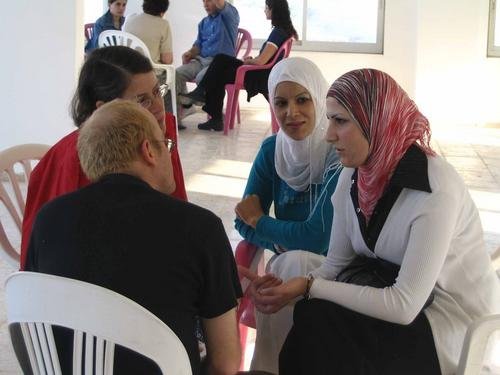
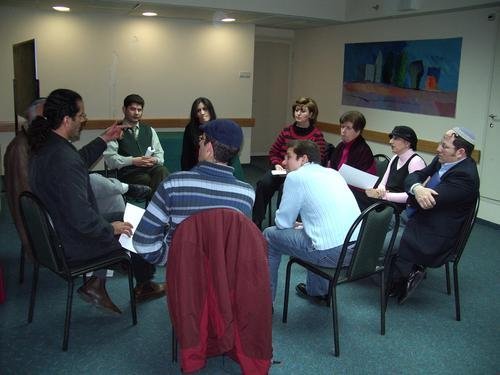
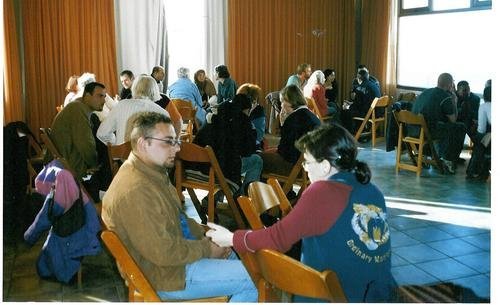
The group met in person to discuss the topic of choosing names. The conversation highlighted how names hold special significance in both Jewish and Muslim traditions.
For Jews, Hebrew names play a vital role, especially during religious rituals like prayer and supplication, where individuals must be known by their Hebrew names.
For Muslims, names are equally significant, as they are expected to have positive and beloved meanings. Names like Muhammad, Mahmoud, Ahmed, and those beginning with "Abd" such as Abdullah, are particularly valued. In Islamic belief, names carry spiritual weight, as individuals will be called by their names on the Day of Judgment, underscoring the importance of selecting meaningful names.
We concluded by sharing how our names may represent different values of our families and traditions.
November 15, 2024
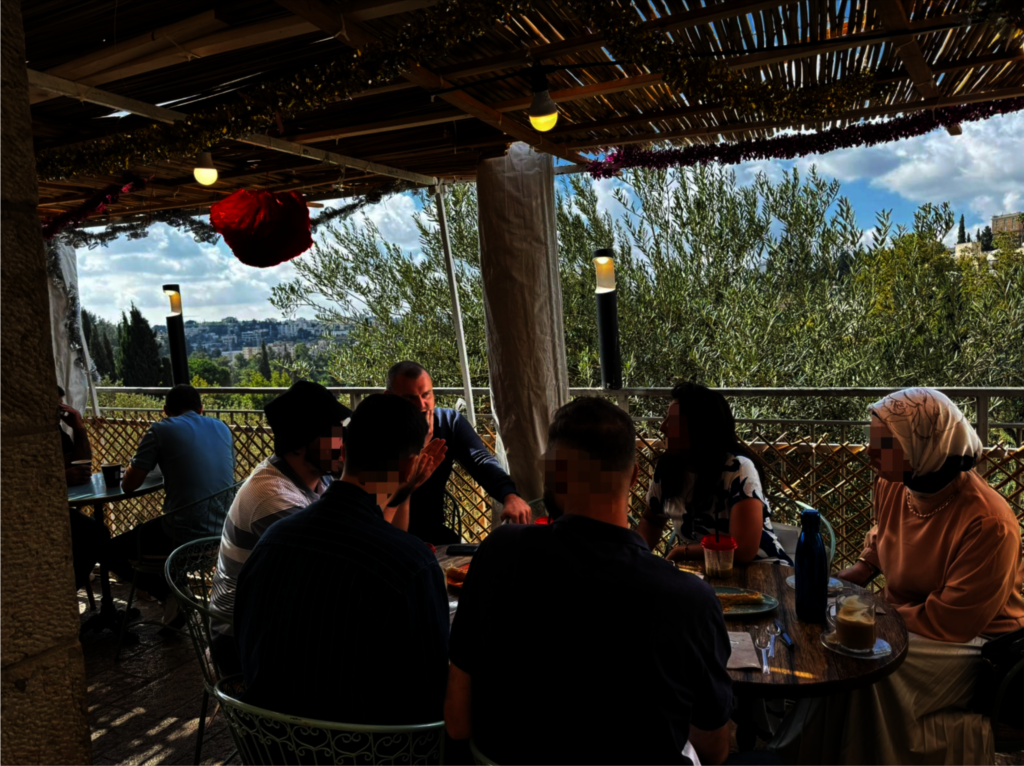
The group met at a café and engaged in a conversation about winter. The discussion was lively and meaningful, as winter holds significant importance for both Muslims and Jews.
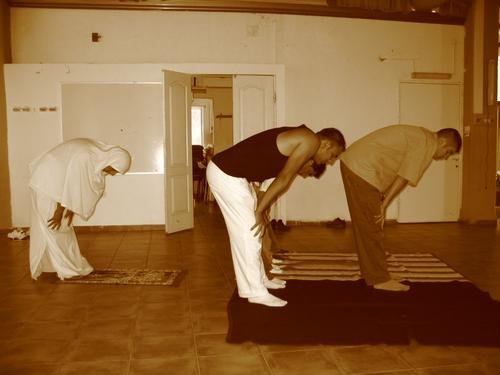
The Muslim participants shared their perspective on winter, describing it as a season full of blessings. It is seen as a time to increase acts of worship, such as night prayers and fasting, which are facilitated by the long nights and short days. Winter also serves as an opportunity for reflection and drawing closer to God. In times when rain does not fall, Muslims are encouraged to turn to God with prayers, seeking forgiveness and mercy. One of the key practices in such circumstances is the Salat al-Istisqa (Rain Prayer), a confirmed Sunnah performed collectively. During this prayer, Muslims sincerely supplicate to God for rain. Additionally, they are urged to give more charity and work on reconciling disputes, as sins and wrongdoings are believed to have the potential to withhold rain.
The Jewish participants explained that rain in winter is considered a blessing from God, especially in the Land of Israel, where agriculture and irrigation heavily depend on rainfall. According to Jewish teachings, the arrival of rain signifies God's favor. When rain is delayed or absent, Jews turn to prayer and fasting. One of the most prominent prayers is the Amidah prayer, which includes specific requests for rain during the appropriate season. A special plea called "Veten Tal U'Matar" is added to weekday prayers during this period. Additionally, communal fasting may be observed as an act of devotion to seek God's mercy. Alongside prayer and fasting, there is an emphasis on performing good deeds and increasing adherence to the Torah as a way of drawing closer to God.
It was impressive to notice how both Jewish and Muslims traditions relate to rain and to the relationship between humans, nature and spirituality.
Links:
Project reports on GlobalGiving are posted directly to globalgiving.org by Project Leaders as they are completed, generally every 3-4 months. To protect the integrity of these documents, GlobalGiving does not alter them; therefore you may find some language or formatting issues.
If you donate to this project or have donated to this project, you can receive an email when this project posts a report. You can also subscribe for reports without donating.



Support this important cause by creating a personalized fundraising page.
Start a Fundraiser