By Cynthia Aime Duran | Marketing & Communications Manager
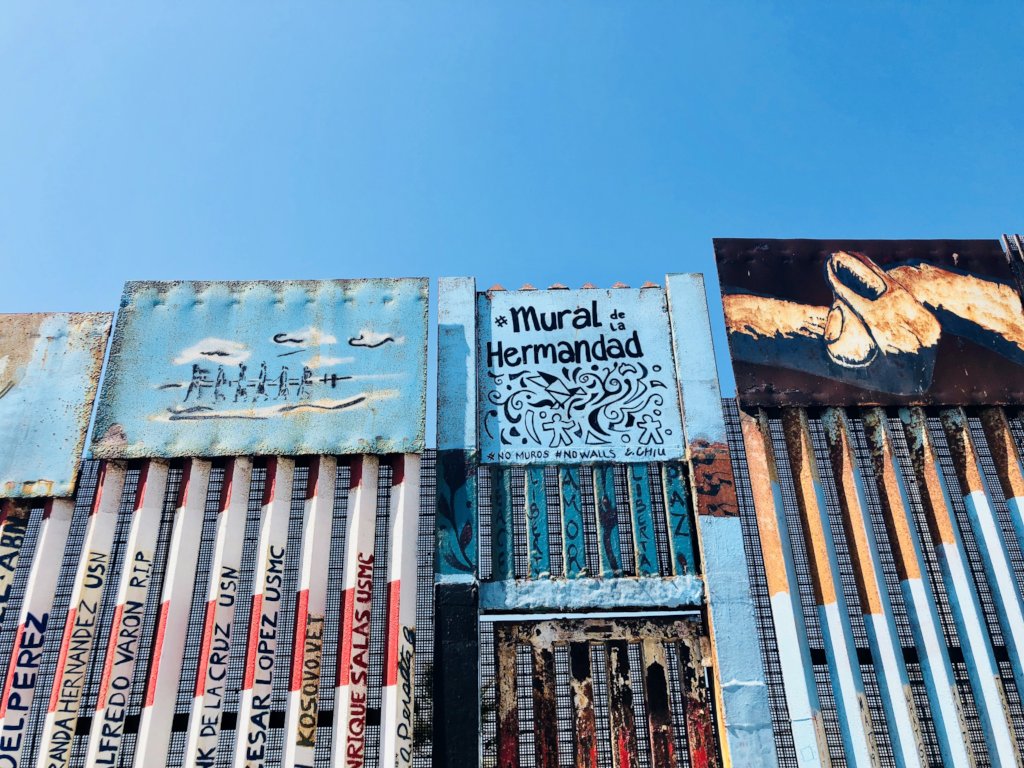
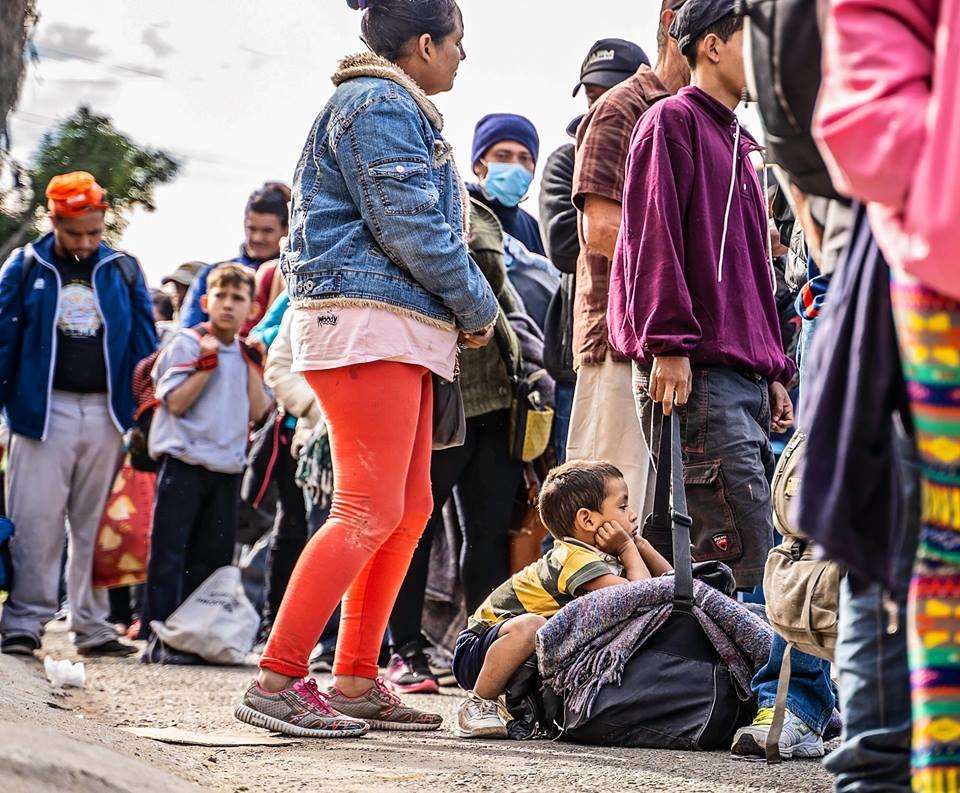
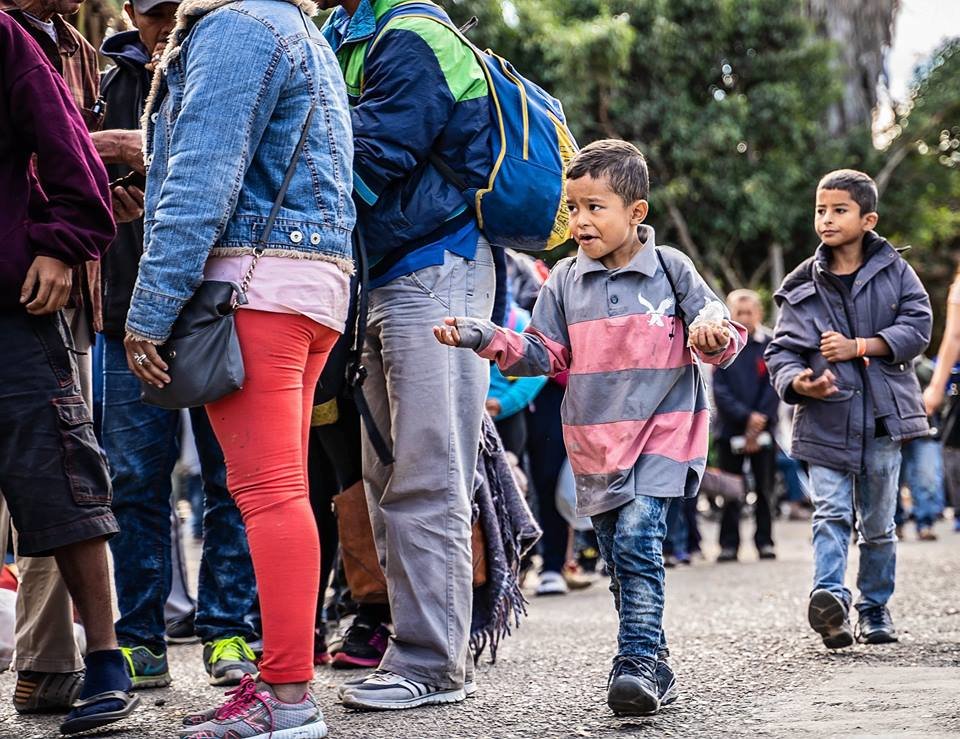
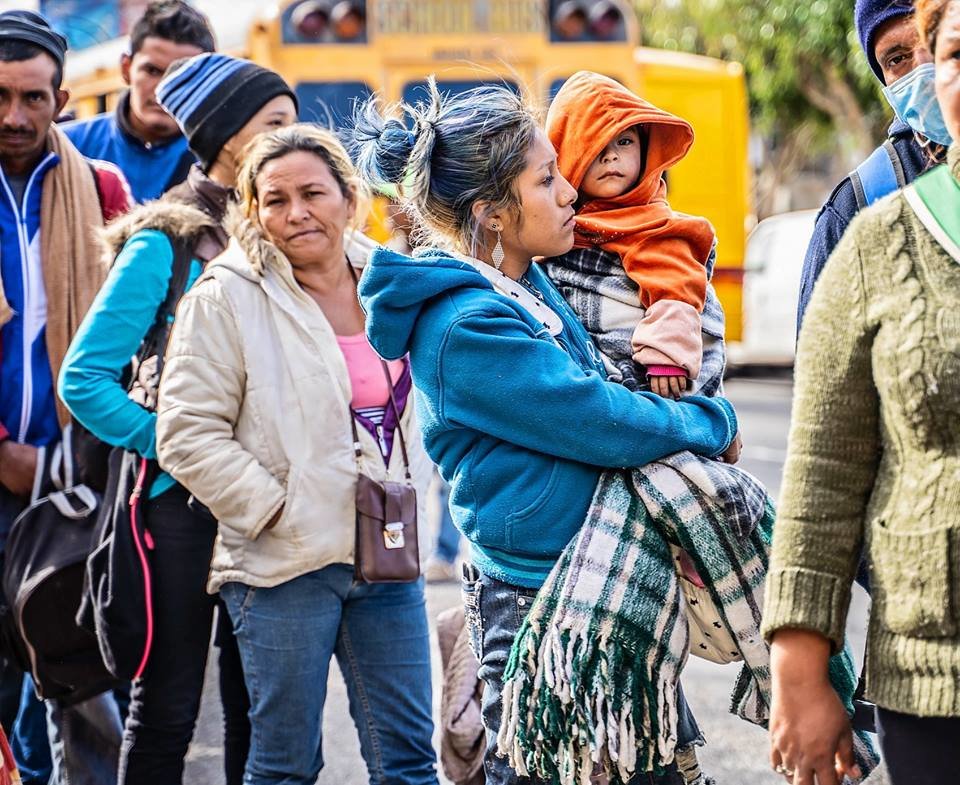
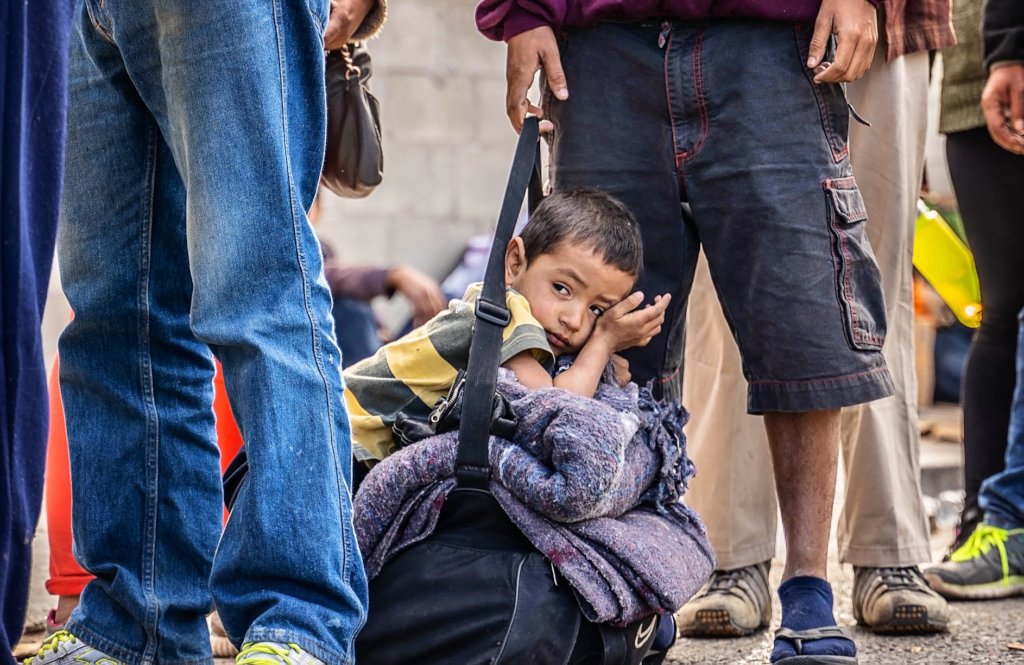
The International Community Foundation (ICF) is proud to continue its collaboration with a strong and committed network of civil society organizations working throughout the U.S.-Mexico border region to welcome, support, and accompany migrants, refugees, asylum seekers, and deportees. These local organizations remain on the front lines, responding to urgent humanitarian needs while also helping individuals and families navigate the complex and often uncertain circumstances they face.
The lasting effects of the COVID-19 pandemic, combines with evolving U.S. and Mexican border policies and ongoing disruptions to migration and legal immigration processes, continue to have significant consequences for communities throughout Tijuana and the broader border region. For many migrants and deportees, prolonged uncertainty has meant extended periods without stable access to housing, healthcare, employment, education, and other essential services. Local organizations have consequently faced sustained and, in many cases, growing demand for their services.
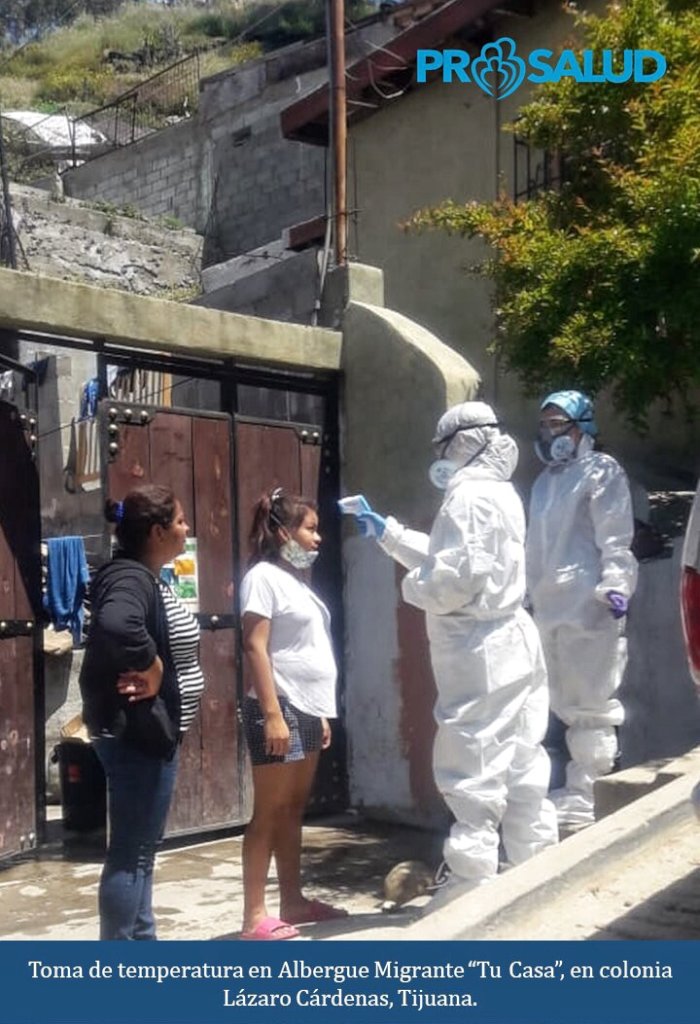
In response to these challenges, ICF began grantmaking in March 2020 to support local nonprofit organizations providing critical assistance to vulnerable migrants and deportees. Early investments helped organizations respond to the immediate effects of the pandemic by providing personal protective equipment, food, medicine, shelter, and legal services. Over time, this support. has evolved to address both urgent humanitarian needs and the longer-term infrastructure required to strengthen the region's capacity to respond to migration and displacement.
With the partnership and generosity of our funders, ICF has leveraged an estimated $6 million in philanthropic resources to support vulnerable families and communities along the U.S.-Mexico border. This investment has helped sustain a diverse network of local organizations while strengthening their ability to respond to changing circumstances and emerging needs. Our approach continues to emphasize the importance of locally led solutions and the expertise of organizations that are deeply rooted in the communities they serve.
Our work has also expanded beyond immediate material assistance to recognize the broader social and emotional needs of migrant communities. For example, iCF has joined with partners including This is About Humanity and Cross Border Xpress (CBX) on an annual campaign focused on supporting the mental health and well-being of migrant communities. These collaborative efforts reflect the importance of addressing the full range of challenges faced by individuals and families navigating migration, displacement, and separation.
Continued Needs in 2026
In 2026, migrants and deportees continue to face significant barriers to accessing legal immigration processes and obtaining stable legal status. Limited pathways and lengthy proceedings have left thousands of people in the border region waiting for resolution while navigating prolonged periods of uncertainty. For families already experiencing displacement or economic hardship, these delays can compound existing vulnerabilities.
At the same time, limited access to healthcare, nutritious food, stable housing, employment opportunities, and other essential resources continues to place additional pressure on migrant and deportee communities. Shelters and other service providers that have opened their doors to these populations are operating under considerable strain, with many reaching or exceeding their capacity. As demand remains high, organizations are working to provide essential services with limited financial and human resources.
These circumstances underscore the importance of sustained philanthropic support. While immediate assistance remains critical, local organizations also need resources that allow them to maintain staff, strengthen infrastructure, expand programming, and prepare for continued fluctuations in migration patterns and community needs.
ICF's Ongoing Response
As it has throughout this period of rapid change, ICF continues to engage its current and former grantee partners to assess conditions on the ground and identify the most pressing needs in their communities. Our team remains in close communication with local leaders and service providers whose firsthand knowledge allows us to better understand emerging challenges and direct resources where they can have the greatest practical impact.
ICF is working alongside our network of donors, philanthropic partners, and civil society organizations to mobilize additional financial support for both immediate and longer-term needs. Current priorities include food, shelter, hygiene products, and safe learning and play spaces for children and youth. These basic services provide critical stability for famileis navigating circumstances that are often beyond their control.
At the same time, iCF remains committed to supporting a broader continuum of services, including legal assistance, medical supplies and treatment, mental health and psychosocial support, and employment and job recovery initiatives. By investing in these areas, we aim not only to help address immediate needs but also to strengthen pathways toward greater stability, dignity, and self-sufficiency for migrants, deportees, and their families.
Looking Ahead
The challenges facing migrant and deportee communities in the U.S.-Mexico border region continue to evolve, but the commitment of local civil society leaders remains steadfast. These organizations are responding every day with creativity, compassion, and determination, often under extraordinary difficult circumstances. Their deep relationships within their communities make them essential partners in ensuring that vulnerable individuals and families are not left without support.
In these challenging times, ICF continues to draw inspiration from the generosity of our donors and the courage of our local partners–the leaders and organizations working directly with communities, adapting to changing conditions, and taking meaningful action to ensure that people have access to the resources and support they need.
We are grateful for the continued trust and partnership that making this work possible. Together, we can continue strengthening the network of organizations serving the border region and investing in solutions that respond not only to today's urgent needs, but also to the longer-term resilience and well-being of the communities we serve.
Project reports on GlobalGiving are posted directly to globalgiving.org by Project Leaders as they are completed, generally every 3-4 months. To protect the integrity of these documents, GlobalGiving does not alter them; therefore you may find some language or formatting issues.
If you donate to this project or have donated to this project, you can receive an email when this project posts a report. You can also subscribe for reports without donating.



Support this important cause by creating a personalized fundraising page.
Start a Fundraiser