By Abhishek Narayanan | Officer In-charge
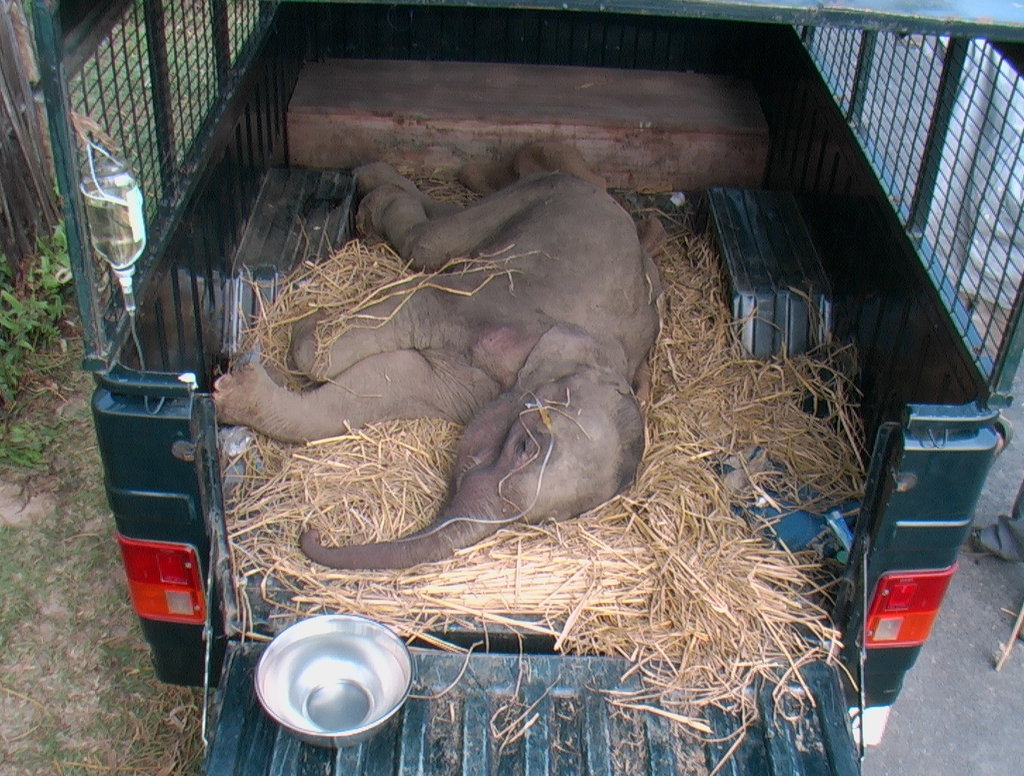
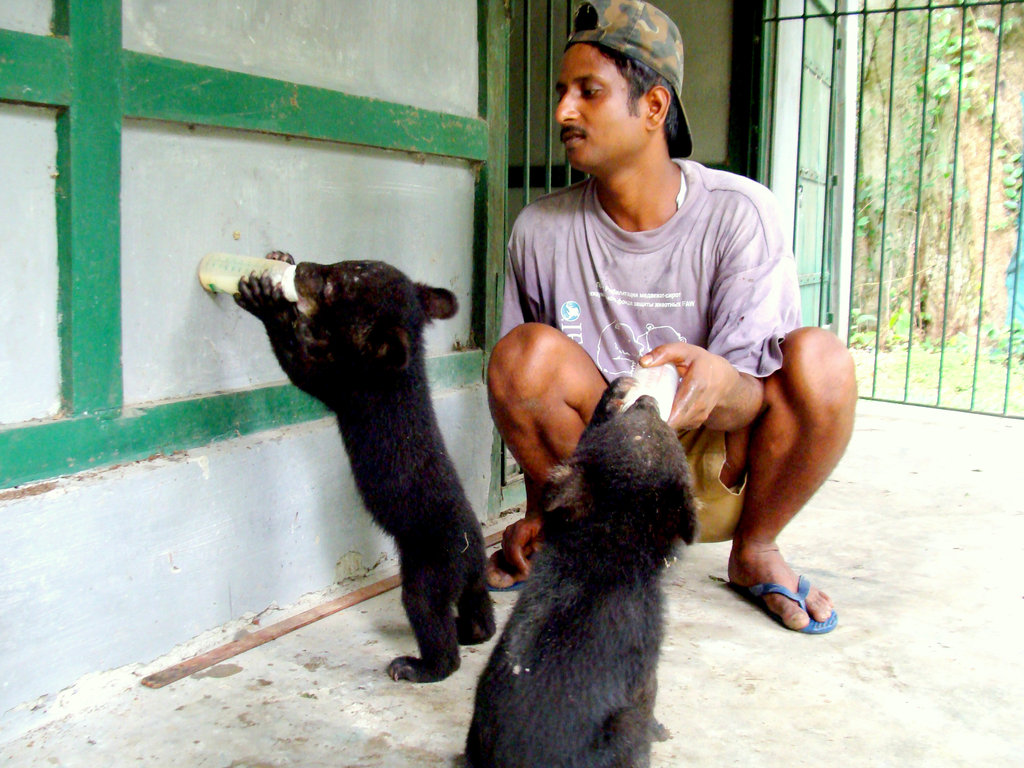
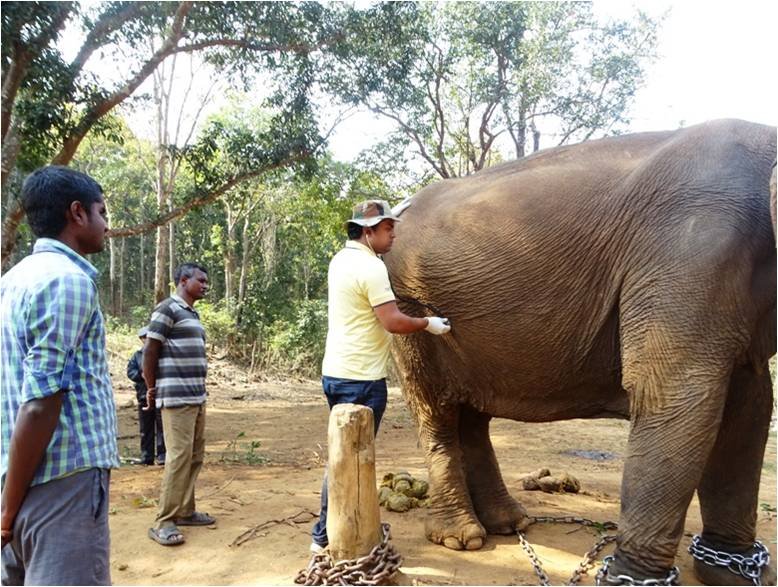
Till date, the Wildlife Trust of India (WTI) has successfully saved about 4300 individual animal lives, vaccinated more than 12000 livestock around fringes of protected areas, and provided healthcare support to 1000 captive elephants through its six Mobile Veterinary Service (MVS) units.
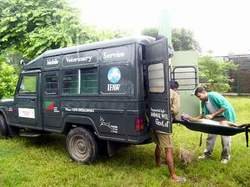
The Field Director- Similipal Tiger Reserve, Odisha, approached WTI in setting up a rescue center-cum-MVS unit operating from Similipal Tiger Reserve. The forest department in Similipal informed WTI that they have been attending to cases of wildlife emergencies for almost two years now through their local infrastructure. The field director indicated that they had attended to 66 cases since 2011. The affected wildlife belonged to various species of mammals (elephants, fishing cat, pangolin, mouse deer, etc.), birds (owls, parakeets, hornbill, etc.) and reptiles (banded krait, python, chameleon, etc.). The MVS unit in Similipal Tiger Reserve was officially launched on 15th May 2014.
Similipal Tiger Reserve, located in the northern part of Orissa’s Mayurbhanj district, is spread over 2750 sq. km and is home to the highest number of tigers in the state apart from over 54 other species of mammals, 304 species of birds, 60 species of reptiles, 21 species of frogs, 38 species of fish, 164 species of butterflies and 1078 species of plants. The 1,555.25 sq. km Similipal Buffer Zone has 65 villages, with a population of over 12,500 people, mostly within the Reserve Forest. An estimated 250,000 people from nearly a dozen tribal denominations reside in over 400 villages on the fringes of Similipal Tiger Reserve. The MVS-STR is conveniently located at the fringe of STR at Pithabada Wildlife Range Office in Baripada and poised to immediately respond to any wildlife emergency which may arise. The main objective of the MVS unit is to return every displaced animal to the wild while following the IUCN guidelines on translocation and placement of confiscated animals. The unit is served by a small field station that will have basic facilities to accommodate temporarily displaced animals till their release. Non-releasable animals are sent to zoos for lifetime care and breeding. The unit by its presence helps to create awareness drives amongst the local villagers on how to deal with and respond to different conflict scenarios.
There were 11 cases of elephant deaths due to Anthrax till Jan 16, considering the situation ADRI team came to study the source of infection and suspected that the infection may be due to infected water, so they suggested collecting water sample from different natural streams in 500 meters distance of recorded congregation areas in the Tiger reserve.
MVS-SBR unit assisted in collecting- blood and Soil samples from different elephant carcasses who are suspected to die due to Anthrax , and water sample and submitted it to ADRI, Cuttak lab and Odisha Veterinary College for confirmatory Diagnosis.
On 9th February MVS-SBR team attended a Rescue case of one injured Barking deer bitten by dog at Pithabata .Later it was given treatment and drip at MVS station but due to its massive injury it succumbed to death just after half an hour.
On 11th February MVS-SBR team attended a snake rescue case along with FVO,DR. P.Soren at Bhanjpur Ward No. 18 The Checkered Keel Back was released back after its proper examination in nearby area as per protocol.
Links:
Project reports on GlobalGiving are posted directly to globalgiving.org by Project Leaders as they are completed, generally every 3-4 months. To protect the integrity of these documents, GlobalGiving does not alter them; therefore you may find some language or formatting issues.
If you donate to this project or have donated to this project, you can receive an email when this project posts a report. You can also subscribe for reports without donating.