By Aanchal Saxena | Assistant project officer
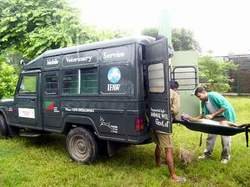
MVS unit is commissioned in places where either (or all) of these following wildlife emergencies are reported: (i) high incidents of human-wildlife conflict, (ii) frequent wildlife displacements due to man-made and natural calamities, and (iii) reports of wildlife health issues like epidemics due to infectious and non-infectious diseases. The unit is manned by a veterinarian and animal keeper, both trained in their respective fields of expertise. The MVS vehicle is equipped with all the tools essential for realizing its objectives of that is centred around the following six areas of reliefs:
a) Swiftly respond to wildlife emergencies due to natural and man-made calamities: Floods, cyclones, landslides and poisoning are some of the calamities that affect wildlife on a regular basis. Emergency relief to wildlife in distress during such disasters in the form treatment, stabilization and accommodation is one of the primary objectives of the MVS units
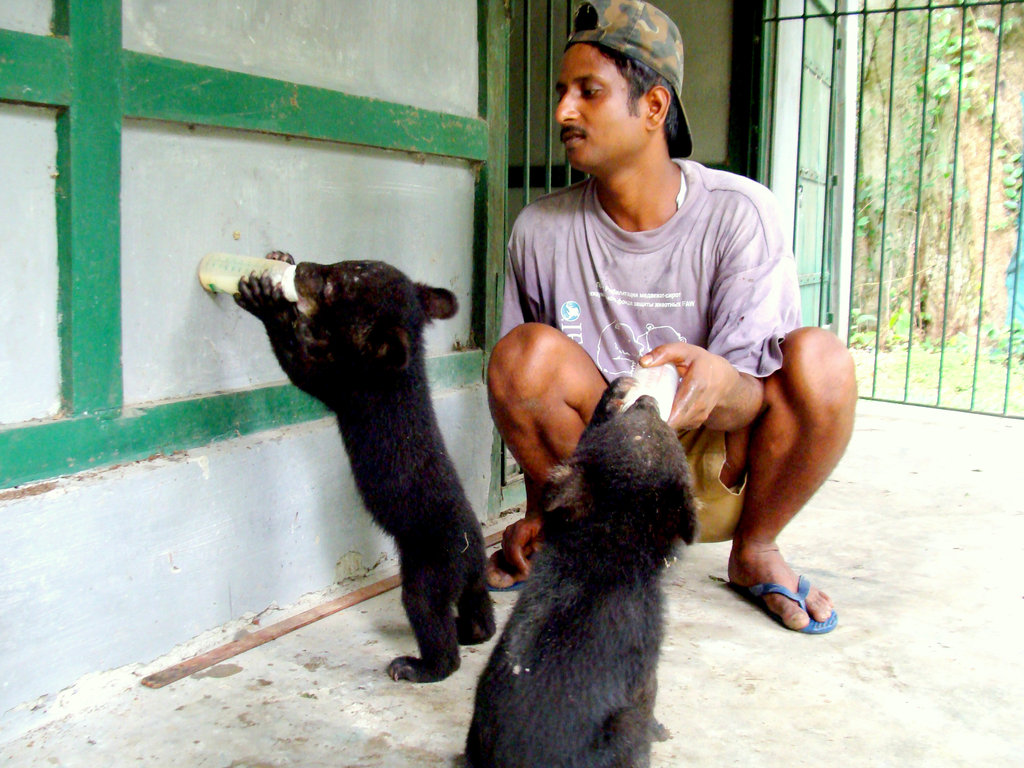
b) Rehabilitation of wild animals, including orphans, displaced due to various reasons: The unit through its associated rescue centre aims to admit, hand-raise and finally rehabilitate orphaned wildlife back to the wild
c) Assist the Forest Department in conflict animal management:Conflict with leopards, elephants, and bears are on the increase and WTI’s MVS vets are frequently called upon to address conflict animal management issues
d) Veterinary care of the captive elephants, especially that of the Forest Department: MVS vet routinely provides treatment and conducts regular health check-ups on elephants that are used as working animals by the forest department for patrolling and tourism purposes.
e) Disease investigations during sporadic deaths and epidemics: Investigating the cause of deaths and prevalence of diseases in wildlife is essential for prevention and control disease transmission. MVS veterinarians attend to postmortems of wildlife that die in the wild to determine the cause of death and if needed implement appropriate and suitable control measures.
f) Protecting wildlife from infectious diseases of livestock through immunization: Thousands of livestock living around the protected areas in India pose a great threat to wild animals that regularly share a common interface. The MVS units organize regular immunization camps for livestock in the villages to protect wildlife against diseases.
The Similipal TR authorities informed WTI that they have been attending to cases of wildlife emergencies for almost two years now through their local infrastructure. The Field Director in 2014 indicated that they had attended to 66 cases since 2011
The main objective of the MVS unit is to return every displaced animal to the wild while following the IUCN guidelines on translocation and placement of confiscated animals. The unit will be served by a small field station that will have basic facilities to accommodate temporarily displaced animals till their release. Non-releasable animals will be sent to zoos for lifetime care and breeding. The unit by its presence in the area will also help to create awareness drives amongst the local villagers on how to deal with and respond to different conflict scenarios.
The MVS Similipal Unit attended to a total of 17 cases of wildlife displacements in the reporting period (April – September 2016). These include 8 cases of mammals (7 species), 2 cases of birds (2 species) and 7 cases of reptiles (5 species).
Conflict with leopards, elephants, and bears are on the rise and the MVS vets are frequently called upon to address conflict animal management issues.
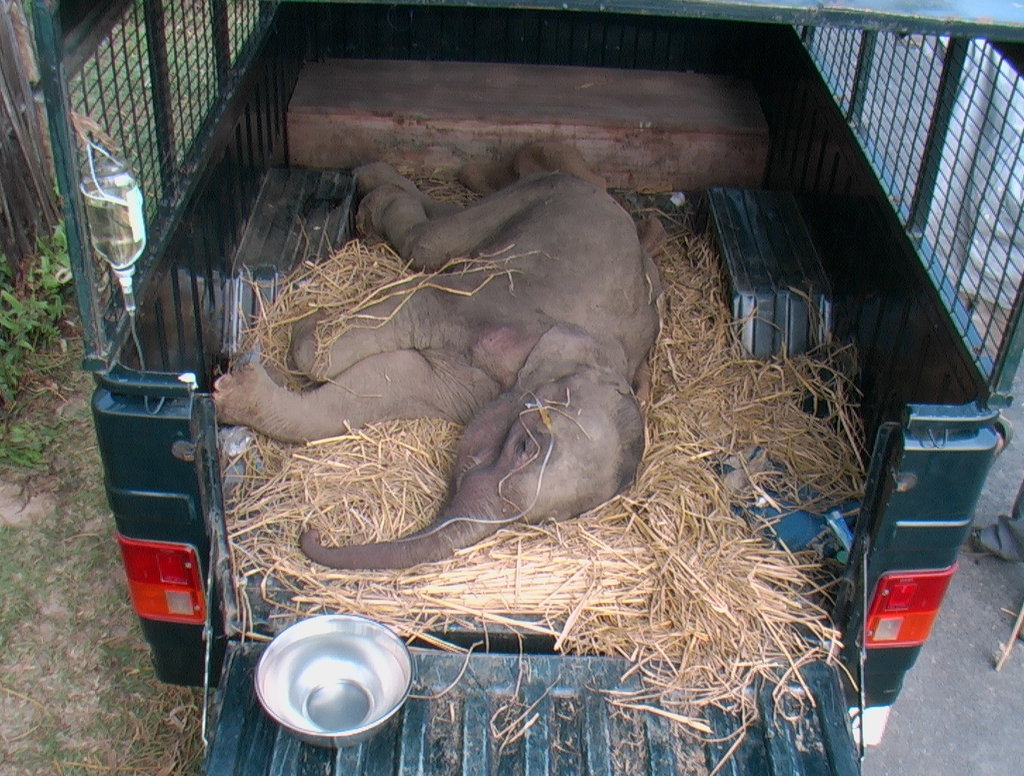
The MVS veterinarian was instrumental in assisting in the care and providing treatment to the orphaned elephant calf, Bablu (20 months) that was rescued in December 2014 and is in captivity under the Similipal Forest Department.
Project reports on GlobalGiving are posted directly to globalgiving.org by Project Leaders as they are completed, generally every 3-4 months. To protect the integrity of these documents, GlobalGiving does not alter them; therefore you may find some language or formatting issues.
If you donate to this project or have donated to this project, you can receive an email when this project posts a report. You can also subscribe for reports without donating.