By Dr. Yehdua Stolov | Executive Director
August 27th, 2025
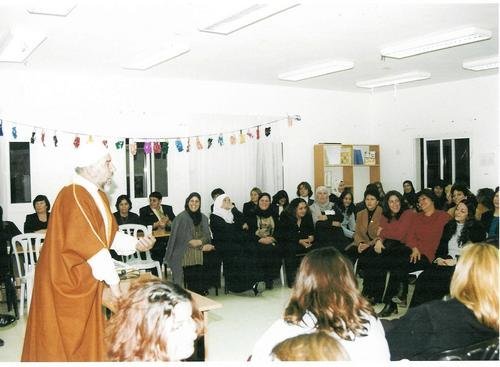
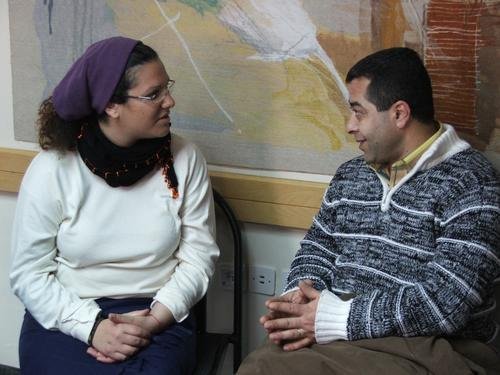
This encounter focused on Tisha B'Av, which was not long ago, and on fasts in Judaism and Islam.
Omer brought a midrash describing the social phenomenon of people who refrained from eating meat and drinking wine after the destruction of the Temple because they had been used for sacrifices there and now stopped. It describes how Rabbi Yehoshua told them that according to their approach, one cannot eat bread or fruit or drink water, because they all served the Temple, and thus one cannot live. What one must do is follow the symbols of mourning prescribed by the sages, but one must continue with life.
In another midrash, Rabbi Akiva says that the fact that the prophecy about the destruction came true indicates that the prophecy about the resurrection will also come true, and this strengthens optimism even in difficult moments.
In Judaism, most fasts are associated with various stages in the destruction of the Temple, except for Yom Kippur, which is a holiday in which fasting is associated with repentance from sins and spiritual ascension.
Ramadan is more similar to Yom Kippur in this sense. There is an additional daily prayer – Tarawih, with seven prostrations. The meaning of the prayer is a request from God – and you always receive something: either something that I lacked, or prevention of harm, or a merit at the end of life. And you can also ask in prayer for personal needs.
September 30th, 2025
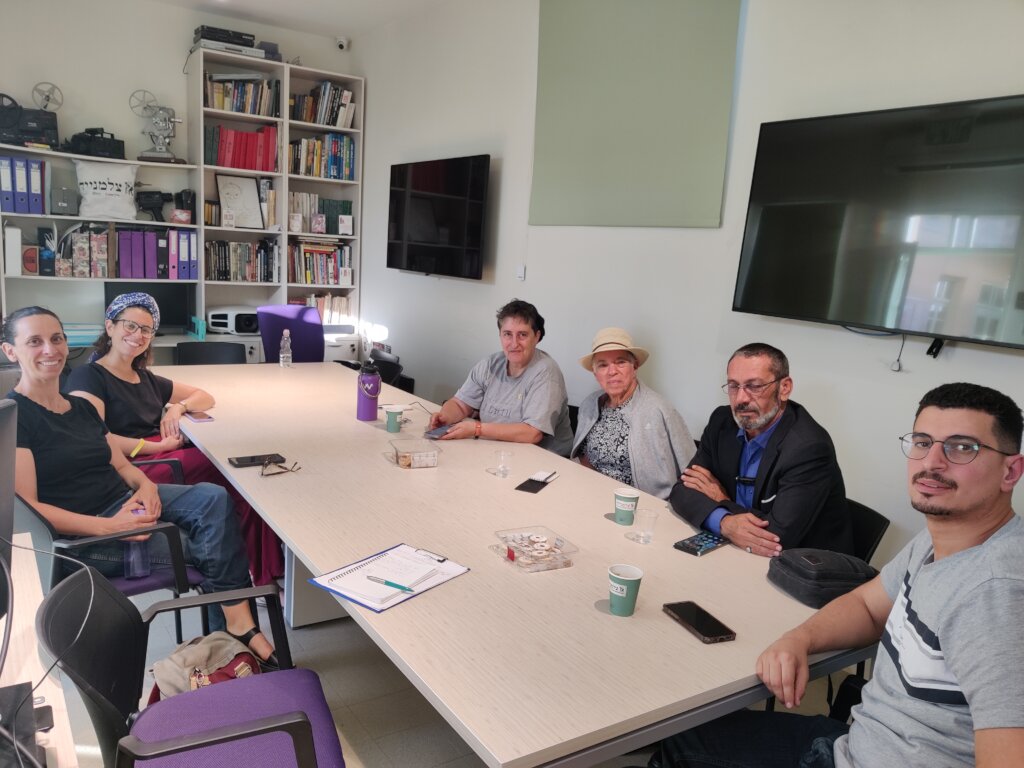
The group had a lively and fascinating conversation about repentance.
Omar opened by explaining that in Islam there are two states of repentance: general entry into Islam – which requires physical ablution and a declaration of faith that there is no god but Allah and that Muhammad is his prophet. The second state is the correction of a specific sin/mistake that was made in violation of Sharia. Here, four conditions are needed: to stop the wrongdoing, to express sorrow for the sin, to have a strong will not to repeat the mistake, and to repair the damage caused to other people (for example, to return something that was taken).
The Jewish participants responded and said that in Judaism it is very similar. The specific sins are divided into sins that are only against God – in which case a process between the person and God is sufficient, which includes approximately the first three conditions listed by Omar, and sins that are also against another person, in which case the damage caused to that person must also be repaired and an apology must be made.
One of the participants shared with us a moving personal story. Due to an injustice he suffered at the company where he worked, he was tempted to steal a saw. After a few years, his conscience made him call the company. When he found out that the saw belonged to a carpenter who had worked there in the past – he searched for him until he found him, and then returned the saw’s value to him and received forgiveness from him.
Links:
Project reports on GlobalGiving are posted directly to globalgiving.org by Project Leaders as they are completed, generally every 3-4 months. To protect the integrity of these documents, GlobalGiving does not alter them; therefore you may find some language or formatting issues.
If you donate to this project or have donated to this project, you can receive an email when this project posts a report. You can also subscribe for reports without donating.



Support this important cause by creating a personalized fundraising page.
Start a Fundraiser