By Kulihoshi M | Coordinator
Pygmies in the Democratic Republic of Congo continue to face problems
Responses
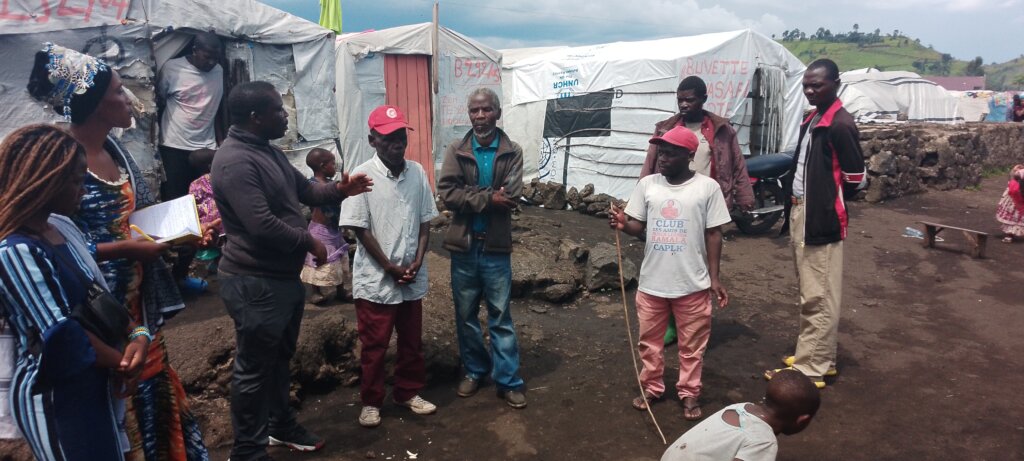
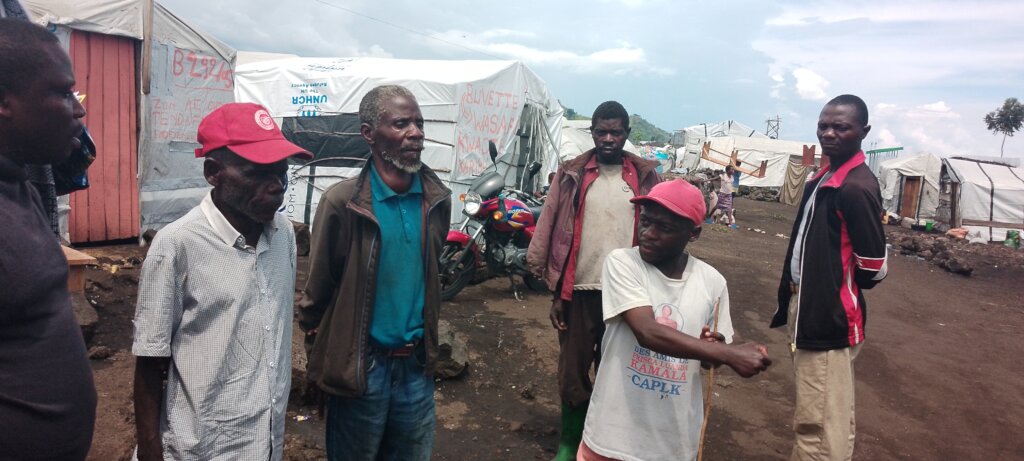
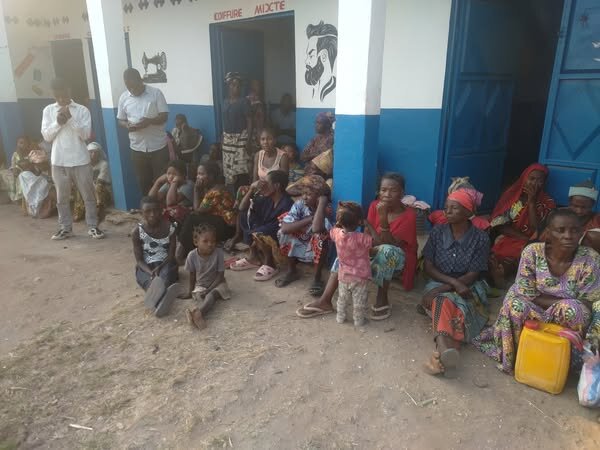
We have organized three information sessions among Pygmies in Kalemie about the cut of relief aid because the United States of America cut the aid, we encouraged Pygmies to look for alternatives in order to survive and request them to learn livelihood activities.
They have a big challenge because they have nothing much to offer to the community but they depend on the good will of other social groups to integrate them and offer them work. As per now our priority is to engage them in agricultural activities so that they easily produce food for themselves and for the communities. Once we get the funds, they can produce food like greens in three months and that can be also consumed in Kalemie City, they can also produce fruits and others types of food. But we do not have the funds as per now.
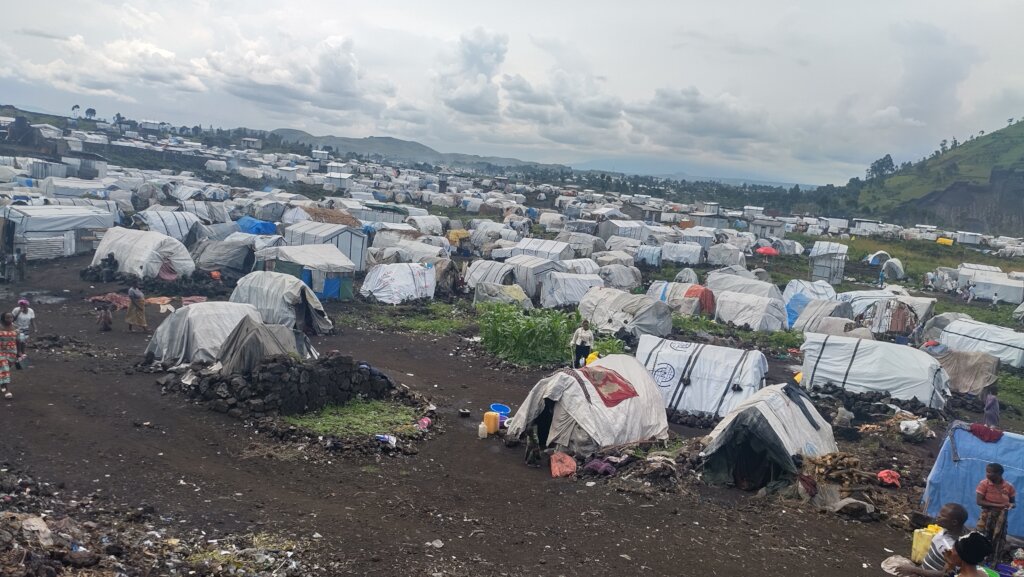
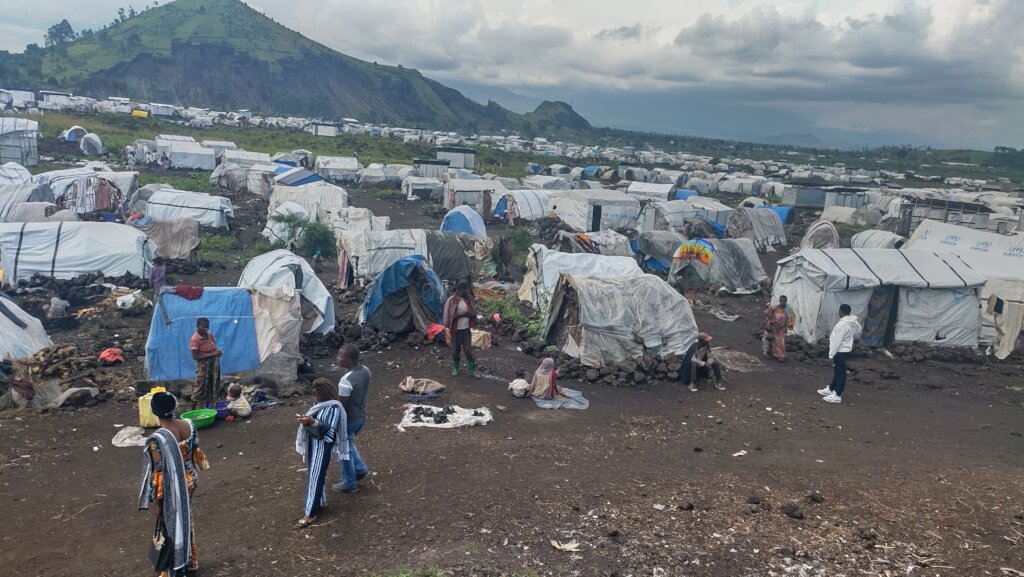
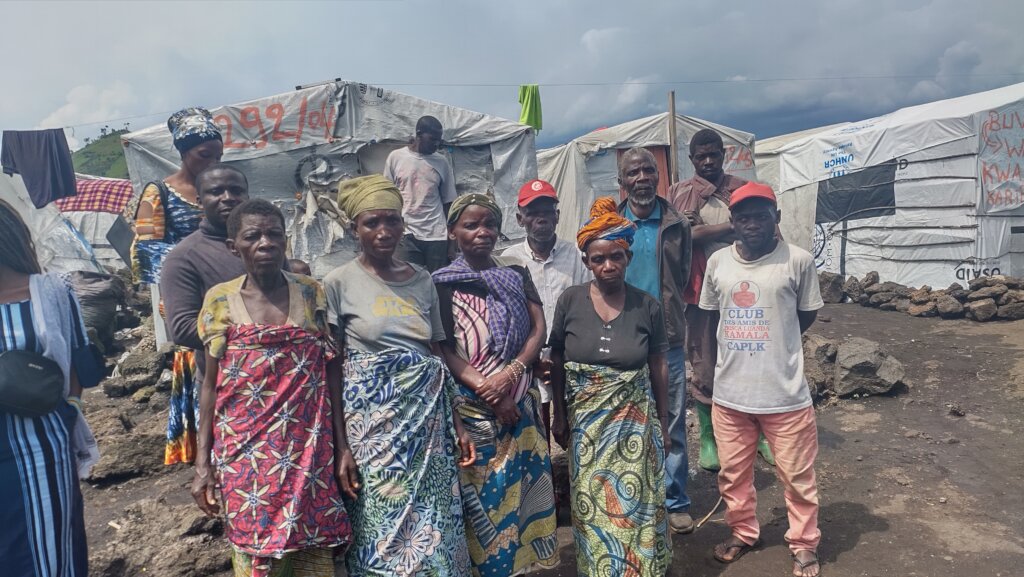
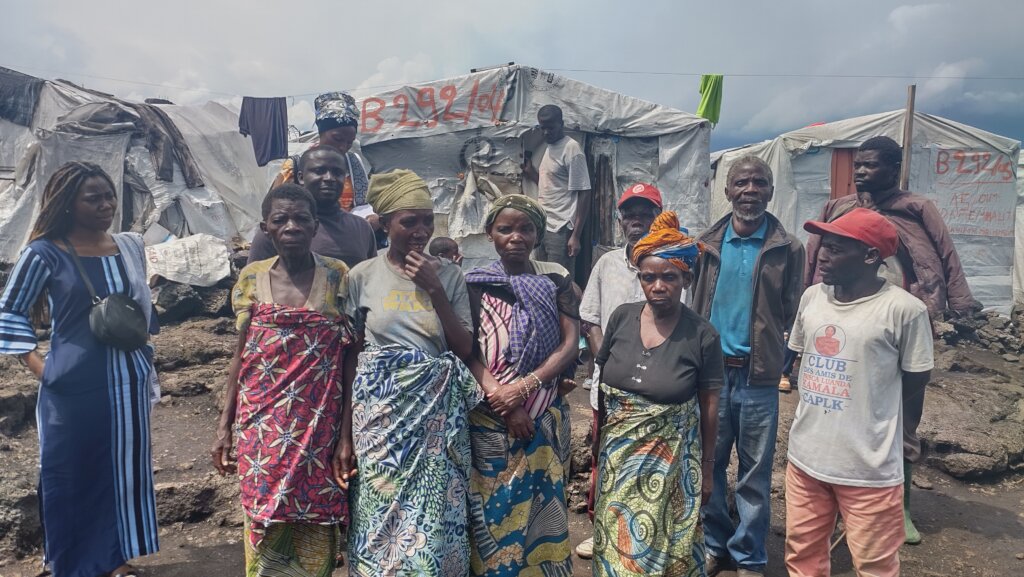
In various Internally Displaced Camps they remain the most vulnerable, because they have no life skill, they were not involved in livelihood activities and they have never trained in such activities.
Pygmies who lived on hunting in the forests over the years, now because of the war and various development activities which affected their forest, thousands found themselves in IDP Camps where they have been surviving on relief aid. In these camps various negative stereotypes and myths were developed against Pygmies which also distanced other actors from supporting them and helping to embrace development. In various camps Pygmies and clearly left out and no efforts are deployed to bring them on board.
The Tanganyika Province in DRC is one among the province which have a large number of Pygmies population in DRC, and in this province at least 70% of the Pygmies population are living in IDP Camps and this has created armed conflicts between them and the other communities.
While we do not have funds to engage them in Income Generating Activities here in Kalemie and around Kalemie, we have managed to engage them in various meetings for perception change and sharing them information about the shortage of humanitarian relief aid currently.
Project reports on GlobalGiving are posted directly to globalgiving.org by Project Leaders as they are completed, generally every 3-4 months. To protect the integrity of these documents, GlobalGiving does not alter them; therefore you may find some language or formatting issues.
If you donate to this project or have donated to this project, you can receive an email when this project posts a report. You can also subscribe for reports without donating.



Support this important cause by creating a personalized fundraising page.
Start a Fundraiser