By Kulihoshi M | Coordinator
Let us integrate Indigenous people in our development plans
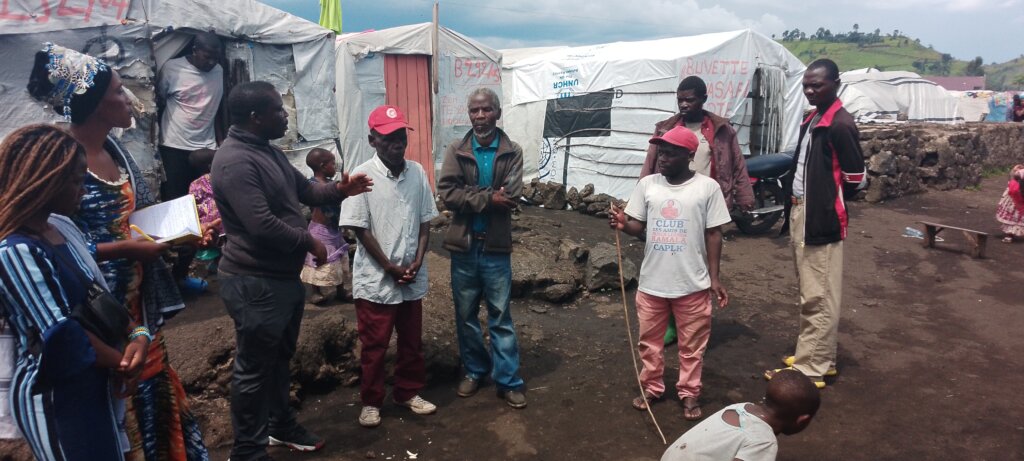
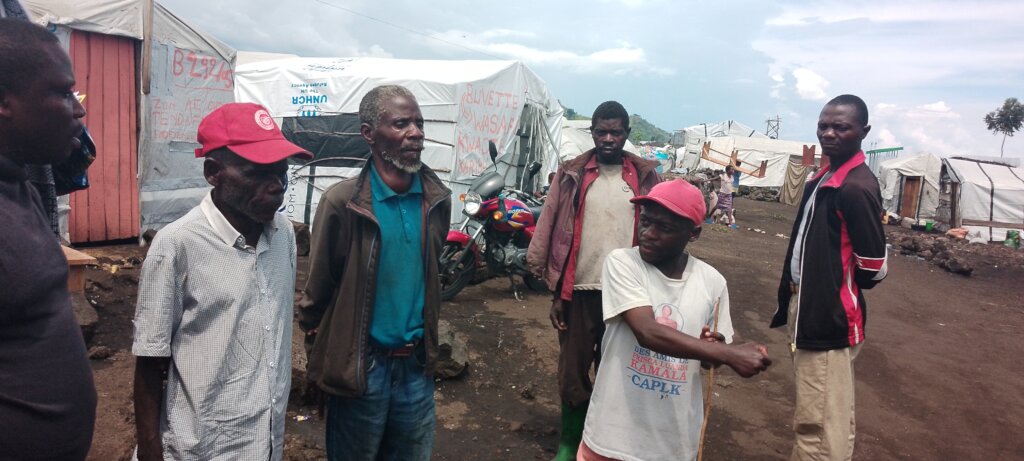
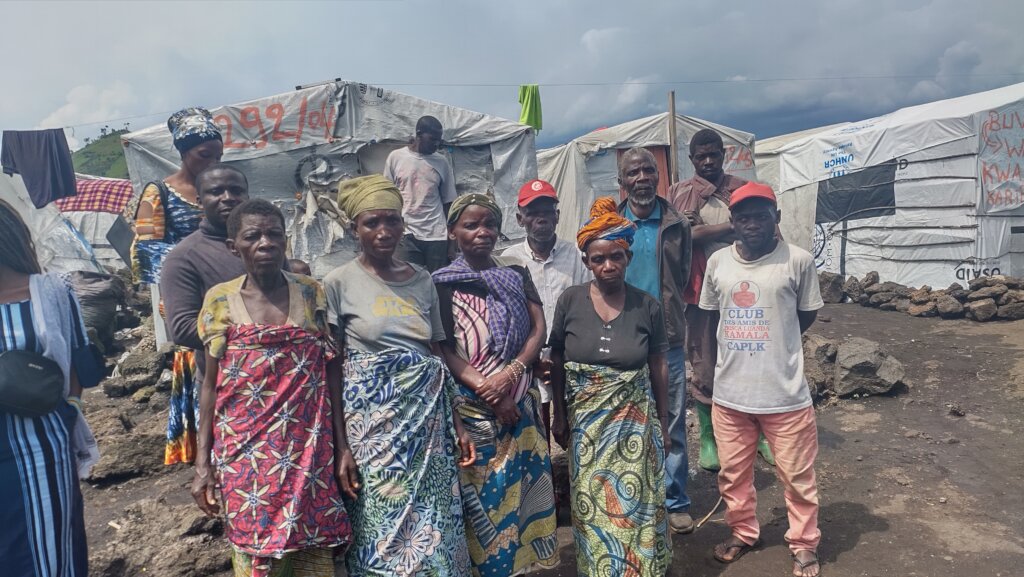
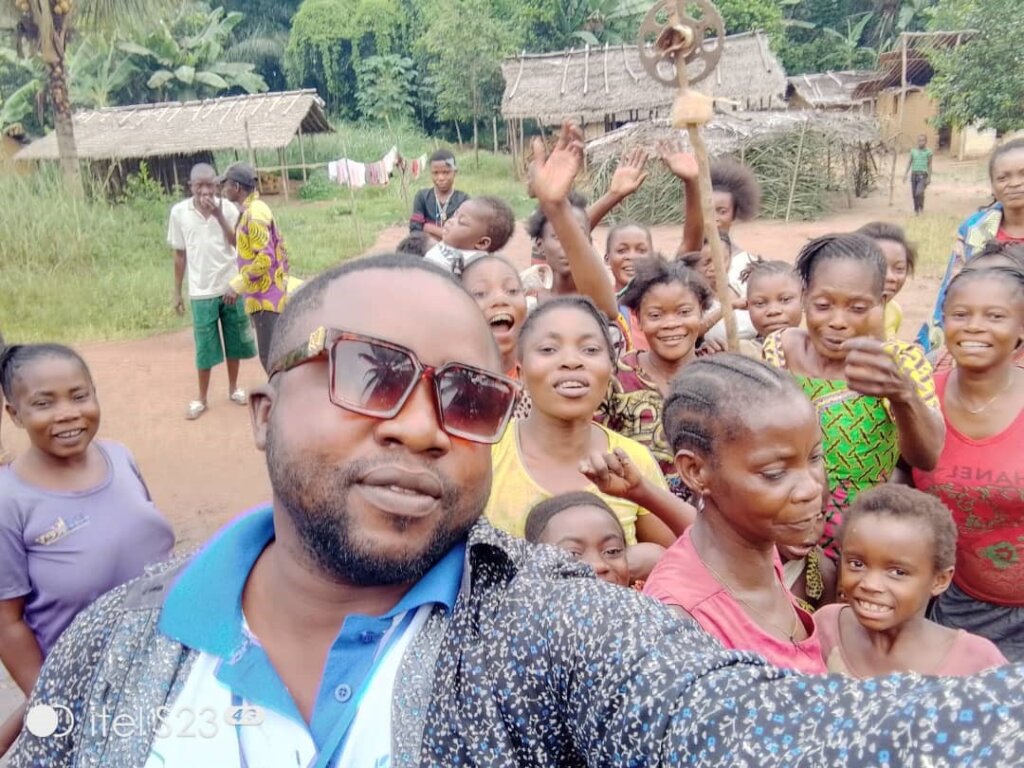
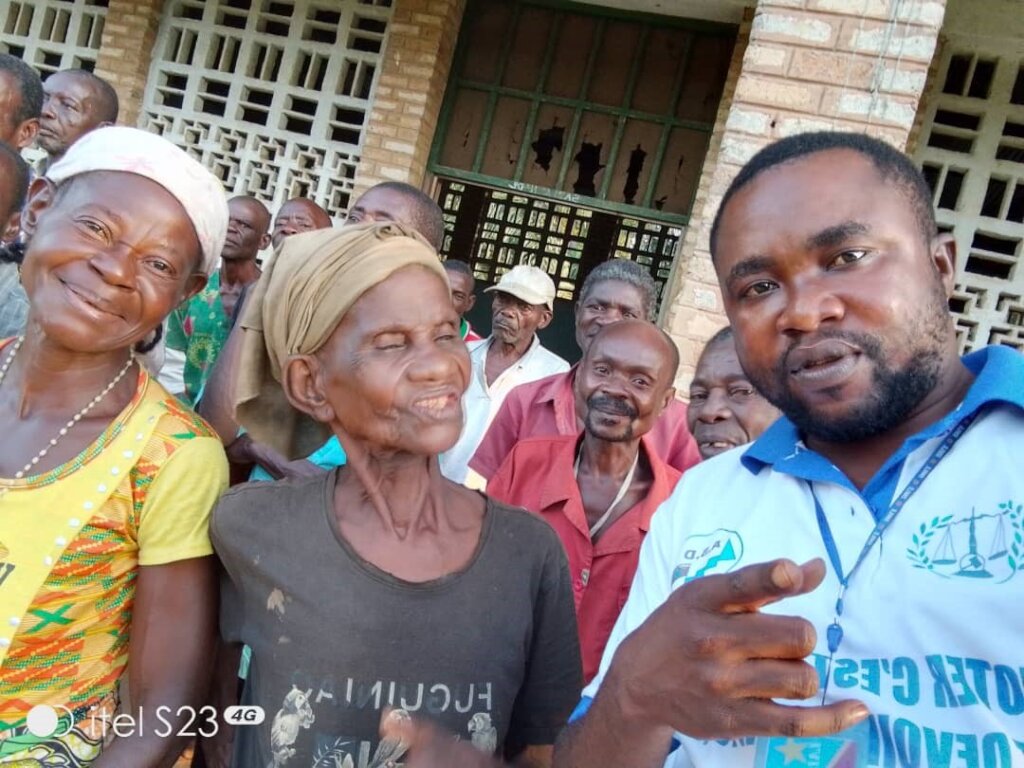
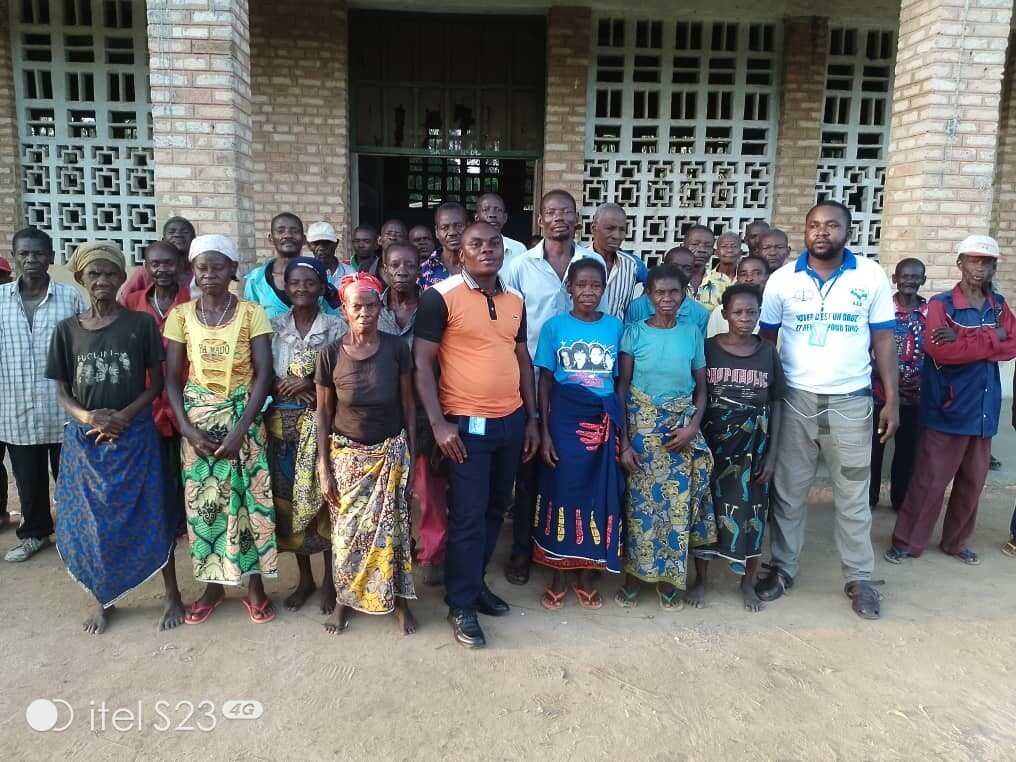
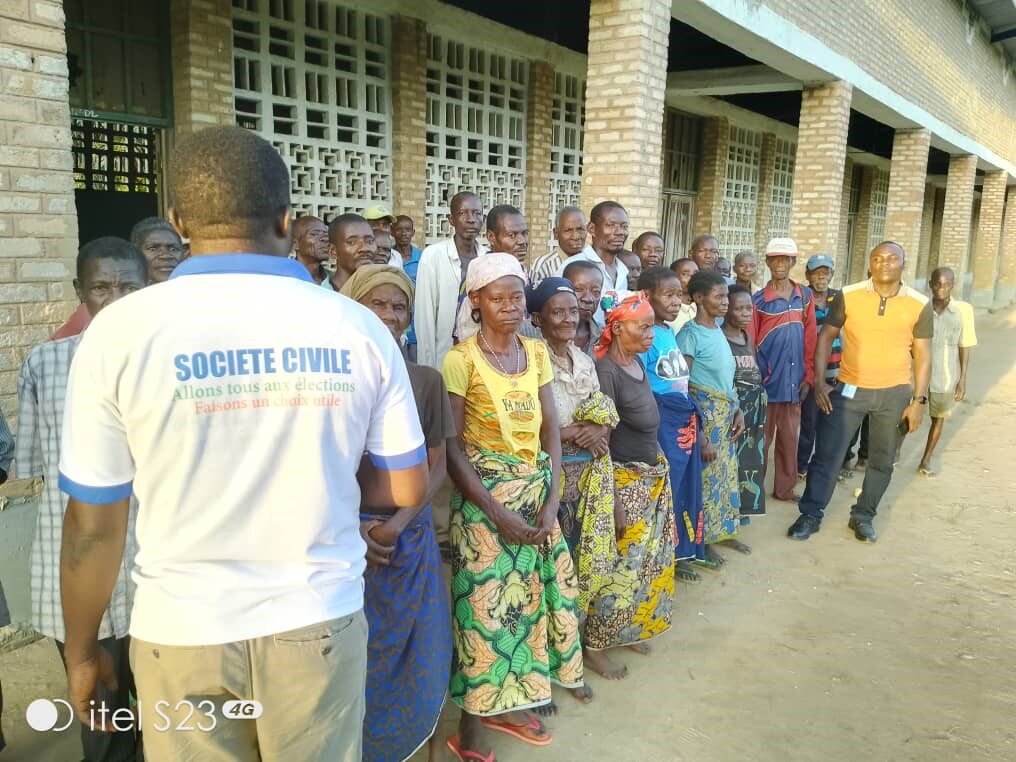
Our activities in Tanganyika and Equateur Provinces are becoming the role model of what we should do in order to end exclusion against Twaa (indigenous people) who are highly discriminated.
First of all they are now included in our staff members at the Provincial levels, so that they can shape our programs in order to take into account the Twaa Community.
Secondly all our interventions are done in the Twaa Communities and then ask other communities especially Bantu to access services in the Twaa Communities. This is unique, most of actors were putting services in Bantu Communities and then ask Twaa to go and access these services, and we are also advocating others to change the approaches.
Thirdly we are now involving them in development activities such as farming and agriculture among others. We are trying to organize them into groups which can help to exercise leadership roles and play various at the community levels.
Twaa people in DRCongo
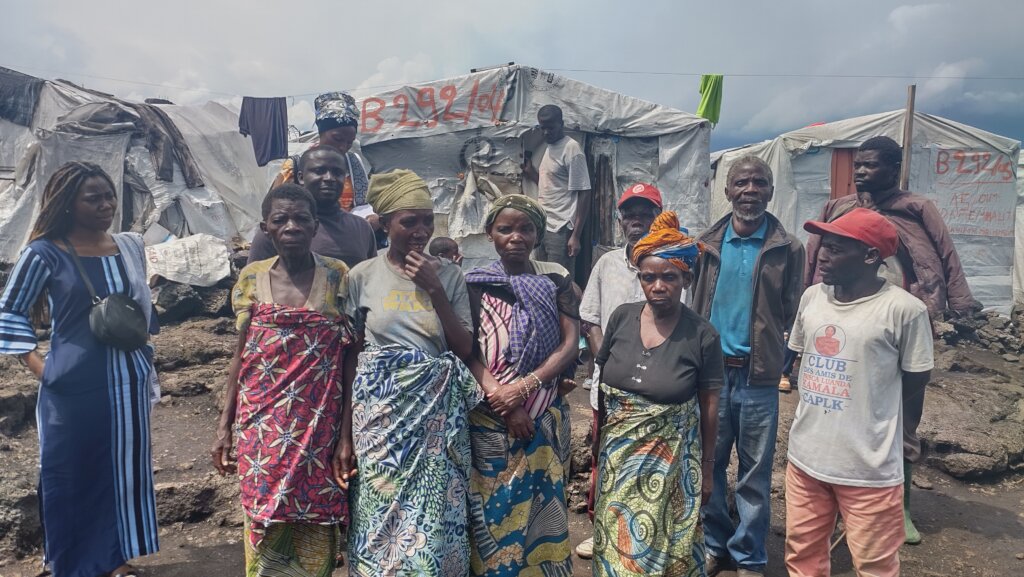
Even if we do not have clear statistics of the population in the Democratic Republic of Congo, certain statistics do estimate Twaa at 20% of the entire DRCongo population. They are known as the indigenous communities. They lived on hunting and collecting fruits from the trees in the forests.
However as Bantu and other Ethnic groups kept on growing, they exploited the forest and created a serious competitions to access and control the forests which later became mostly exploited by the Bantu at the expenses of Twaa. As consequences Twaa lost their livelihood activities as Forests were highly attacked and destroyed by other ethnic groups.
Colonial strategies focused on Bantu and other ethnic groups and totally left a side Twaa Communities who only stayed in their forests up to now.
On top of that the Climate Change also caused a big problem to the Twaa Communities which created hit that caused forests to dry up, and also floods which destroyed places they used to stay, this also killed so many wide animals and destroyed completely many species which were important for their survival.
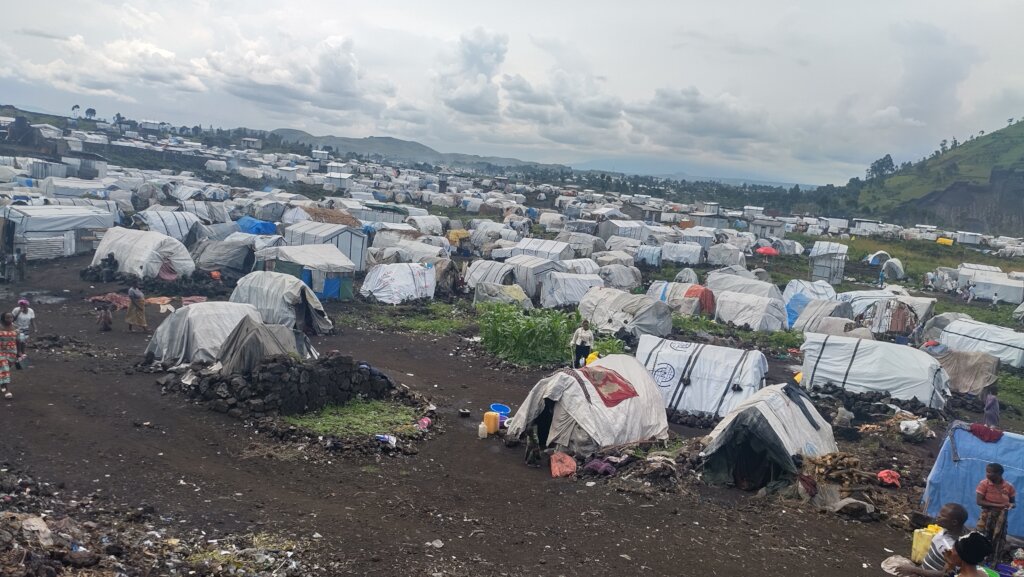
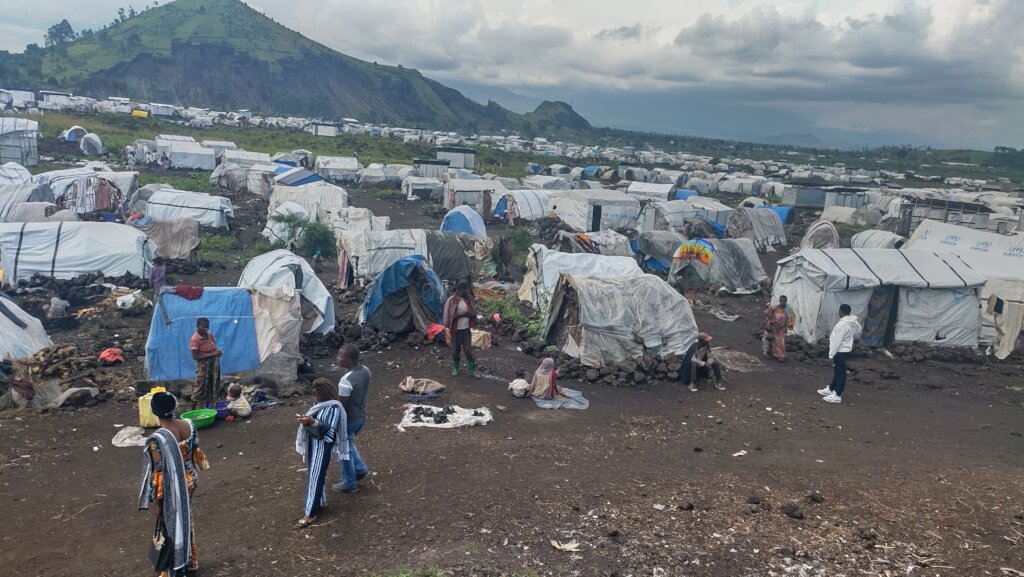
Now, they cannot any more live on the forests, but at the same time they have not accessed education opportunities, they did not acquire skills. In order to survive they attacked other ethnic groups and looted their things such crops in their plantation and animals. This is one among the causes of violence in Tanganyika Province between Twaa and Bantu. The second cause is the relationship between people, Twaa women find it easier to get married to Bantu men because of economic opportunities but Twaa men have problems to marry Bantu women. This is another main cause of the conflict.
Beyond the services in order to skill Twaa communities and capacitate them on livelihood activities, we are also involved in various research and advocacy activities.
Project reports on GlobalGiving are posted directly to globalgiving.org by Project Leaders as they are completed, generally every 3-4 months. To protect the integrity of these documents, GlobalGiving does not alter them; therefore you may find some language or formatting issues.
If you donate to this project or have donated to this project, you can receive an email when this project posts a report. You can also subscribe for reports without donating.



Support this important cause by creating a personalized fundraising page.
Start a Fundraiser