By Amrit Menon | Project Officer, Wild Aid
Securing a future for the Asian elephant and its continued survival in the wild is a major challenge faced by wildlife conservationists. It is not only the biological rate of extinction that is a cause for concern, but the combined effect of attrition of living spaces and human-elephant encounters on the ground that needs to be immediately addressed.
Over the years, humans have made steady inroads into the elephants’ natural habitat through agriculture and settlements. With their habitats now fragmented, degraded and compressed, these mega-herbivores spill into human settlements thereby setting the stage for a highly volatile combat.
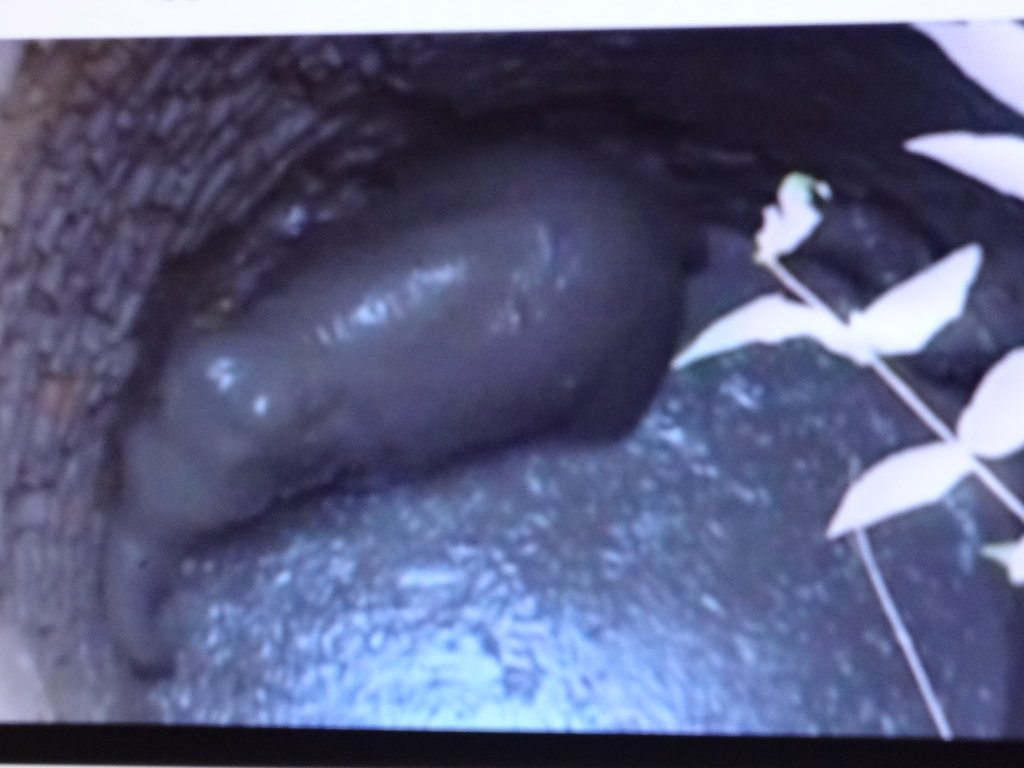
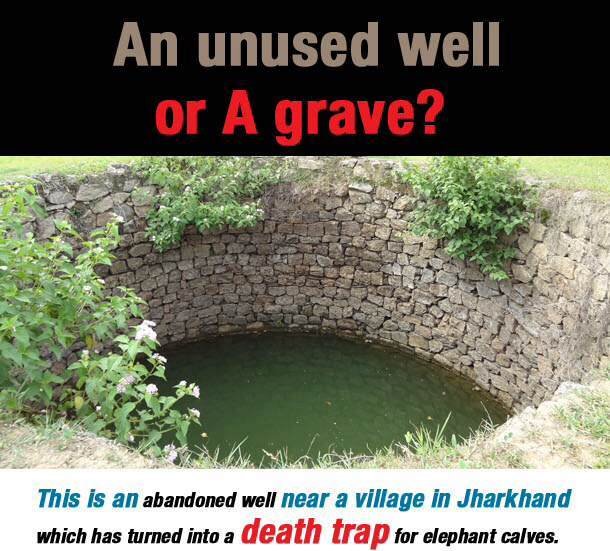
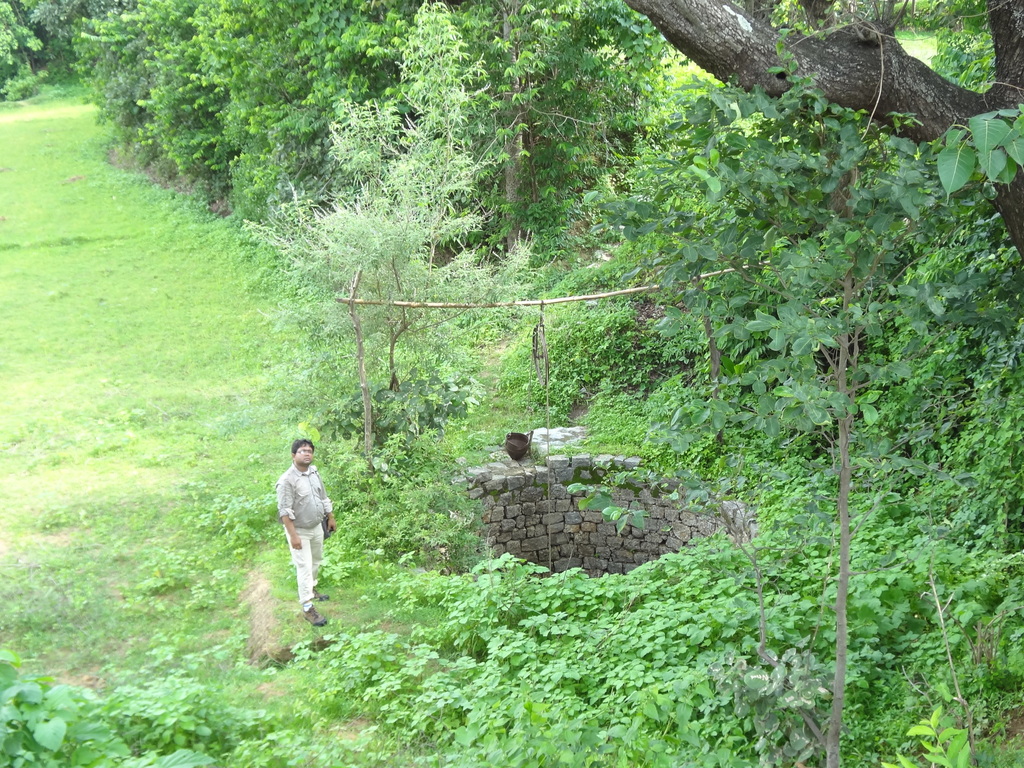
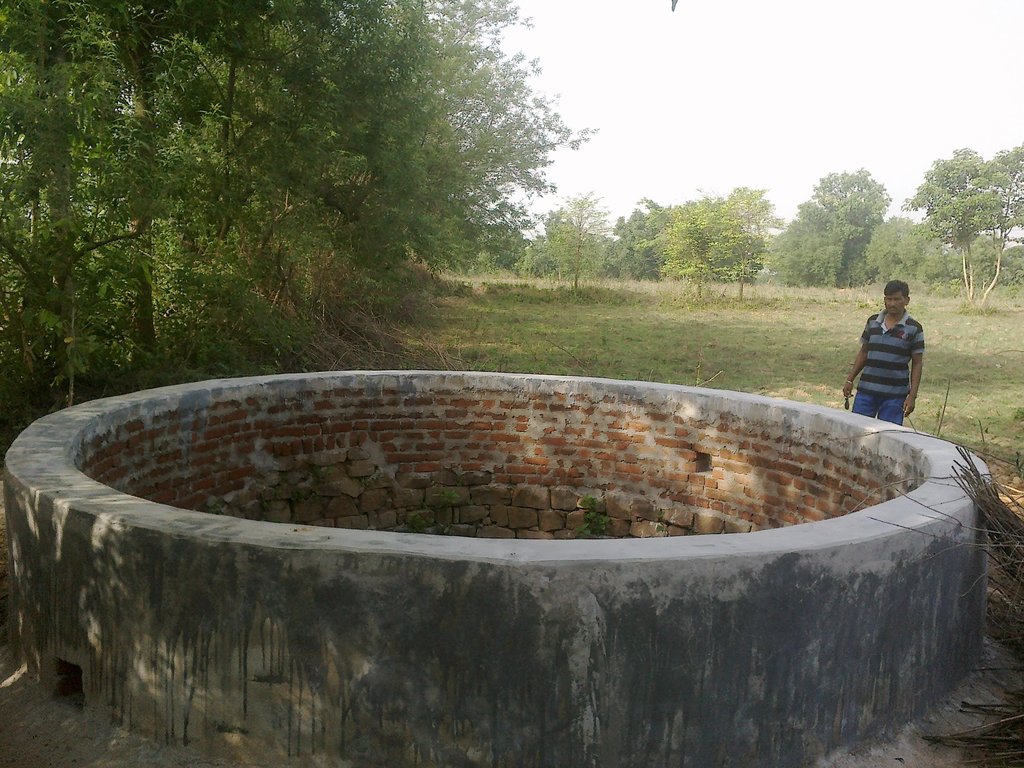
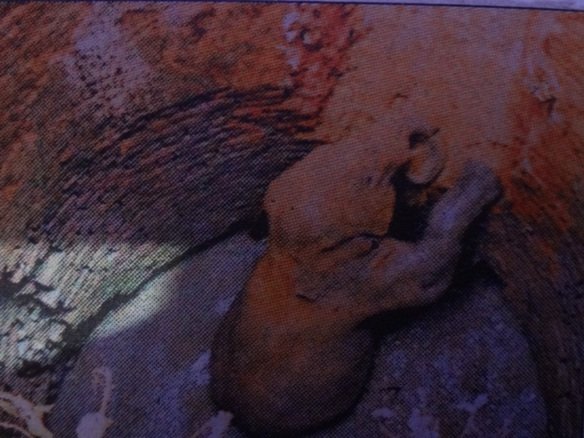
One such situation has been building up in the some villages in Jharkhand that are on the fringes of forest areas. In Reladih village, the farmers had constructed wells to help them in irrigating their fields. Most of these wells have since been abandoned and are not being used by the village community. These unused wells lie open without even a wall around them and in most cases hidden from view. These pose a threat to wild elephant herds in the area, especially for the younger calves which tend to fall into the wells.
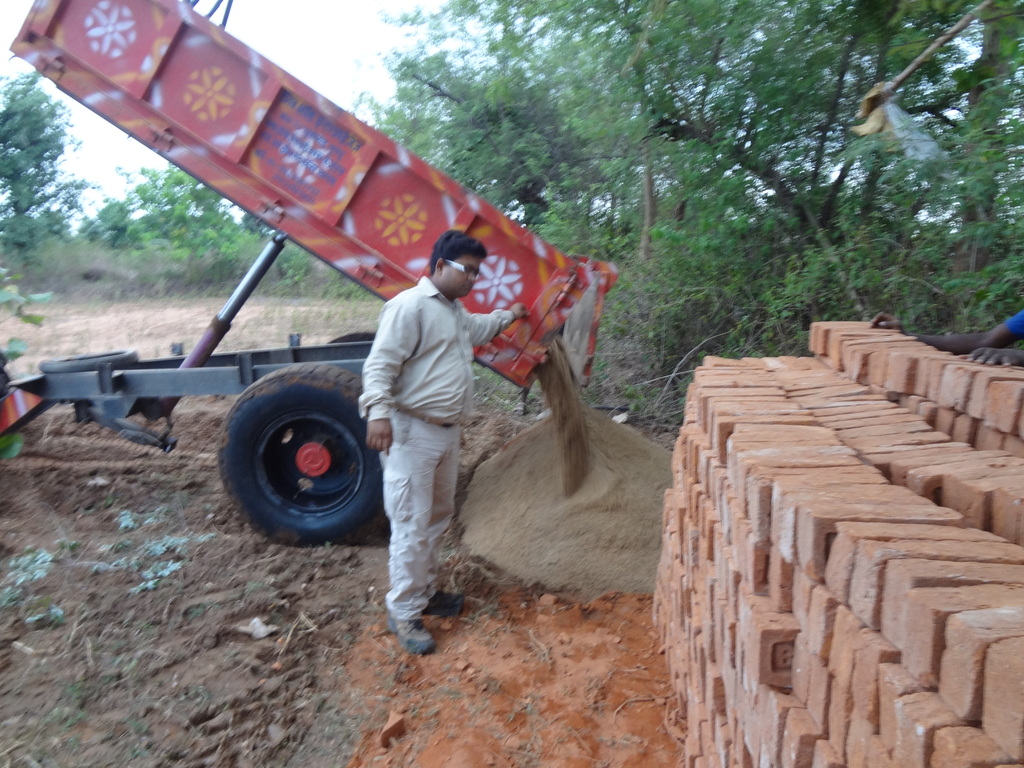
Till date, three such wells have been secured by building up the well wall to a height of about 3 feet. With the monsoons having moved into southern India, it is necessary that we secure as many wells as possible.
Project reports on GlobalGiving are posted directly to globalgiving.org by Project Leaders as they are completed, generally every 3-4 months. To protect the integrity of these documents, GlobalGiving does not alter them; therefore you may find some language or formatting issues.
If you donate to this project or have donated to this project, you can receive an email when this project posts a report. You can also subscribe for reports without donating.