By International Rescue Committee | International Rescue Committee
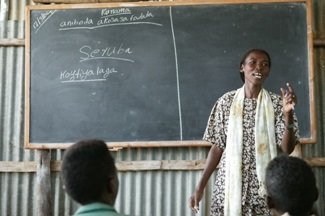
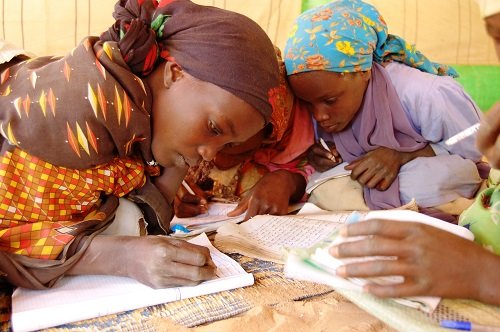
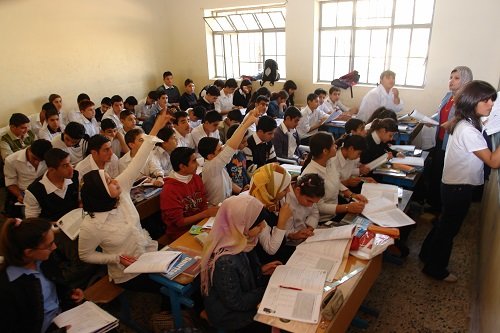
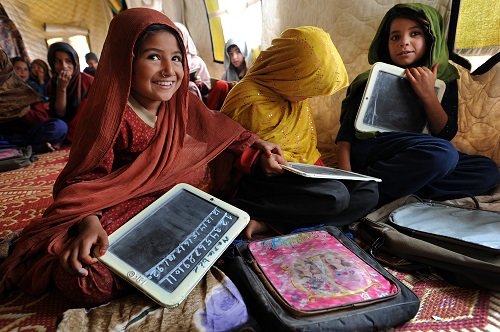
Education is a lifeline for children during a crisis. When their normal schedules are disrupted, schooling can provide the routine, socialization, and opportunities to build the skills they need to heal and thrive. This is especially true for refugee children who have experienced trauma or are resettling in unfamiliar locations.
That's why the IRC is providing remote learning services to young refugees during the COVID-19 pandemic. For example, in Jordan and Lebanon we are reaching Syrian refugee children through our Ahlan Simsim program, a partnership with Sesame Workshop, providing course materials through online video and WhatsApp.
And in the United States, the IRC has transitioned all of its in-person tutoring and education programming to online learning. For example, IRC’s Ready to Read program in Seattle helps elementary and middle school students who are still learning English continue reading and advancing their skills. Students use Raz-Plus, an online literacy program, to access a library of books categorized by reading level. They join tutors in weekly, 45-minute Zoom sessions to read new books together, build essential literacy skills, practice conversational English, and advance their English language proficiency.
“I was surprised with several of my kids, once I started meeting with them over Zoom, just how much more confident they were with their reading than when I had last seen them,” says IRC tutor Emily Hagen. “This was all from them taking the initiative and reading on their own, just going online and reading as many books as they can.”
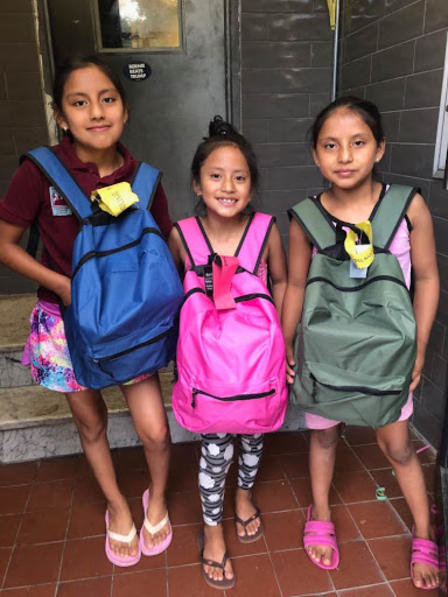
In New York City, IRC's Refugee Youth Summer Academy 2020 is entirely remote this summer. While this is the 21st year of this extraordinary program, this is the first foray into virtual learning at this scale for IRC's youth program. The theme of RYSA this year is U.N.I.T.E. and RYSA students and teachers are doing just that, building a united community across the city through this virtual context. Teachers and staff are focused on helping students develop both the English language and digital literacy skills needed to make a strong start in New York City public schools this fall.
RYSA launched the first week of July, welcoming over 100 students across all school ages through a variety of devices to connect in virtual classrooms. Each student was provided a learning kit full of art supplies, notebooks, writing tools, and sensory learning items to ensure high levels of engagement while in their homes. Students participate in Math, English, Social Studies, and Arts classes with assignments that integrate online platforms with hands on activities using supplies from their learning kits. This hybrid model offers some of the most engaging elements of in-class learning while ensuring student, teacher, and staff safety in New York.
RYSA teachers are harnessing their wisdom from remote teaching in schools this spring to empower RYSA students and equip them with learning strategies for the upcoming school year as New York City continues to adapt for COVID-19 safety. RYSA teachers are certified teachers who have a wealth of knowledge from their own navigation of the challenges and strengths presented by online learning, which has strengthened RYSA's venture into virtual programming this summer.
IRC is seeking to extend critical supports to students beyond RYSA to help ensure academic gains continue and strengthen into the school year.
Project reports on GlobalGiving are posted directly to globalgiving.org by Project Leaders as they are completed, generally every 3-4 months. To protect the integrity of these documents, GlobalGiving does not alter them; therefore you may find some language or formatting issues.
If you donate to this project or have donated to this project, you can receive an email when this project posts a report. You can also subscribe for reports without donating.