By Ashley Cross | Officer, Editorial Services
As we shared in December, an IRC virtual tutoring and reading program in Seattle has become a lifeline for refugee children during the COVID-19 shutdown, thanks to support from donors like you.
The IRC’s Ready to Read program has helped more than 230 elementary and middle school students who are still learning English continue to read and advance their skills.
Students enrolled in the program use Raz-Plus, an online literacy program, to access a library of books categorized by reading level. They join IRC tutors in weekly, 45-minute Zoom sessions to read new books together, build essential literacy skills, practice conversational English, and advance their English language proficiency.
“Students in ELL (English Language Learner) programs heavily rely on one-to-one and small group instruction to get the support that they need, dive deep into questions, and figure out assignments,” says Rachel Stephens, IRC youth program coordinator in Seattle. “That’s the connection we’re providing.”
Ready to Read also kept students learning and connecting while their schools worked on distributing resources and building their own virtual programming.
“Our program was really important for these elementary school students who didn't get computers right away,” says IRC tutor Emily Hagen. “We were able to step in right away with our reading program and make sure that kids still had an avenue through which to learn—while at the same time connecting with school districts to make sure refugee families with limited English proficiency were receiving the information and resources from the school.”
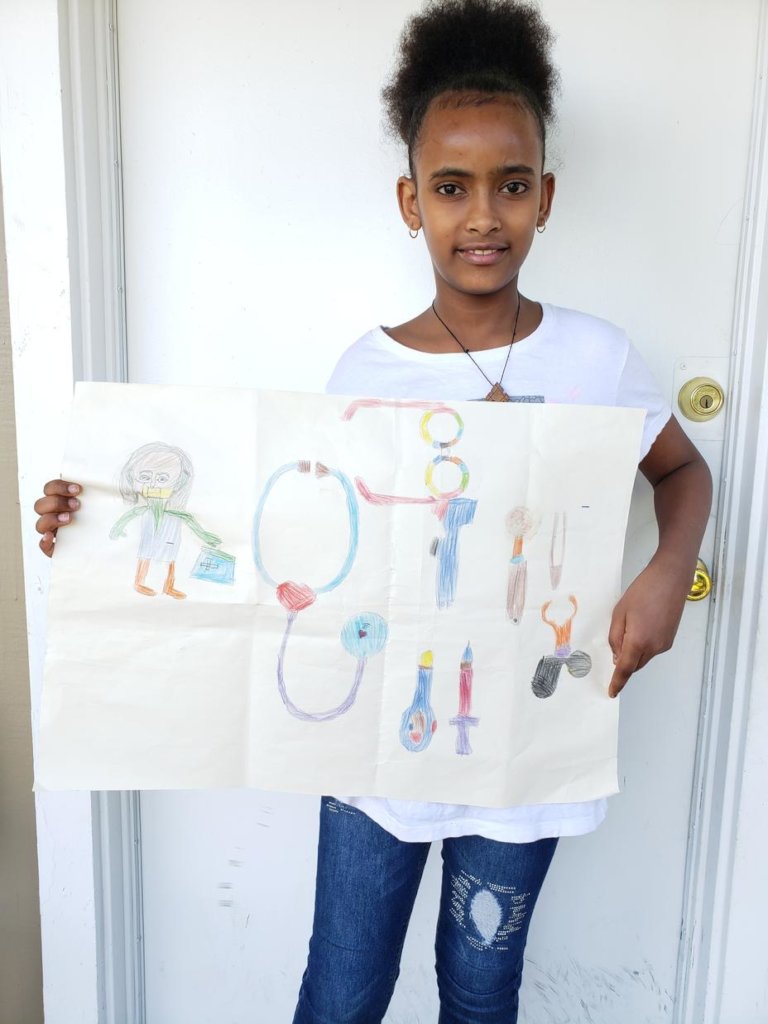
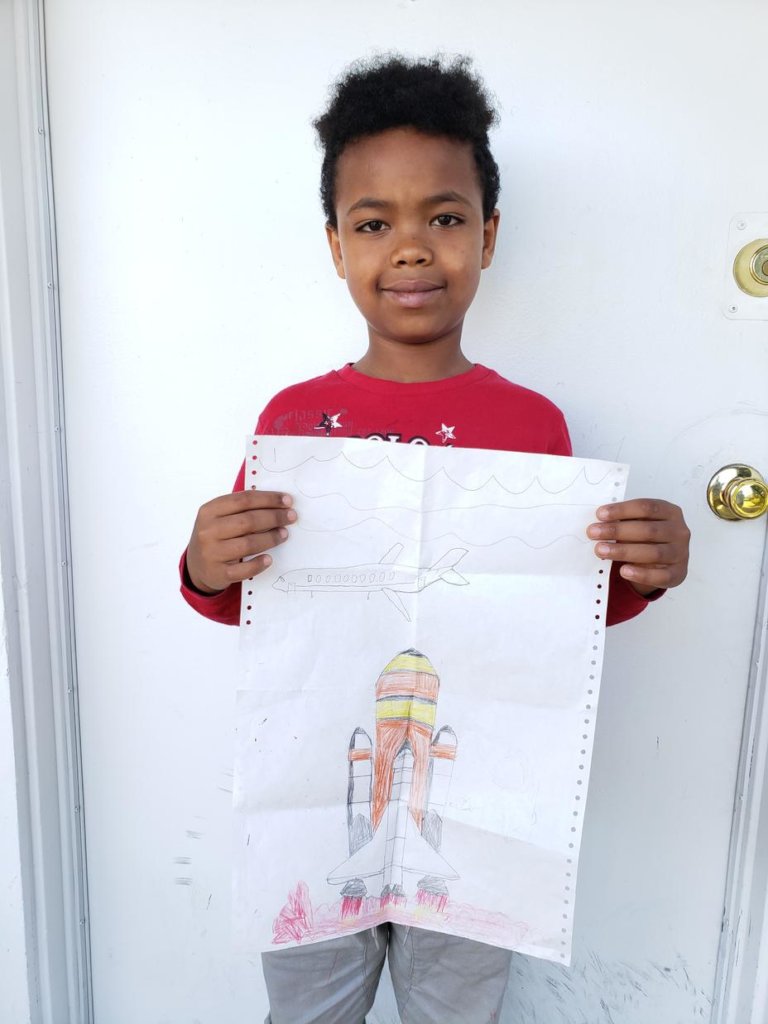
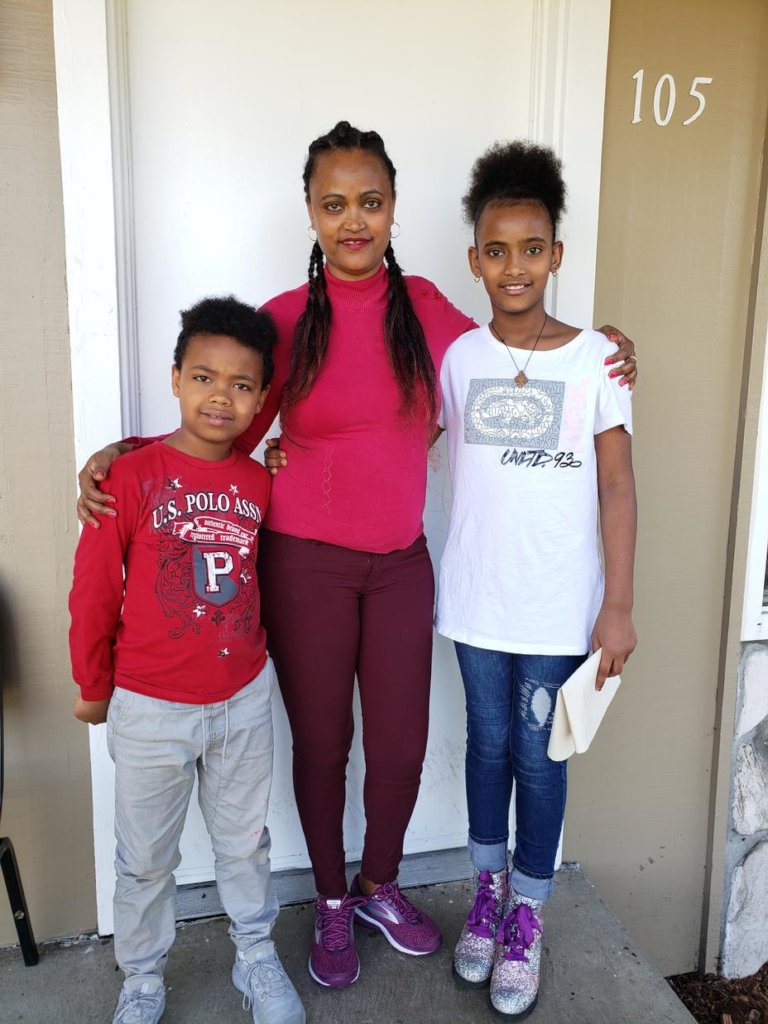
Siblings Kudus, 5, and Delina, 8, who resettled in the U.S. from Eritrea last year, are two of the program’s top readers. Together they read over 300 books in the first three weeks of the pandemic and to date have read nearly 500 books.
“They’re such a sweet family,” says Hagen, who meets with them weekly on Zoom. “I’ll read with them together and they’ll alternate pages. Kudus is a funny kid. He can be a goofball and Delina is so kind and patient with him.”
Recently, Hagen showed them a video of the SpaceX rocket launch and read a book about space with them. Kudus says that he wants to be an astronaut when he grows up and Delina says she wants to be a doctor.
Hagen has noticed how fast children in general are advancing in reading levels.
“I was surprised with several of my kids, once I started meeting with them over Zoom, just how much more confident they were with their reading than when I had last seen them,” she says. “This was all from them taking the initiative and reading on their own, just going online and reading as many books as they can.”
Kudus and Delina’s mother, Abrehet, is grateful to see her children receiving education, even through this disruptive crisis.
“I was not educated but that didn’t happen to them,” she says. “When I see them reading, studying, and learning day by day, I consider myself lucky. I don’t want them to live similar lives to what I have been through.”
Virtual tutoring
Thanks to your support, the IRC has also provided virtual tutoring to refugee children and youth during the pandemic. In Seattle, for example, students are matched with one of 19 tutors for one-on-one or small group sessions on Zoom.
Beyond just working with students on their school assignments, tutors also help them with digital literacy, setting up computers and online platforms to access their new virtual classrooms.
“From day one, in addition to making sure students had learning materials in their hands, our team was doing weekly parent check-ins to make sure that parentshave access to school meals and understand the expectations from their schools during closures,” Stephens says. “We wanted to support parents as they took on this new task of learning from home.”
One IRC staff member spent five hours on a Zoom phone call to help a student set up and navigate Google Classroom.
“Many teachers just don't have time to do that for every single student,” says Stephens. “And refugee students might have parents with lower English levels; this may be their first computer at home. So we just wanted to make sure they had basic access and understanding of the platforms.”
This highlights the great partnership the IRC has with school districts.
“We worked hand in hand with our district partners to be a bridge between schools and refugee families to ensure families had access and connection during a time when lots of critical, confusing, and rapidly changing information was going out about closures and learning platforms.”
Virtual tutoring has also provided ELL students with the space to continue practicing English. Even in a normal classroom setting, studies show ELL students typically spend only 90 seconds per day speaking English. Now that classes are virtual, that time has significantly decreased.
“Giving children the opportunity to continue conversing in English is really critical, along with that social connection,” Stephens says. “We’ve found that kids have really been wanting to talk more. They’re lonely and they are opening up and just wanting to have conversations with their tutors, which is really important.”
The IRC’s high school program has also been working with many seniors one-on-one to earn enough credits to graduate, which is already difficult for refugee and ELL students.
“We've been helping a group of high school students complete this very big senior project to be able to graduate,” says Stephens. “Some districts have policies against teachers having one-on-one tutoring time with students. The fact that we've been able to do that has taken a huge burden off their backs. We've been able to help these students get across the finish line.”
This remote learning program is just one of the many important ways in which your support to the IRC has provided vital services for refugee children in need during this global crisis.
Project reports on GlobalGiving are posted directly to globalgiving.org by Project Leaders as they are completed, generally every 3-4 months. To protect the integrity of these documents, GlobalGiving does not alter them; therefore you may find some language or formatting issues.
If you donate to this project or have donated to this project, you can receive an email when this project posts a report. You can also subscribe for reports without donating.