By Manosi Abe Chatterjee | Curriculum Coordinator, ARI
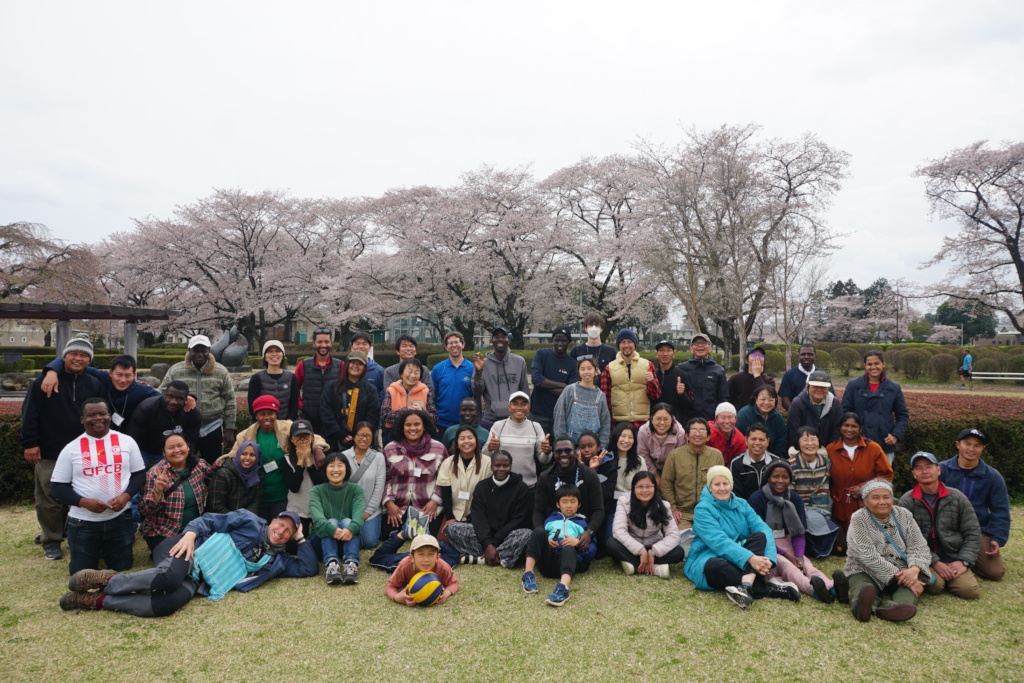
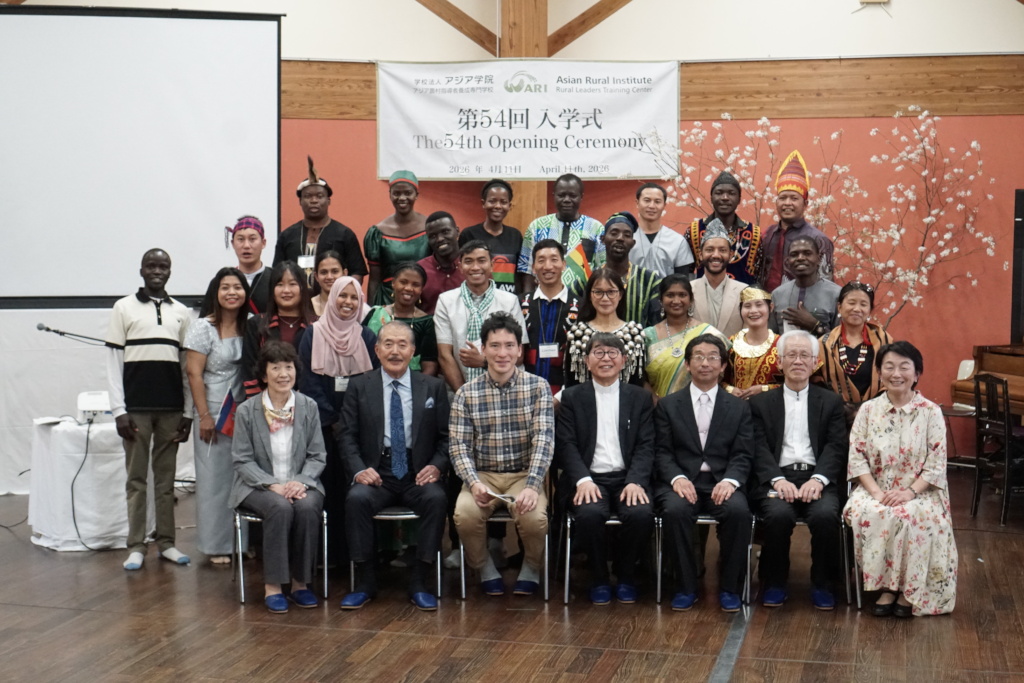
Thanks to your support, we were able to welcome all participants to the ARI campus in the last week of March. Despite flight disruptions due to the war in the Middle East, everyone arrived safely and in time to start the program. We deeply appreciate your support in our efforts.
Before traveling, the participants also conducted three rounds of pre-orientation to prepare their minds for what to expect at ARI upon their arrival. It was a good opportunity for us to also reflect on what are or could be considered as challenges for participants and present it to them as transparently as possible.
Growth note and planning note
We want to promote a more independent approach to managing deadlines and personal schedules among participants. For this, we introduced an additional notebook besides the growth note. It is a monthly and daily schedule notebook. We encourage them to note seemingly mundane things like the weather - and later convey the importance of record keeping in farming practices.
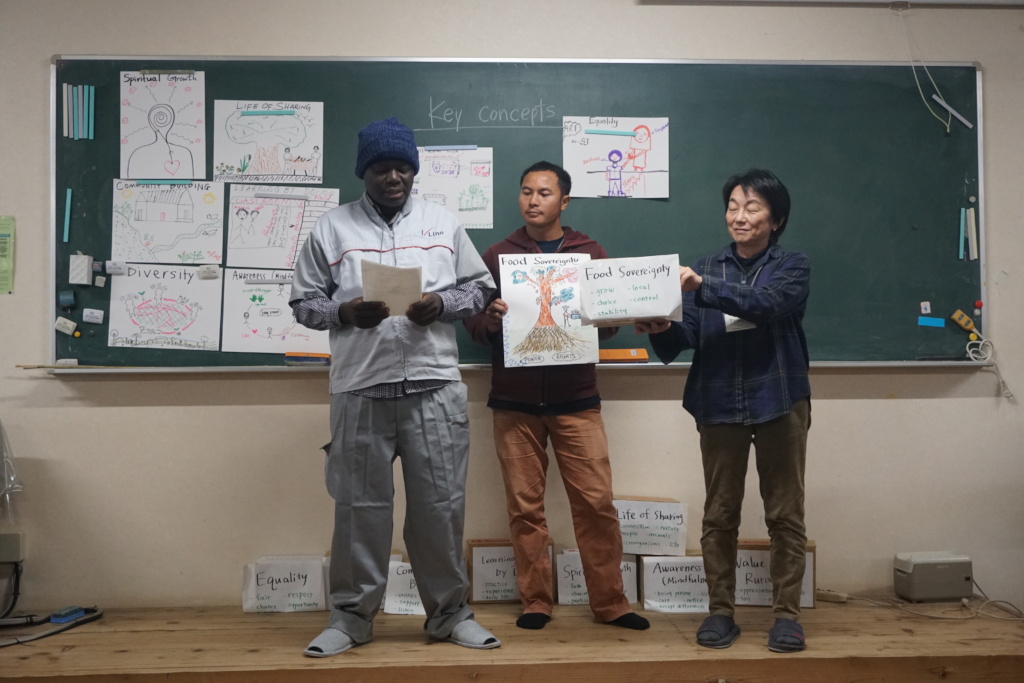
Key concepts illustrated
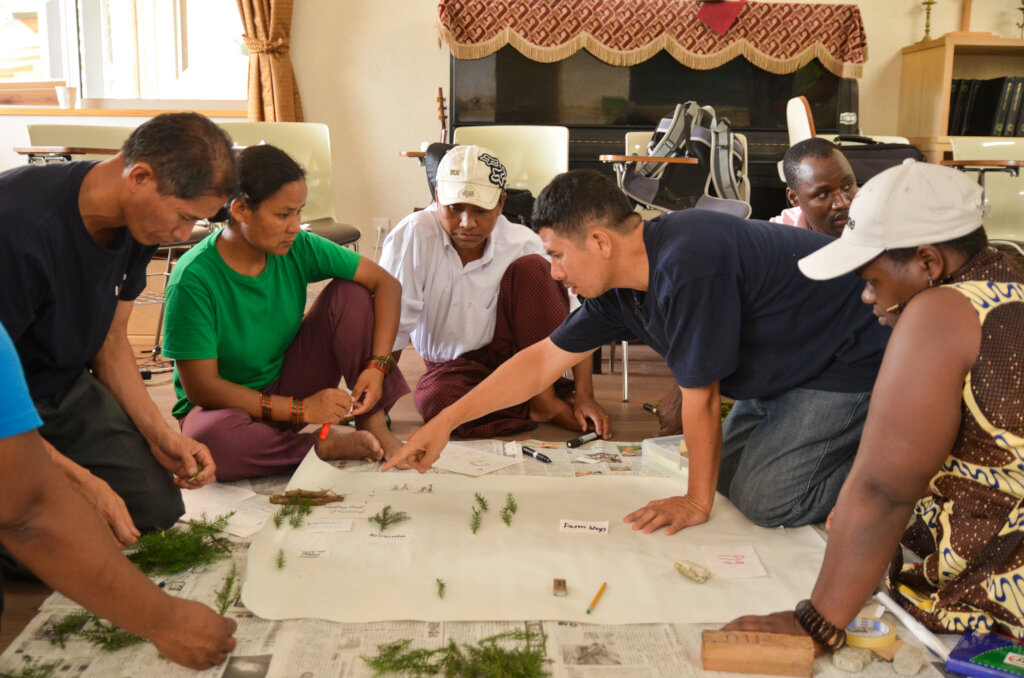
This year, thanks to the participation of several staff members, we could form small groups where people discuss one key concept. They came up with their own definition of what they think the word means, shared a real life example of how this key concept can be lived or experienced, and finally shared an illustration of the key concept. We hope to set the display up in the classroom. The session concludes with the key concepts connecting to the three pillars which then helps us to live the motto “That we may live together”.
Learn more about our Key Concepts here.
Livelihood and entrepreneurship
It was the first trial for the Livelihood and entrepreneurship class which focused on acknowledging that generating income is a necessary task for sustainability. This was a result of participant feedback we received for a few years. Here is an excerpt from the handout:
Entrepreneurship and livelihood skills are about turning ideas, talents, and local resources into sustainable ways of earning or supplementing a living. It is not simply about making businesses that generate profits. It is about thinking creatively and acting proactively. Practicing these skills helps to build confidence, responsibility, and resilience. For communities, entrepreneurship has the potential to create small jobs, and encourages innovation among people. It is important to keep the ideas rooted in real needs. Developing livelihood skills is therefore not only about income generation but it is also about empowerment, dignity, and autonomy.
The emphasis was on recognising potential in all practical field study learning. Participants are encouraged to observe and reflect through an entrepreneurial lens. It includes asking oneself questions such as:
Our sessions included elements of social business and cooperatives/credit unions, which we will discuss in greater detail throughout the year. We also hope to increase some food processing sessions and include some skills such as natural dye - among other ideas. Hopefully this aspect can be further improved in the years ahead, along with continued cooperation of all foodlife staff.
Indonesian graduates
4 Indonesian graduates visited ARI along with their colleagues. During their short time at ARI we were glad that we could have a morning gathering from a graduate and a sharing session. In the session, each graduate shared a 15-20 min presentation of their work - working for people with disabilities, coffee production and eco-tourism, marketing - all to support their community members - where the majority are farmers. In the remaining time they answered many questions they received from participants. An important message from
the graduates was - collaboration. This is key to all work. They learned to work together at ARI and applied the same spirit back home. They also mentioned social business and entrepreneurship and how they applied it - which was a helpful addition to the previous class held on the same topic.
Foodlife Managment Activties (FMA) -- Grouping and Orientation
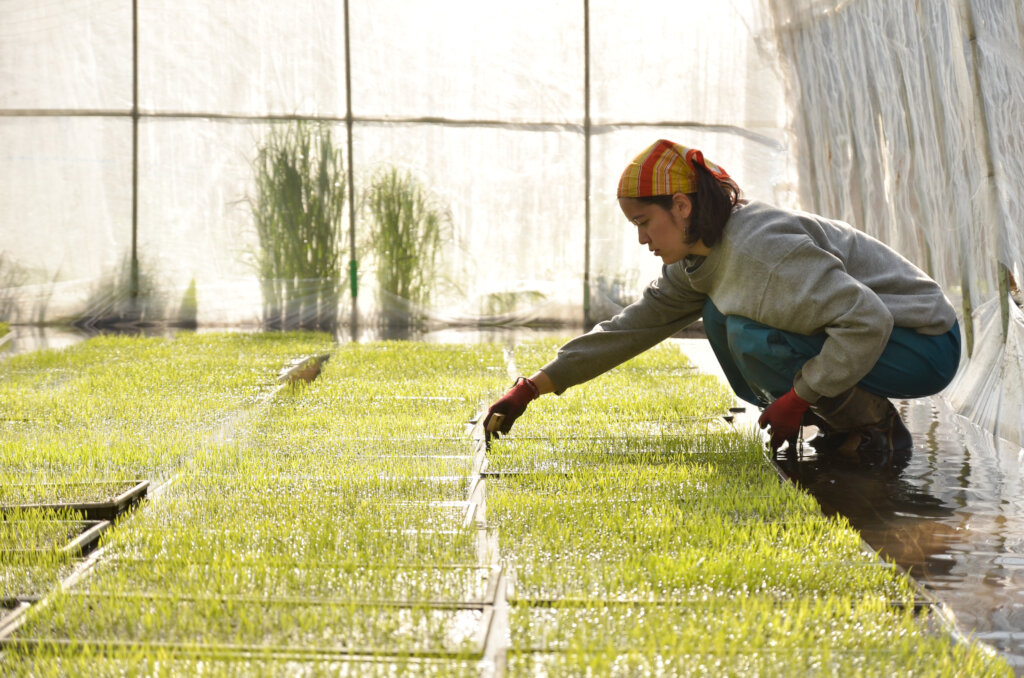
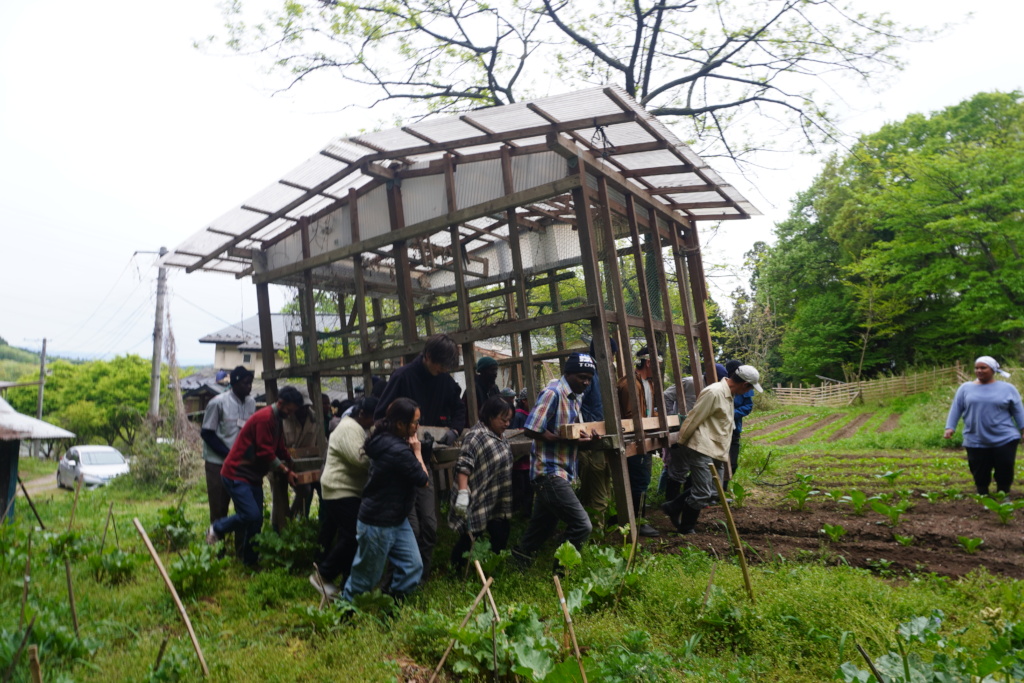
Each year, we separate participants in to FMA teams to manage farmwork, with each participant having a 2-week period of leading the group.
This year, we tried to create balanced teams in terms of personality and working style preferences. Through a short self-evaluation survey, participants shared what their approach is to a task and to potential conflict. This helped us to recognize that this year’s group overall leans towards collaboration and support. Key areas where they may need input from staff is in defining deadlines and encouraging them to reach a conclusion within the deadline. However, it is encouraging that many are process oriented and are caring for one another.
During orientation, each FMA group that was newly formed discussed their group name and also completed a task. The task? Create their own community system transformation cycle. The cycle is a representation of their approach to managing foodlife work. Their implementation in foodlife, reflects back onto their participation in the community.
Monthly reflection and appreciation
Some positive highlights that participants shared:
Some struggles that showed up were:
Other Highlights:
Staff shared reflective morning gatherings, making it a meaningful time for all community members and being a good example for participants to follow.
Thank you for your support as we get the training program underway! We hope to continue fostering the collaborative spirit which seems to be forming and we welcome you to continue engaging with us.
Links:
Project reports on GlobalGiving are posted directly to globalgiving.org by Project Leaders as they are completed, generally every 3-4 months. To protect the integrity of these documents, GlobalGiving does not alter them; therefore you may find some language or formatting issues.
If you donate to this project or have donated to this project, you can receive an email when this project posts a report. You can also subscribe for reports without donating.



Support this important cause by creating a personalized fundraising page.
Start a Fundraiser