By Camille B. SODJI | Project Leader
EXECUTIVE SUMMARY
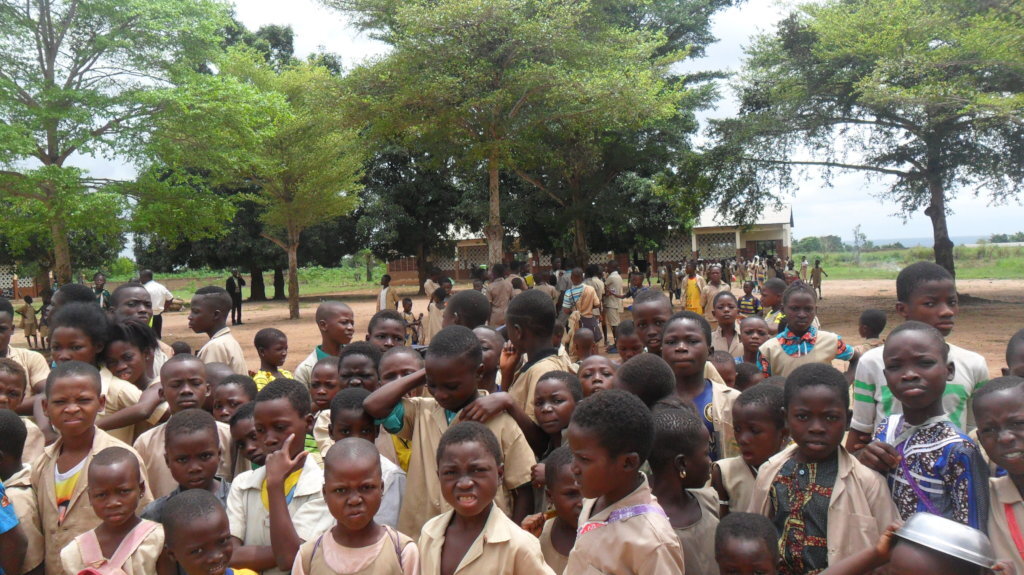
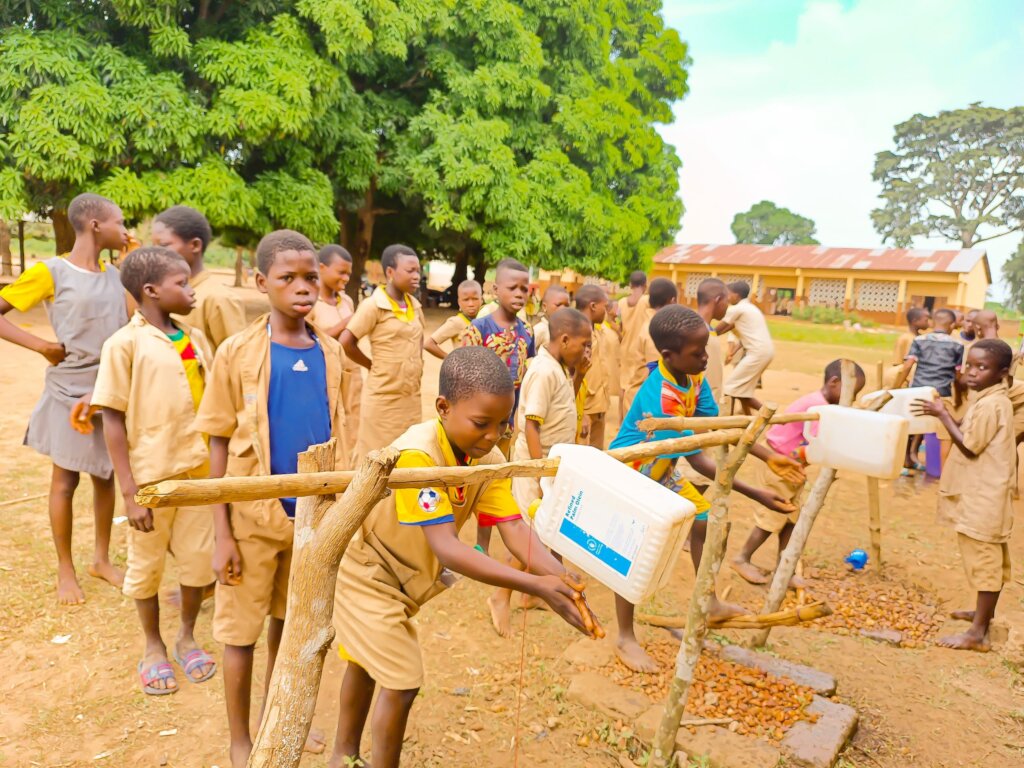
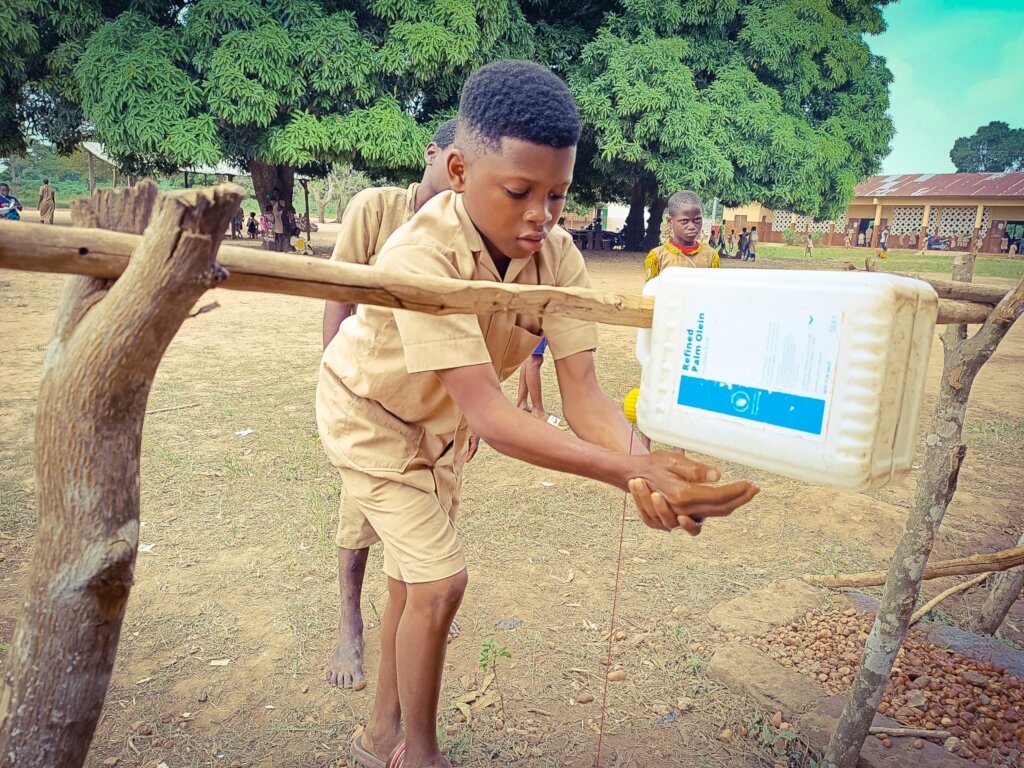
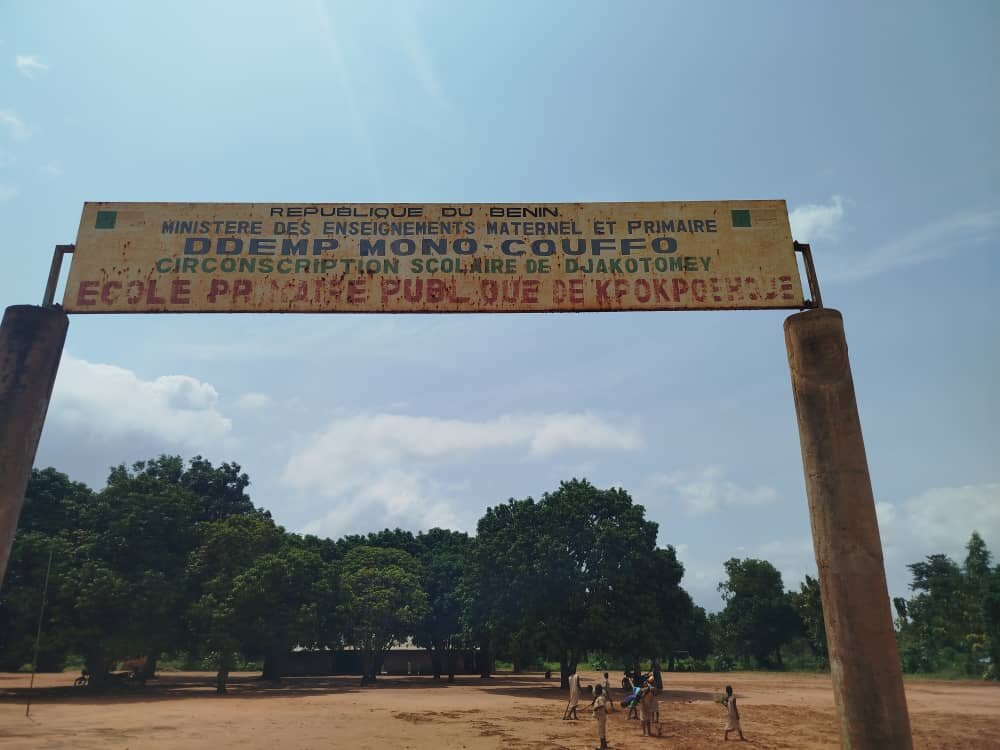
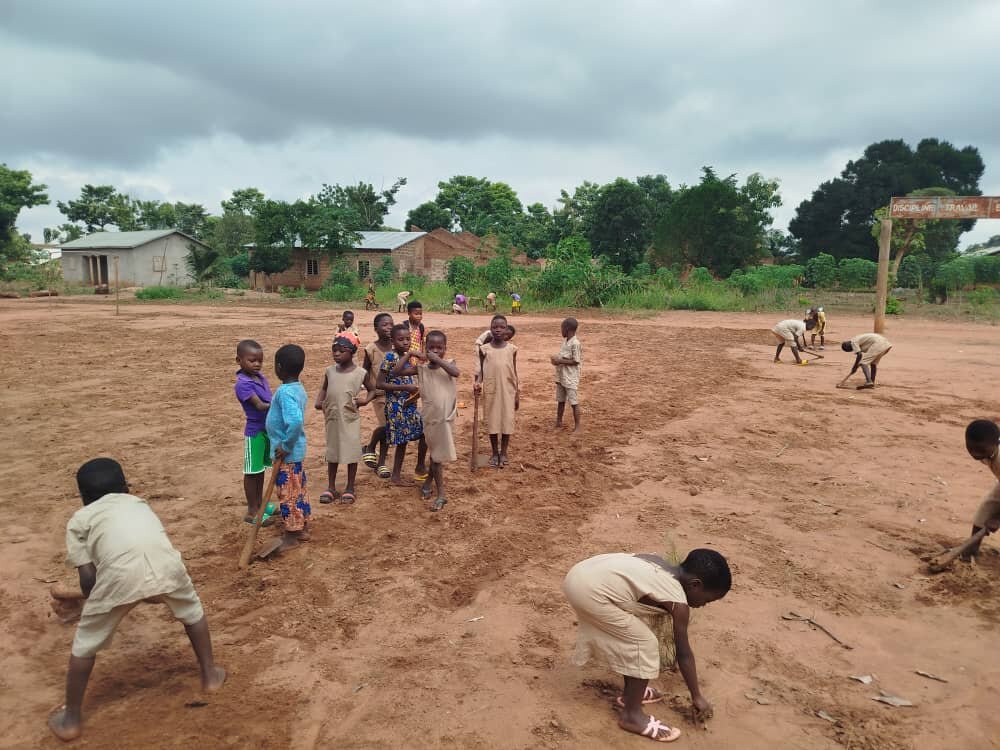
The project " Support Students in 25 Beninese Schools " was successfully implemented on September 15, 2025, by the NGO Education and Development. This emergency intervention directly supported over 15,000 students across 25 rural schools, demonstrating the effectiveness of an integrated approach combining food aid, administrative support, and infrastructure improvement. The results highlight the transformative impact of international solidarity on the Beninese educational ecosystem.
1. CONTEXT AND PROJECT JUSTIFICATION
1.1 Situation Analysis
The start of the 2025-2026 school year in Benin took place in a particularly difficult socio-economic context for rural communities. The identified challenges include:
Food insecurity: 68% of rural families struggle to fund daily school meals (25 CFA francs).
Administrative deficit: Over 40% of students in remote areas lack birth certificates.
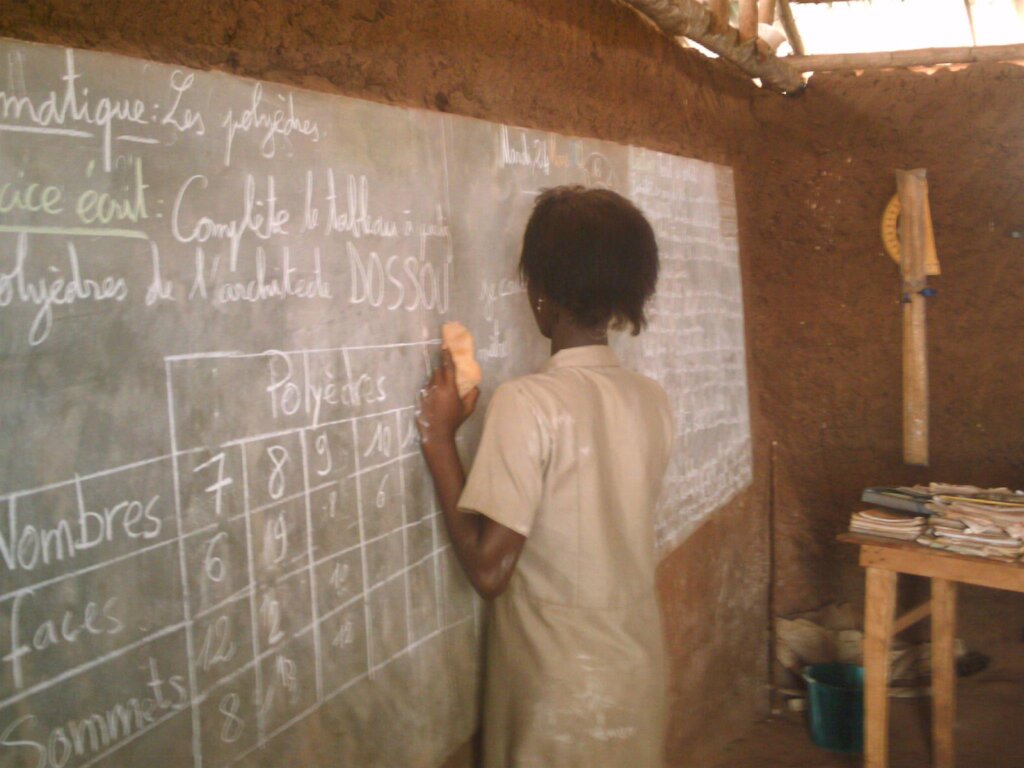
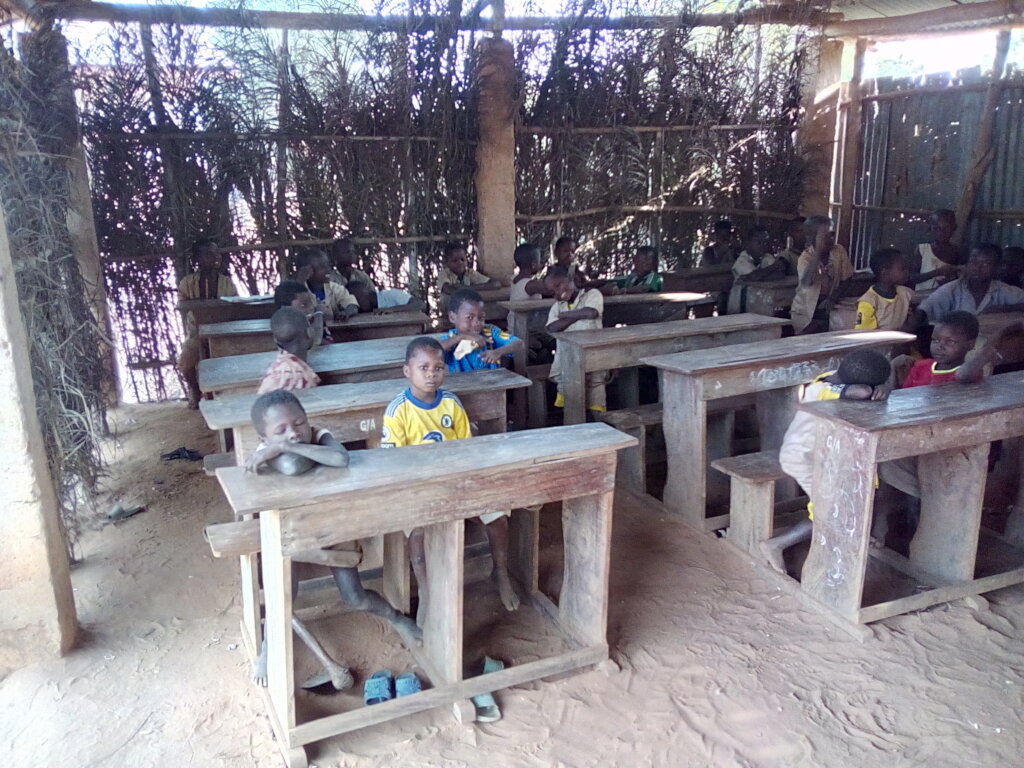
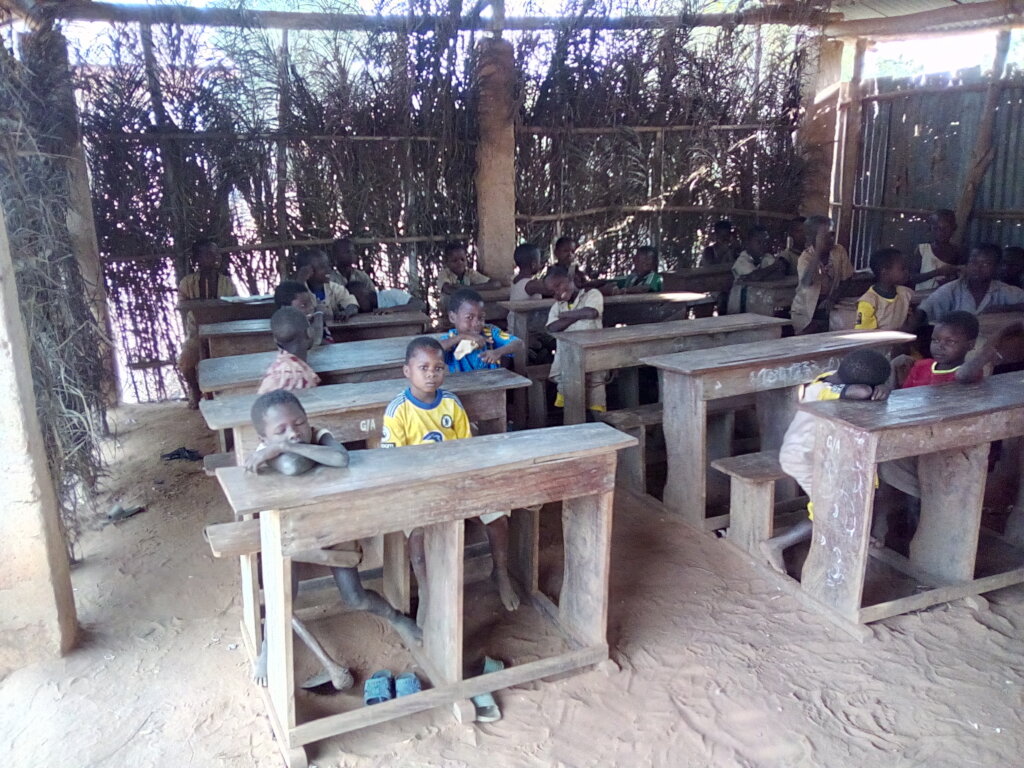
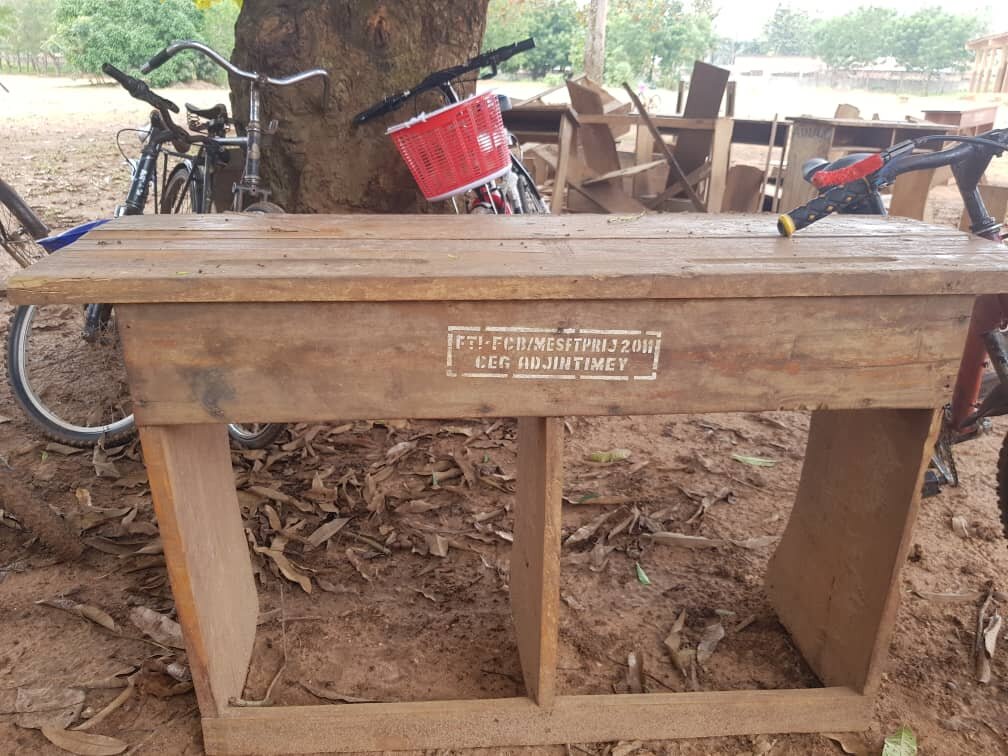
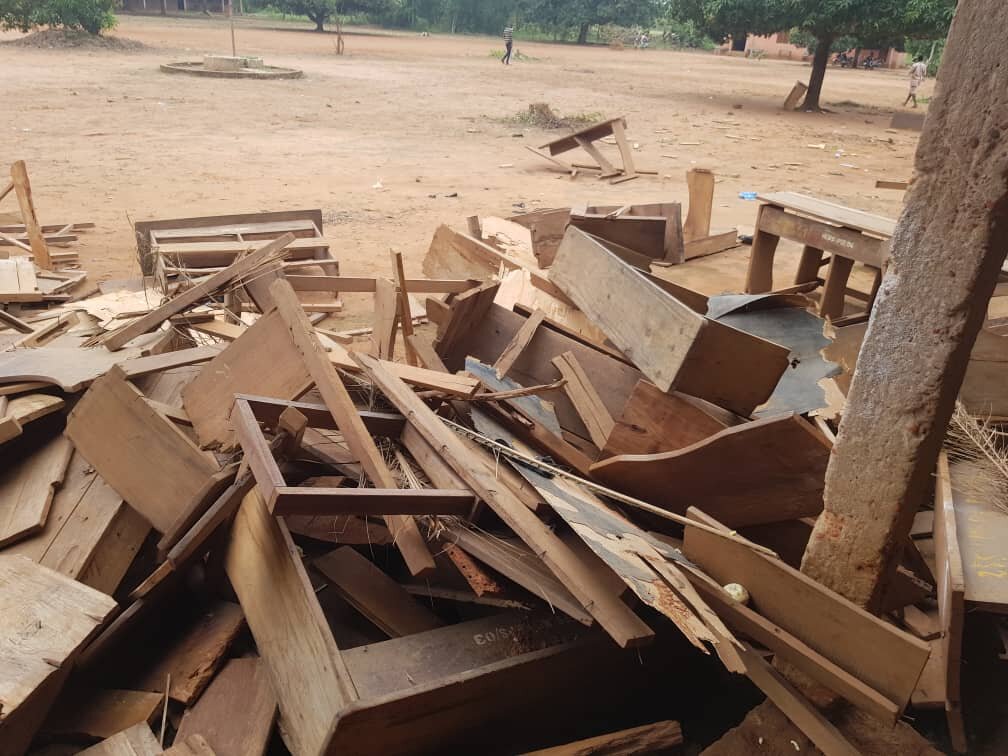
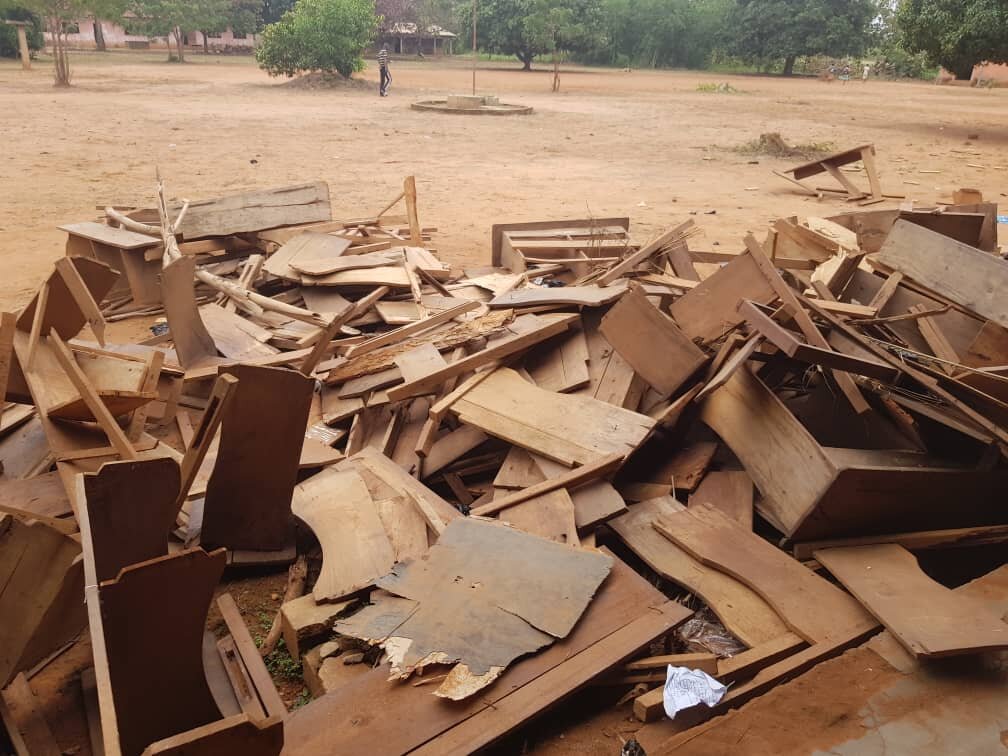
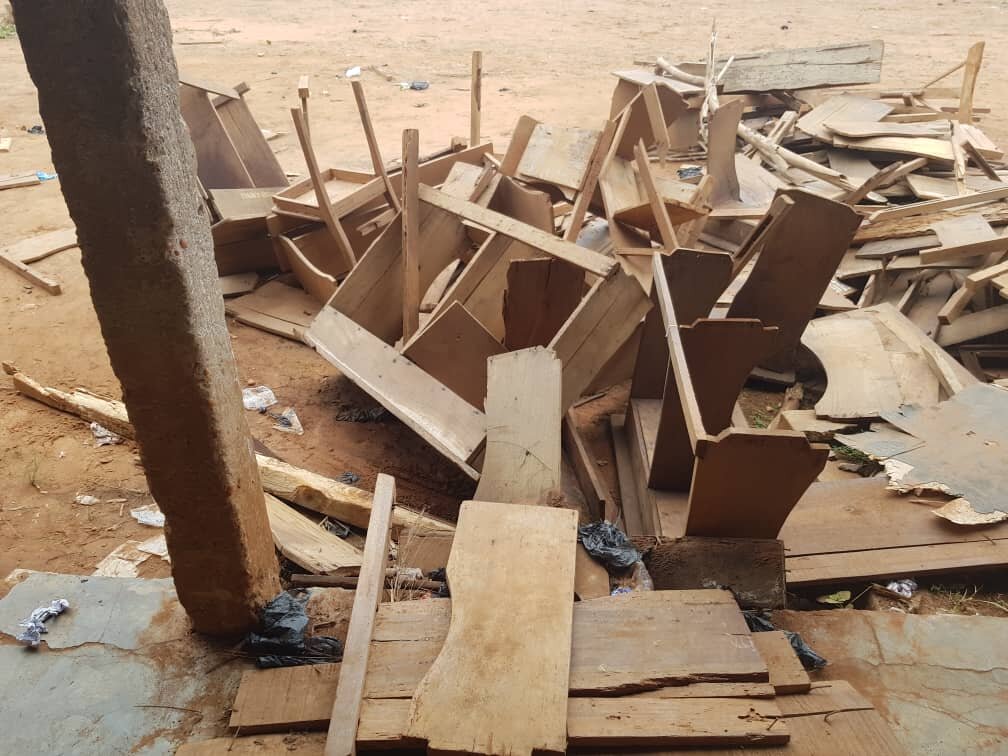
Failing infrastructure: Degraded school furniture in 80% of the targeted schools.
Geographical isolation: Difficulties accessing basic services for rural populations.
1.2 Strategic Objectives
Main Objective: Facilitate school access and retention in 25 rural Beninese schools.
Specific Objectives:
- Guarantee student nutrition from the first day of school and beyond.
- Facilitate access to students' fundamental civil rights.
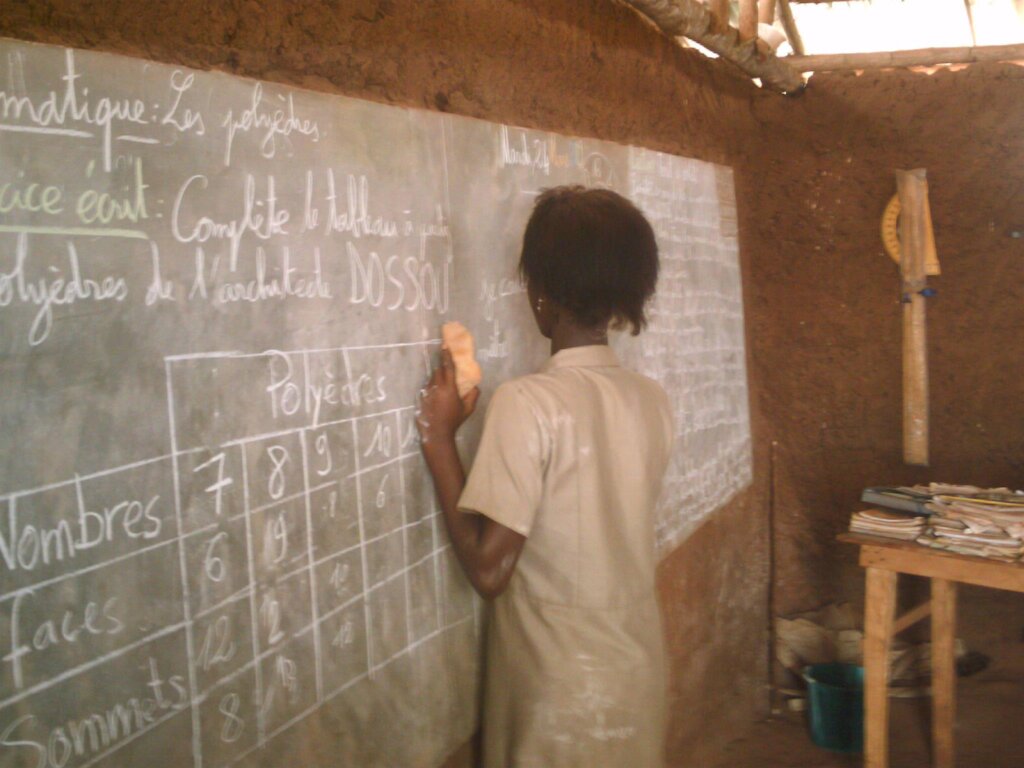
- Improve the learning environment through infrastructure rehabilitation.
- Strengthen local administrative capacities.
2. METHODOLOGY AND INTERVENTION APPROACH
2.1 Deployment Strategy
The intervention was based on a multisectoral approach prioritizing:
Rapid execution: Deployment in a single day for immediate impact.
Field proximity: Mobile teams covering over 700 kilometers.
Institutional partnership: Close collaboration with local authorities.
Sustainability: Establishment of long-term support mechanisms.
2.2 Intervention Area
25 public schools in the most remote rural areas, selected based on the following criteria:
- High socio-economic vulnerability rate.
- Difficult accessibility limiting usual interventions.
- Large student populations requiring priority support.
- Commitment of local communities to the educational project.
3. ACHIEVEMENTS AND RESULTS OBTAINED
3.1 School Nutrition Component: Immediate Food Security
Quantitative Impact:
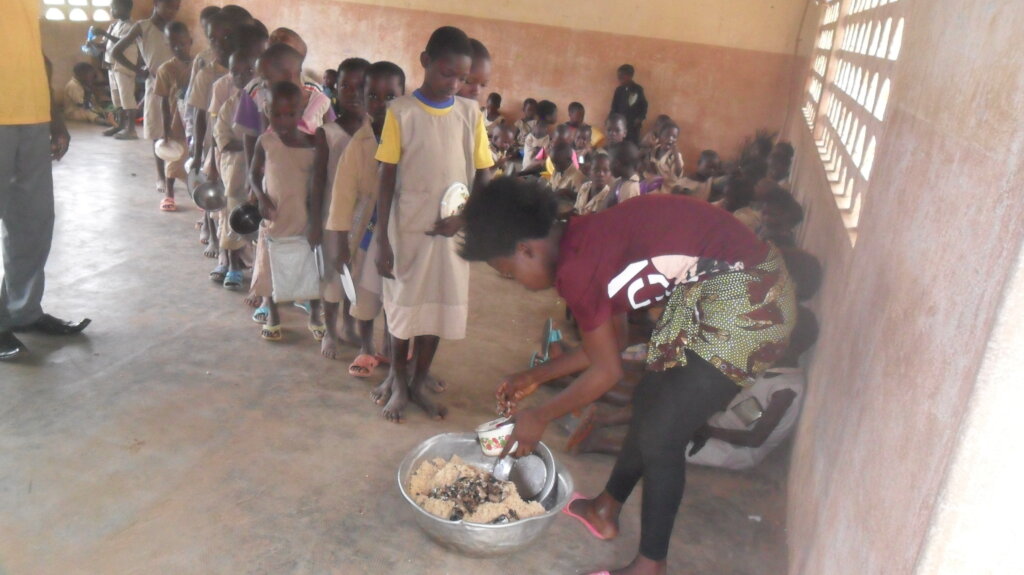
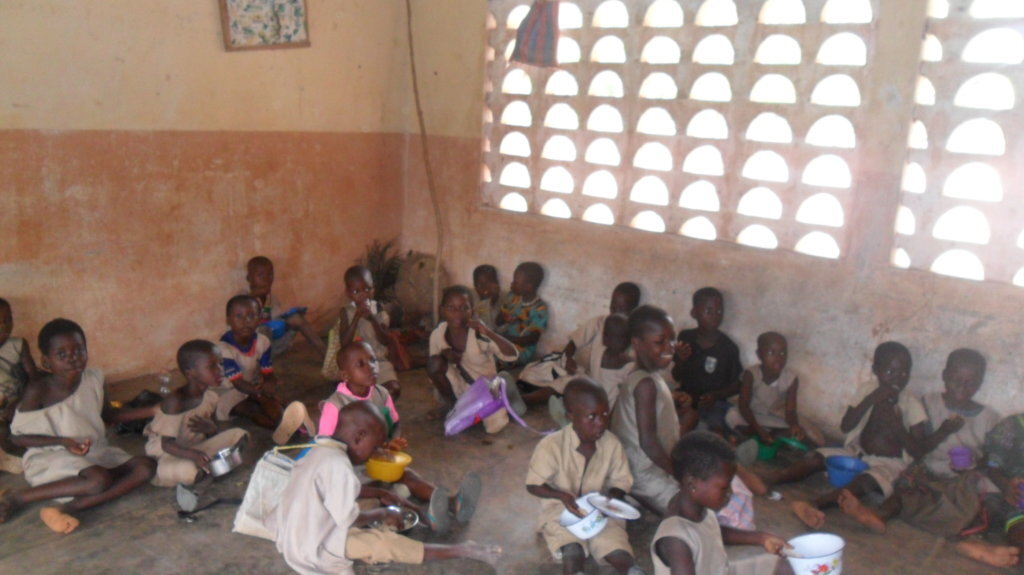
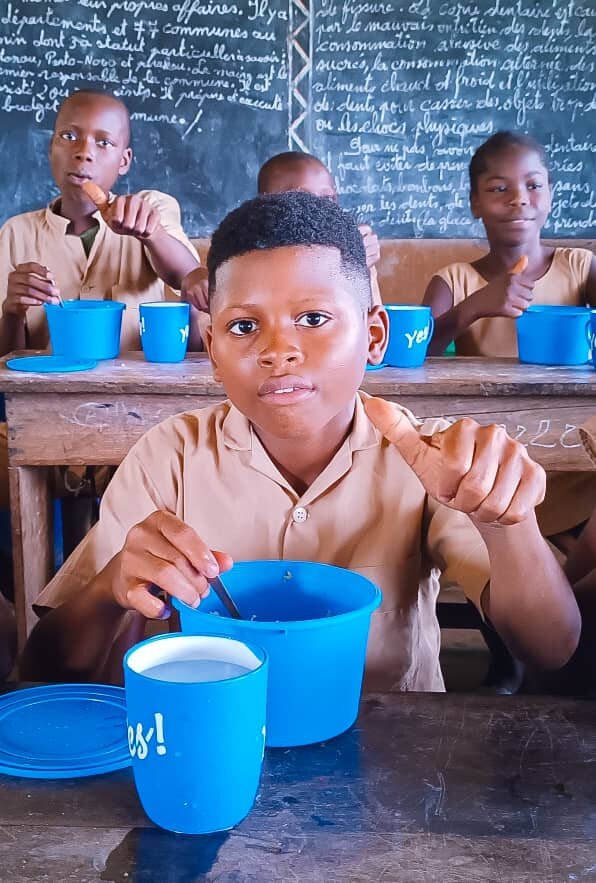
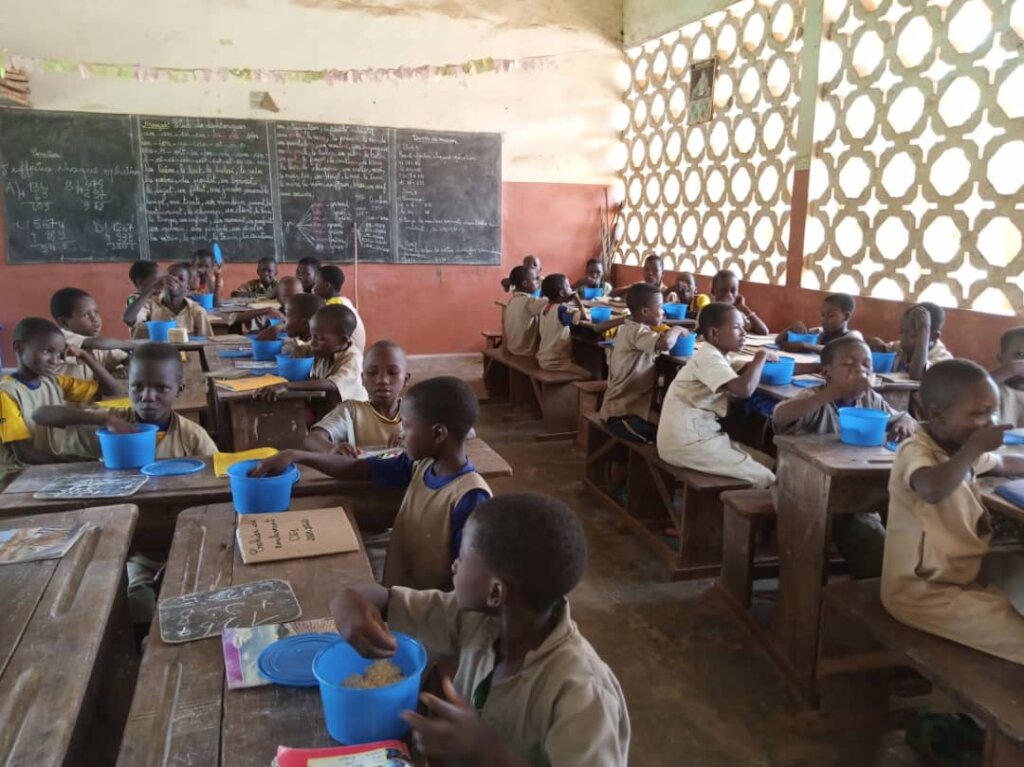
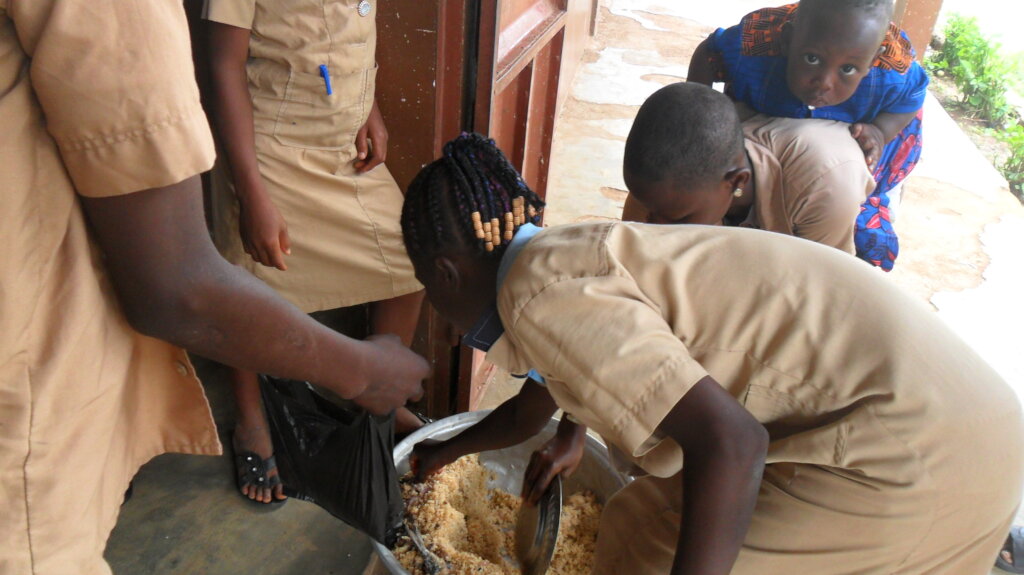
- 15,000 children directly benefiting from nutritious meals.
- 25 school canteens operational from the first day.
- 100% coverage of daily nutritional needs during the critical back-to-school period.
Qualitative Impact: The intervention eliminated the financial barrier of school meals, a determining factor in chronic absenteeism. By covering this contribution of 25 CFA francs per child per day, the project freed families from a major budgetary constraint, allowing students to focus fully on their learning.
This preventive approach is particularly relevant in a context where child malnutrition directly affects cognitive abilities and school perseverance. Field feedback indicates a notable improvement in student attendance and concentration from the very first days.
3.2 Civil Rights Component: Towards Full Citizenship
Administrative steps initiated:
- Systematic census of students lacking birth certificates.
- Establishment of partnerships with town halls and civil registry centers.
- Preparation of application files for birth certificates in urgent cases.
- Awareness-raising for families on the importance of civil documentation.
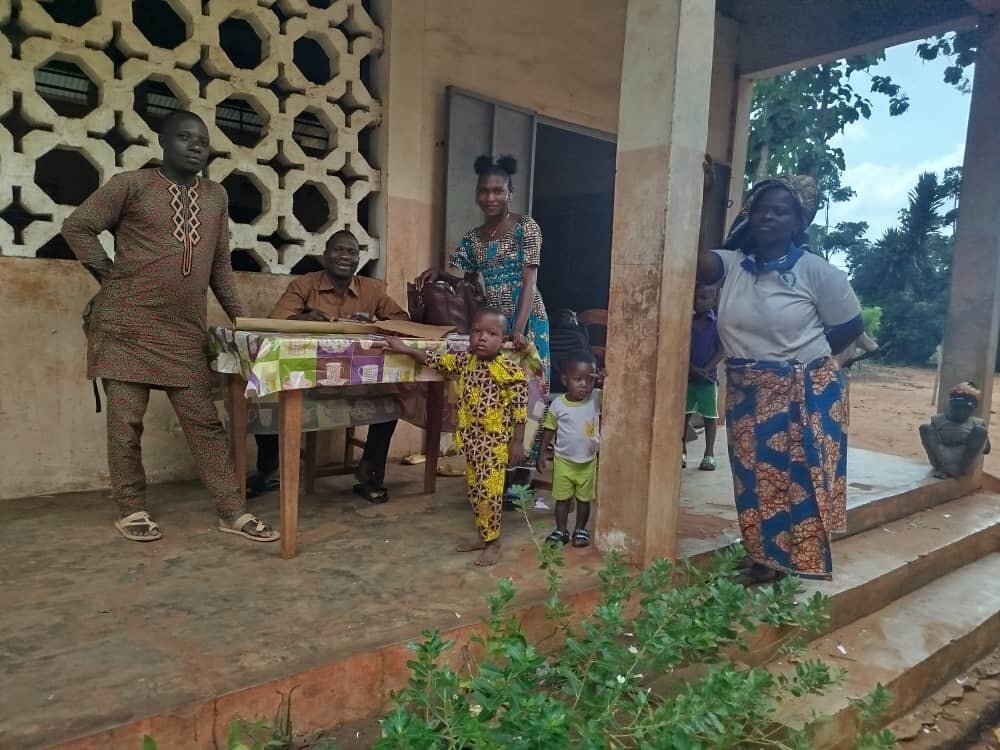
Strengthened administrative infrastructure: A dedicated office is being equipped at the NGO's headquarters, including:
- IT and reprographic equipment.
- Staff trained in administrative procedures.
- Personalized case tracking system.
- Institutional partnerships to expedite procedures.
This initiative is part of a long-term vision of citizen inclusion, recognizing that access to civil identity is a prerequisite for exercising many fundamental rights, including registration for official exams and access to social protection schemes.
3.3 Educational Infrastructure Component: A Dignified Learning Environment
- Rehabilitations carried out:
- Repair of desks and benches in 8 schools.
- Fabrication of suitable administrative furniture.
- Installation of shelves for educational organization.
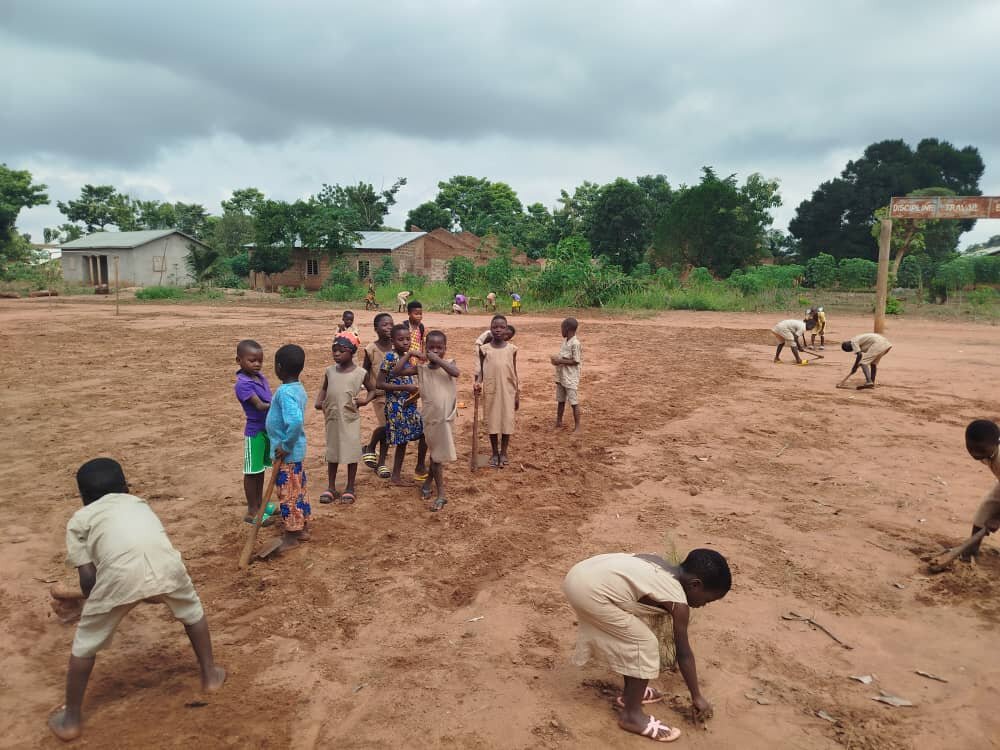
- Development of spaces dedicated to extracurricular activities.
Intervention methodology: Work was entrusted to local artisans, thereby boosting the local economy while ensuring the durability of the improvements. This participatory approach strengthens community ownership of the project and develops local technical skills.
Improving the physical learning environment addresses a fundamental need for dignity for both students and teachers, significantly contributing to motivation and the sense of belonging to the school institution.
4. CHALLENGES ENCOUNTERED AND ADAPTATION STRATEGIES
4.1 Logistical Constraints
Challenge: Unfavorable weather conditions and poor state of road infrastructure.
Adaptation Strategy:
- Flexible route planning.
- Mobilization of appropriate transportation.
- Enhanced coordination with local guides.
- Pre-positioned supplies in certain areas.
4.2 Administrative Complexity
Challenge: Lengthy bureaucratic procedures for obtaining civil registry documents.
Adaptation Strategy:
- Establishment of privileged relationships with local authorities.
- Staff training on regulatory specifics.
- Advocacy for the simplification of procedures.
5. MONITORING, EVALUATION, AND PERSPECTIVES
5.1 Monitoring Mechanisms
An in-depth evaluation mission is scheduled within the next three months, with the following objectives:
- Measure the quantitative impact on school attendance.
- Assess the satisfaction of direct and indirect beneficiaries.
- Identify residual needs and areas for improvement.
- Document reproducible best practices.
5.2 Performance Indicators
Quantitative Indicators:
- School attendance rate post-intervention.
- Number of birth certificates obtained.
- Durability of the rehabilitated furniture.
- Satisfaction rate of beneficiary communities.
Qualitative Indicators:
- Improvement in the school climate.
- Strengthening of teacher motivation.
- Revitalization of the local educational ecosystem.
- Community ownership of the project.
5.3 Sustainability and Expansion
Sustainability Strategies:
- Training of local management committees.
- Establishment of public-private partnerships.
- Development of income-generating activities.
- Advocacy for integration into public policies.
Expansion Perspectives:
- Extension to 5 additional schools.
- Development of an excellence scholarship program.
- Creation of an emergency fund for critical situations.
- Strengthening of local institutional capacities.
6. SOCIO-ECONOMIC IMPACT AND COMMUNITY TRANSFORMATION
6.1 Multiplier Effect
The intervention extends far beyond the strict school framework to generate multisectoral impacts:
On families: Reduction of financial burden, freeing up resources for other productive investments, strengthened confidence in the educational system.
On communities: Boost to the local economy through the employment of artisans, strengthened social cohesion around the educational project, development of local expertise.
On the educational system: Improved teaching conditions, reduction of teachers' professional stress, increased attractiveness of rural teaching posts.
6.2 Contribution to Sustainable Development Goals (SDGs)
This project directly contributes to several SDGs:
SDG 1: No Poverty, by reducing family educational costs.
SDG 2: Zero Hunger, through school canteens.
SDG 4: Quality Education, by improving the learning environment.
SDG 10: Reduced Inequalities, by including marginalized rural areas.
7. ACKNOWLEDGEMENTS AND RECOGNITION
7.1 Gratitude to Partners
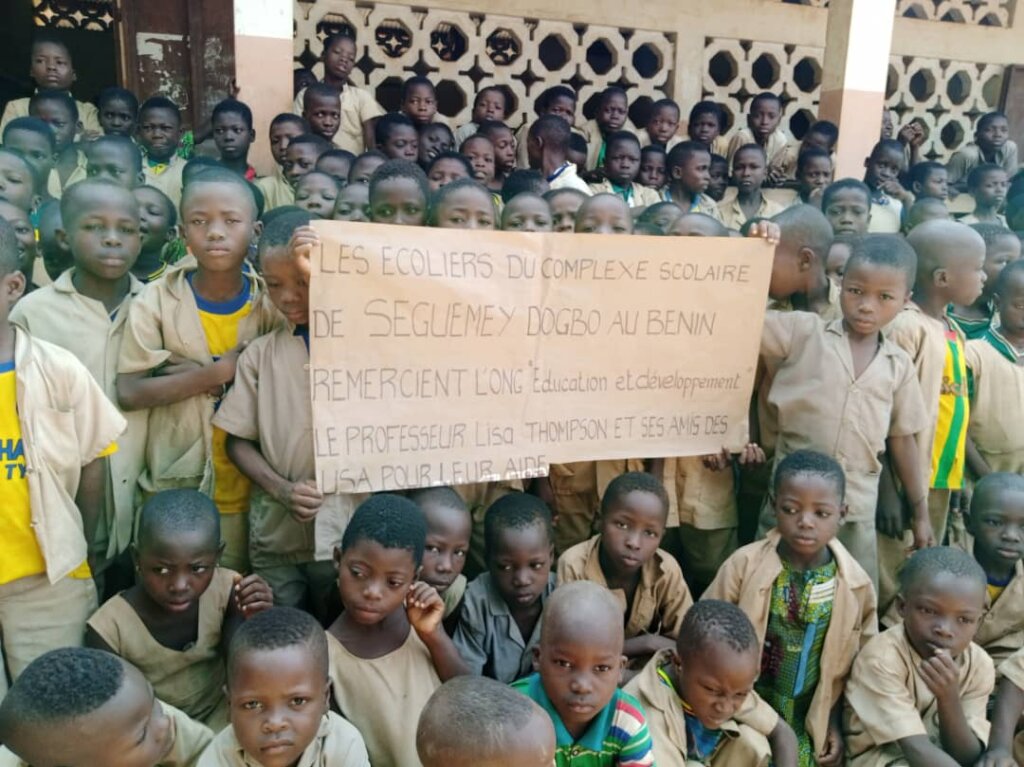
On behalf of the 15,000 beneficiary children, their 25 schools, and their communities, the NGO Education and Development expresses its most sincere gratitude to all financial and technical partners who made this large-scale intervention possible.
Your commitment goes beyond mere financial support: it is an act of faith in the future of Beninese youth and an investment in Africa's sustainable development. Every franc mobilized translates into tangible hope, developed skills, and a built future.
7.2 Field Testimonials
- "Thanks to this project, my three children can finally eat at school and focus on their studies. It's a huge relief for our family." - Maman Adjoa, parent.
- "The improvement in school furniture has transformed our working conditions. We now teach with more dignity and motivation." - Maître Koffi, teacher.
- "This intervention shows that we are not forgotten in our remote villages. Our children deserve the same opportunities as all others." - Village Chief of Tohouèhoué.
8. CONCLUSION: A SOLIDARITY THAT TRANSFORMS SUSTAINABLY
The project "Support for Students in 25 Beninese Schools" clearly demonstrates that international solidarity, when well-orchestrated, can generate profound and lasting transformations. In the space of one intense day of intervention, we laid the groundwork for systemic change that will unfold over several years.
This collective success perfectly illustrates the philosophy guiding our actions: investing in education is investing in all of humanity. Every child who can now study on a full stomach, every student who obtains their birth certificate, every classroom equipped with dignified furniture carries within them a piece of the future we are building together.
Your trust is our fuel, your generosity our compass. Together, we are paving the way for inclusive development where education becomes once again what it should never have ceased to be: a fundamental, universal, and effective right.
Long live the school year!
Long live international solidarity!
Together, for a Benin – and a world – where every child has the right to school, food, and dignity.
Project reports on GlobalGiving are posted directly to globalgiving.org by Project Leaders as they are completed, generally every 3-4 months. To protect the integrity of these documents, GlobalGiving does not alter them; therefore you may find some language or formatting issues.
If you donate to this project or have donated to this project, you can receive an email when this project posts a report. You can also subscribe for reports without donating.



Support this important cause by creating a personalized fundraising page.
Start a Fundraiser