By Camille B. SODJI | Project Leader
EXECUTIVE SUMMARY
In 2025, ONG Education et Développement (ONGED) reaffirmed its commitment to promoting inclusive, resilient, and transformative education in rural areas of Benin. Our interventions in the departments of Couffo and Atlantique sought to address the structural challenges that threaten the fundamental right to education: endemic poverty, chronic food insecurity, and persistent gender inequalities.
Beyond responding to urgent needs, our actions serve as sustainable levers for social justice and community development. Each intervention was designed to transform learning conditions and empower vulnerable children to build their own future.
Quantitative Scope of Interventions
These figures reflect transformed lives, corrected life trajectories, and entire communities that have regained confidence in the future of their children.
1. SCHOOL MEAL PROGRAM: ENSURING FOOD SECURITY TO PROMOTE LEARNING
Context and Challenges
In rural areas of Benin, lack of access to a daily meal is the leading cause of school dropout. Even when a symbolic contribution of 25 CFA francs per day (approximately USD 0.04) is required, the poorest families cannot afford it. This economic exclusion results in progressive educational exclusion, particularly affecting orphans and children from single-parent households.
Actions Implemented
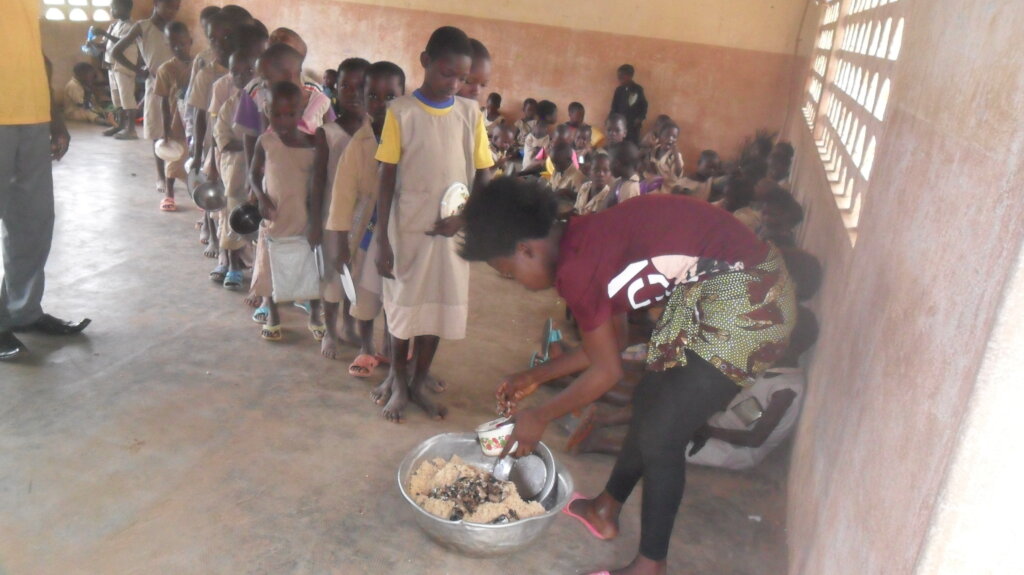
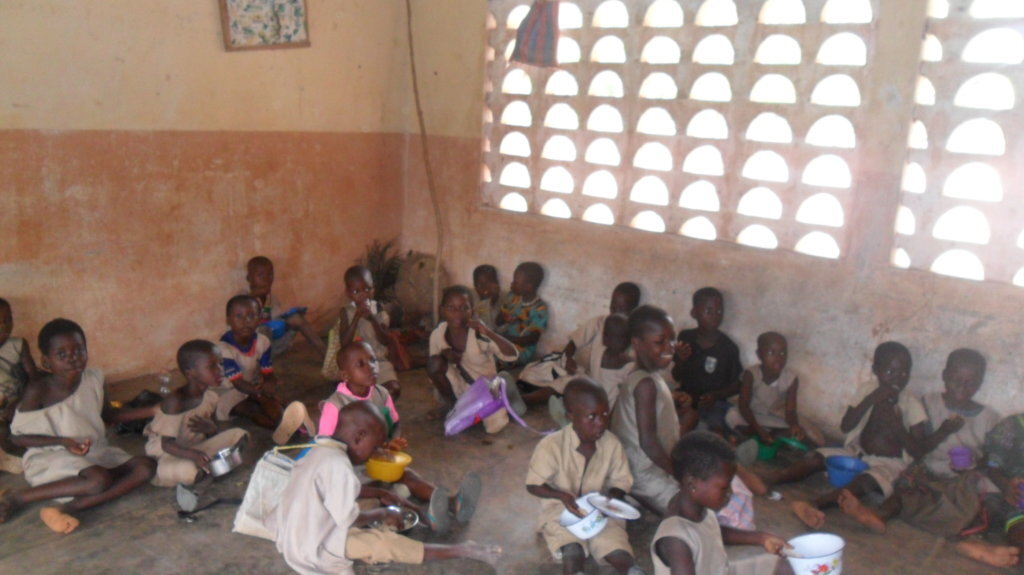
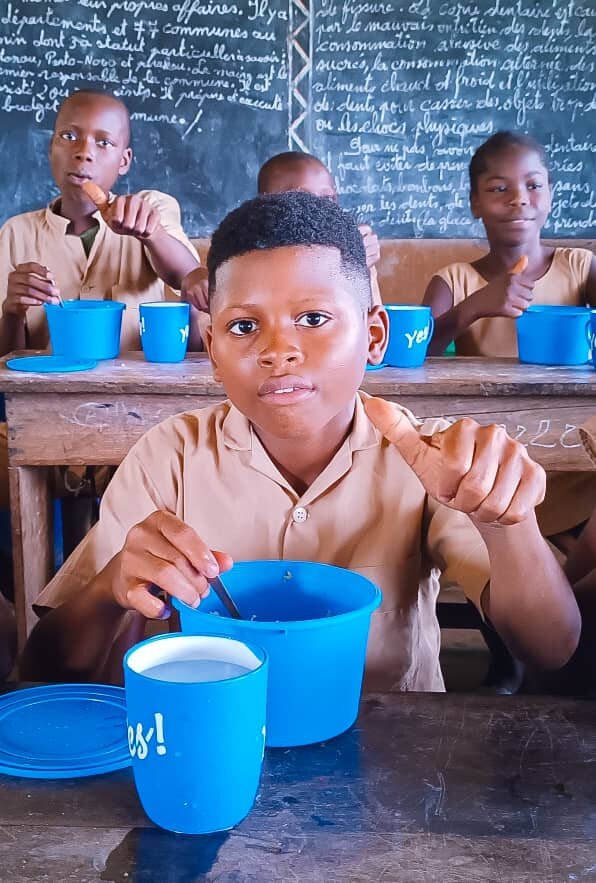
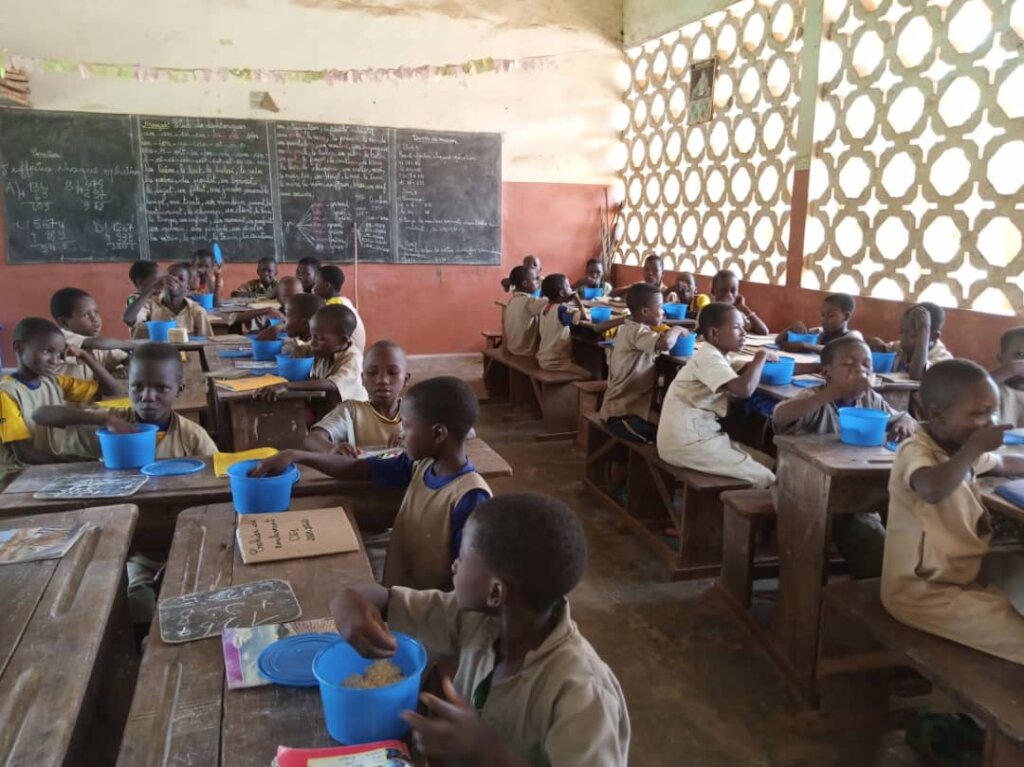
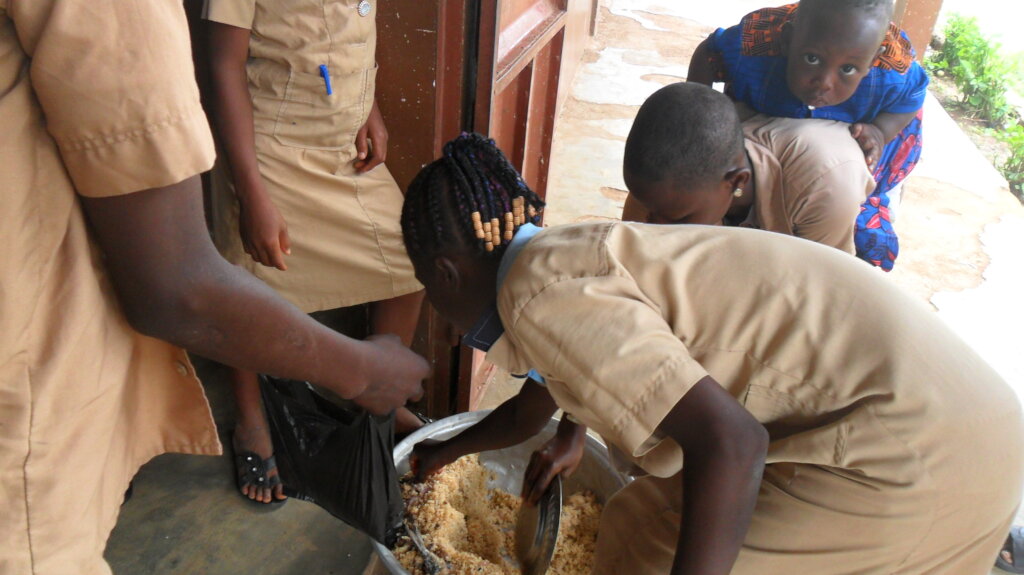
Thanks to donations from altruistic supporters and a strategic partnership with Friends of the United States of America, under the leadership of the Honorary President of Education and Development, ONGED significantly strengthened its school meal program in 2025, achieving the following:
Results Achieved
The program’s impact is evident at multiple levels:
According to a teacher at Kpodaha Public Primary School:
"Before, children were often absent or apathetic in class. Today, they participate actively and ask relevant questions."
2. PILOT EMERGENCY CANTEEN PROJECT FOR EXAM CANDIDATES IN APLAHOUÉ
Situation Assessment
National examination periods systematically coincide with the lean season, a critical phase marked by food shortages in rural areas. This situation severely compromises exam preparation and deepens inequalities between urban and rural students.
In Aplahoué, 185 candidates for the BEPC and Baccalaureate exams faced acute food insecurity during this decisive period.
Intervention Implemented
ONGED developed a targeted, temporary humanitarian response:
Funding for this initiative was provided by the Honorary President, demonstrating the strong commitment of our international partners to educational equity.
Measured Impact
Results confirm the effectiveness of this innovative approach:
Building on this success—and above all, thanks to your donations—ONGED aims to expand this model to other localities and establish a network of emergency exam canteens, thereby institutionalizing this innovative practice.
3. DISTRIBUTION OF SCHOOL UNIFORMS: REMOVING BARRIERS TO INCLUSION
Problem Analysis
In rural Benin, the school uniform goes beyond its clothing function. It is a condition for school access, a symbol of belonging, and paradoxically, an invisible barrier for impoverished families. In the Couffo department, where more than half of households live below the poverty line, girls are the first victims of exclusion based on appearance.
Intervention Conducted
In 2025, ONGED carried out a rigorous identification process and distributed 142 complete school uniforms to the most vulnerable girls in targeted schools.
Outstanding Results
The effects exceeded our initial expectations:
These uniforms did far more than protect from judgment—they restored dignity, renewed the right to fully participate in school life, and opened new horizons of possibility.
4. REHABILITATION OF SCHOOL FURNITURE: CREATING DIGNIFIED LEARNING CONDITIONS
Initial Situation
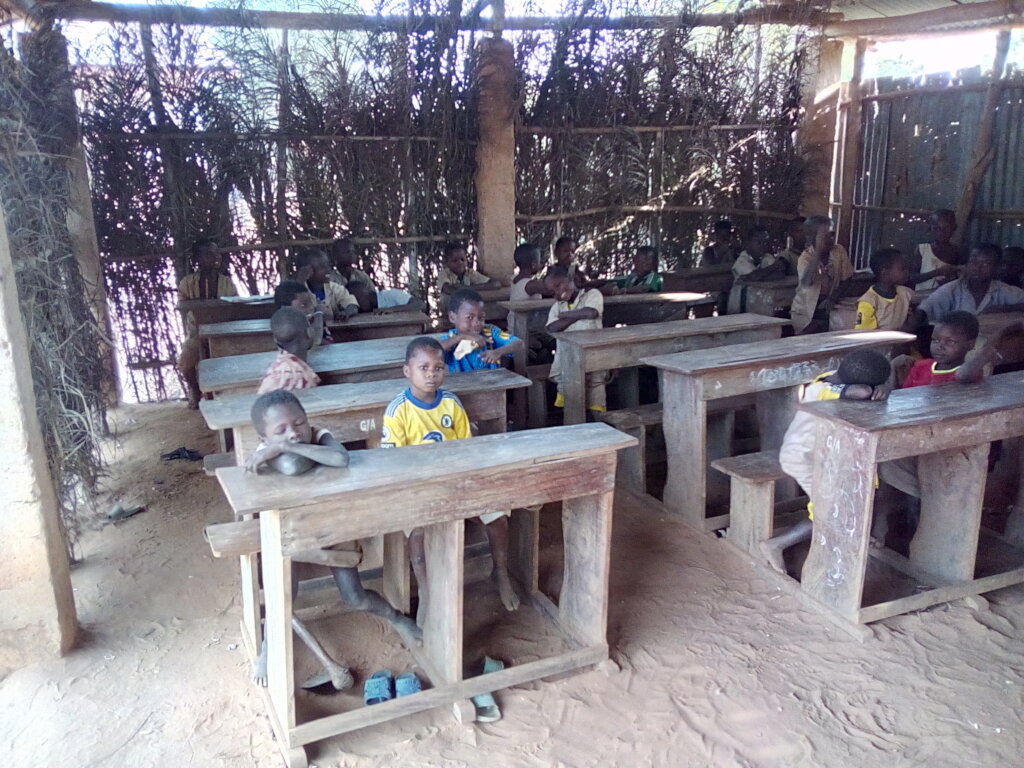
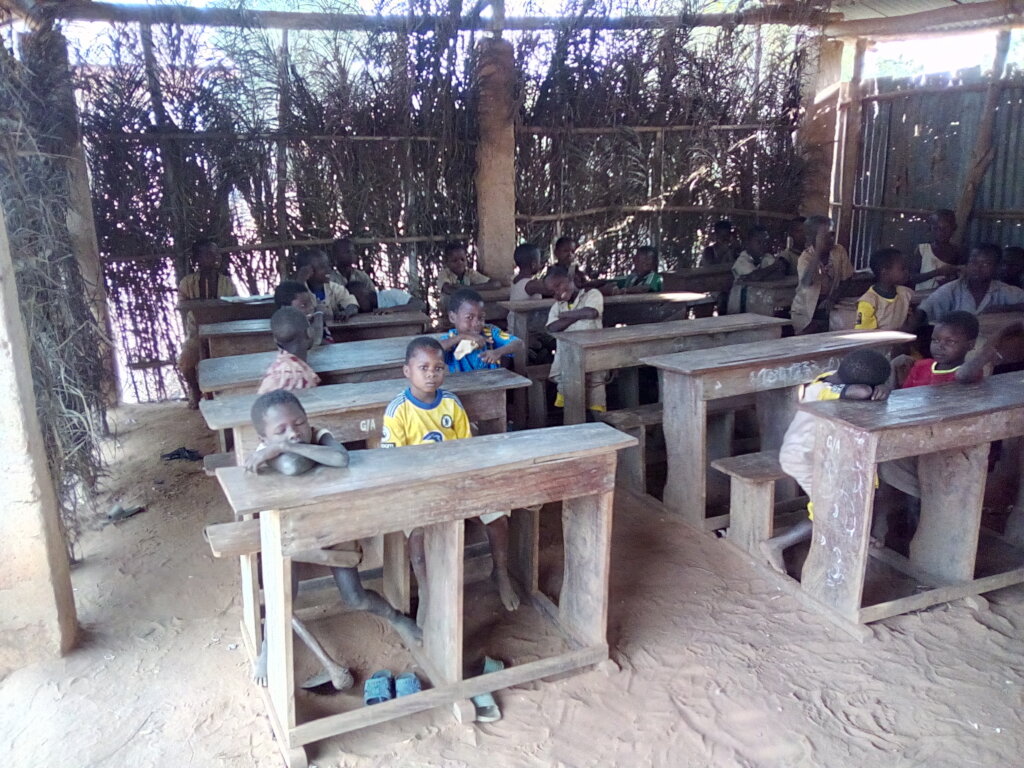
In several secondary schools in Couffo, poor material conditions posed a major obstacle to quality education. Severely damaged, unstable, or insufficient desks led to overcrowding (three to four students per desk designed for two), undermining concentration, writing posture, and increasing health risks.
Rehabilitation Program
With financial support from American donors, ONGED launched a rehabilitation project targeting three strategic schools:
Priority was given to the local economy by contracting regional carpenters, creating a multiplier effect on local economic development.
Concrete Achievements
Observed Benefits
5. CONSTRUCTION OF GIRLS’ LATRINES: PROTECTING DIGNITY AND PREVENTING DROPOUT
Identified Challenge
The absence of gender-separated sanitation facilities is a major cause of girls’ school dropout in rural Benin. In Aplahoué, girls faced daily humiliation, harassment risks, and menstruation-related absenteeism, jeopardizing their education.
Innovative Solution Implemented
ONGED developed an integrated approach combining infrastructure and psychosocial support:
Beyond sanitation, these spaces were transformed into sources of inspiration and self-esteem through motivational messages highlighting exemplary female role models from Benin and Africa—ministers, World Bank executives, scientists, and academics.
Educational and Inclusive Dimension
The inspirational messages were designed to be accessible to all literacy levels, including struggling readers. This approach transforms a utilitarian space into a place of personal development and empowerment. Further details, images, and messages will be shared on our website.
Multidimensional Impacts
6. CONSTRUCTION OF A FIBA-STANDARD BASKETBALL COURT: SPORT AS AN EDUCATIONAL TOOL
Project Rationale
In response to a request from CEG1 of Dogbo, ONGED undertook the construction of a basketball court meeting International Basketball Federation (FIBA) standards. Generous donors and the Honorary President played a decisive role by fully financing the project, despite a tripling of costs due to higher technical standards.
Strategic Vision
This infrastructure goes far beyond recreation. It reflects a holistic vision of education in which sport becomes a full-fledged pedagogical tool, complementing academic instruction.
Uses and Benefits
The court now hosts:
Values Transmitted
Beyond physical development, basketball teaches essential civic skills: self-discipline, teamwork, respect for rules, resilience in failure and success, and leadership.
CONCLUSION: TOWARD AN INTEGRATED AND SUSTAINABLE EDUCATIONAL ECOSYSTEM
Thanks to your generosity, 2025 marked a decisive step in transforming rural education in Benin. ONGED demonstrated that a holistic, multidimensional approach can create a true educational ecosystem where feeding, clothing, protecting, equipping, and inspiring are inseparable pillars of a single mission: ensuring every child, without distinction, has a real chance to succeed.
A Coherent Philosophy of Action
Our interventions are grounded in the deep conviction that school failure is not an individual fatality but the result of social determinants that can—and must—be addressed. Every meal served, every uniform distributed, every desk repaired, every latrine built, every dribble on the FIBA court represents an act of faith in the future and a rejection of educational injustice.
An Exemplary Partnership
These achievements would not have been possible without the exceptional commitment of our partners and donors on the GlobalGiving platform, whose generosity and strategic vision significantly amplified our field impact.
Mobilized Communities
Beyond infrastructure and material resources, the lasting success of our interventions relies on the engagement of local communities, teachers, parents, and students themselves. Together, we are building an inclusive and resilient education model.
Our Renewed Commitment
ONGED reaffirms its fundamental promise: no talent will be sacrificed to hunger, shame, or indifference. The children we support today are the citizens, leaders, and builders of tomorrow. By investing in their education, we invest in the future of Benin and of Africa as a whole.
The exceptional results achieved in 2025 encourage us to continue and intensify our efforts. We call upon all development stakeholders—public institutions, private partners, international organizations, and engaged citizens—to join this educational transformation that restores hope and dignity to children in rural areas.
Because every child deserves a place in the world, and education remains the most powerful lever for collective empowerment.
Project reports on GlobalGiving are posted directly to globalgiving.org by Project Leaders as they are completed, generally every 3-4 months. To protect the integrity of these documents, GlobalGiving does not alter them; therefore you may find some language or formatting issues.
If you donate to this project or have donated to this project, you can receive an email when this project posts a report. You can also subscribe for reports without donating.



Support this important cause by creating a personalized fundraising page.
Start a Fundraiser