By Gurbet EYO | STL Field Worker
I got to know Sabah in Adana, during our field activities focusing on women’s empowerment. Sabah was married to a distant relative in Syria at a young age and lived relatively ‘normally’ until the war broke out. Once the clashes became widespread and her husband joined an armed group, her life changed altogether.
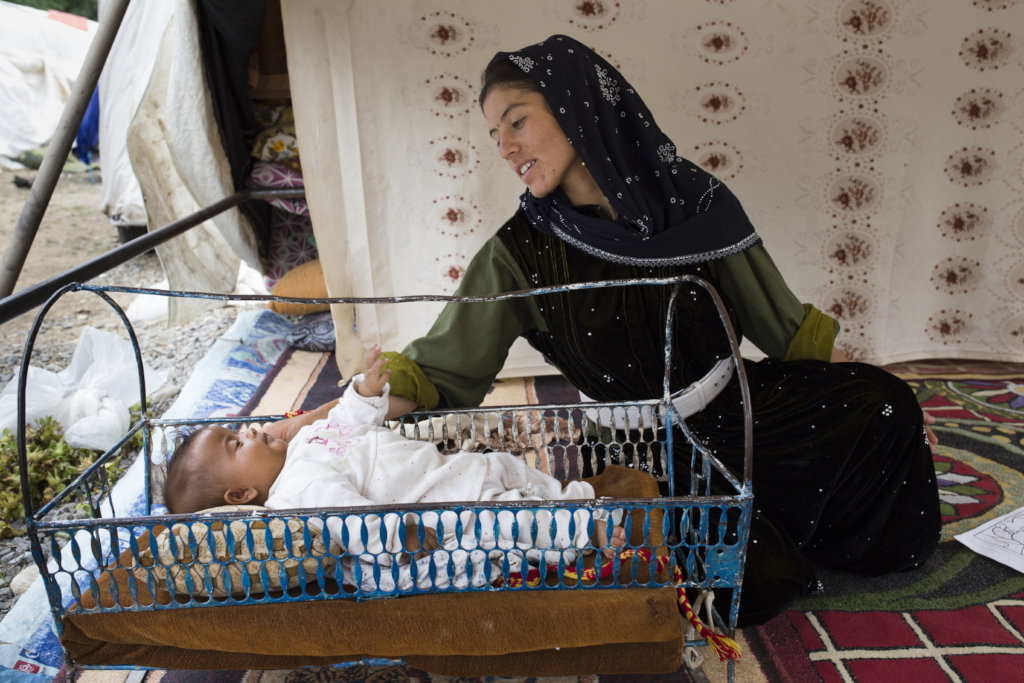
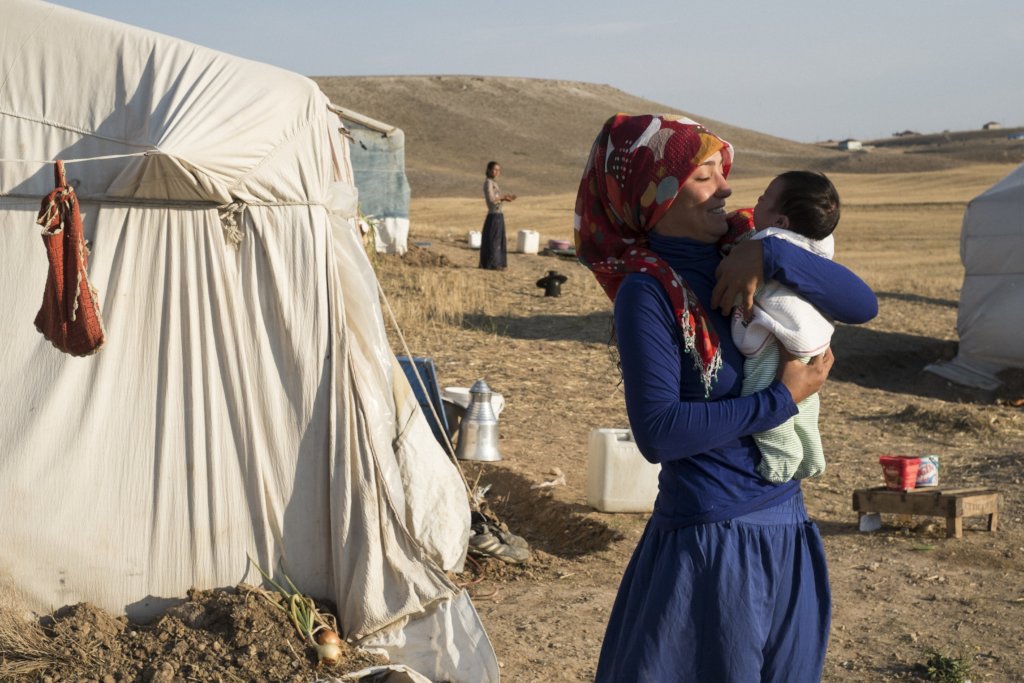
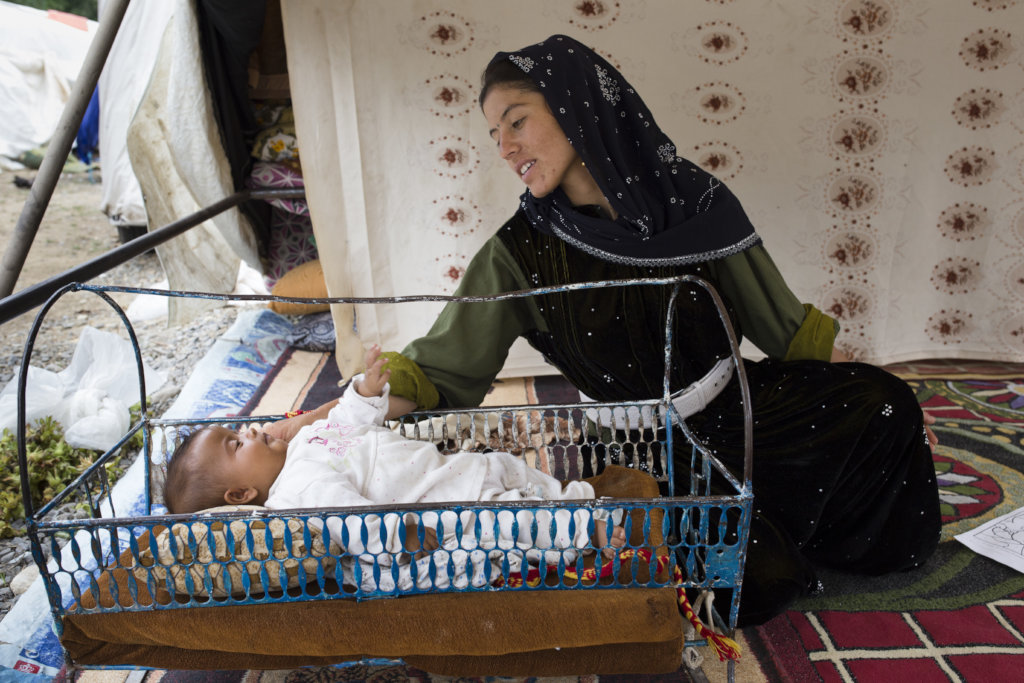
In the harsh circumstances of war, and in the absence of her husband, she did all in her power to keep her children safe as much as she could – like so many mothers were doing as this manmade disaster unfolded. Alas, their home was hit by an airstrike and they relocated to a camp outside the city. She can only find two words to describe the circumstances of the camp: “So hard.”
And then came the news of her husbands’ death. She has no words to describe the moment, but her teary eyes communicate the pain thoroughly.
Sabah and her kids stayed in that camp for more than a year. Then her family began speaking of a custom to protect the honour of the family. She was expected to marry the brother of her husband. She objected to this custom, refused to remarry and decided to cross the border to Turkey to live with other distant relatives.
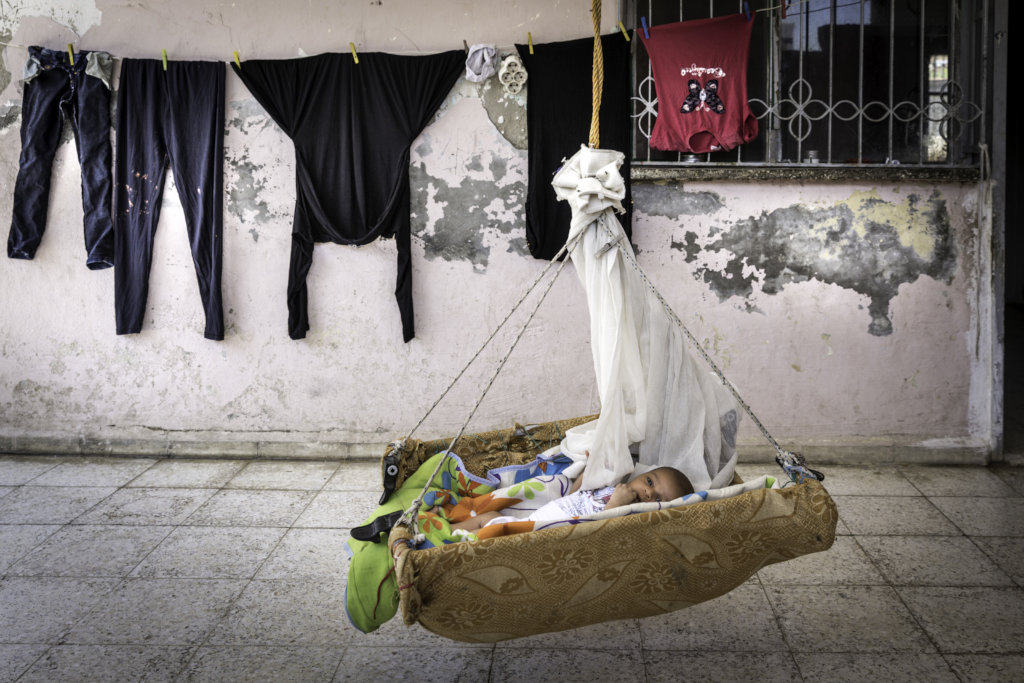
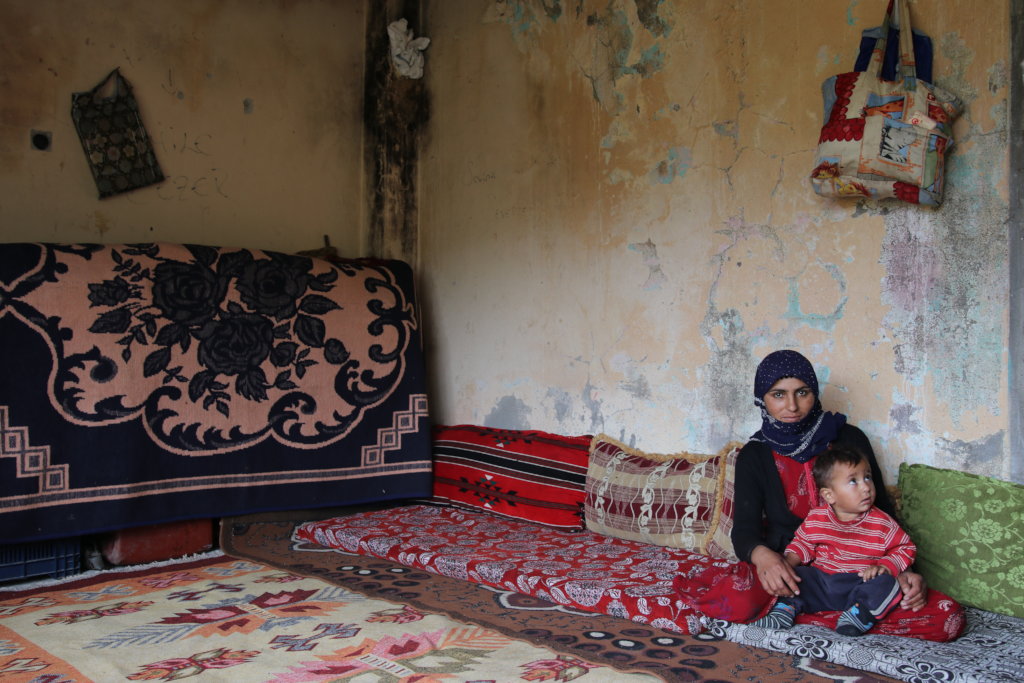
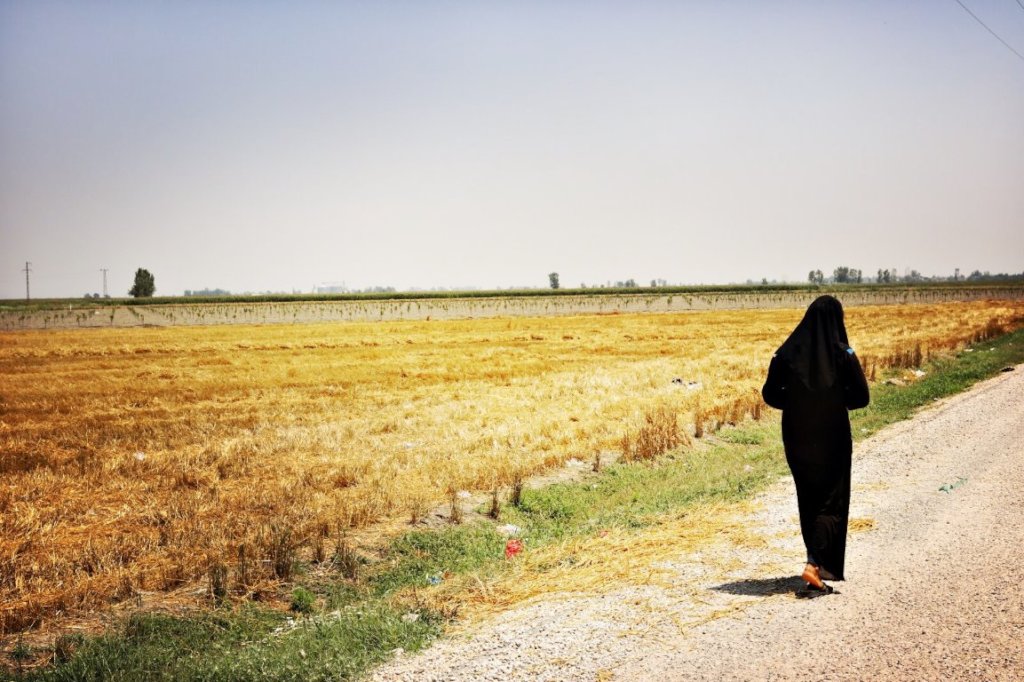
Yet, the living conditions in their new address was not an improvement in any way. The only livelihood opportunity they had available to them was to join the workforce in seasonal agriculture. They were toiling for long days without end and for very little pay. To earn a living, she went straight to work – with no time to register herself or children to local authorities, without any form of insurance or social security.
Seasonal agriculture work is especially harsh on women. The environment is physically, socially and psychologically challenging with ‘disaster-like’ conditions of shelter, sanitation and hygiene. The seclusion brings along all sorts of risks for women especially.
Sabah did the best she could because her only hope was to raise her kids and offer them a safe future. Some days, her 14-year-old son would have to head to the fields, the middle child would deal with the chores back at the tent, and the youngest one would draw a portrait of a man, saying it’s her dad. She recalls these as memories of the past now, and as sources of hope that illuminated the future.
I learned a lot
Project reports on GlobalGiving are posted directly to globalgiving.org by Project Leaders as they are completed, generally every 3-4 months. To protect the integrity of these documents, GlobalGiving does not alter them; therefore you may find some language or formatting issues.
If you donate to this project or have donated to this project, you can receive an email when this project posts a report. You can also subscribe for reports without donating.