By Mirjana Mitic | SOS consultant
Over the past decade, Serbia has become a new destination for thousands of foreign workers. In 2012, there were just over 4,000 immigrants in the country. By 2023, that number had risen almost tenfold, reaching more than 41,000 people — the highest number ever recorded. Most come from Russia, China, Turkey, and India, often with the hope of building a better life for themselves and their families.
But behind these numbers lie untold stories of exploitation, fear, and survival. Official statistics are missing critical details: What jobs do these workers perform? How long do they stay? What are their living and working conditions? These gaps make it harder to protect people. At ASTRA, through direct support to workers, we have seen the reality — and it is far from safe.
Different risks for men and women
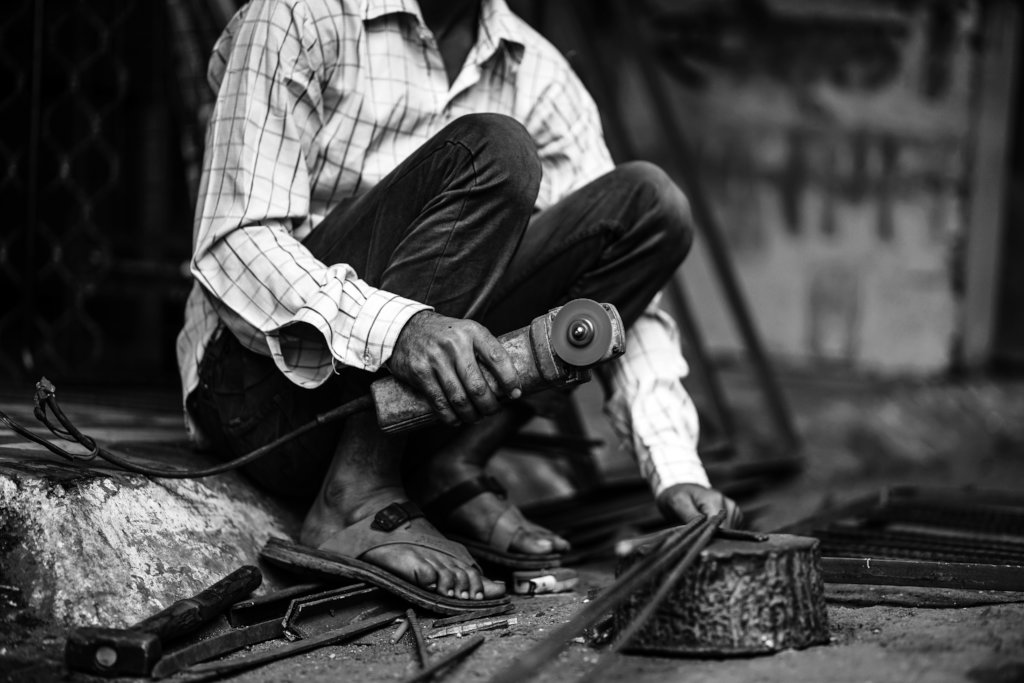
Exploitation does not look the same for everyone. For men, it often means withheld salaries, debt to recruitment agencies, unsafe housing, and the constant threat of deportation. Many pay thousands of euros in recruitment fees just to arrive in Serbia. Once here, they face contracts they cannot understand, restricted movement, and abuse from employers.
One worker from Burundi told us, “The agents kept talking about criminal activities. They showed me videos and pictures of other workers being beaten when they tried to leave. They bragged about their connections with the police. I was terrified. I didn’t dare ask for higher pay, better conditions, or legal status in Serbia.”
For women, exploitation carries an additional, gendered dimension. Beyond unpaid wages or threats, women often experience sexual harassment and gender-based violence. One woman who arrived with a work visa to perform household chores was forced by her employer to accept humiliating demands, including sexual harassment, out of fear of losing her job and residency status. Another woman, after leaving an exploitative workplace and finding a safer job, was subjected to intimate partner violence. Even after legal protection was granted, her employer insisted that she return to live in the same collective housing as her abuser.
These examples show clearly: women migrant workers face double vulnerability — as workers and as women.
How ASTRA helps
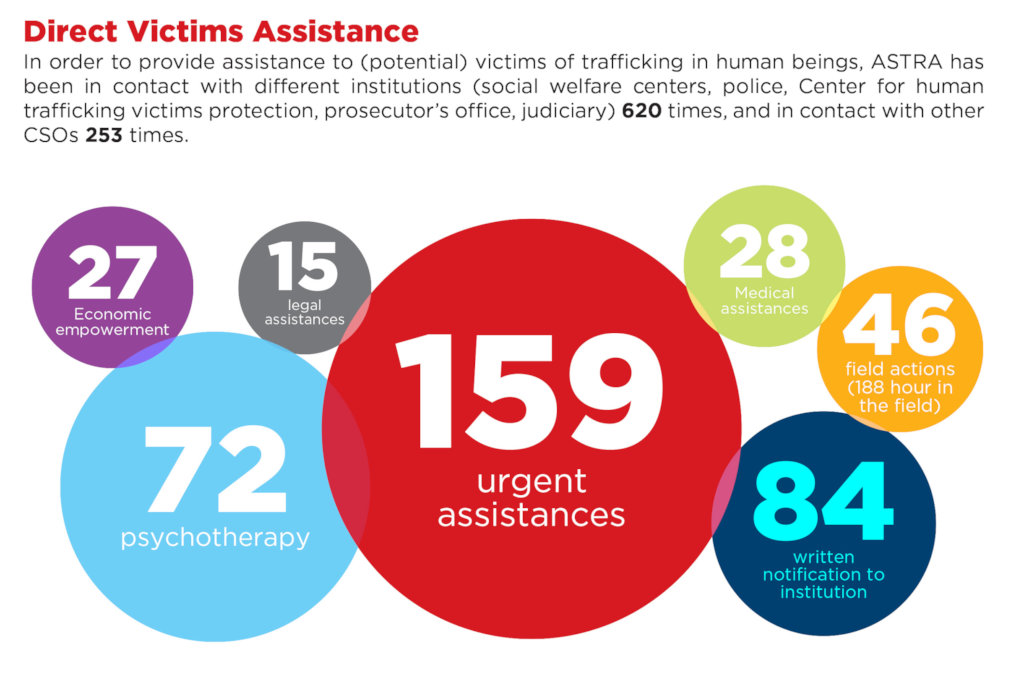
When workers come to us, they are often hungry, exhausted, and frightened. Our team provides urgent assistance:
But beyond practical help, we give them something just as vital: the knowledge that they are not alone.
Every number in the statistics hides a human face. A man too afraid to ask for his wages. A woman choosing between her safety and her job. A worker trapped by threats, debts, and fear.
With your support, ASTRA can continue to respond to these realities: to provide safety, dignity, and a way forward for people who came to Serbia in search of opportunity, but instead found exploitation.
Project reports on GlobalGiving are posted directly to globalgiving.org by Project Leaders as they are completed, generally every 3-4 months. To protect the integrity of these documents, GlobalGiving does not alter them; therefore you may find some language or formatting issues.
If you donate to this project or have donated to this project, you can receive an email when this project posts a report. You can also subscribe for reports without donating.



Support this important cause by creating a personalized fundraising page.
Start a Fundraiser