By Mena | Community Support Worker, People First
Hi Everyone,
Greetings to you from Bihar in India.
I am Mena a community worker employed by People First
The last two progress reports have been from the women themselves so I thought it be would helpfull this time to give some background information about women in Bihar..
Rural populations severely lack access to basic amenities such as water, electricity and sanitation. Even though water is abundant in this eastern state of India, there appears to be a differential in access to water facilities across social groups. Since managing the household chores is generally a woman’s task, not having easy access to water can create problems for women. Provision of electricity makes mobility of women safer and easier to some extent. Poor sanitary conditions expose women to disease and make them vulnerable to assaults. Efforts to provide these basic amenities, especially in rural areas, can help in improving the condition of women tremendously.
Bihar reported the lowest female literacy rates in 2012 out of all the states and union territories in India. The average educational level of women in Bihar was lower than that of men, which was itself very low in comparison to other states in the country. Therefore, the literacy gap in Bihar is lower than states such as Rajasthan, Jharkhand and Uttar Pradesh.
The practice of giving food grains in lieu of wages was reported from Gaya, Madhepura, Nalanda and in a small measure from Rohtas. Women mostly reported that they were getting 4 kg of rice for transplanting and 3 kg of rice for weeding.
In the absence of male members of the family, women often faced barriers in both accessing credit and getting credit on favourable terms. The local moneylender was the main source of credit for women across all the tolas in the absence of male members in the family. While richer, landed women from upper caste households were often able to borrow money from relatives, friends and neighbours, the poorer women had to resort to the moneylender. Interest rates varied from 5–10 per cent per month and women from the poorer communities, like the Chamars, Paswans, Musahars and Mallahs, paid a higher interest rate. Paswan women in Khangaon told us that the regular interest rate paid by them is 6–7 per cent per month but, sometimes, out of helplessness, when money is urgently required, they end up paying 10 per cent. Even in the Brahmin Tola in Jitwarpur women complained, ‘We often have problems getting loan; it’s not easy.’
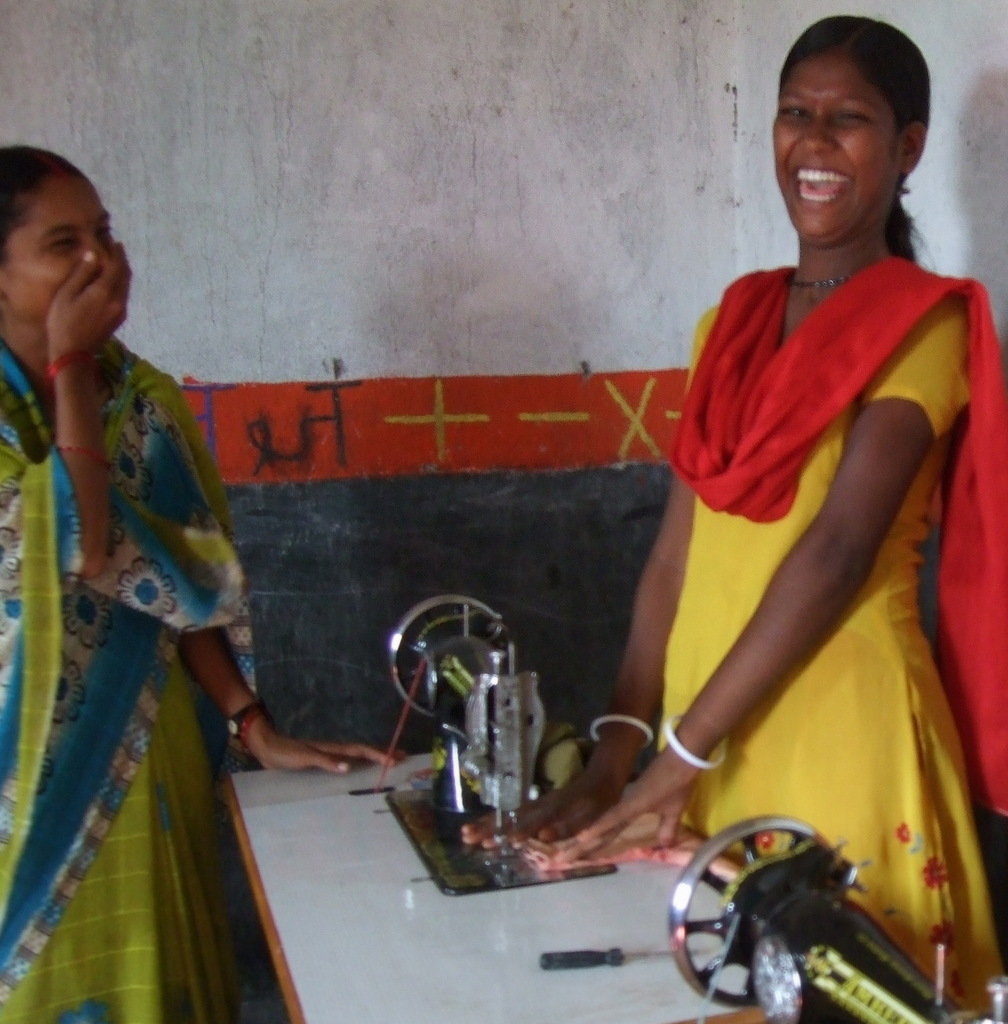
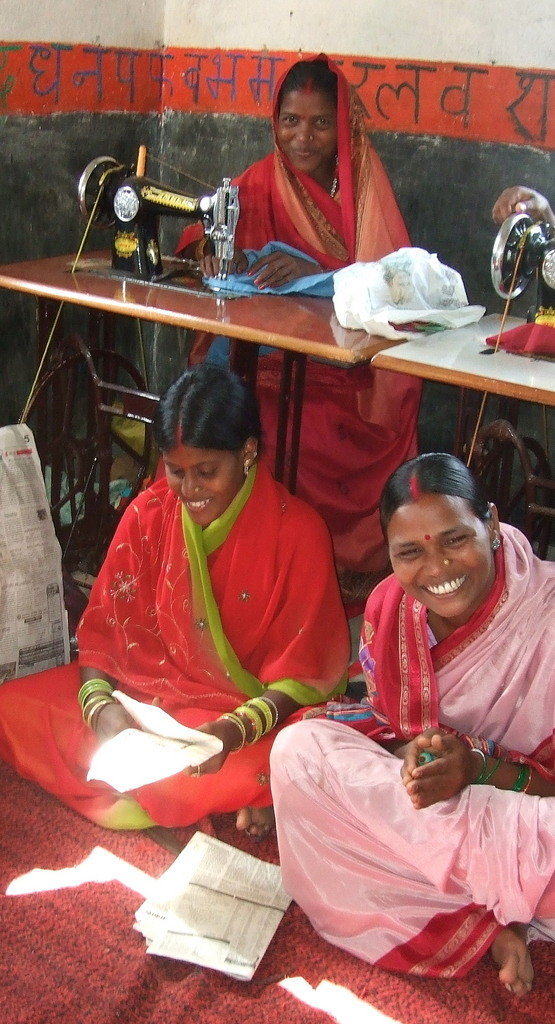
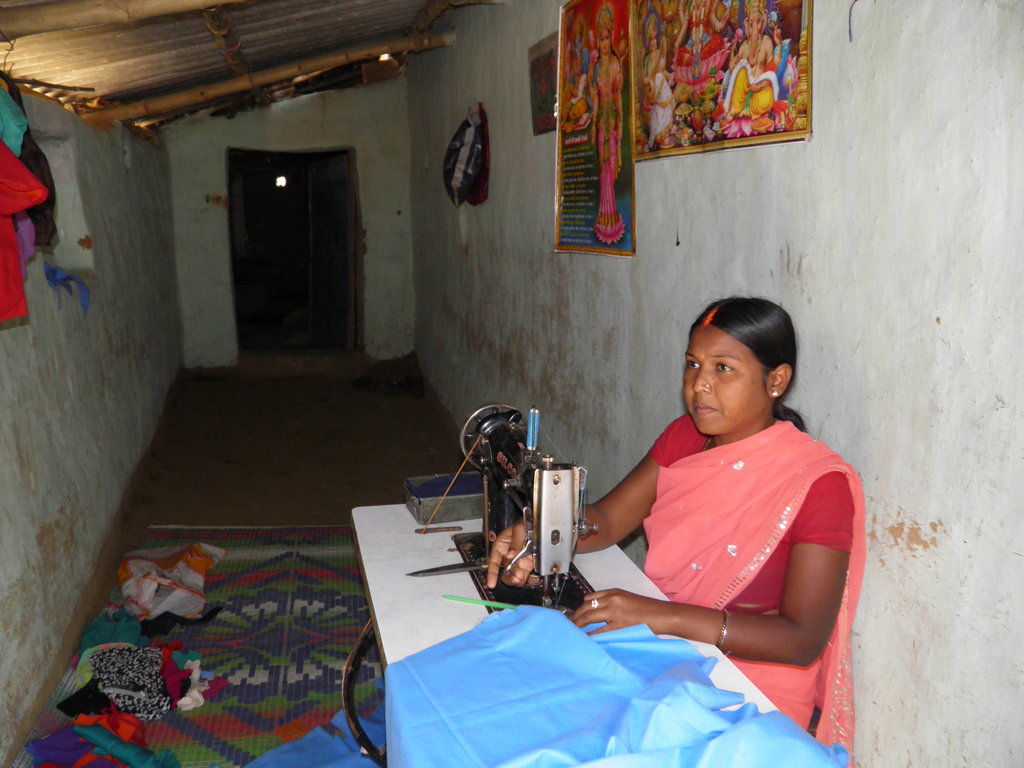
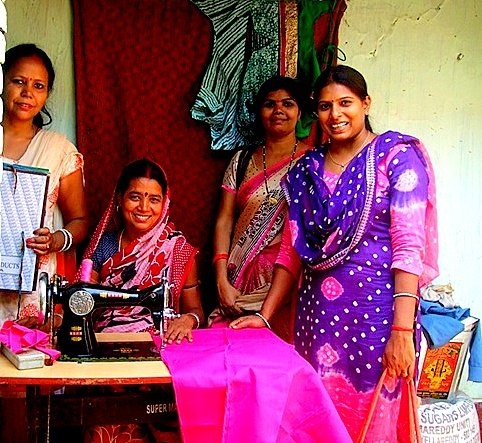
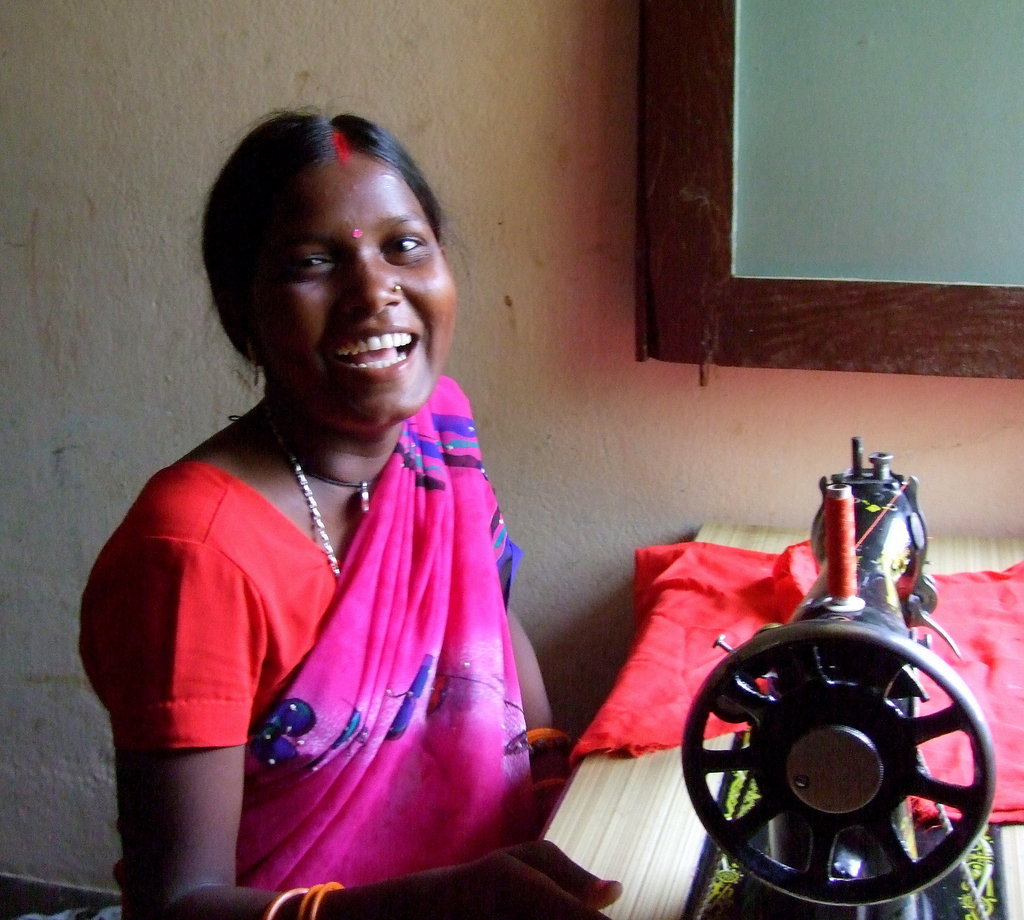
You can see from the above what a vital role the sewing centres play in providing a vital independent source of income for women, support and friendship and strength through unity..helping to break down caste barriers.
Thank you for your support for this project ,next report will be another perspectve from one of the village women,
Mena
PLEASE DO NOT FORGET SEPTEMBER 21st is BONUS DAY ON GLOBAL GIVING
Links:
Project reports on GlobalGiving are posted directly to globalgiving.org by Project Leaders as they are completed, generally every 3-4 months. To protect the integrity of these documents, GlobalGiving does not alter them; therefore you may find some language or formatting issues.
If you donate to this project or have donated to this project, you can receive an email when this project posts a report. You can also subscribe for reports without donating.