By Lisa Lyons | U.S. Director
Many of us think of agriculture as something that happens primarily on a huge commercial scale, during the months encompassing spring through fall.
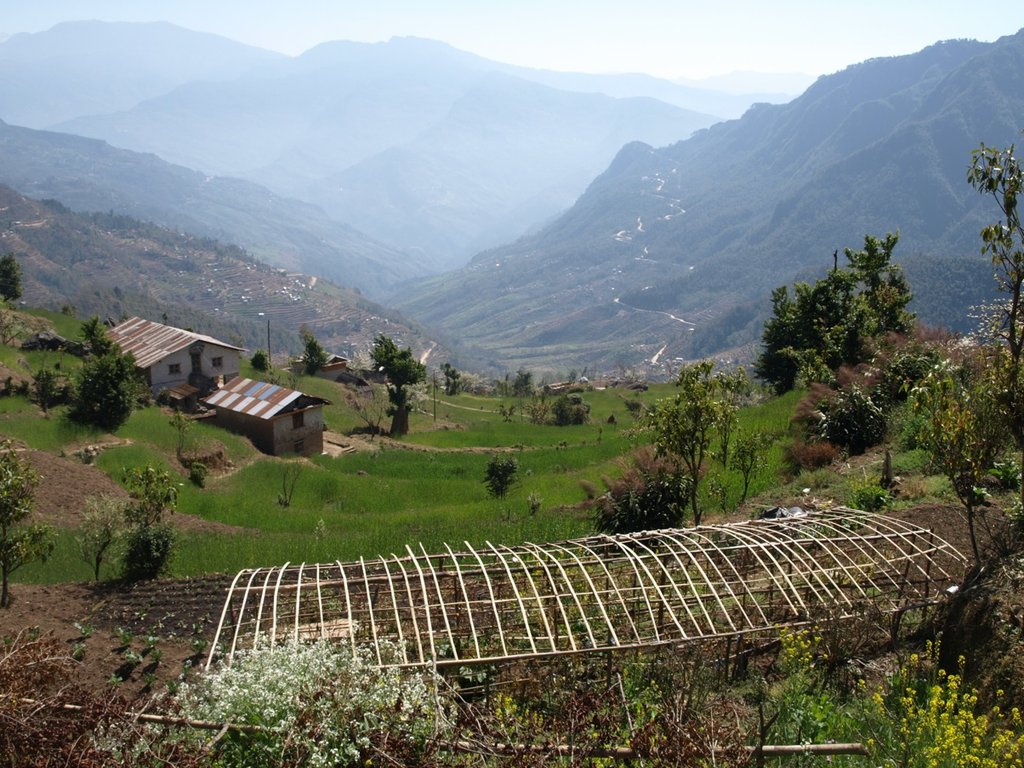
But in Dolakha District, Nepal, sustainable agriculture is a year-round endeavour undertaken by individuals, families, and cooperative groups of friends and neighbors.
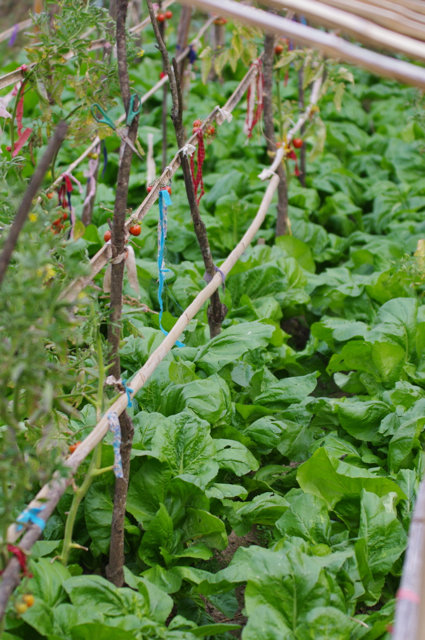
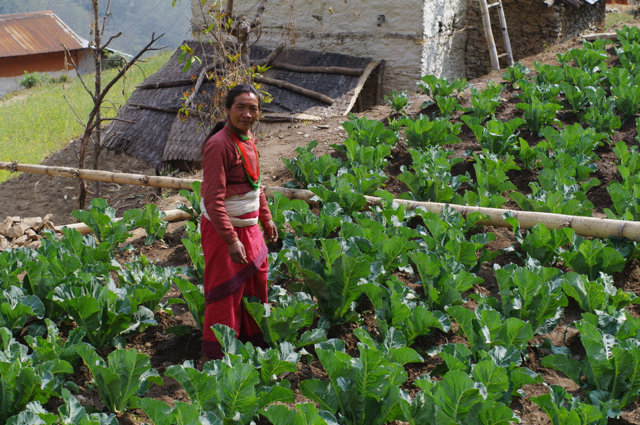
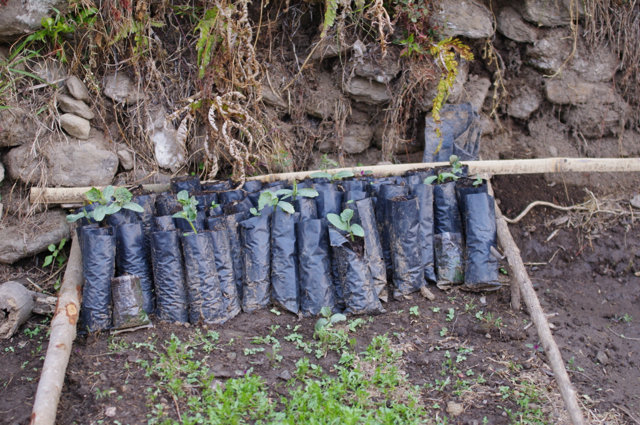
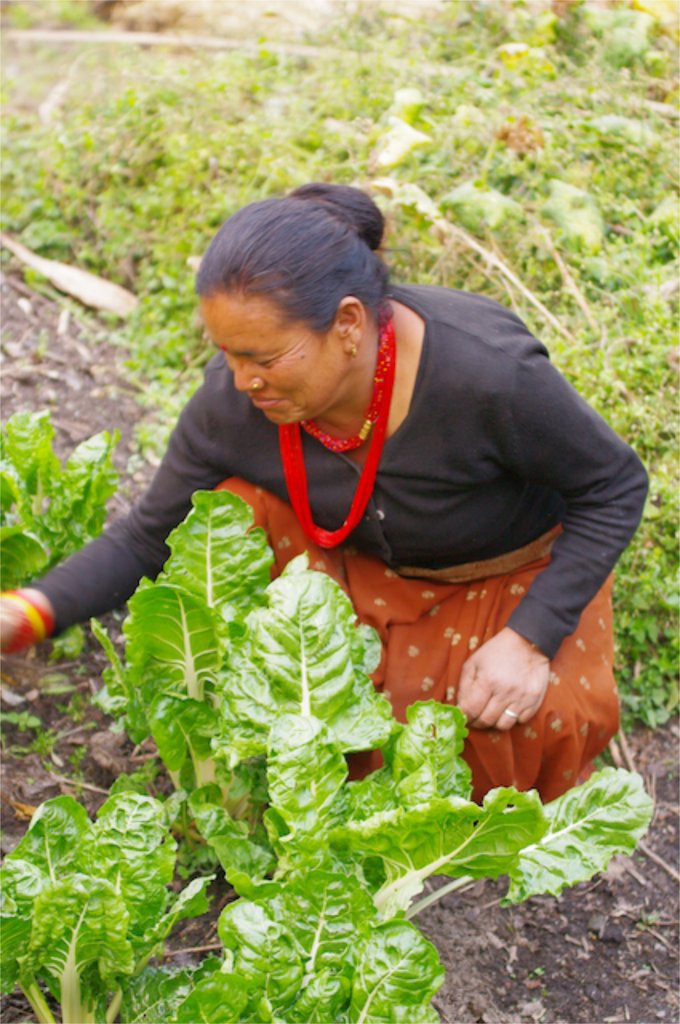
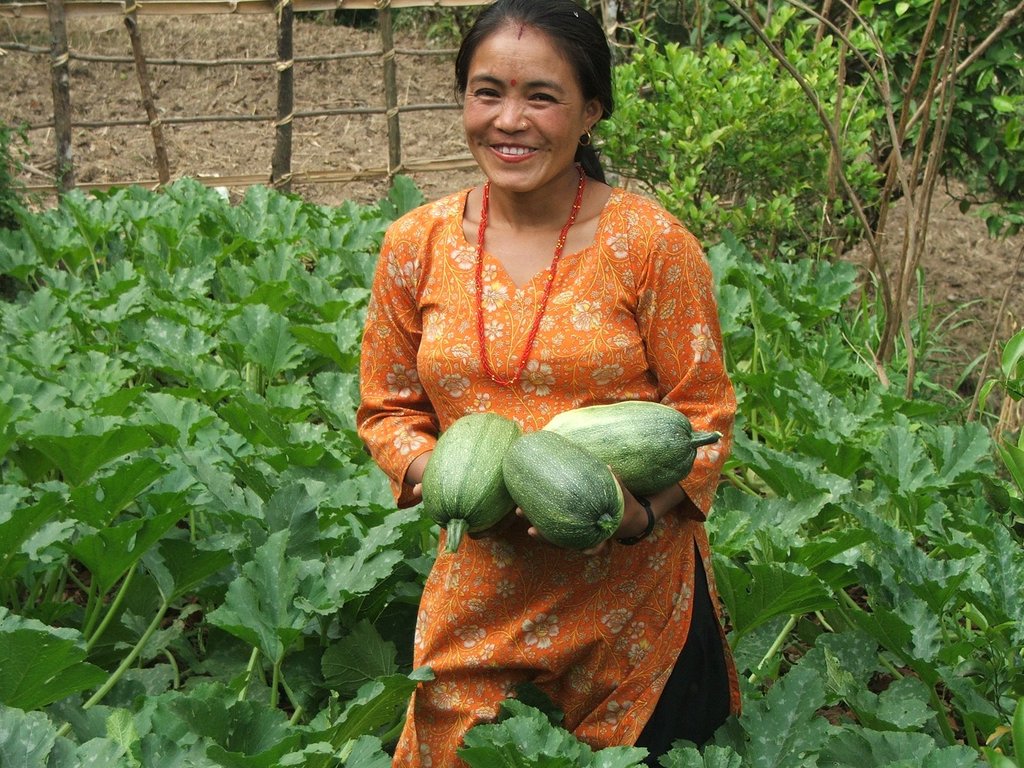
Through Educate the Children, 842 women are receiving the training and supplies they need to grow kitchen gardens year-round. Popular colder-weather crops include cauliflower, broccoli, and green onions. (I have recently returned from a visit to Dolakha, and I ate a LOT of cauliflower - and it was very good.) Now that spring is arriving, the women are ready to grow squash and tomatoes too. Leafy greens are highly nutritious, and different kinds can be grown year-round.
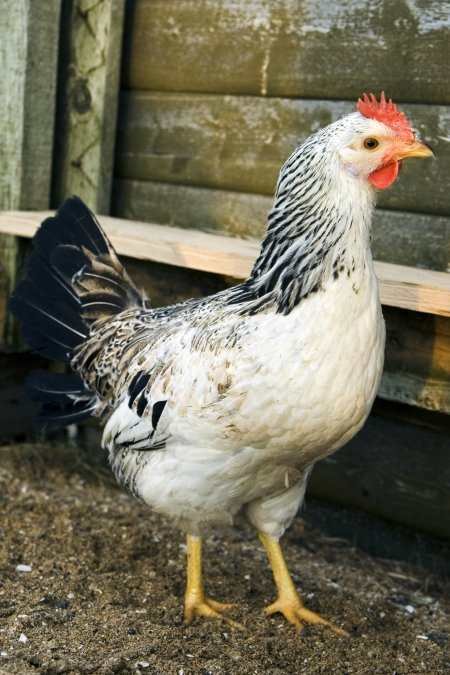
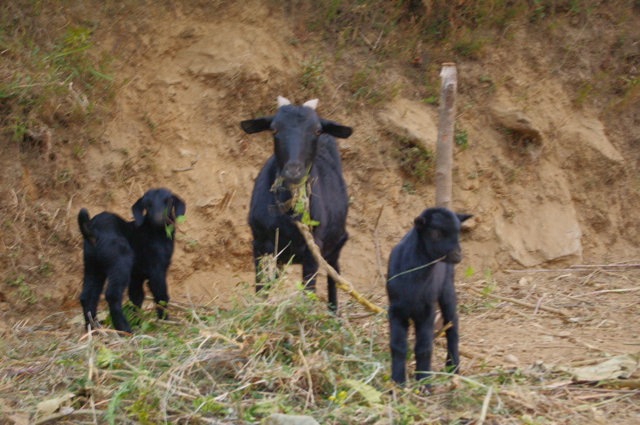
Many women also raise livestock. Goats and poultry are especially popular because they provide milk and eggs for a family to eat, and as with the kitchen gardens, any extra food produced can be sold at market. ETC offers training and resources to help these farmers feed and house their livestock properly, and periodically we also hold animal health clinics. The most recent clinic took place on March 4, 2013 - two veterinarians and five veterinary technicians provided health screenings (including any necessary vaccines) for 3,000 animals!
During the past few months, through GlobalGiving.org, we have been promoting one particular aspect of our sustainable agricultural development programming: Agriculture in Schools. We have reached nearly 70% of our fundraising goal for this purpose, and we again thank those of you who have contributed! Please click here to read more about Agriculture in Schools.
All of these activities are carried out with a couple of basic premises in mind. First, they must be earth-friendly: We teach the preparation and use of non-chemical pesticides and fertilization techniques. Compost pits, for example, are prevalent in kitchen gardens. Second, they must have an enduring impact: By providing the tools and the knowledge, we help ensure that families will always be able to grow and consume wholesome food, and will be less likely to suffer from malnutrition and food insecurity in years to come.
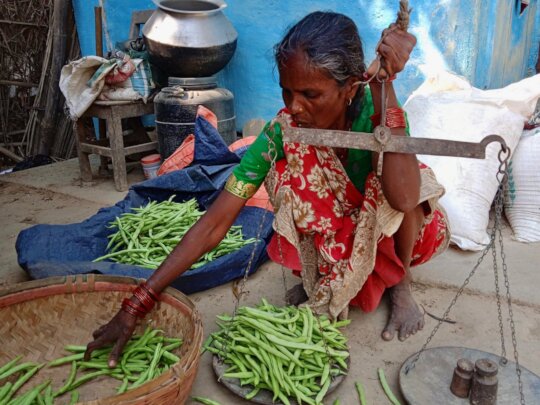
As always, we thank you very much for your support - we really could not do it without you! Please enjoy these photos, which I took during my visit to Dolakha in early March 2013.
Project reports on GlobalGiving are posted directly to globalgiving.org by Project Leaders as they are completed, generally every 3-4 months. To protect the integrity of these documents, GlobalGiving does not alter them; therefore you may find some language or formatting issues.
If you donate to this project or have donated to this project, you can receive an email when this project posts a report. You can also subscribe for reports without donating.