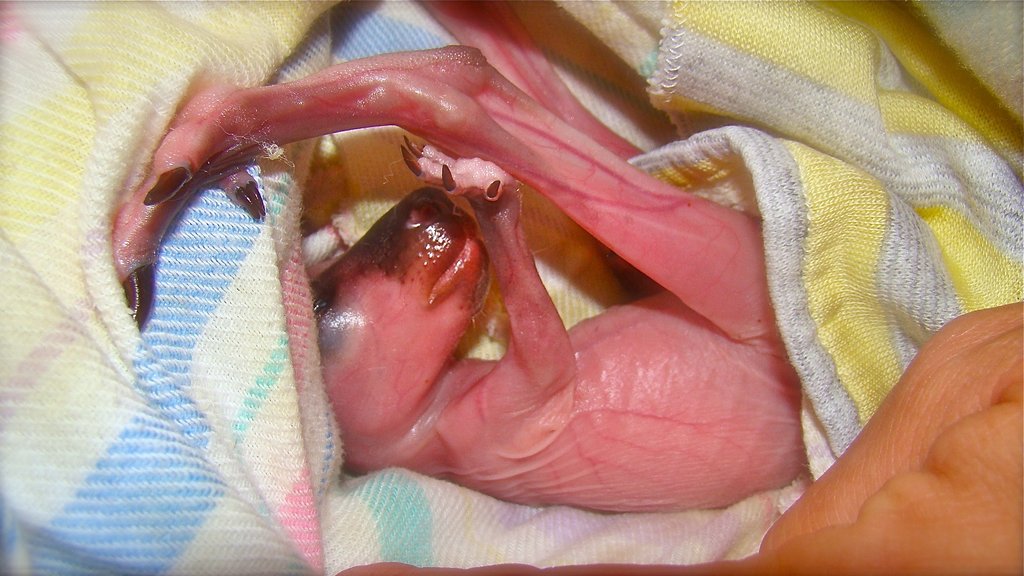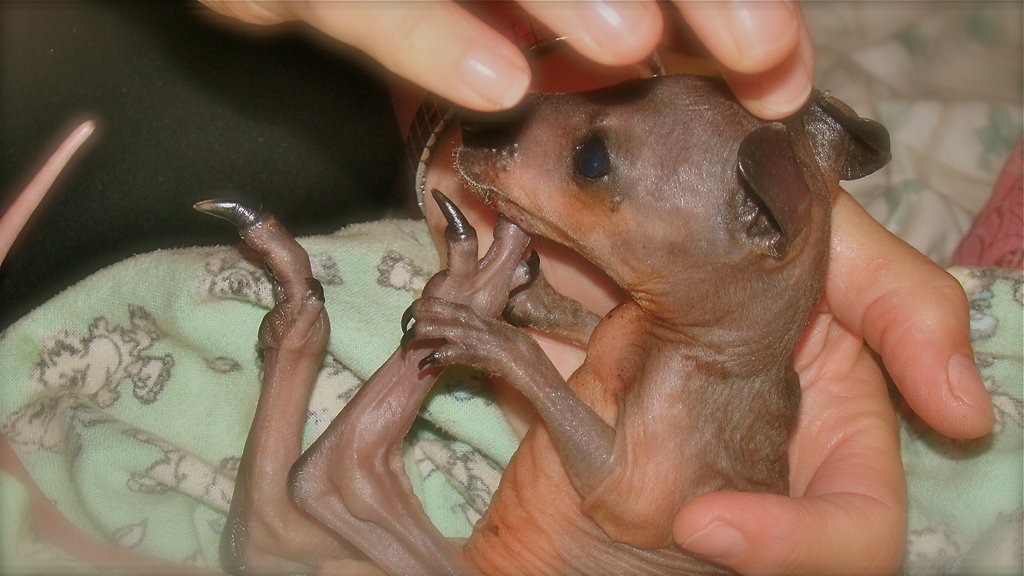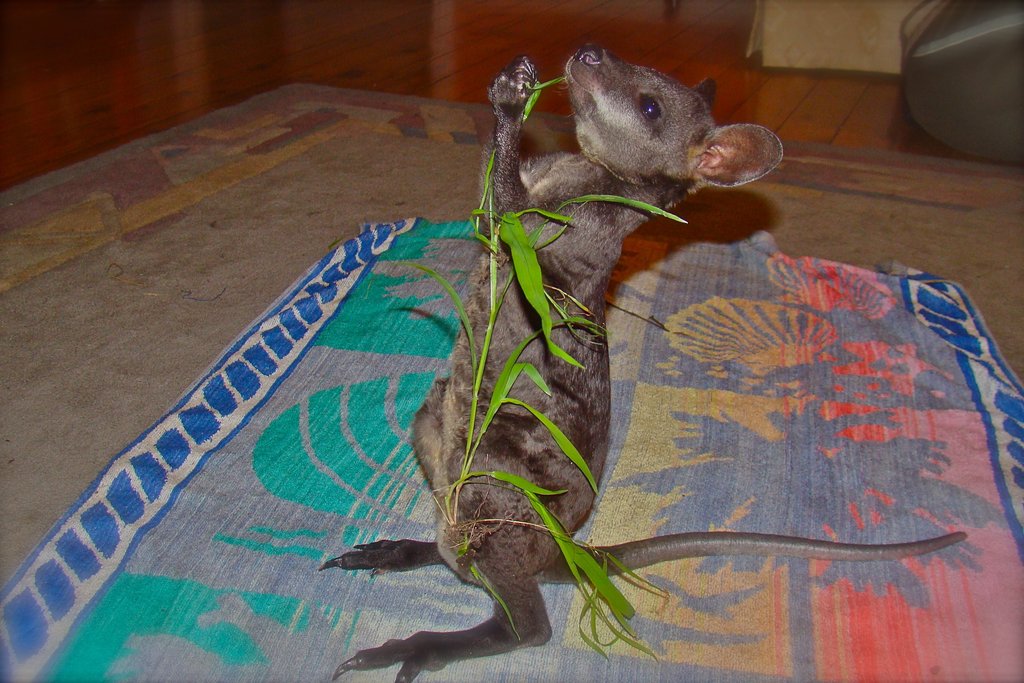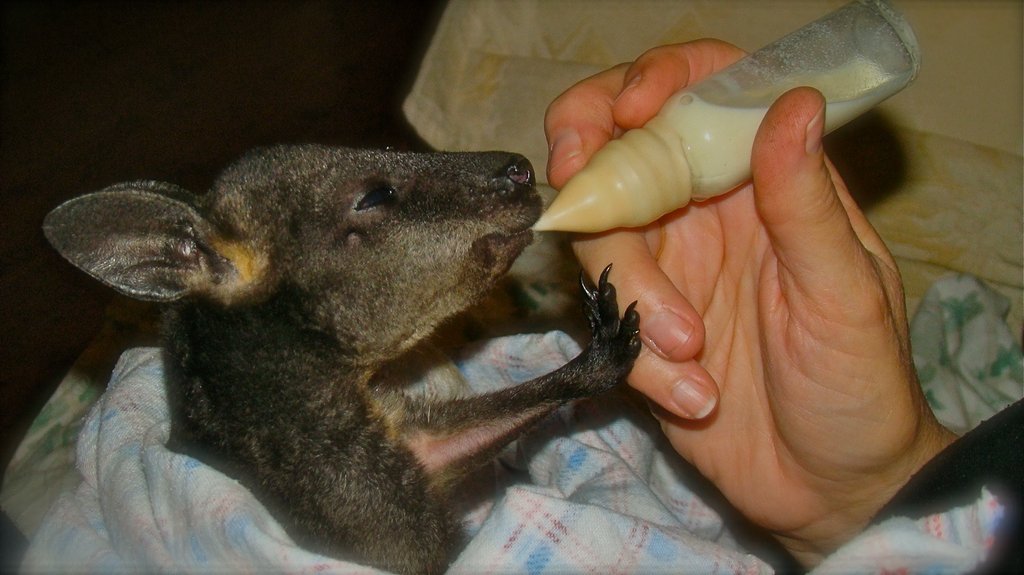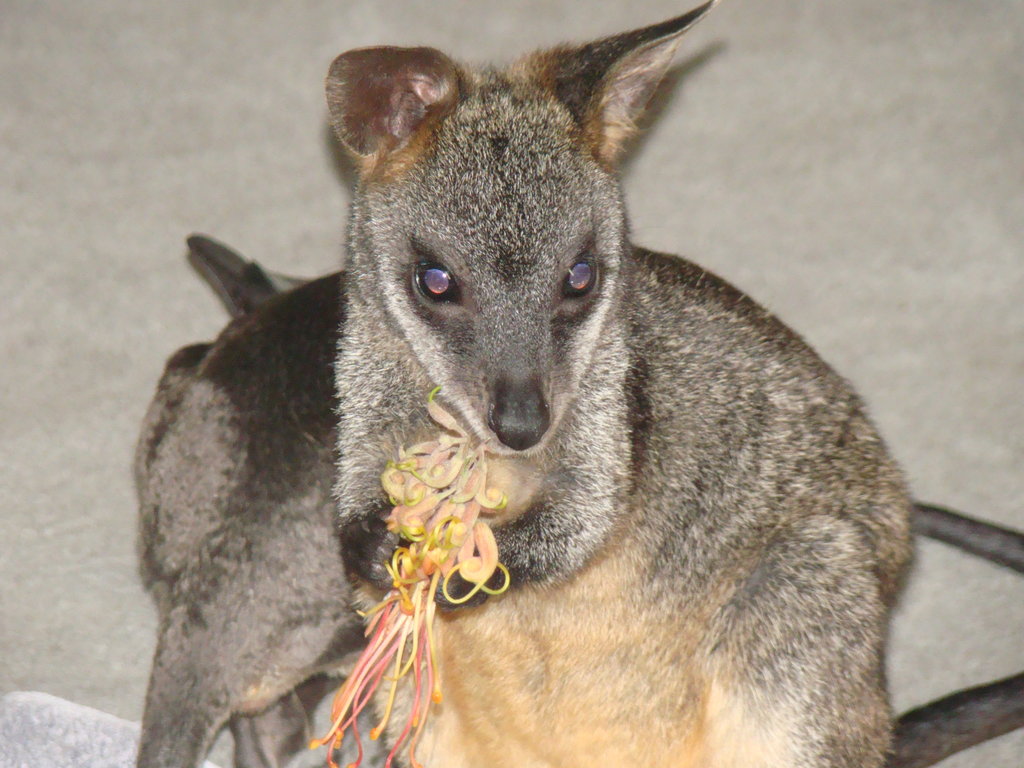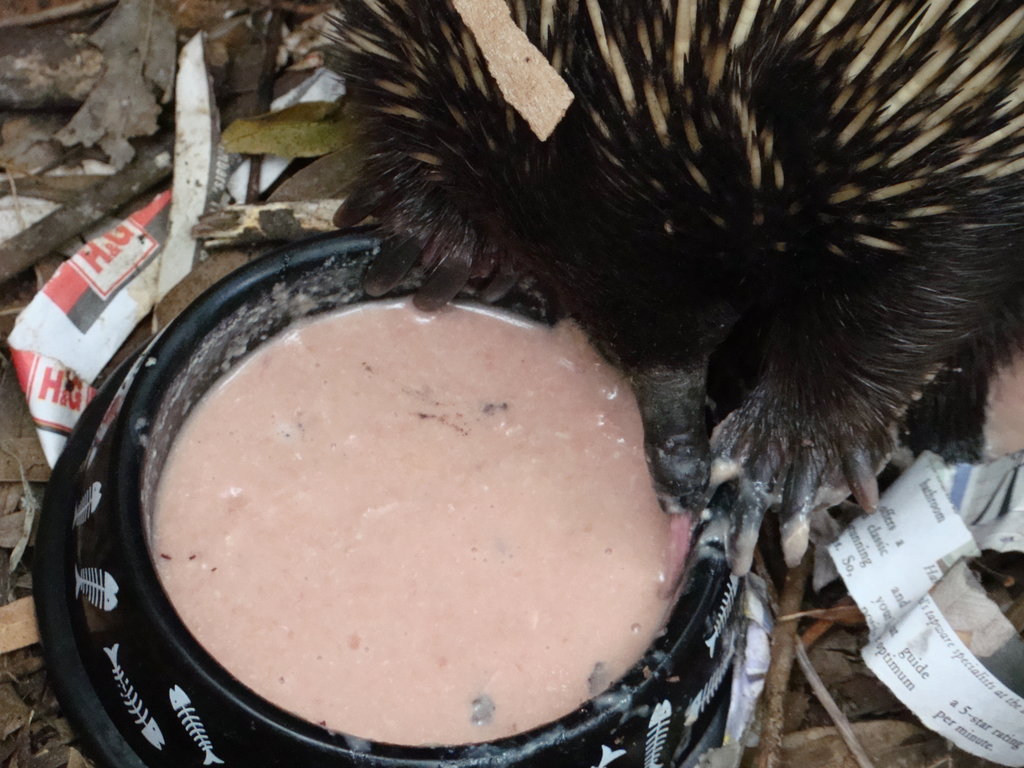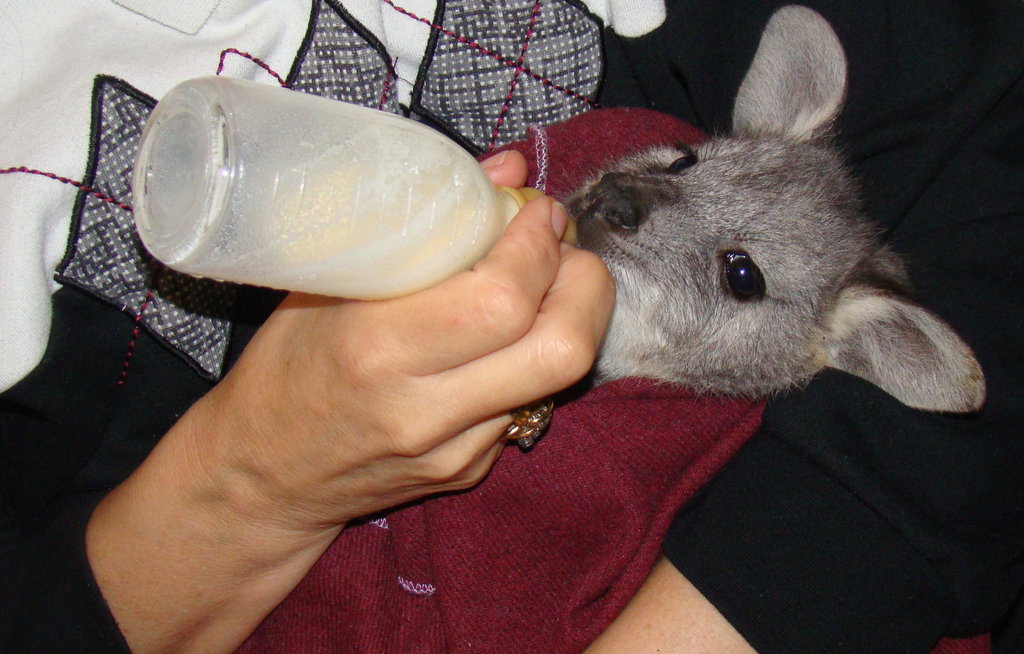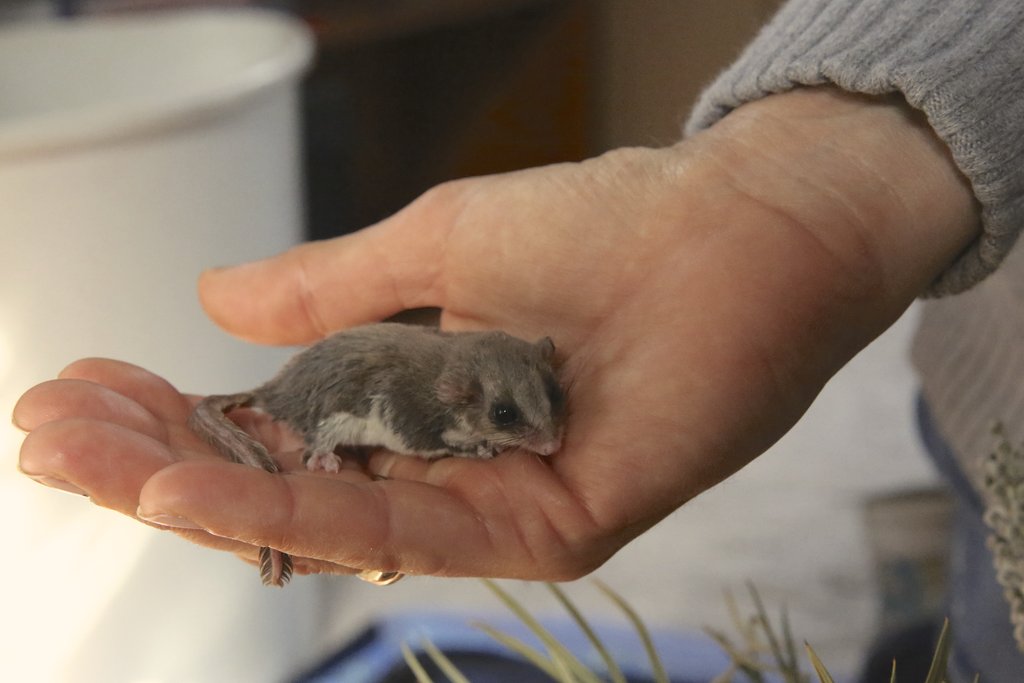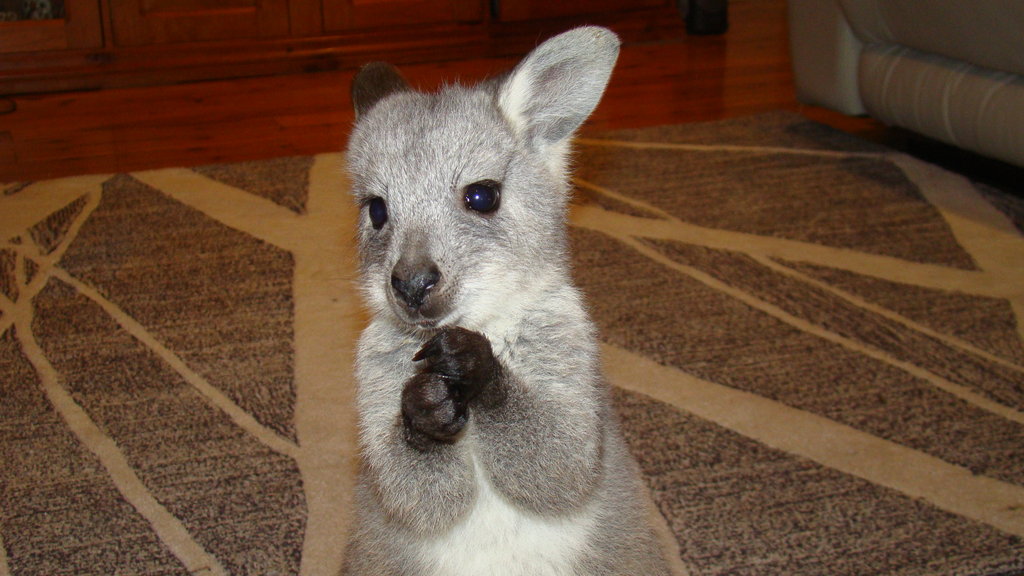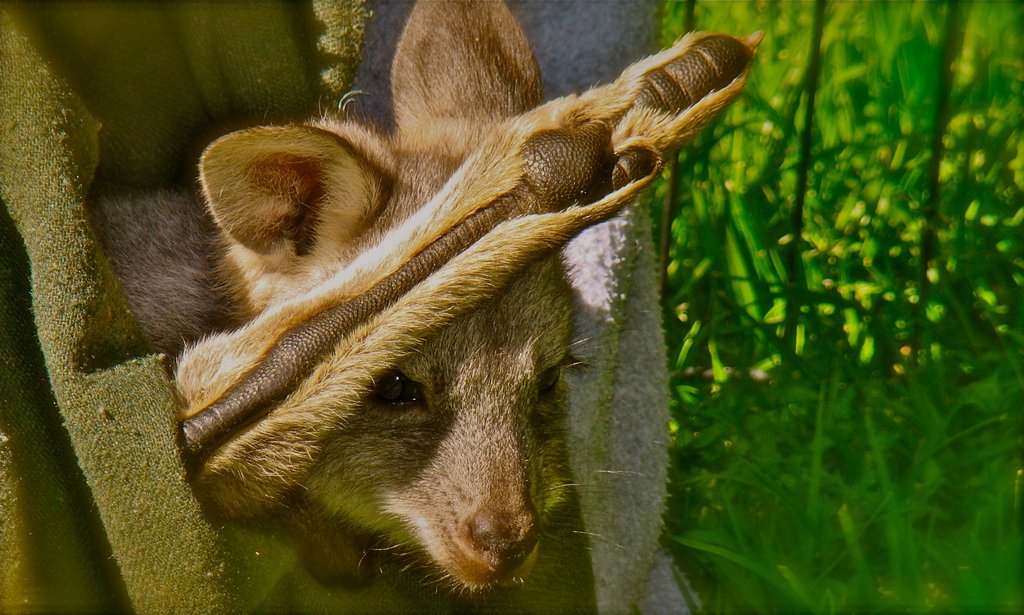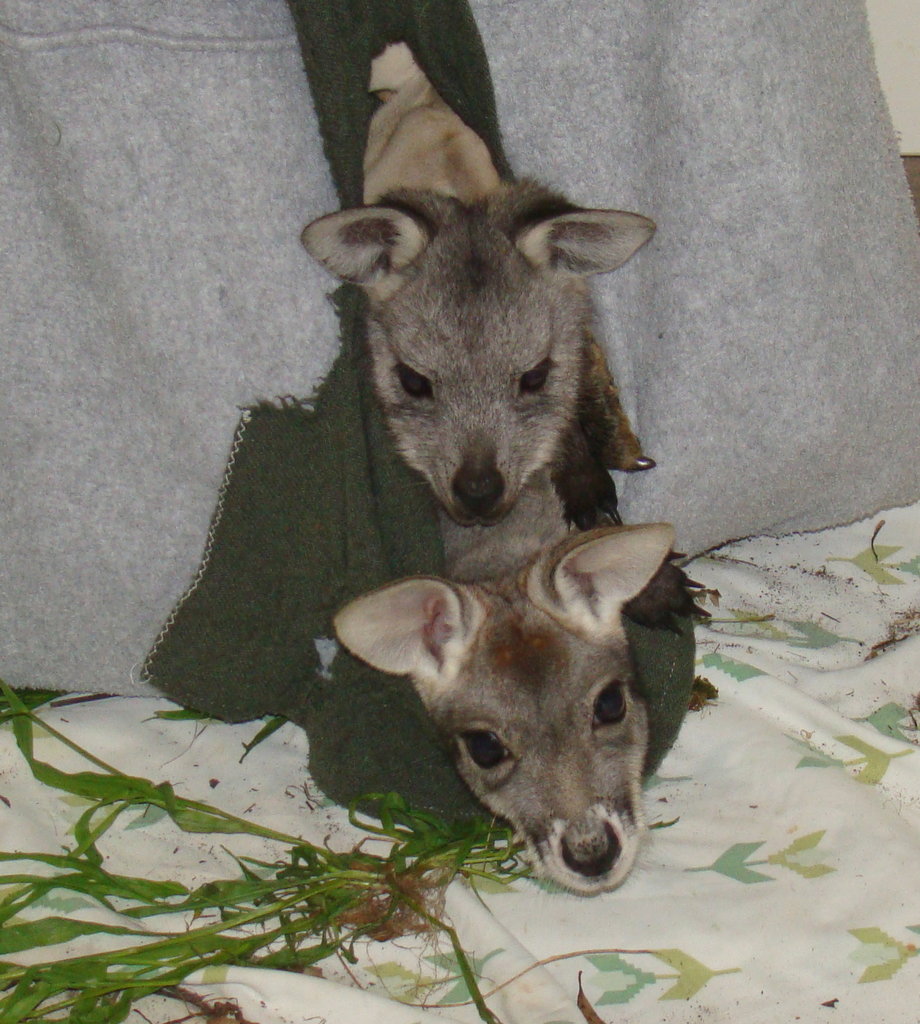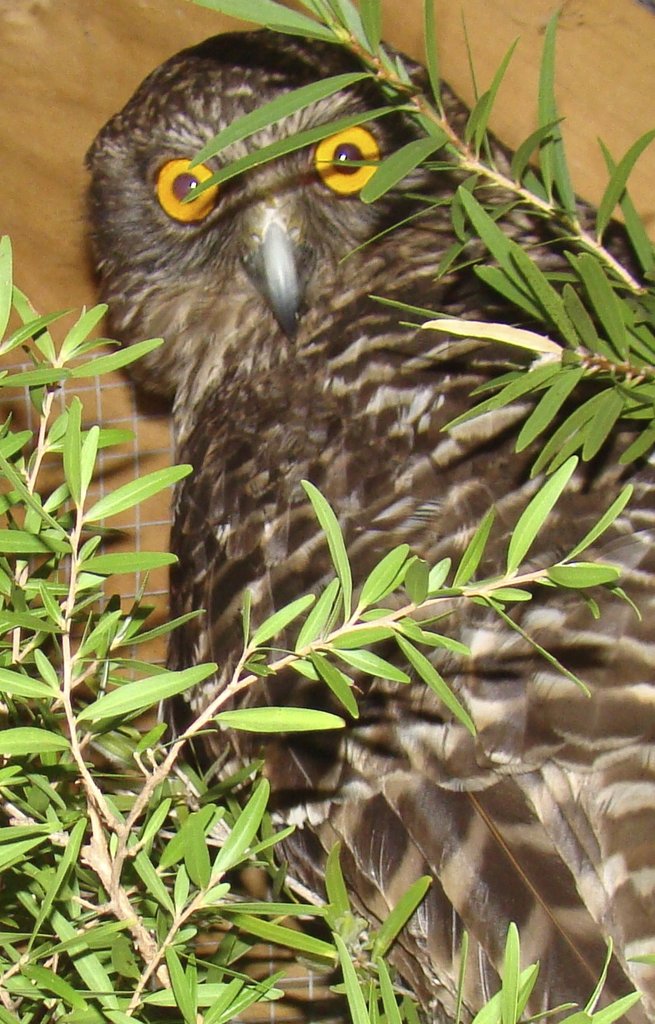
Rehabilitate Wallabies & Other Native Wildlife

by Sydney Wildlife
Rehabilitate Wallabies & Other Native Wildlife

Project Report | Mar 21, 2025
Wildlife Assistance After Fires

By Lynleigh Greig | Volunteer

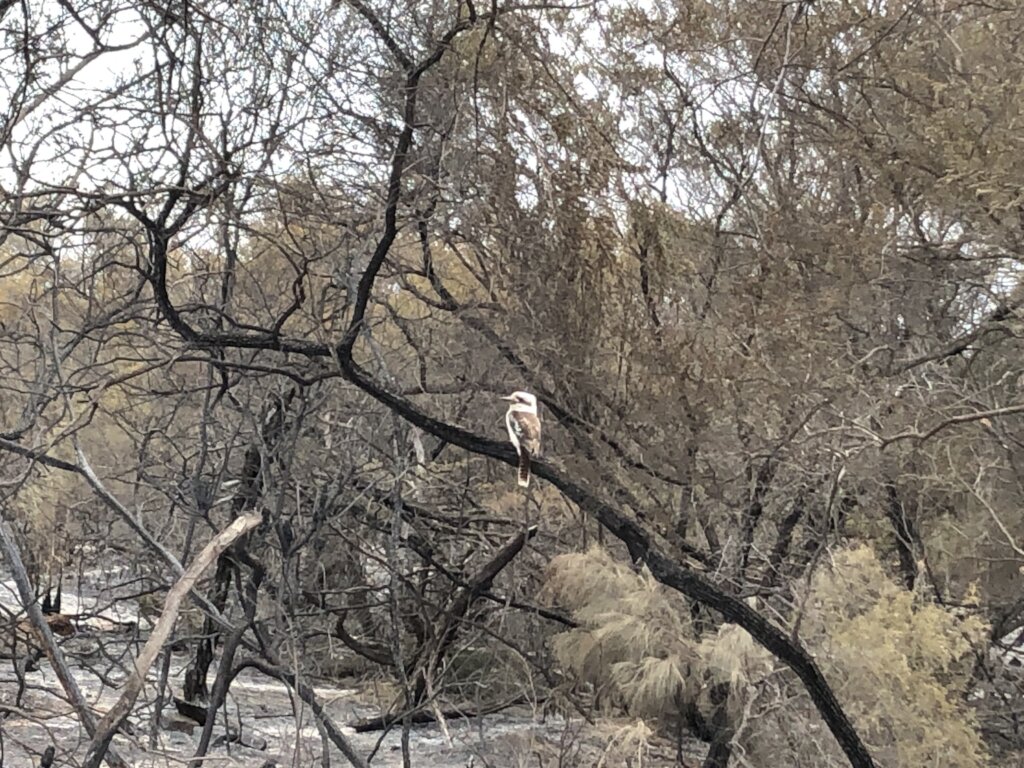
Kookaburra that survived

Important Reminder: Wildlife Assistance After Fires 

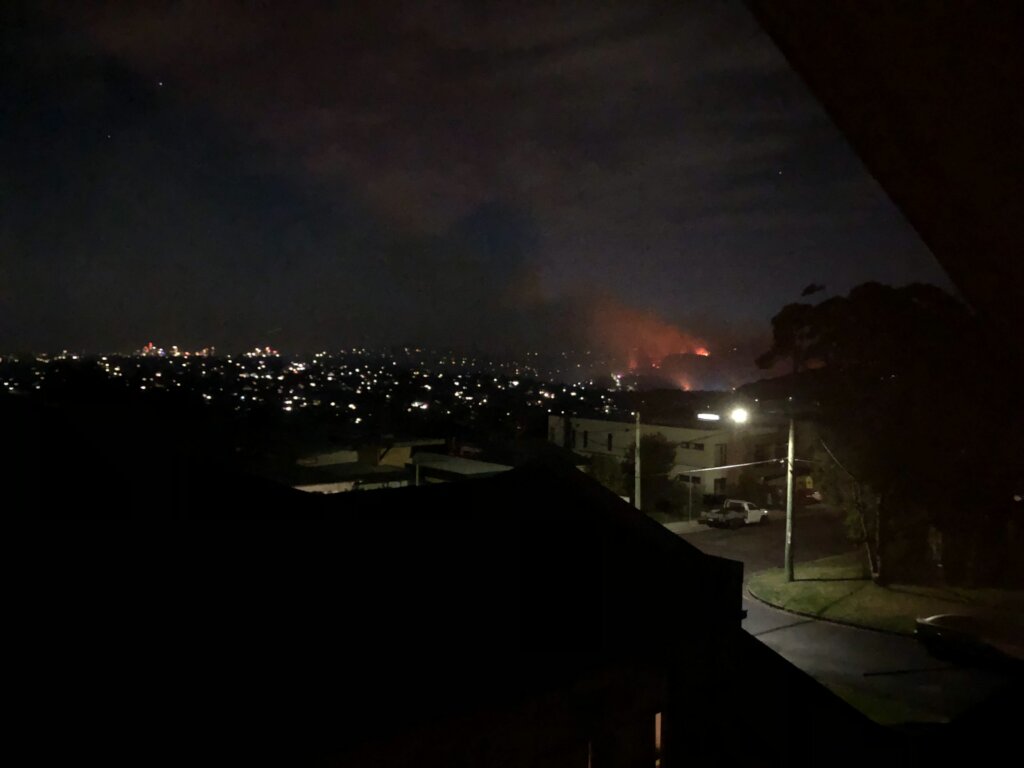
In the wake of the fire on the Northern Beaches, we want to remind everyone of the vital number to call if you encounter fire-affected wildlife in need of assistance: Sydney Wildlife Rescue are available to help.

Sydney Wildlife Rescue 9413 4300 

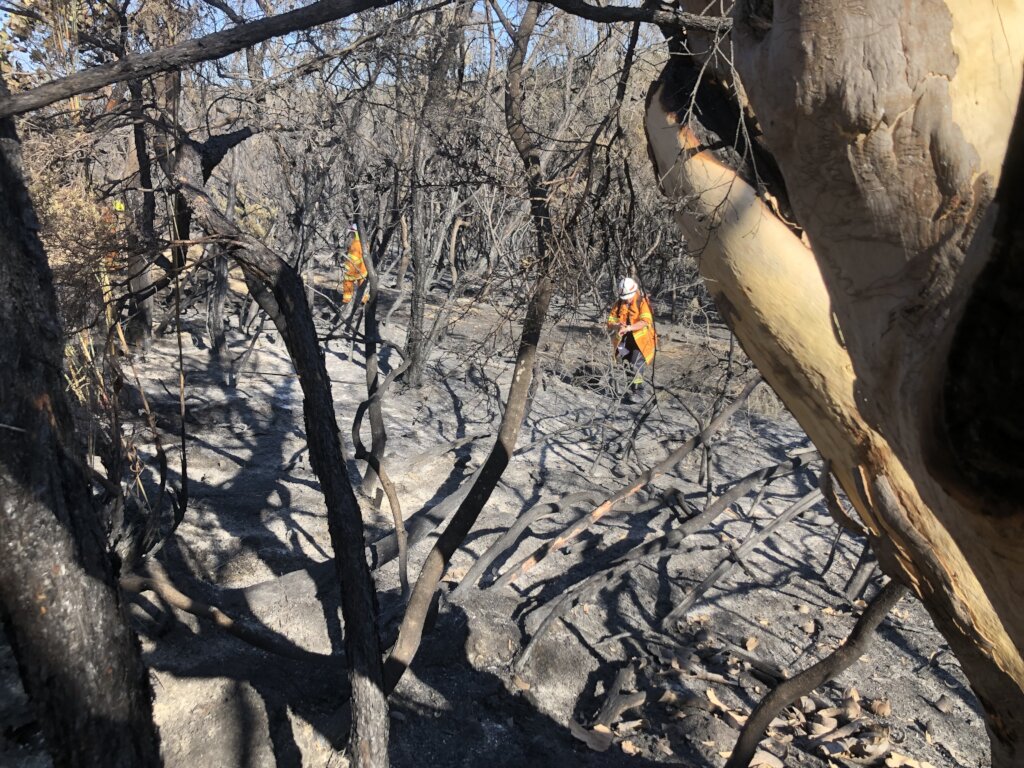
Controlled burns are conducted in a manner which minimises risks to wildlife and their habitats. However, if fire jumps containment lines,as it did with this fire, the priority shifts. Wildlife will flee haphazardly in distress, often ending up on properties nearby.

What to Look Out For:

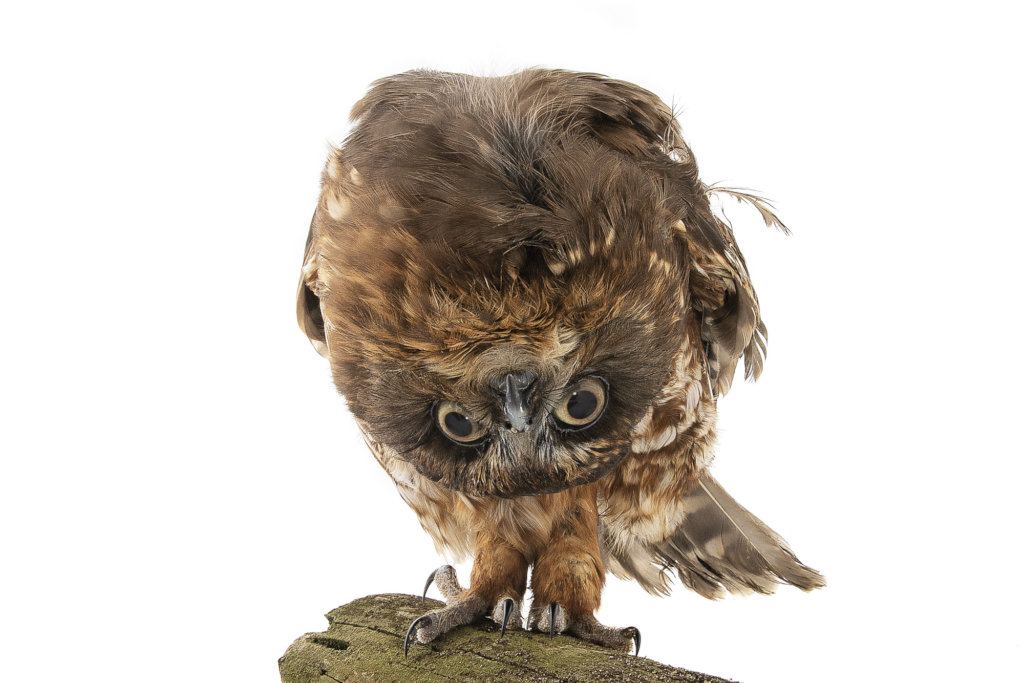
• Nocturnal animals out during daylight hours 

• Wildlife seeking refuge under houses, verandahs, sheds and carports

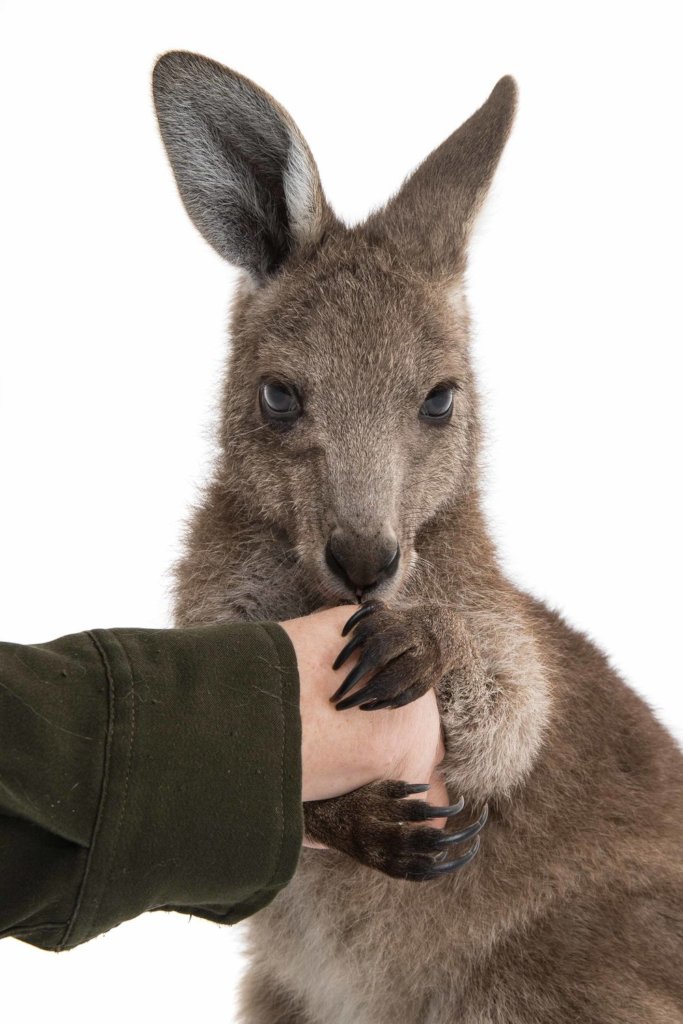
• Young animals found alone, without parents

• Tree-dwelling animals coming down to ground 

How to Spot Wildlife in Distress:

• Animals that appear to be limping, bleeding, or showing signs of distress such as struggling to move or hiding in unusual places.

• Wildlife displaying unusual behaviour, such as disorientation, repeated vocalisations or not fleeing when approached.

• Animals near roadways that seem dazed or are unable to move; this is especially concerning for young animals.

Please exercise tolerance if wild animals seek temporary sanctuary on your property, and remember to keep your pets indoors to allow these animals safe passage. Here are some easy ways to assist fire-affected wildlife:

1. Provide Fresh Water:

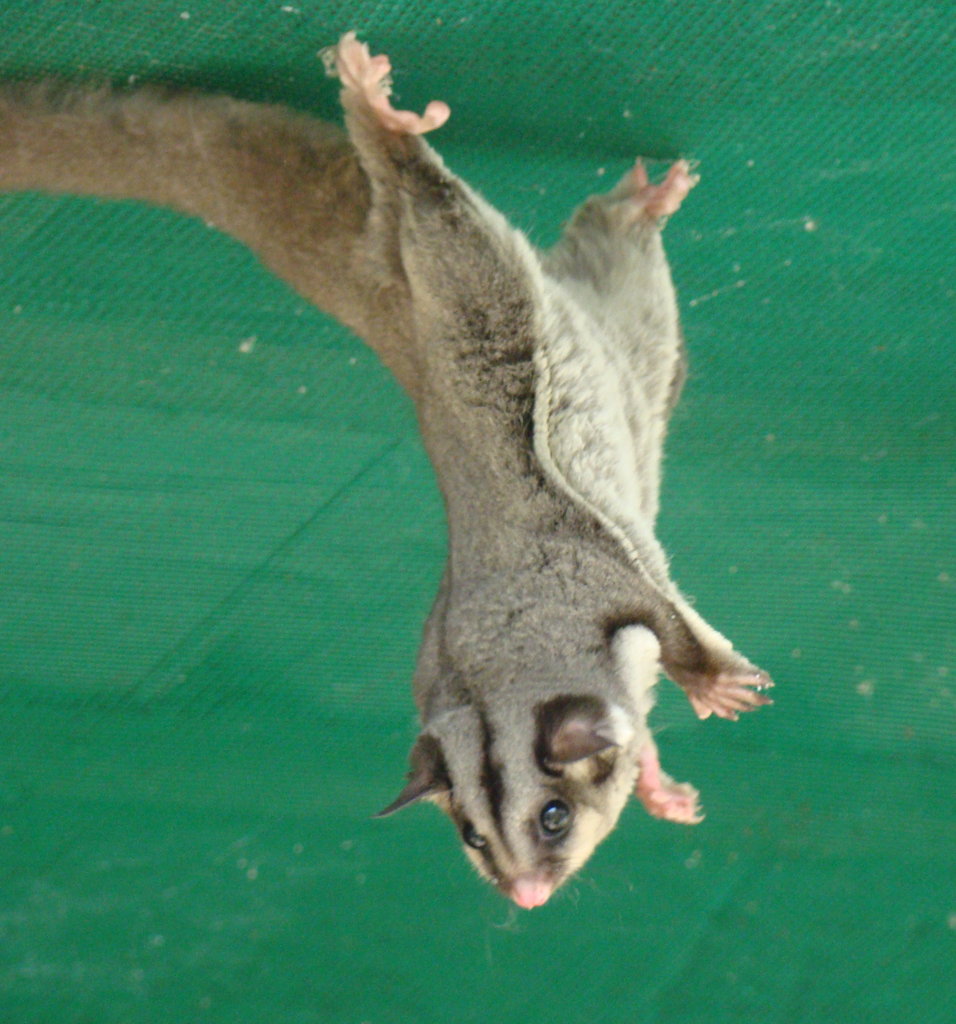
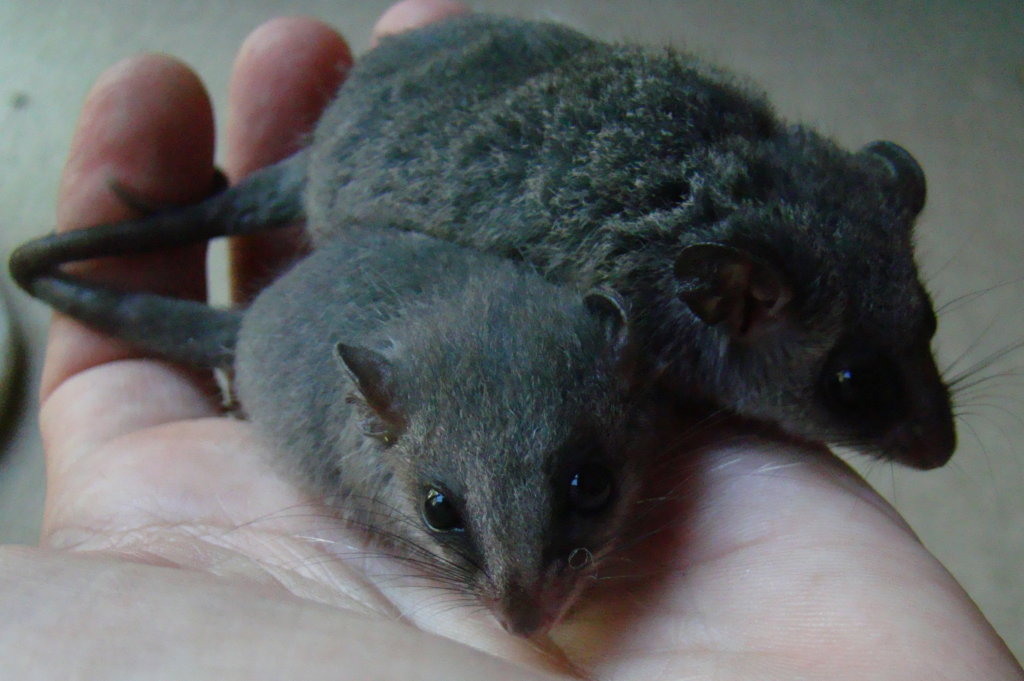
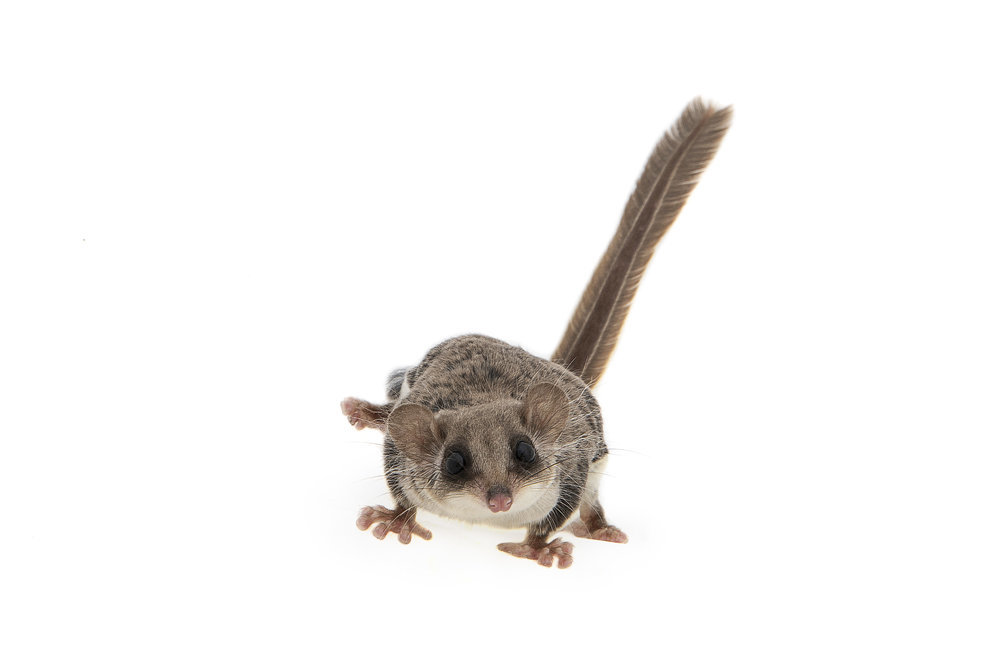
Leave out clean water in low, stable vessels that won't tip over. Metal bowls can get too hot, so opt for ceramic or terracotta instead. Add pebbles or branches in the water for small animals - like gliders - to climb out, as they can easily drown.

2. Provide Shelter:

You can create temporary shelters using boxes or unused PVC piping with openings for animals to enter, making sure they have an escape route. Nesting boxes in trees will help arboreal species such as possums and gliders.

3. Check Under Vehicles:

Before starting your car - especially if it’s been parked outside - check underneath for animals seeking shelter.

4. Keep Pets Away:

Wildlife will be disorientated and terrified and their distress will intensify in the presence of predators. Please ensure that you keep pets inside if a wild animal is seeking refuge on your property. Keeping pets leashed whilst walking will also prevent unpleasant pet-wildlife interactions.

5. Drive slowly:

Fleeing wildlife will be bolting onto roads and into suburban areas with which they are not familiar. Your reaction time to avoid collision will be affected by your speed.

Residents can play a crucial role in supporting injured wildlife during and after fires. If you see anything unusual, please don’t hesitate to reach out:

For more information, visit: www.sydneywildlife.org.au


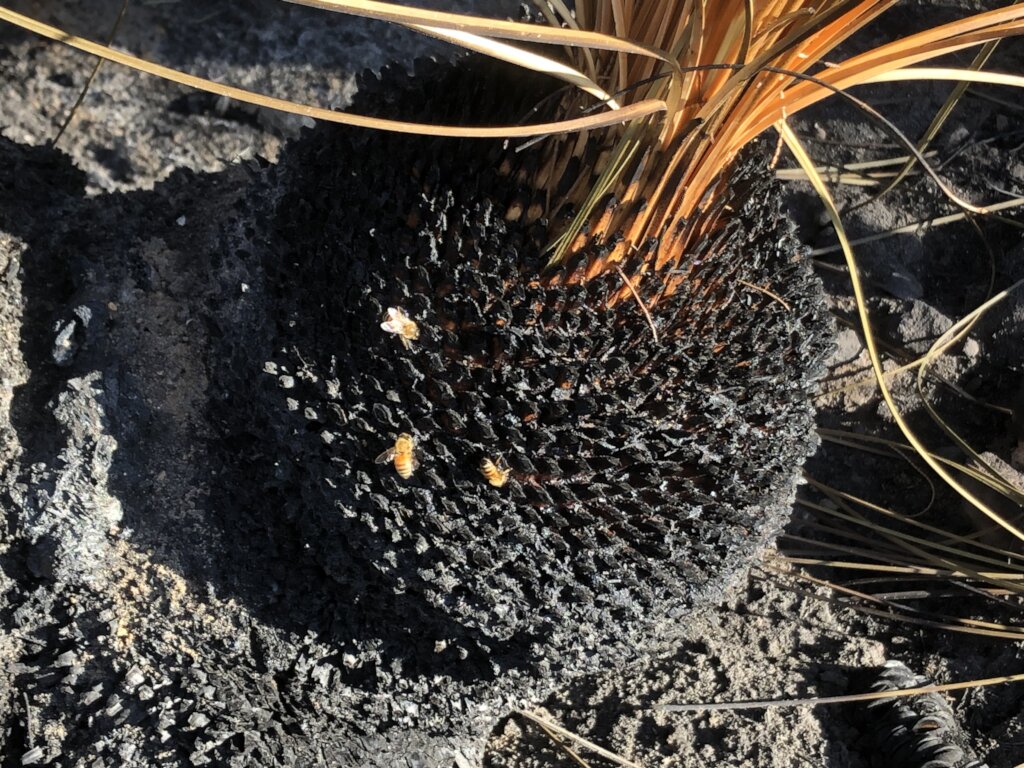
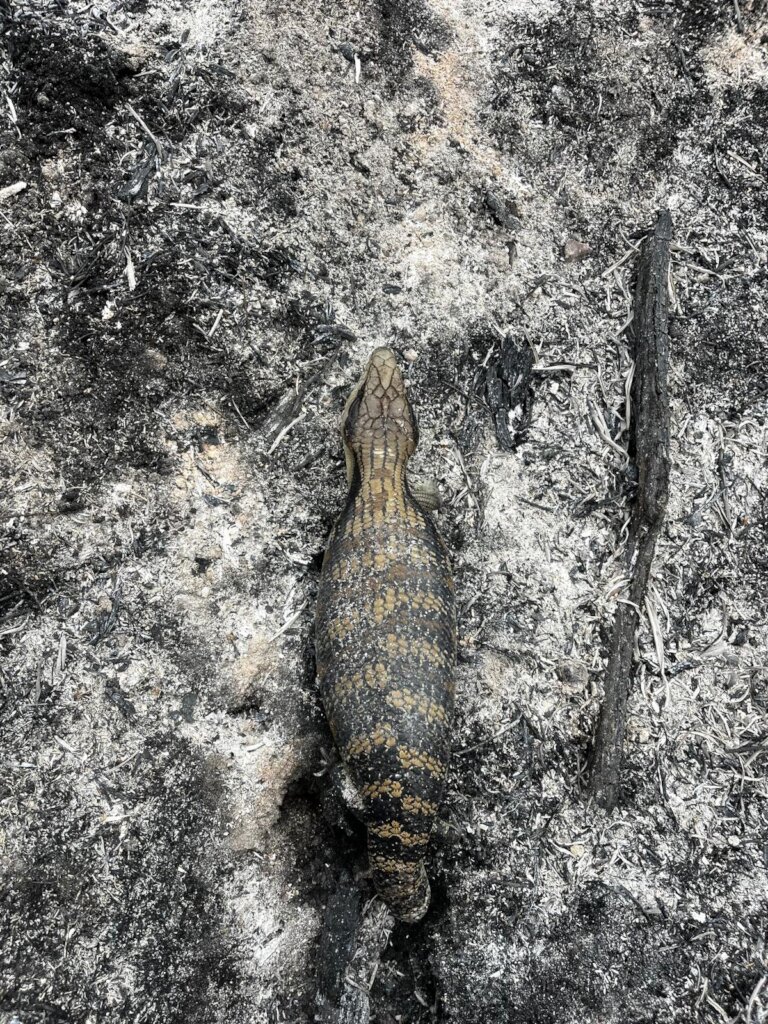
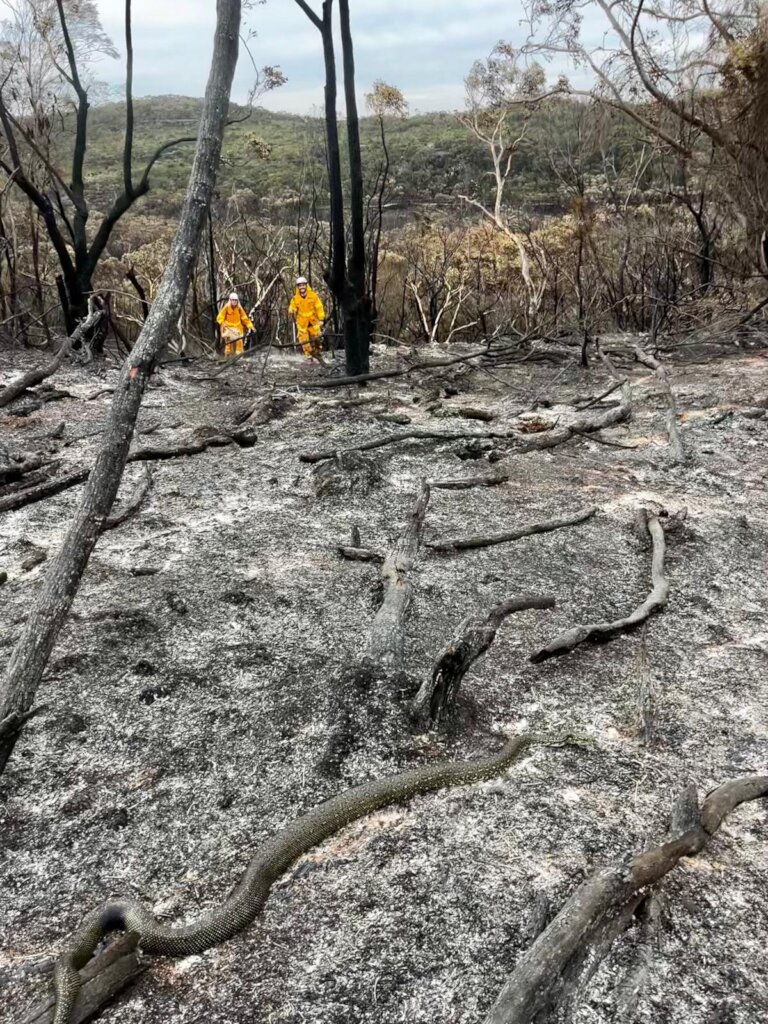
Looking for surviving wildlife
Bees on a burnt grass tree
Bluetongue
Bluetongue
Diamond Python
Diamond Python
Share on Twitter Share on Facebook

About Project Reports

Project reports on GlobalGiving are posted directly to globalgiving.org by Project Leaders as they are completed, generally every 3-4 months. To protect the integrity of these documents, GlobalGiving does not alter them; therefore you may find some language or formatting issues.

If you donate to this project or have donated to this project, you can receive an email when this project posts a report. You can also subscribe for reports without donating.


Sign up for updates

Organization Information

Sydney Wildlife

Location: Sydney, NSW - Australia
Website:
Project Leader:
Joan Reid
Lindfield , NSW Australia
$47,127 raised of $100,000 goal
 
683 donations
$52,873 to go
Donate Now

Help raise money!

Support this important cause by creating a personalized fundraising page.

Start a Fundraiser

Learn more about GlobalGiving

Teenage Science Students
Vetting +
Due Diligence

Snorkeler
Our
Impact

Woman Holding a Gift Card
Give
Gift Cards

Young Girl with a Bicycle
GlobalGiving
Guarantee

Get incredible stories, promotions, and matching offers in your inbox

WARNING: Javascript is currently disabled or is not available in your browser. GlobalGiving makes extensive use of Javascript and will not function properly with Javascript disabled. Please enable Javascript and refresh this page.