By Arshad Muhammad | Country Director, Concern Worldwide Turkey
WHAT IS LIFE LIKE FOR SYRIAN REFUGEES IN TURKEY IN 2021?
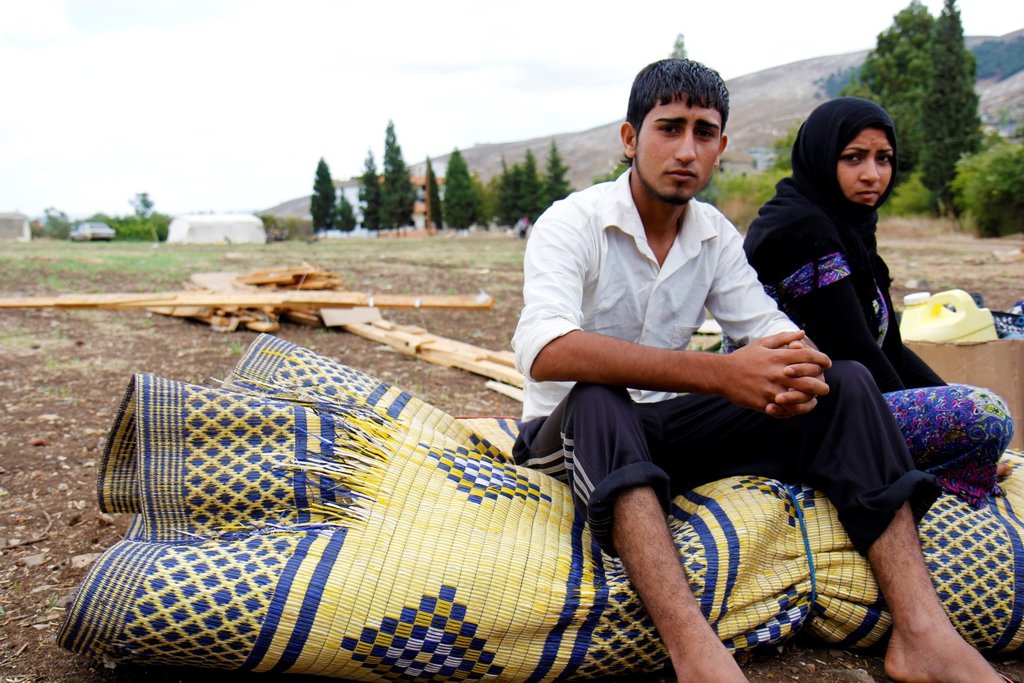
Wherever refugees go, there is an additional burden placed on the host community and infrastructure. A few years ago there were small conflicts here and there between refugees and host communities, but for the last year or so there haven’t been any major reports. There has been a government effort to absorb the additional load on public services with EU funding and resources; and organizations like Concern are increasingly working with host communities as well as refugee populations to make sure they get enough support.
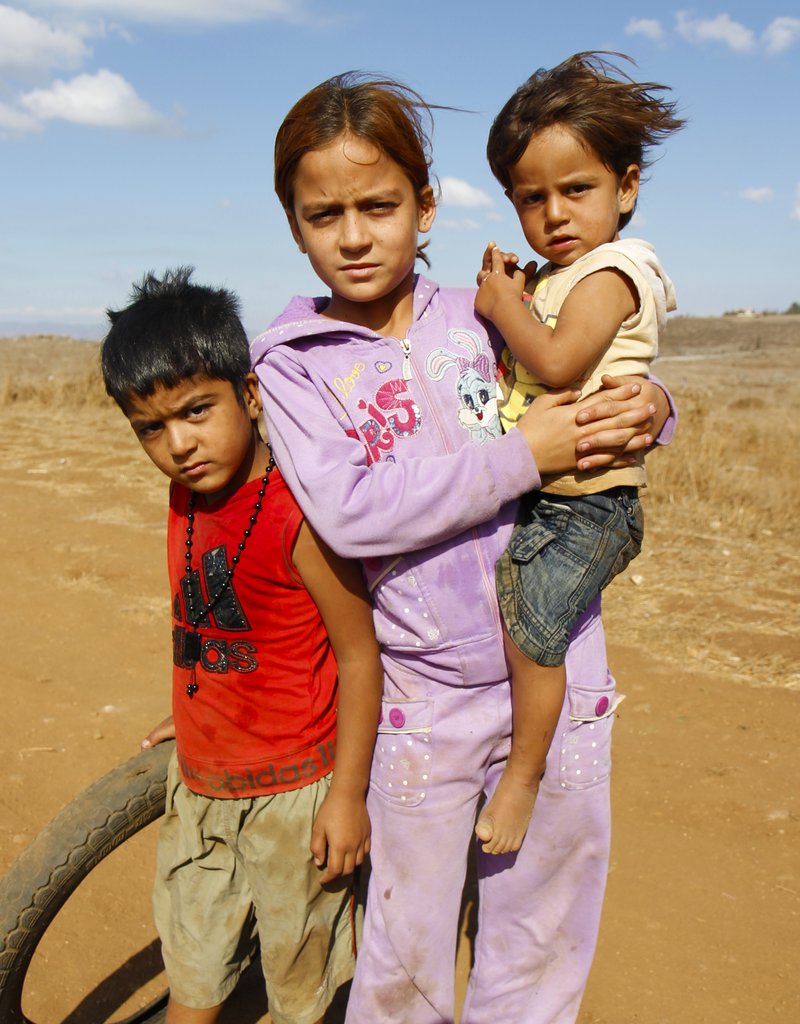
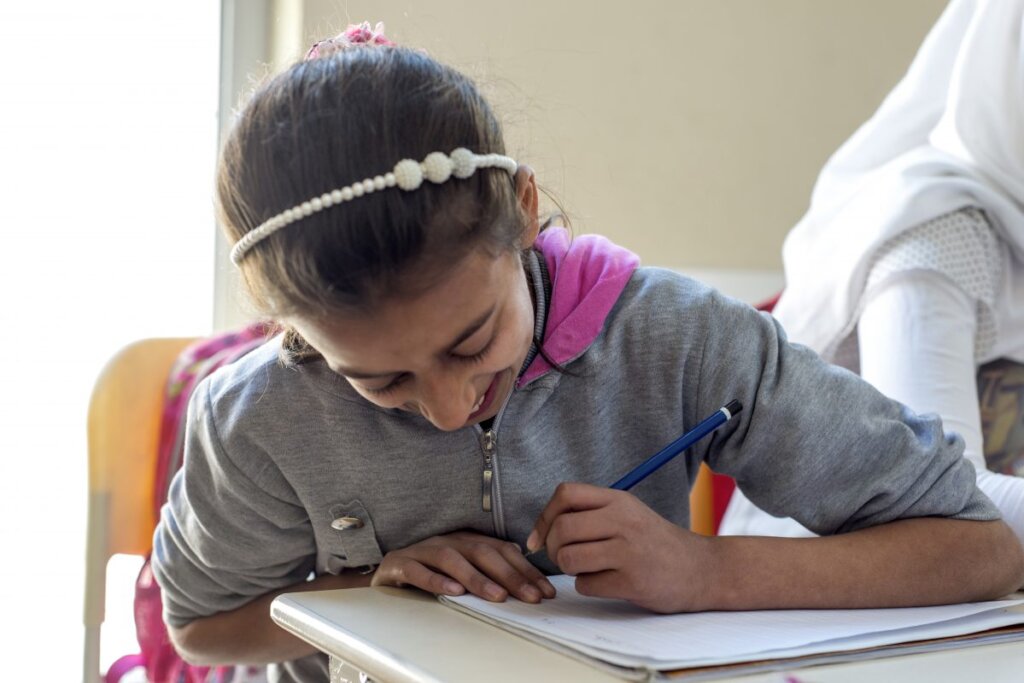
There are also the challenges of livelihoods and education, and they’re both related, especially with regards to child labor. And all of these challenges come at a higher proportion for women and girls.
HOW HAS COVID-19 IMPACTED TURKEY IN THE LAST YEAR?
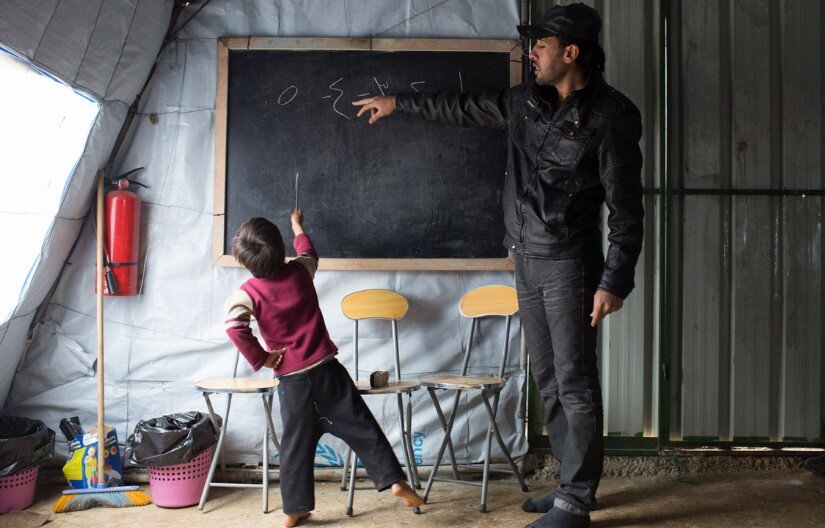
The main challenge here, as around the globe, is COVID-19, which has imposed limitations on health and education services — not just for refugees, but for everyone. Hospitals are at capacity with COVID patients. Working hours, social distancing, and the language challenges have all increased limitations for Syrian refugees. But there are also continued efforts from the Department of Education and other humanitarian actors to increase the enrollment of Syrian children in Turkish schools.
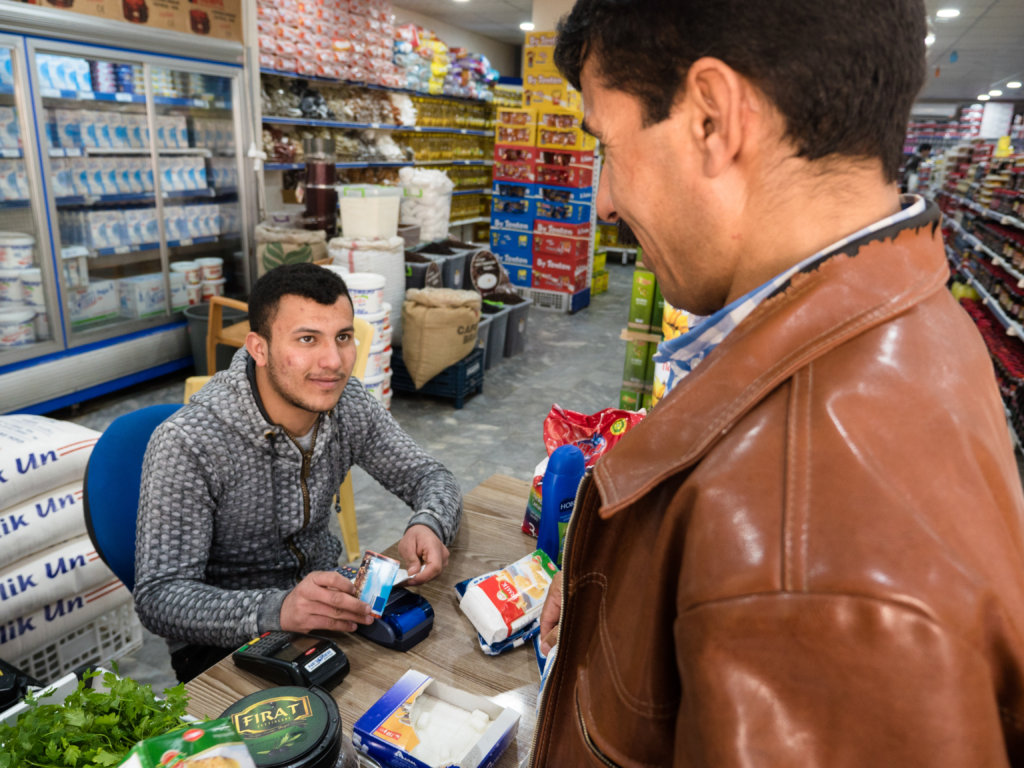
At an overall broader level, I think livelihoods are the biggest challenge for vulnerable families right now; to have a decent, dignified income with more and more families not able to meet all their basic needs. So livelihoods have become an even bigger challenge after COVID when several of the informal opportunities for the livelihoods of refugees have closed or stopped.
WHAT LIES AHEAD FOR THE NEXT YEAR?
I don’t see any major change happening to our work in Turkey. Our work will continue in all three sectors of protection, education, and livelihoods. Funding has reduced over the last few years, but Turkey is receiving generous support from the EU which will continue through the middle of 2022. One key area in addition to livelihoods is education: Presently, not all refugee children are in school. Some have problems with access, some have financial challenges. Some are in child labor, which we are also working to fight with education facilities and stipends.
WHAT WILL IT TAKE FOR THE CRISIS TO BE OVER, ESPECIALLY IN TERMS OF ITS EFFECTS ON TURKEY?
For people to voluntarily return, there needs to be safety, security, basic needs like roads and water and sanitation infrastructure, and livelihoods. That’s the ideal situation, and the difficult question is when this all would happen. The best possibility at the moment, the one everyone is looking at, is when the multi-stakeholder Constitutional Conference happens.
Project reports on GlobalGiving are posted directly to globalgiving.org by Project Leaders as they are completed, generally every 3-4 months. To protect the integrity of these documents, GlobalGiving does not alter them; therefore you may find some language or formatting issues.
If you donate to this project or have donated to this project, you can receive an email when this project posts a report. You can also subscribe for reports without donating.



Support this important cause by creating a personalized fundraising page.
Start a Fundraiser