By Wida Arzow Azizi | Development Coordinator, Concern Worldwide US
As we near the end of 2022, it’s been over a decade since the unfolding of the Syrian crisis and more than an estimated half a million lives have been lost as a result. As this protracted crisis continues, the world’s attention has unfortunatley strayed elsewhere. Rest assured however, that the crisis in Syria and the struggles of Syrian people have not been forgotten about by Concern, which has been responding to the refugee crisis in Syria, Turkey and Lebanon since 2013.
There are over 16 million people who have been affected by the war in Syria that began in 2011. More than 6.6 million Syrians have fled their country, 5.6 million of whom are hosted by the neighboring countries of Turkey, Lebanon, Jordan, Iraq, and Egypt. During 2022, Concern continued its programs in Syria, Lebanon and Turkey to provide humanitarian relief and response to Syrian refugees and internally displaced people (IDPs). Within Syria, there are over 14 million people who depend on humanitarian assistance from organizations such as Concern. An estimated 6.7 million are internally displaced people, forced to leave their home due to violence in Syria.
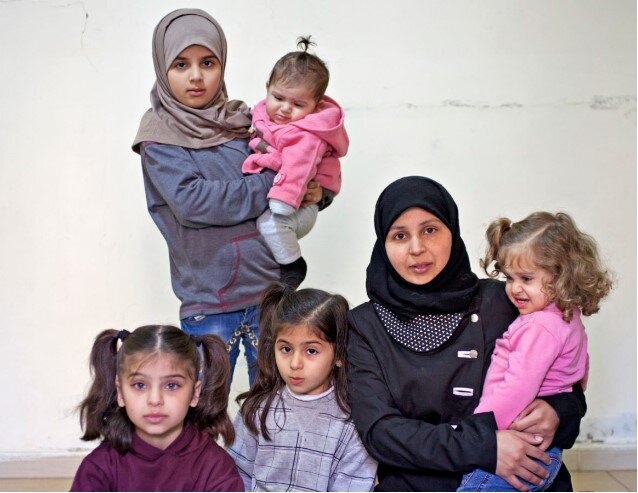
Prior to the outbreak of conflict in 2011, only 10% of the Syrian population lived under the international poverty line. Today, over 80% of Syrians are living below the international poverty line, the effects of which will likely impact future generations to come. It has become not only a crisis of displacement, but a crisis of mental health. Reflecting on pre-war life in Syria and her own situation as a refugee, Sara*, who was 37 years old in Lebanon at the time said, “the difference is between heaven and hell.”
Emergency Assistance
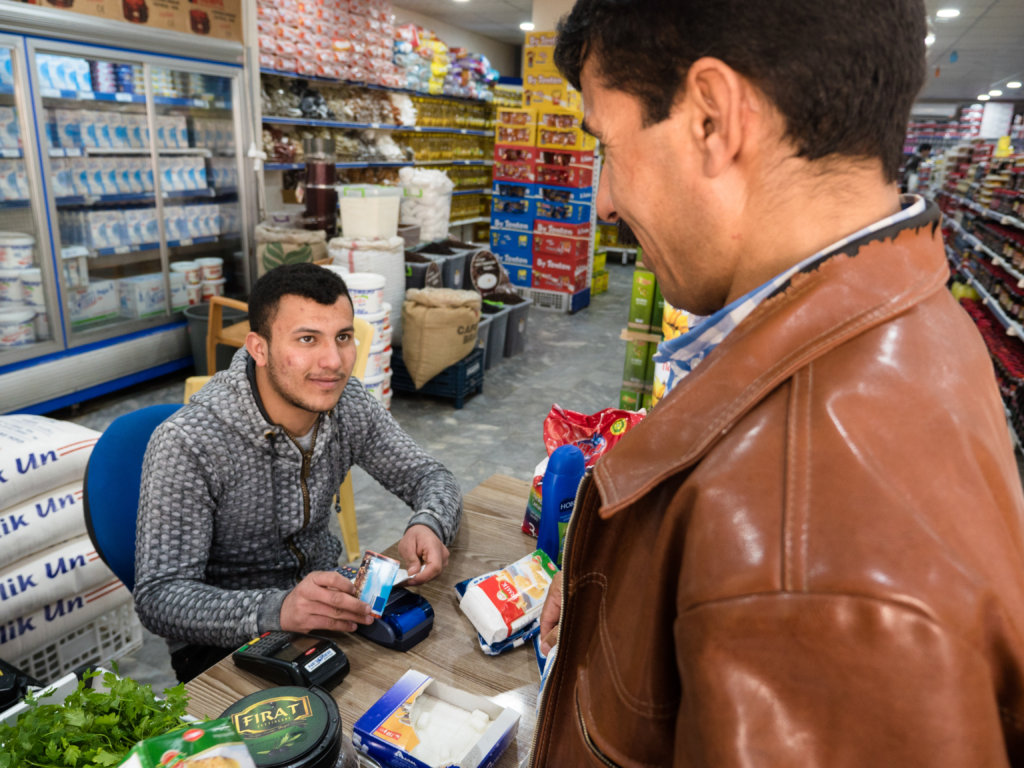
Concern works diligently to alleviate suffering in Syria, and provides a multi-sectoral package of support for the most vulnerable internally displaced people (IDPs), host community households and returnee families in conflict areas of Syria. This includes food, clean water, livelihoods and protection services. Aiming to reach the most vulnerable IDPs in conflict areas of Syria, Concern provides ready-to-eat rations and food baskets in situations where families have no home or access to cooking facilities. Food vouchers are provided to families too where access to shops is possible, giving Syrians the ability to exercise choice when purchasing food while also a way to support local markets.
Syria has gone through many winters since the outbreak of conflict that plunged the country into a future of uncertainty, and along with its neighboring countries that host the majority of Syrian refugees, winters can get very cold. During winter months, Concern provides heaters, cash for fuel, fire extinguishers and jerry cans to help cope with freezing temperatures.
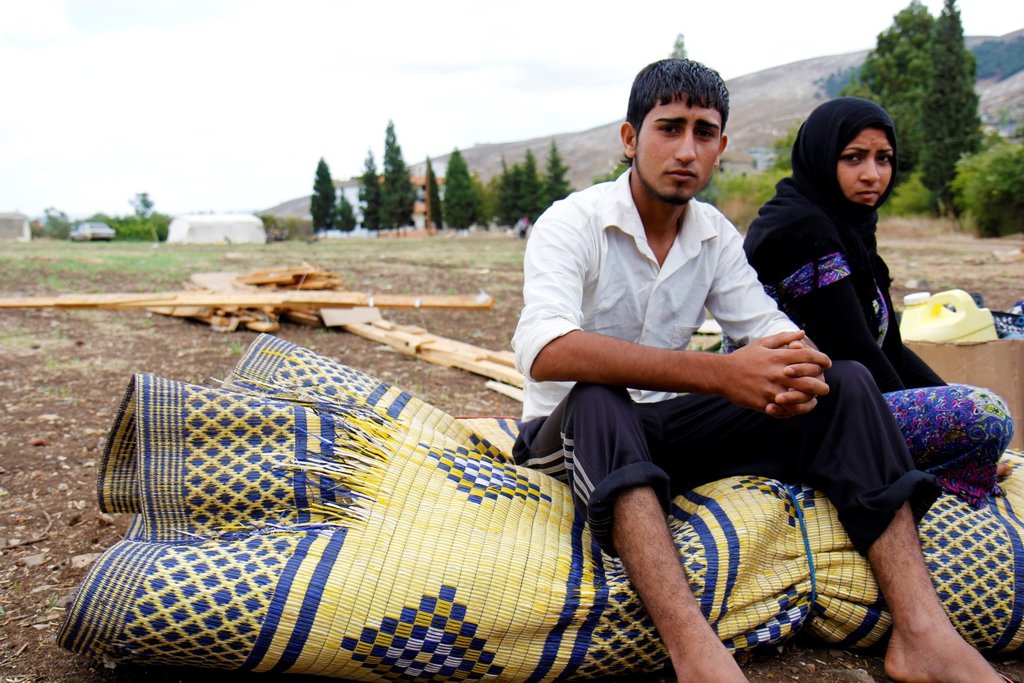
In non-camp settings, Concern provides assistance with shelter kits, water tanks, and non-food item (NFI) kits such as mattresses, blankets, plastic sheets and floor mats. In informal tented settlements, we also help weatherproof shelters through the annual distribution of shelter materials, targeting refugees and host communities. To reduce the risk of flooding in refugee settlements and neighborhoods, and increase environmental protection and public health, Concern works closely with the Lebanese government and municipalities to rehabilitate stormwater systems and sanitation infrastructure.
Amid the impact and aftereffects of COVID-19, the situation worsened for Syrians within the country and refugees in neighboring host communities. Beyond the way it disrupted markets and posed a huge risk to public health,Covid-19 exacerbated already existing issues for conflict-affected refugees and displaced people within Syria. Lockdown measures had also delayed processing of paperwork, shut down childcare centers, and caused countless other interruptions to daily life, the burdens of many being shouldered by women and girls.
Shelter and Water, Sanitation and Hygiene (WASH)
Concern’s Water, Sanitation and Hygiene program (WASH) includes activities such as rehabilitating water systems, emergency water trucking, hygiene promotion and vector control, benefiting over 900,000 beneficiaries. Concern contributes to the livelihood and sheltering of Syrian refugees through a number of ways, such as renovating substandard properties (in Lebanon, for example) in return for rent-free, rent freezes & rent reduction agreements for Syrian refugees in host countries.
In our IDP camp response, Concern installs emergency latrines, provides sources of chlorinated water supply and conducts water quality monitoring to help prevent the outbreak of high-risk waterborne diseases such as typhoid, cholera and dysentery. The risk of such diseases being contracted are compounded by the disruption of sanitation services due to damage from the war and lack of funds for operations and maintenance of existing systems.
Concern focused quickly on infection prevention and containment activities across Northern Syria during the outbreak of Covid-19, which helped to support over 350,000 vulnerable people. Our integrated approach also helps to prevent the outbreak of disease, through the distribution of hygiene kits and information sessions to build awareness and promote improved hygiene practices.
Food Security and Livelihoods
Building resilience is part of Concern’s integrated approach in Syria and other host countries such as Turkey and Lebanon, targeting the most vulnerable IDPs and refugees. Many Syrian refugees living abroad are unable to find steady work, which has made poor living conditions the norm rather than the exception for the last decade. The large devaluation in the Syrian pound over the last year or so has pushed many Syrians to becoming even more food insecure. World Food Programme estimates for 2022 indicated that 12.4 million Syrians were food-insecure, a dramatic increase compared to the previous year. Concern responded by rapidly scaling up food vouchers, the number of households that receive vouchers and baskets distributions to Syrians.
The people of Syria have become heavily dependent on international aid to meet their essential needs as they have become largely unable to lead sustainable lives on their own while facing this dire humanitarian crisis. Concern supports communities in areas with a degree of stability through agricultural assistance with seeds, tools and training as well as vocational and technical training. Through this process, households can begin to recover and begin to build assets and generate income through livelihoods.
Vulnerable and low-income families are supported through our Cash-for-Work activities such as cleaning latrines in camps and solid waste management activities. This helps increase community productivity while also providing cash assistance to Syrians.
Protection
Crisis and conflict come at a high cost to the status quo, and for many Syrian refugee women, their worlds as they’ve known them have become completely upended. As the traditional role of men in the household as the breadwinner began to shift in the face of the crisis, many of them faced stress, lowered self-esteem and frustration that increasingly turned into physical violence towards their wives and even children. In Lebanon, Men's Protection Groups have sprouted up in camps with the support of Concern to instill a sense of normalcy and create a safe space of coping.
As they also cope with the consequences of conflict, Syrian children and women have been disproportionately affected, with rising levels of girls’ early marriage, youth recruitment into armed groups, and child labor. It is a priority of Concern to tackle gender inequalities and build awareness around harmful gender norms and attitude transformation. We actively provide training for all staff including partners on key principles, prevention of Gender-Based Violence (GBV) and how to respond to GBV.
Concern’s work in Child Protection involves creating structured activities in child-friendly spaces to support the psycho-social well-being and build the resilience of children. UNICEF Executive Director Henrietta H. Fore said at a 2018 conference in Berlin, “prolonged exposure to violence, fear and uncertainty can have a catastrophic impact on children’s learning, behavior and emotional and social development for many years.” Concern’s Caregiver Engagement (CGE) program, supported by EU Humanitarian Aid, empowers parents and caregivers to create a positive learning environment at home to support their children’s academic, social, and personal development.
Psycho-social support (PSS) is also offered to caregivers and adults, and deals not just with the trauma of war, but also addresses issues related to early marriage and violence against women and children. We work to assist caregivers with the necessary information, referrals to specialist organizations and direct support for themselves and their children. Syrian women could also access skills trainings and many had begun to learn ways of protecting themselves and feeling safer in their host communities.
Education
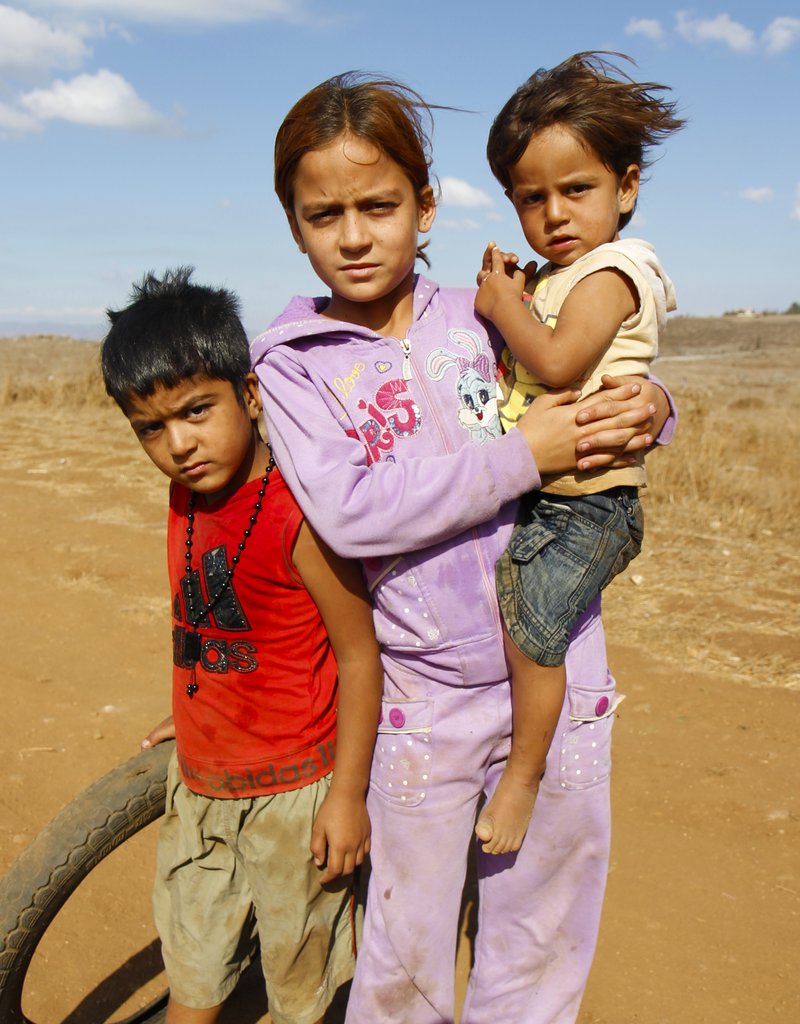
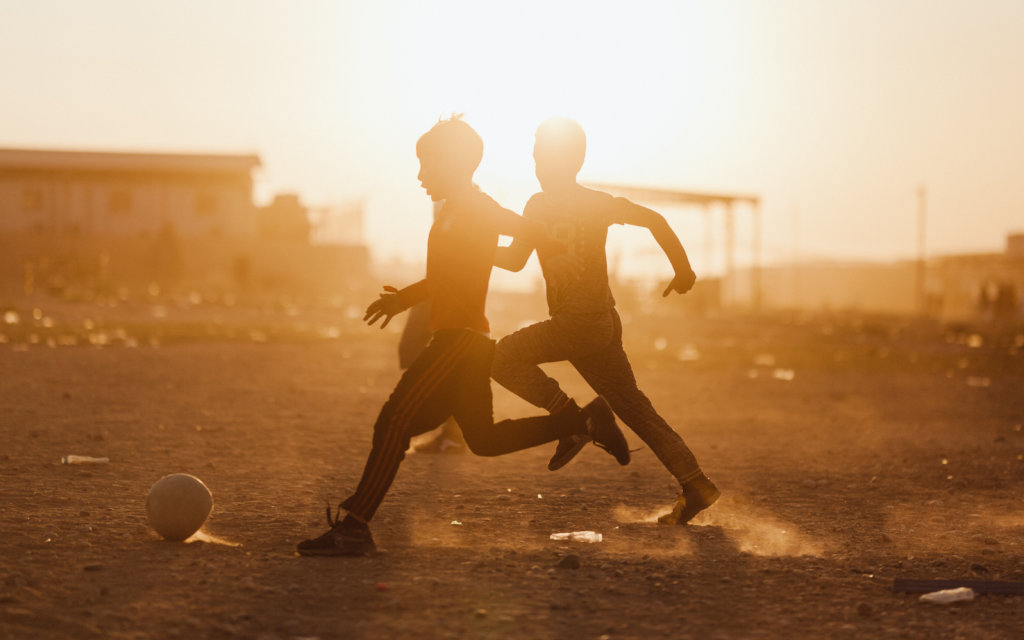
Children in Syria and host communities have grown up normalizing concepts like violence, displacement and poverty, through no fault of their own. There is lingering fear of a “lost generation” of Syrian children as it has become increasingly apparent that educational opportunities tend to be scarce for children both within Syria and in host communities.
A March 2019 report by UNICEF suggested that 40% of Syria’s school infrastructure had been destroyed in the conflict, creating huge gaps in the provision of education, and adverse protection risks. Our education program in northeast Syria aims to give out-of-school and conflict-affected children access to quality primary-level education, providing support in both non-formal education centers and formal schools.
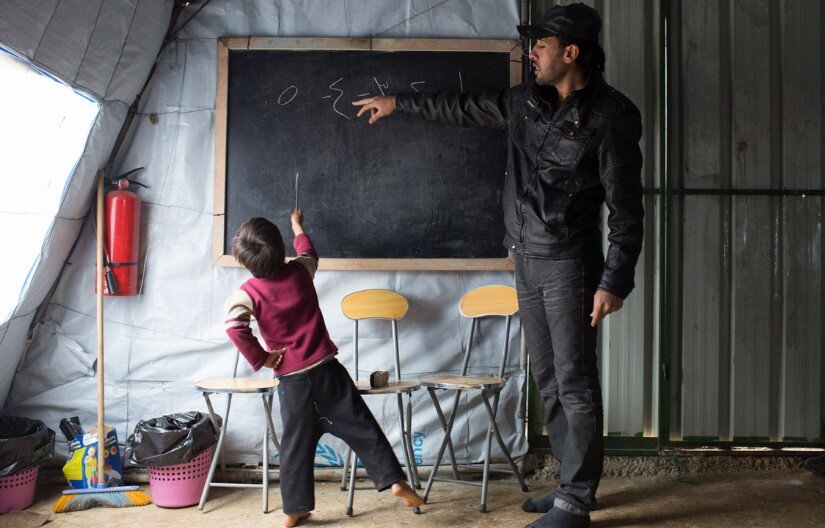
For Syrian refugee children, the emotional toll of conflict, trauma, and asylum-seeking has left many of them simply not ready to enter a formal classroom, and many others end up working in order to help families make ends meet. Concern Worldwide began an informal education program in Lebanon, gathering children in tents, offering them the chance to learn, read, write, draw, and — most importantly — to laugh. In Lebanon we have also supported the education of over 1,850 students in 25 learning spaces. Concern was also selected by UNICEF to run a homework support program that included 2,550 students, both Lebanese and Syrian, in 12 learning spaces, including 3 public schools.
In Turkey, we work in collaboration with the Turkish Ministry of National Education and local partners to support Syrian refugee children in having access to quality education that supports their learning, development and wellbeing. Syrian refugee children have also benefitted from the formation of Temporary Education Centers (TECs), initiated and run by the Turkish government, with funding from the EU, as a temporary solution to providing a safe learning environment.
What Comes Next — and Why
Individual stories witnessed and heard over the course of the Syrian conflict point to one devastating truth... they all sound remarkably the same. This underscores the lack of progress on the part of the international community to work towards a lasting peaceful solution and a safe path for those who wish to return.
For nearly 20 million Syrians, the last decade has effectively been lost. As the crisis expands across generations, the work of Concern and other international aid organizations has become more crucial to the survival of Syrian people. The grim reality is that there is no indication of how long the Syrian crisis will last, but there are over 14 million people who depend on humanitarian assistance as their lifeline.
Concern will continue to assist Syrians as they navigate the murky waters of this long-lasting crisis that has forced them out of their homes, cost them their livelihoods and robbed them of their sense of stability. The people of Syria are not alone, but they need all the support they can get.
*Names have been changed to protect the identity of individuals
Links:
Project reports on GlobalGiving are posted directly to globalgiving.org by Project Leaders as they are completed, generally every 3-4 months. To protect the integrity of these documents, GlobalGiving does not alter them; therefore you may find some language or formatting issues.
If you donate to this project or have donated to this project, you can receive an email when this project posts a report. You can also subscribe for reports without donating.



Support this important cause by creating a personalized fundraising page.
Start a Fundraiser