By Rhia Docherty | Individual Giving Manager
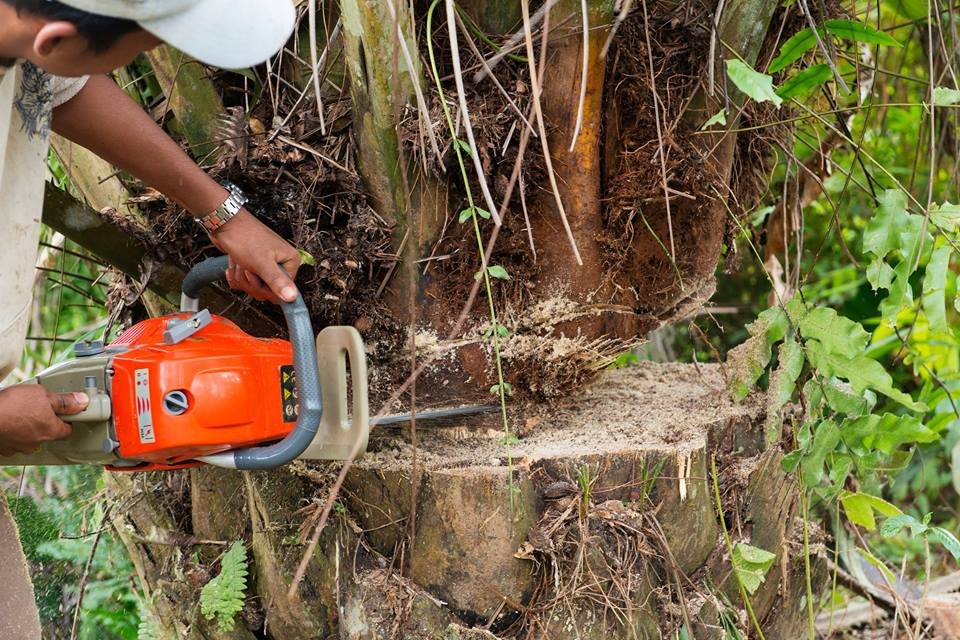
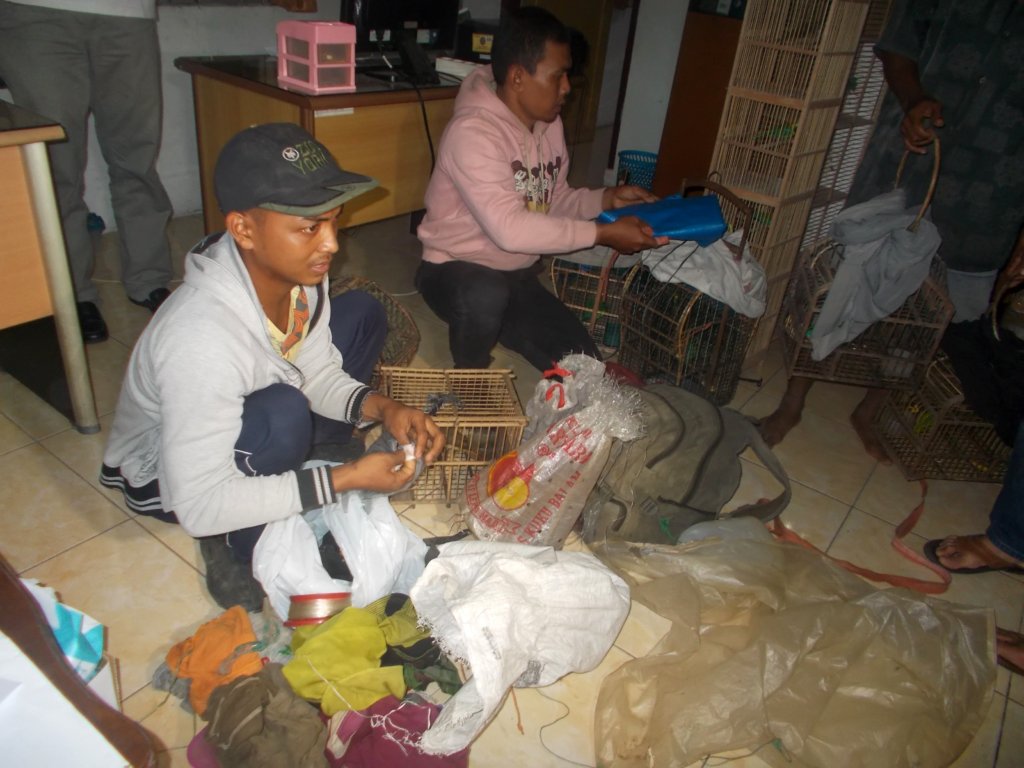
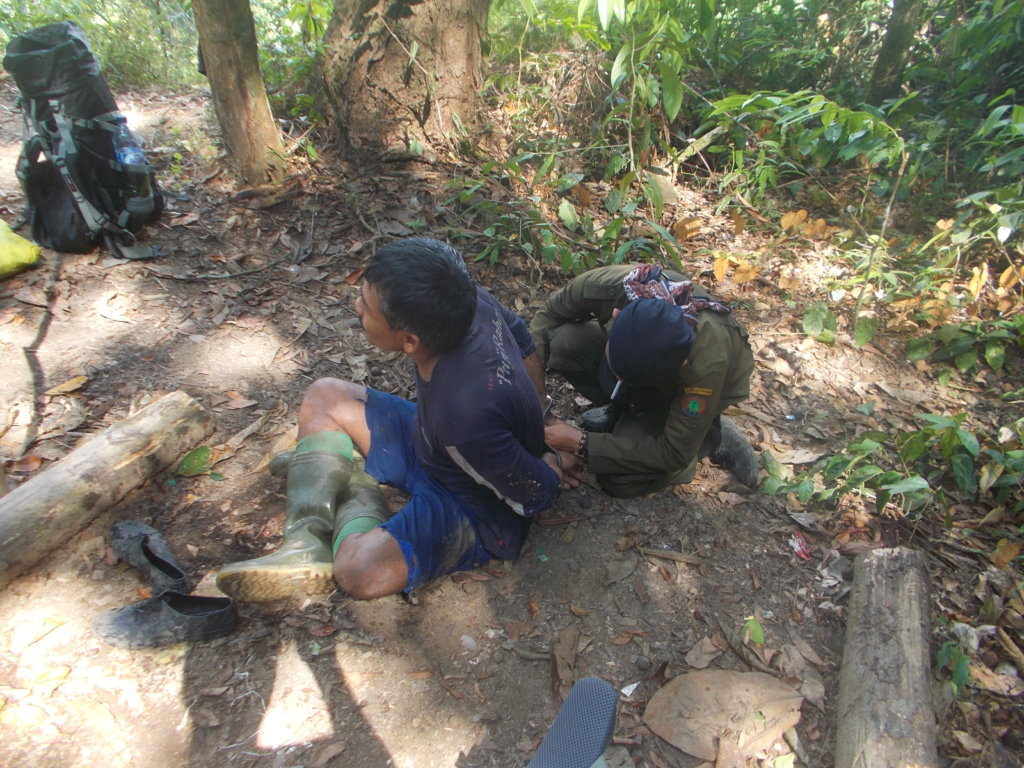
Tackling wildlife crime isn't just a matter of getting involved when a crime is taking place. It's important to understand the bigger picture and examine the motives and lives of people to see why the crimes might occur in the first place.
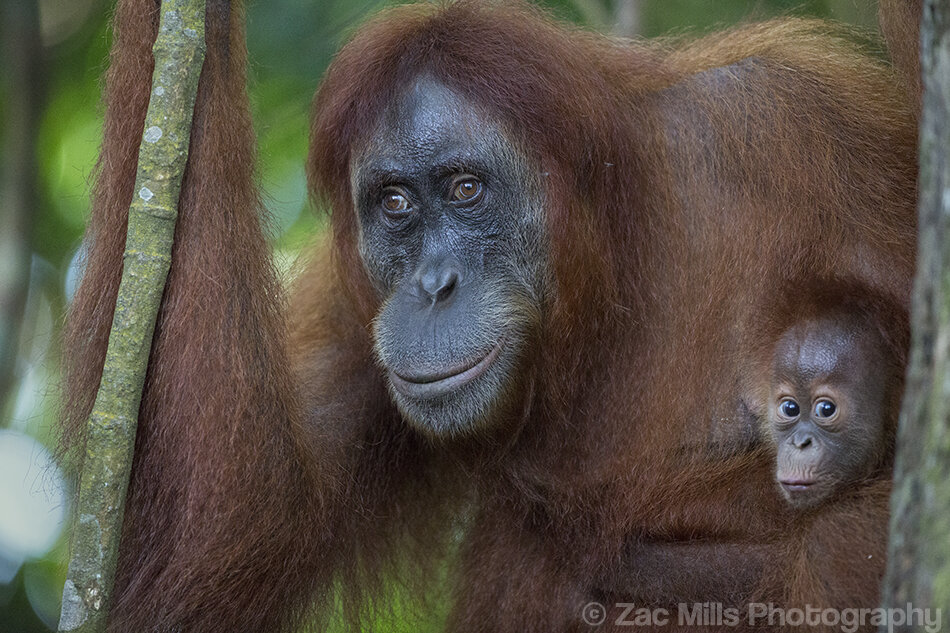
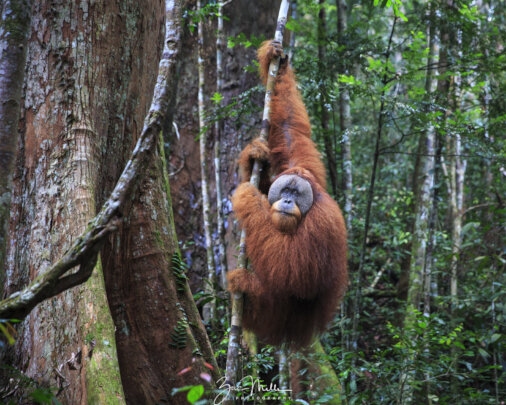
Recently Dr Liana Chua explained some of the tensions that can lead to wildlife crime. Dr Chua's research has shown that indigenous communities can see orangutans as a part of the fabric of the world they live in. They believe orangutans should behave as good moral and social beings that respect others’ food, property and rules, and that can be held accountable for damages that they cause. So an orangutan can raid a villager’s fruit tree, but villagers can’t hold them accountable because they’ll get into trouble with conservationists and the law!
From research like this, we see how important it is to people’s concerns seriously, and we are willing to work on their terms instead of just trying to change them. By doing this, we can alleviate local suspicion and resentment, and make communities more amenable to conservationists’ presence - and then collaborate with them.
SOS has always valued genuinely meaningful collaboration with Sumatra’s rural communities. They are the custodians of the island’s forests and wildlife, and they will continue to be at the heart of our work.
Thank you for supporting this game-changing approach to conservation that enables us to tackle wildlife crime at it's root cause. Let's do even more in 2024!
Project reports on GlobalGiving are posted directly to globalgiving.org by Project Leaders as they are completed, generally every 3-4 months. To protect the integrity of these documents, GlobalGiving does not alter them; therefore you may find some language or formatting issues.
If you donate to this project or have donated to this project, you can receive an email when this project posts a report. You can also subscribe for reports without donating.