By Carmen S. Apuli | Resource Mobilization Specialist
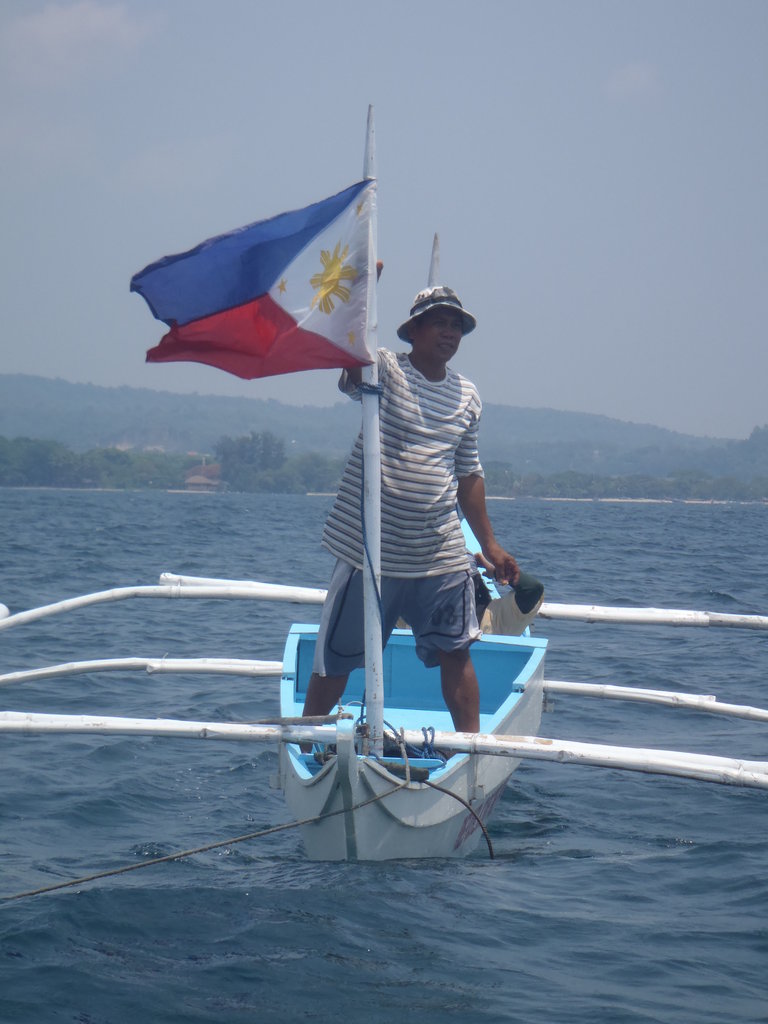
Local Fishers Facilitate the Replanting of Mangrove Seedlings to Sustain and Help Improve Talim Bay's Ecosystem
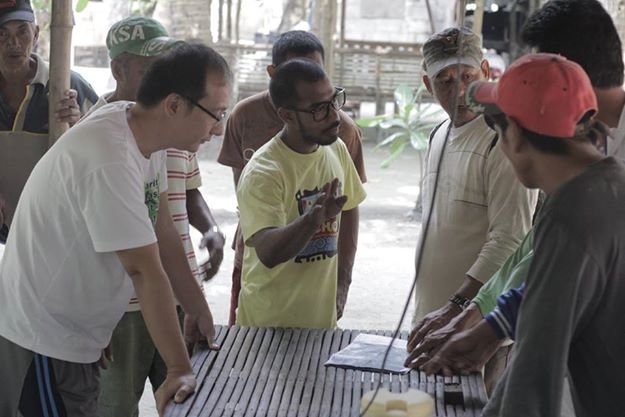
DLSU-COSCA acknowledges the ability of the Lian Fisherfolk Association (LFA), Inc. to sustain the rehabilitation of its 50-hectare mangrove forest by Managing what they have started in the Talim bay mangrove rehabilitation, playing the mentoring role in community organizing, particularly in establishing new organizations and in strengthening and advocating with both the newly organized and existing organizations to embrace mangrove forest rehabilitation as climate change adaptation strategy. Stakeholders assist the Talim bay local fishers in maintaining strategic partnerships in close coordination with the LGU Lian, concerned line government agencies involved in the National Greening Program, and the Municipal Disaster Risk Reduction and Management Council to help effectively manage the resources of the bay.
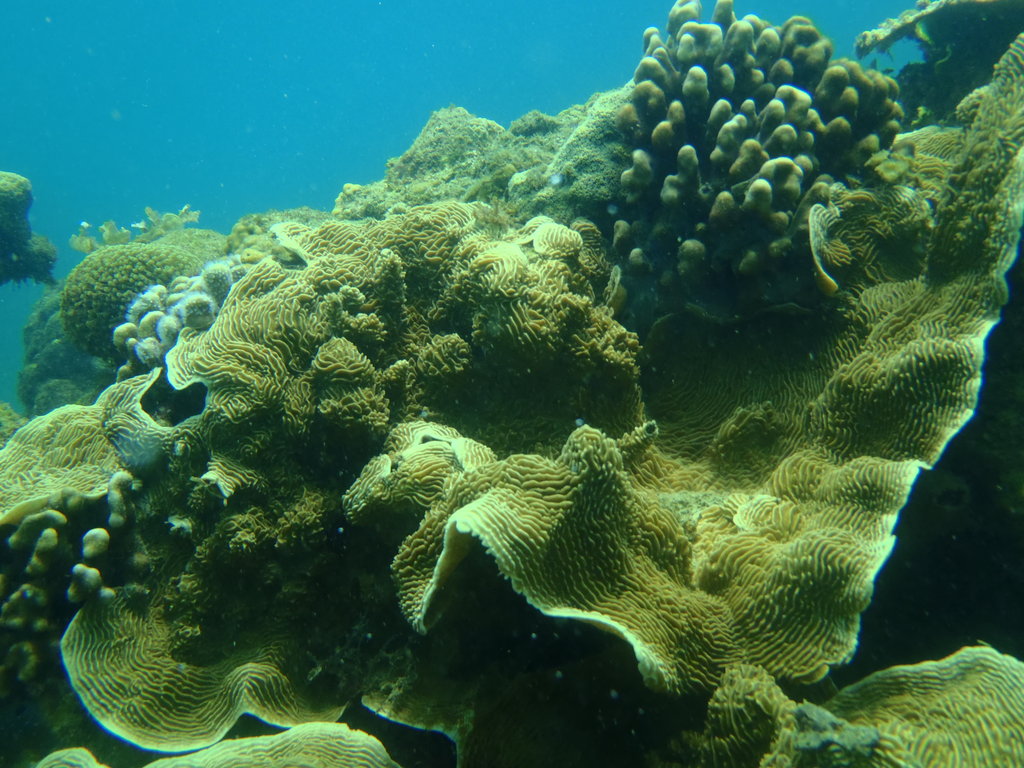
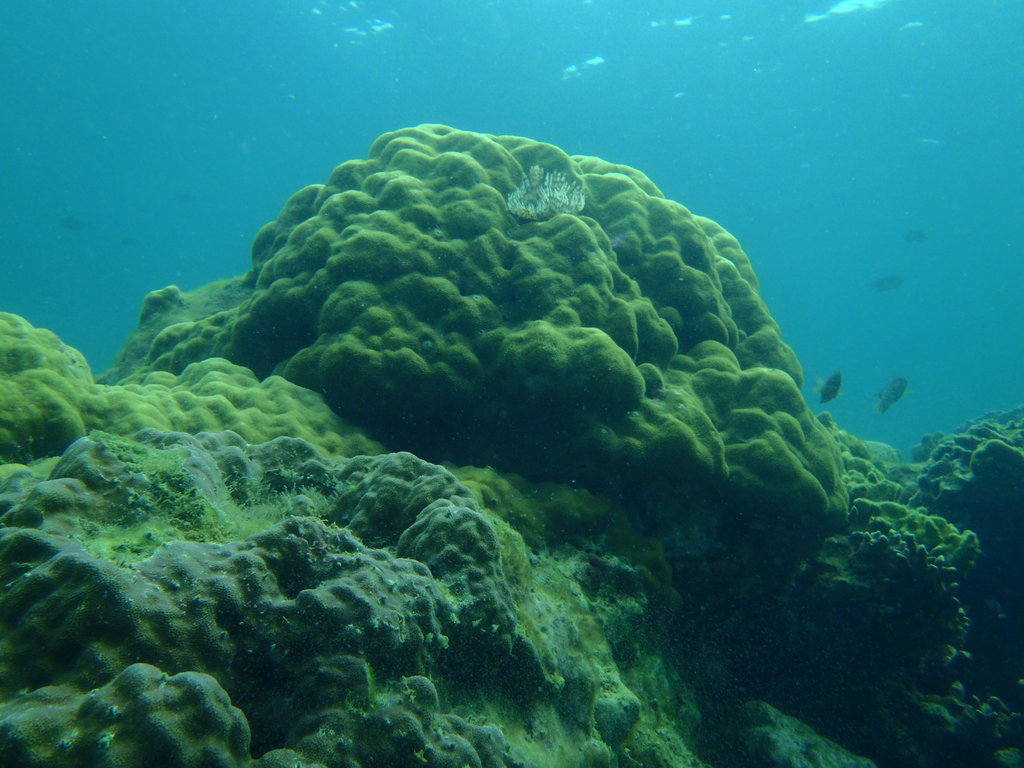
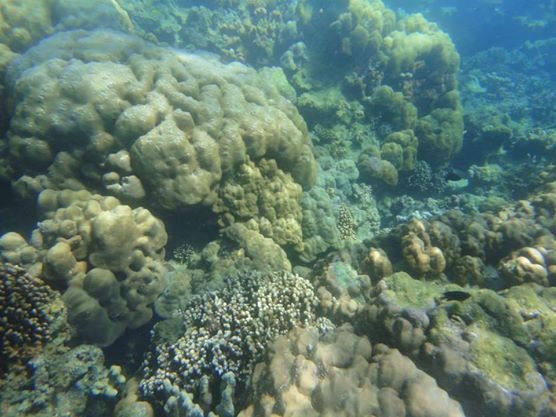
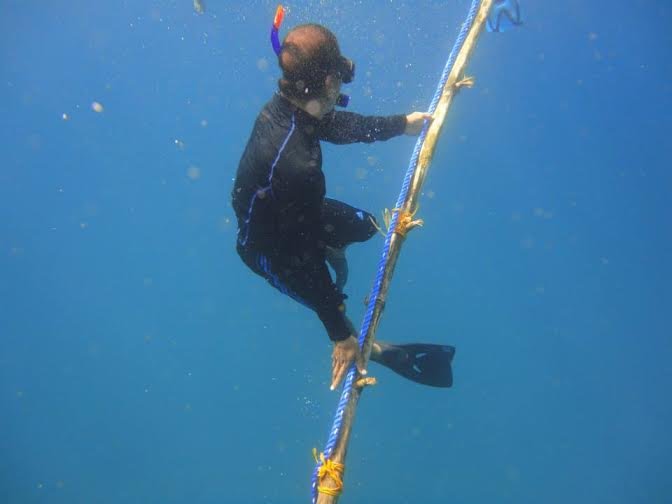
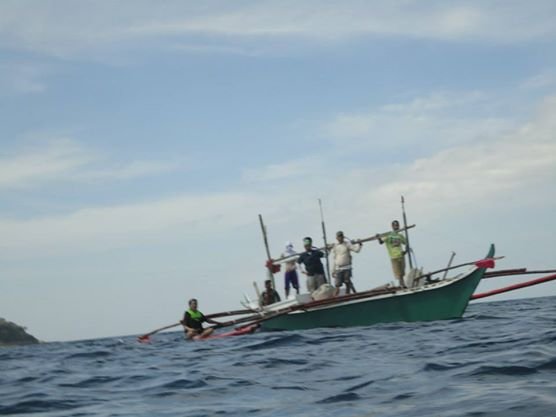
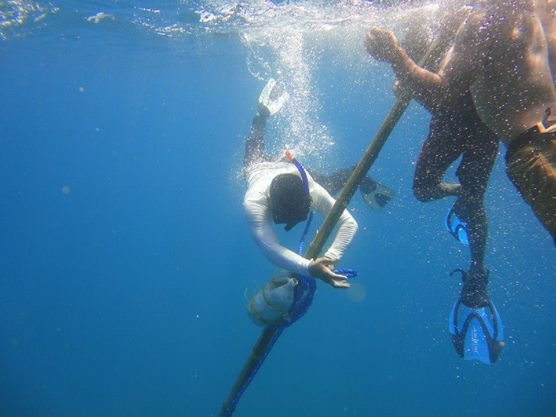
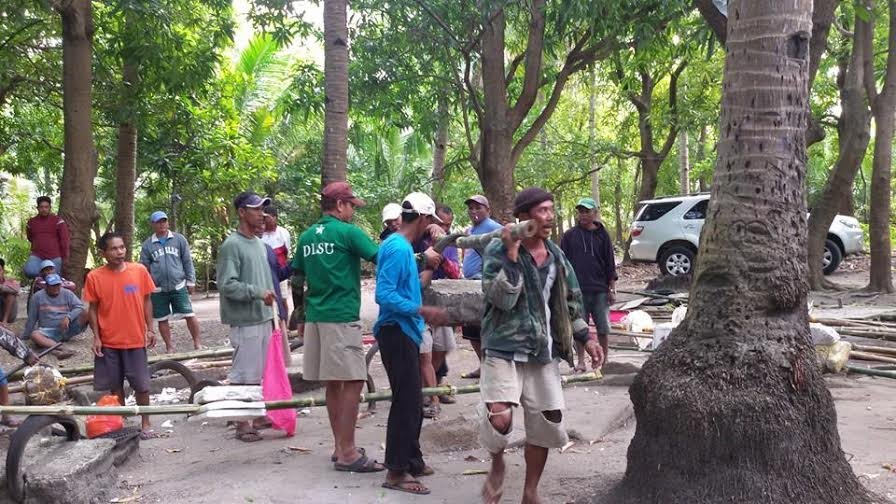
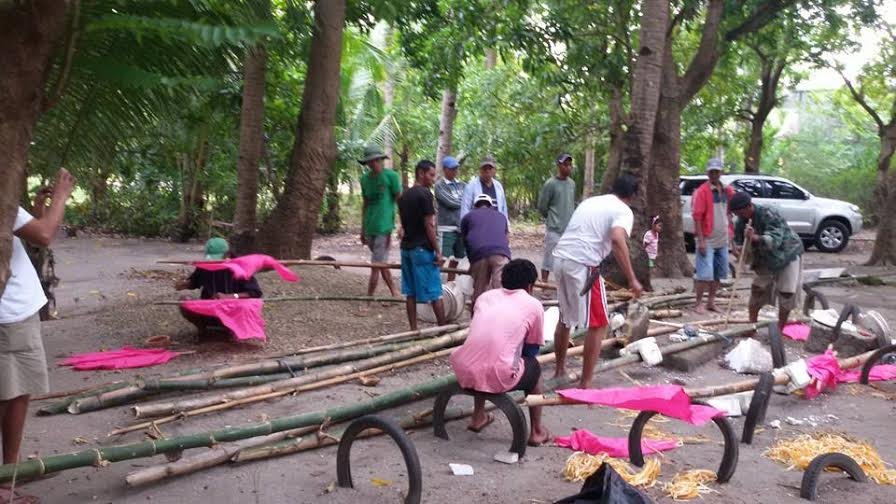
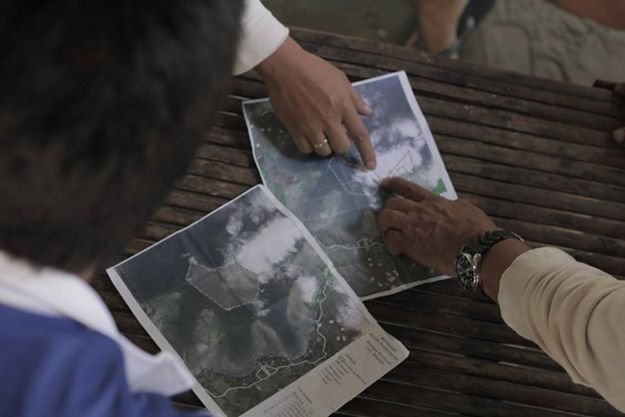
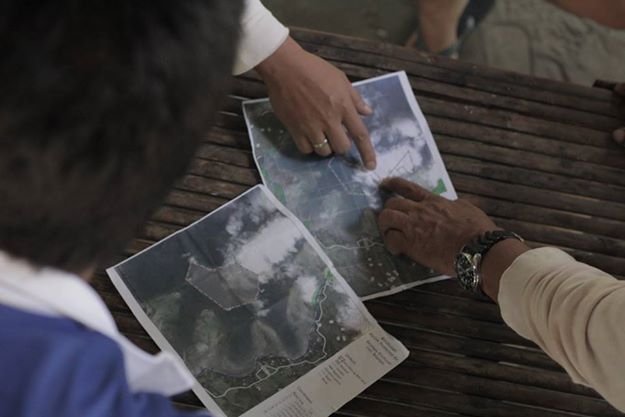
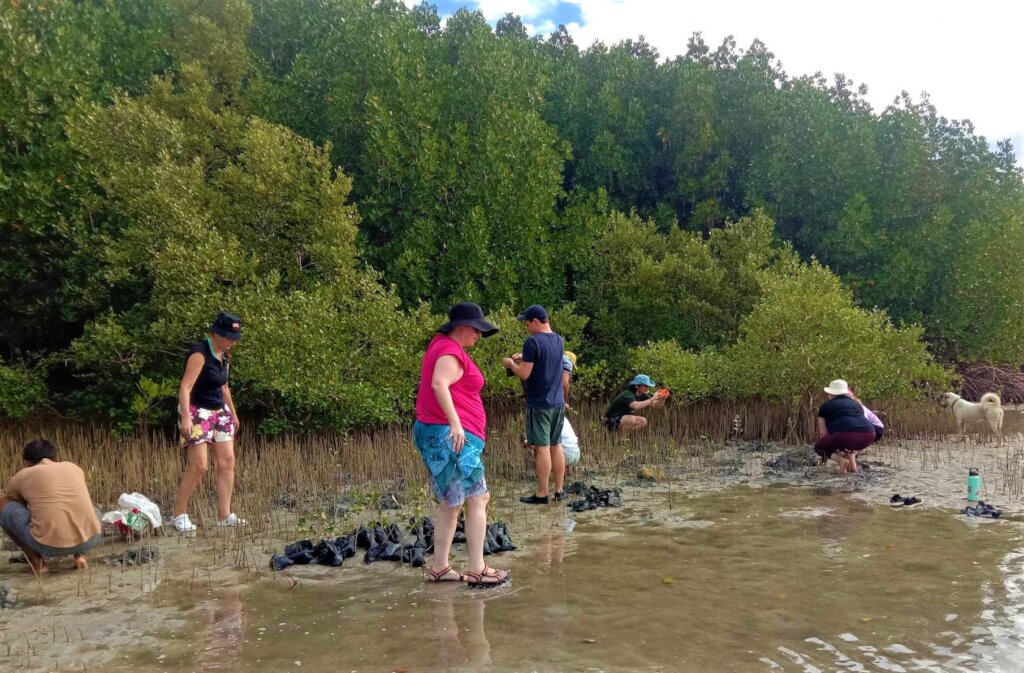
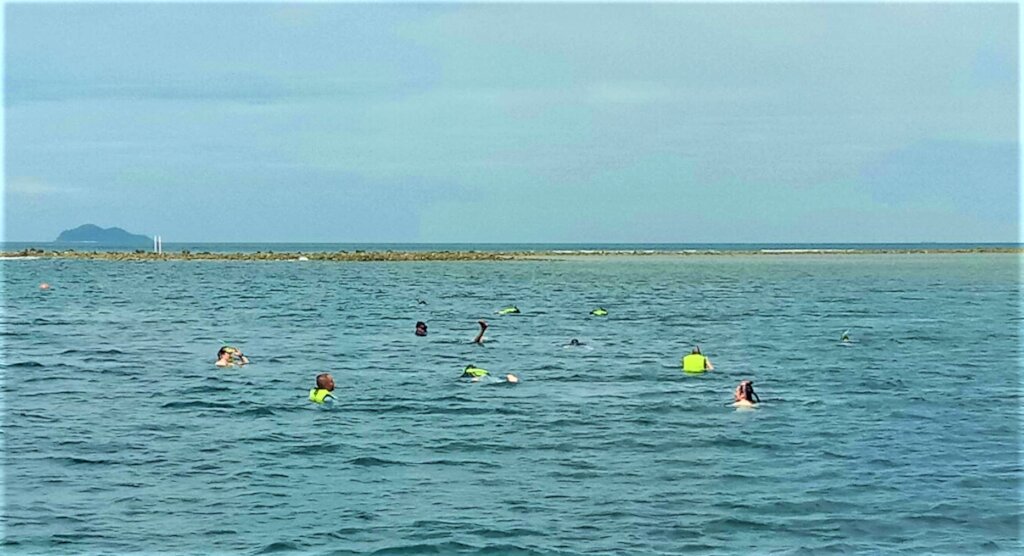
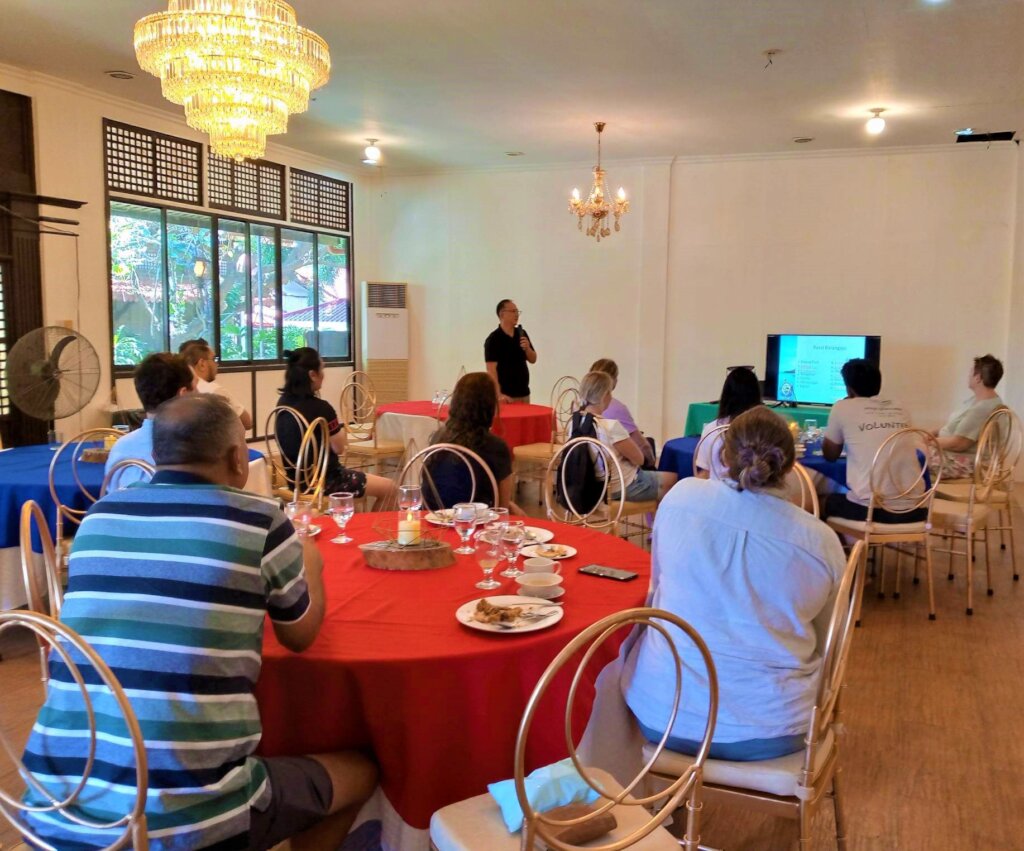
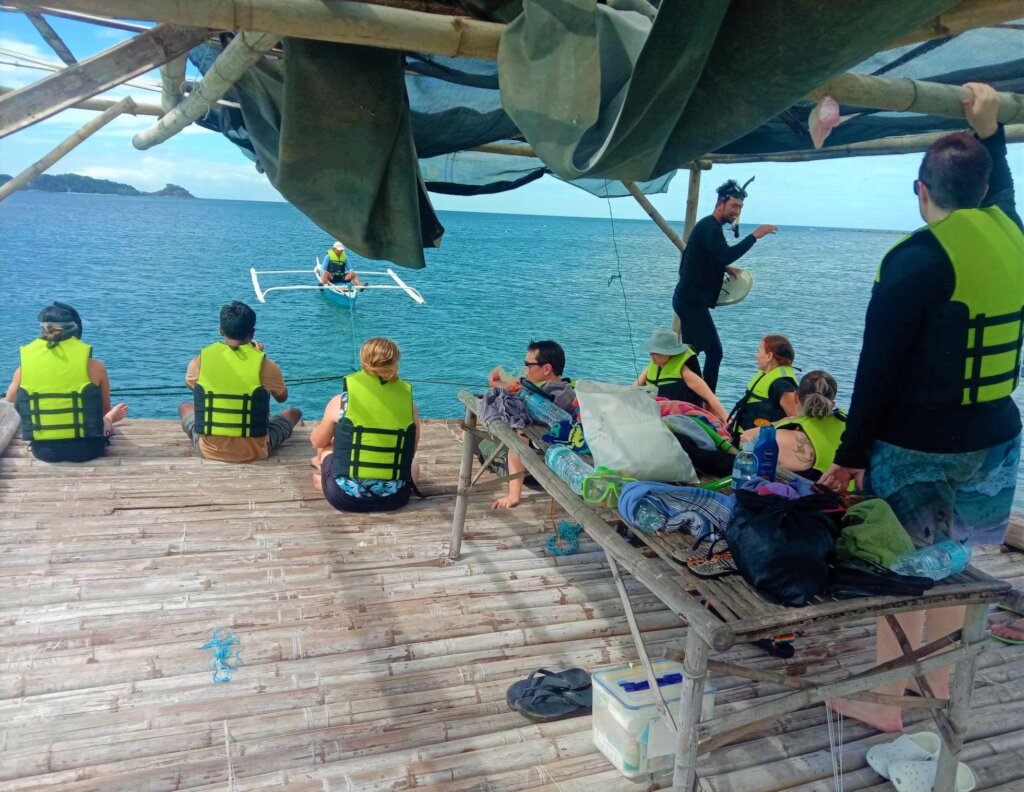
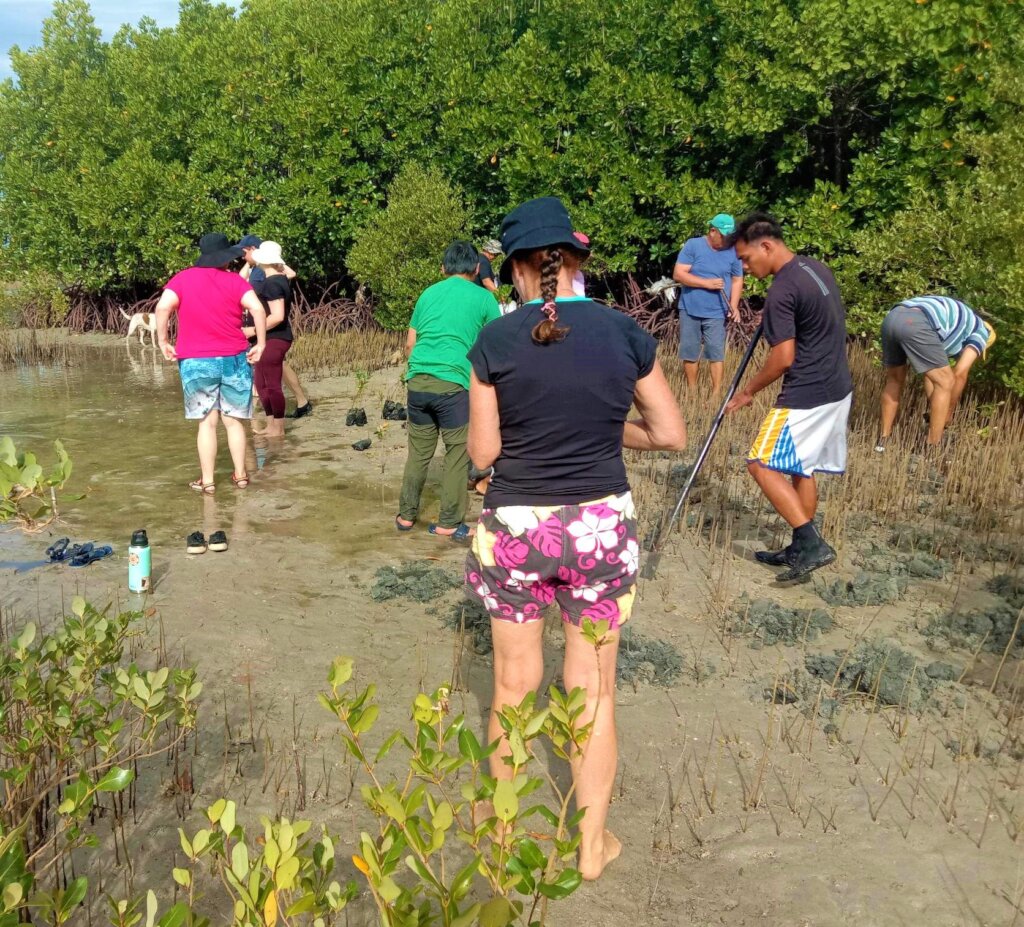
DLSU-COSCA and the various Lian Community-Based Coastal Resource Management (CBCRM) project stakeholders facilitated, on February 2, 2023, mangrove tree planting, snorkeling and reef appreciation activities with guests from Charles Darwin University. These activities and the continued checking and monitoring of Talim bay reef during the first quarter of 2023 in the Marine Protected Areas (MPA) of Lumaniag , Lian, Batangas, are necessary to help maintain the bay's biodiversity and health. COSCA supports the regular Talim bay reef checking held, which is participated by community members and led by organizations of local fishers like the LFA, Inc.
The challenges faced by local anglers, such as pollution and the bleaching of coral reefs, among others which adversely affected the availability of marine resources, reducing the income of local anglers, had prompted the implementation of community based-ecotourism supported by various stakeholders and managing their Mangrove Nursery project. This had been providing an alternative income for the local fishers. These challenges only inspire Talim Bay fisherfolks to continue their advocacy to protect the bay as the Mangroves they plant provide a protective buffer zone, especially for natural calamities, and provide breeding and feeding areas for a great variety of life, including endangered and threatened species.
Likewise, mangroves help stabilize sediments and reduce erosion. However, there are threats to Mangroves, like the following anthropogenic activities, which are considered direct threats to mangroves: conversion of mangroves, pollution, siltation, and disturbance due to gleaning, among others—considered as indirect threats or natural phenomena like diseases, typhoons, rising sea levels due to global warming and other factors.
Given all these direct and indirect threats to mangroves, the local fishers of Talim bay continue to pursue the mangrove reforestation project - facilitating the replanting of mangrove seedlings in the areas that are affected and observed to have a low survival rate to sustain and improve the ecosystem of Talim Bay, get more greening protection and conservation of marine environment as a mangrove ecosystem is interconnected and interdependent to coral reef ecosystem and seagrass ecosystem.
(Photos by: COSCA LSDP; Lian Batangas MENRO)
Project reports on GlobalGiving are posted directly to globalgiving.org by Project Leaders as they are completed, generally every 3-4 months. To protect the integrity of these documents, GlobalGiving does not alter them; therefore you may find some language or formatting issues.
If you donate to this project or have donated to this project, you can receive an email when this project posts a report. You can also subscribe for reports without donating.



Support this important cause by creating a personalized fundraising page.
Start a Fundraiser