By Vivian Baca Smith | Sustainable Tourism Coordinator
How do I get to Machu Picchu? Where are the best fruit markets in the Sacred Valley? What do I do on the weekends? I keep seeing the word “wasi,” but what does it mean? Por favor, can someone teach me how to pronunciar “Ollantaytambo?”
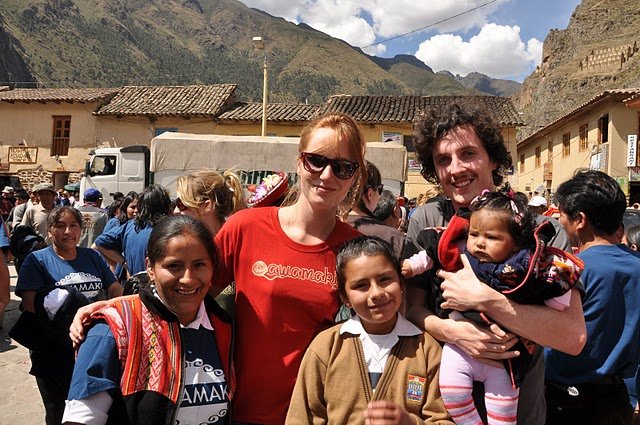
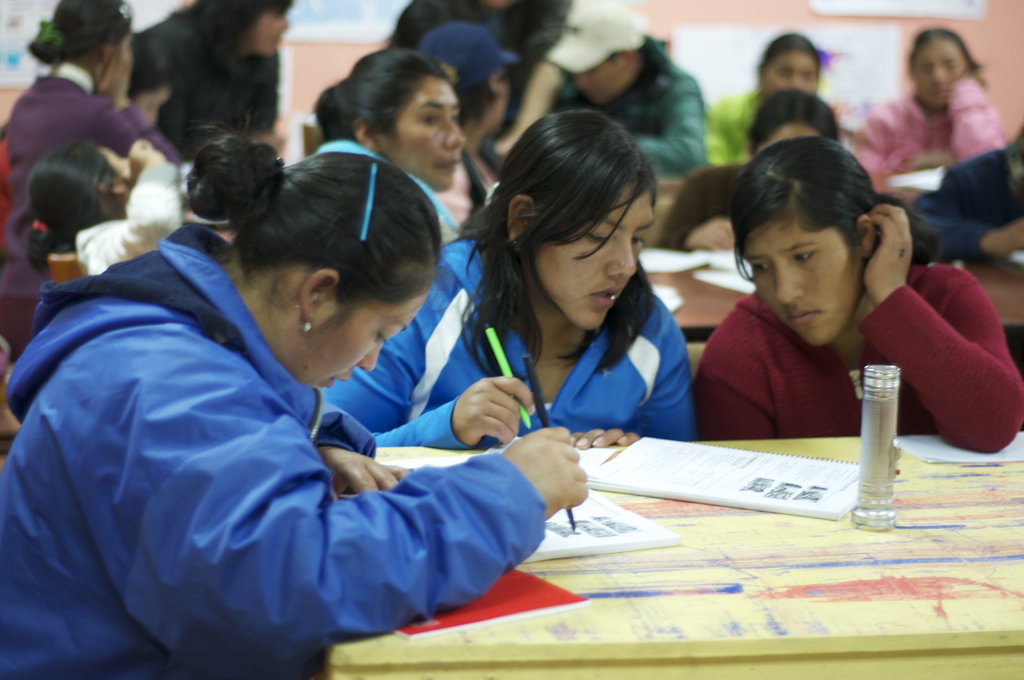
Luckily, Awamaki’s interns learn the answers to these important questions through the Cultural Orientation Spanish course. The newest additions to our team spend their first week learning from an Ollanta native about five key topics: Ollantaytambo in Incan vs. modern times, typical foods of Peru, touristic information, homestay family norms and etiquette, and Quechua language and culture.
Our team of teachers designed the course themselves with a little help from Christine Ellison, a teaching consultant who lives locally and is a teacher herself.
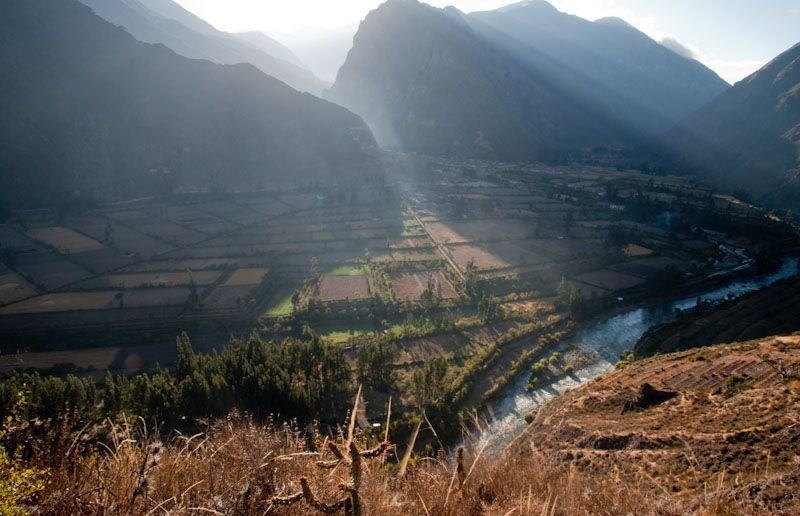
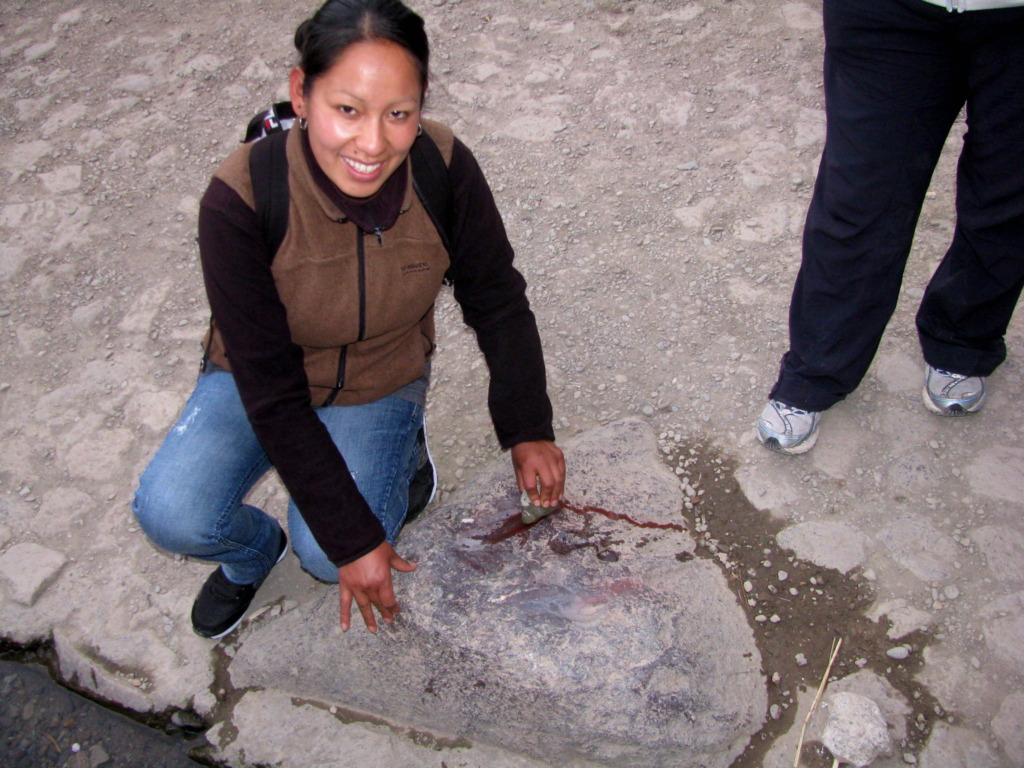
“It’s a really interesting way to learn about the place you’ll be living and working for the next 10 weeks to 6 months,”our Volunteer Coordinator, Laura Brokaw calls it. While half the class you devote to improving your grammar and learning Spanish and Quechua vocabulary in the classroom, you spend just as much time climbing local ruins, tasting local fruits, and walking through local family farms, or chakras.
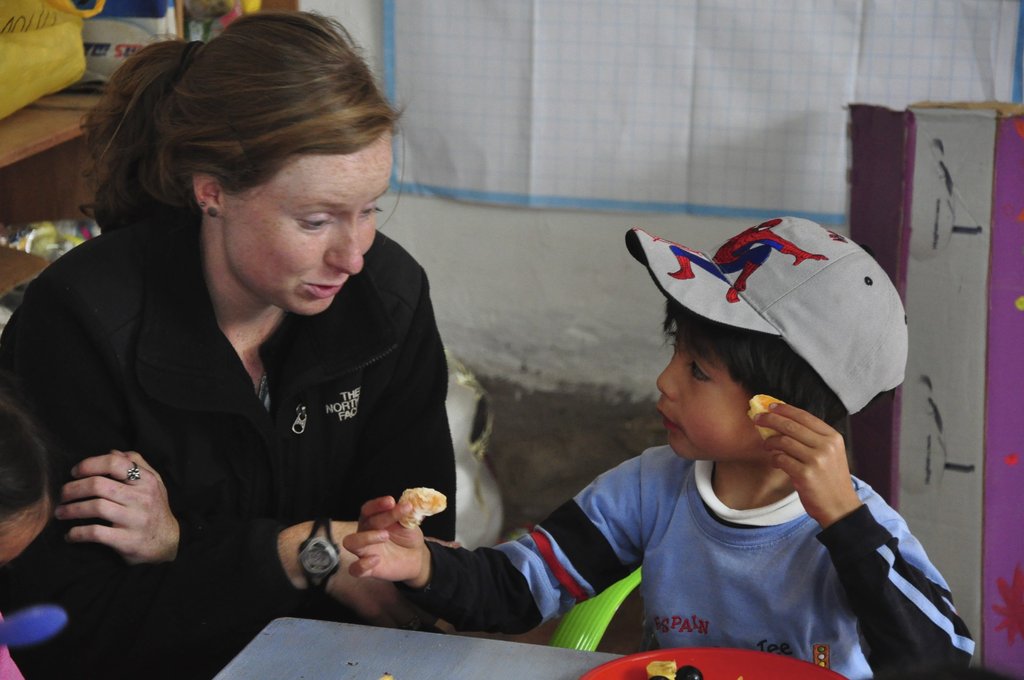
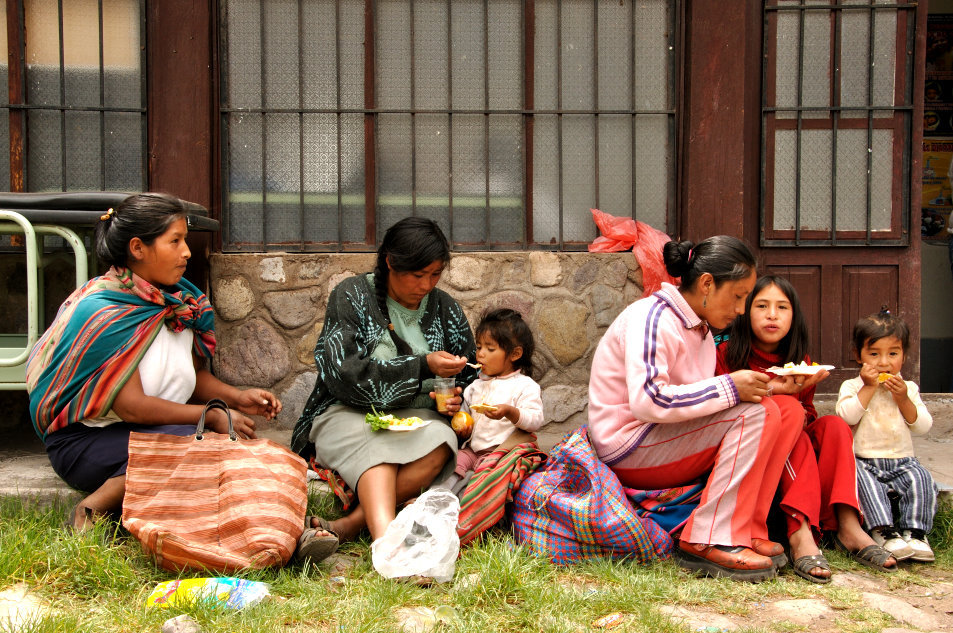
In a nod to Peru’s culinary greatness, most students say that their favorite class session was Typical Foods of Peru. After describing the look, taste, and texture of the native fruits, the teacher leads her students to the market to identify their location and correct prices. Megan, a textiles design intern, chuckles as she recalls, “Our teacher Ruth kept laughing at the faces that Holly and I would make when we tasted the sour capuli or the super sweet chirimoya.”
Whether interns learned essential information such as how to catch the combi to Urubamba and how to politely ask their host family to serve them fewer rice and potatoes or the historical tidbit that the giant stones used to make the temple of the sun in the fortress ruins came from far away quarries on the other side of the river, all conclude that the cultural orientation course offered them something new that they’d never learned in previous courses. Beginner, intermediate, and advanced Spanish speakers alike learned useful day-to-day vocabulary while improving their technical skills.
And, of course, they learned the answers to the previously mentioned questions: To get to Machu Picchu on a student budget, you can take a combi to Santa Teresa and Hidroeléctrica; Wednesday and Friday are great market days in Urubamba; you’ve got to go to the Salineras, Chinchero, and Pisac; wasi means house; and Ollantaytambo is pronounced as it’s spelled!
Project reports on GlobalGiving are posted directly to globalgiving.org by Project Leaders as they are completed, generally every 3-4 months. To protect the integrity of these documents, GlobalGiving does not alter them; therefore you may find some language or formatting issues.
If you donate to this project or have donated to this project, you can receive an email when this project posts a report. You can also subscribe for reports without donating.