By olivier ciza | PROJECT LEADER
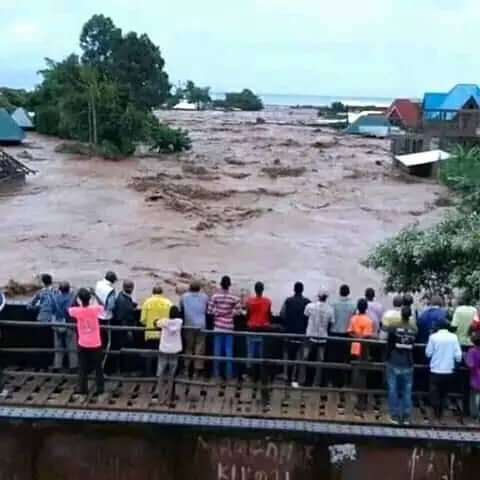
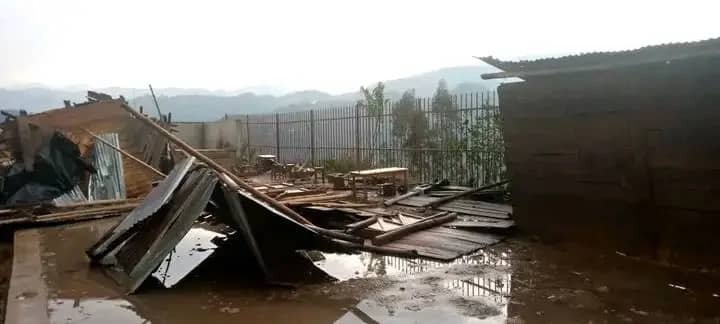
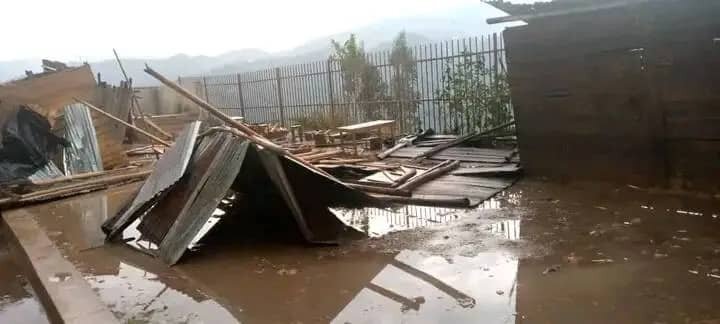
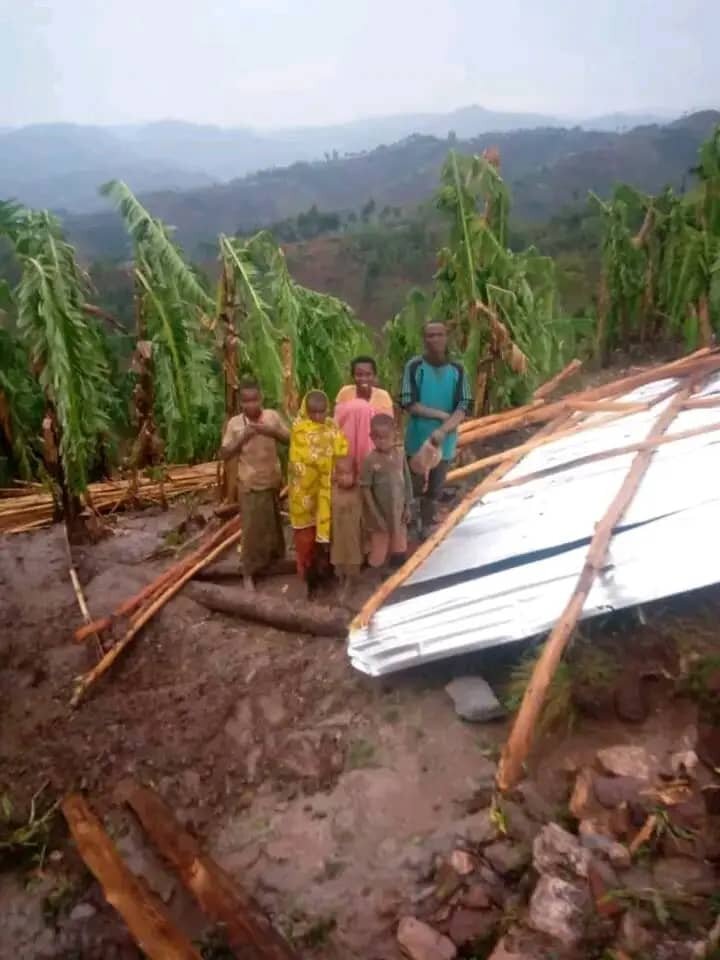
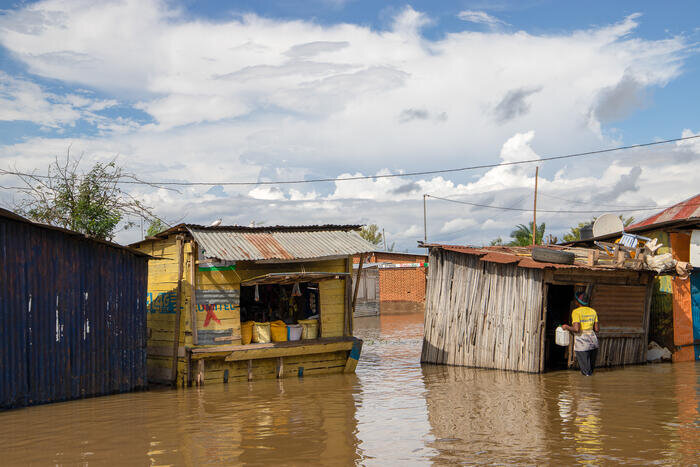
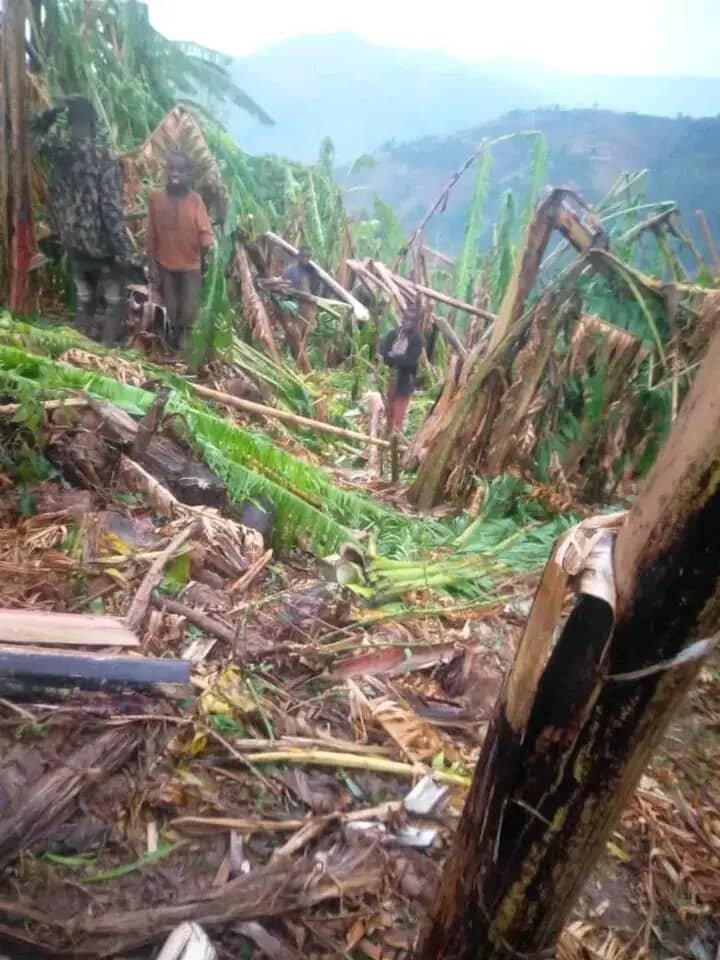
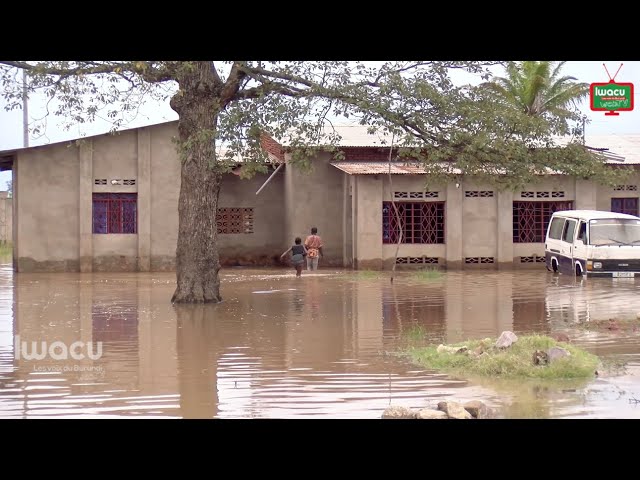
SAVE LIFE MAKE DIFFERENCE Bujumbura Burundi savelifemakedifference@gmail.com Project report EMERGENCY APPEAL Flooding in Burundi has recently displaced over 100,000 people, primarily due to the historic rising of Lake Tanganyika and the Rusizi River. The crisis, exacerbated by the El Niño weather phenomenon, has impacted more than 200,000 people across the country since late 2023. Current Displacement & Impact Scale of Displacement: At least 100,000 people have been forced to flee their homes as of mid-2024, with total affected populations exceeding 200,000. Primary Cause: Heavy rainfall and the rising waters of Lake Tanganyika, which reached record levels in early 2024, just centimeters shy of its 1964 peak. Key Affected Areas: The economic capital, Bujumbura, and the rural area of Gatumba are among the hardest-hit regions. Infrastructure Damage: Approximately 19,250 homes and 209 classrooms were destroyed between September 2023 and April 2024. Humanitarian Response Relocation Efforts: The Burundian government, with support from the UN Refugee Agency (UNHCR), has been relocating families from flood-prone shores to safer villages like Gateri, where semi-durable shelters have been constructed. Urgent Needs: Displaced populations require immediate assistance, including food, clean water, healthcare, and sanitation to prevent the spread of waterborne diseases. Funding Gap: Humanitarian actors have appealed for approximately $61.1 million to strengthen emergency responses and build long-term climate resilience. Vulnerability Factors Climate Change: Burundi is ranked among the top 20 countries globally most vulnerable to climate change. Economic Fragility: As one of the world's poorest nations, the country relies heavily on subsistence agriculture, which has been devastated by the loss of crops and livestock in flooded fields. More than 10,000 people have been displaced by devastating floods following heavy rains that have battered parts of Burundi in the recent weeks. Individuals from the rural area of Gatumba, in the province of Bujumbura, have been forced to seek shelter in schools, churches or sometimes in improvised makeshift shelters by the roadside. In addition to losing their homes, many have lost their livelihoods as the flooding has destroyed crops and damaged businesses. This follows the displacement of 1,000 households in the same area in April 2023, according to IOM's Displacement Tracking Matrix (DTM). “The consequences of climate-induced disasters call for continuous lifesaving assistance to the affected communities, and most especially the Internally Displaced Persons. Funding support is urgently needed to assist the most vulnerable and leave no one behind,” said Vijaya Souri, IOM’s Chief of Mission in Burundi. IOM as the lead of the Shelter/Non-Food Items sector is working closely with the Government of Burundi and other humanitarian actors to provide lifesaving shelter and non-food items assistance to the displaced population. However, the continued underfunding of the Humanitarian Response Plan for 2023 is hampering response. Torrential rains have caused devastating floods in East Africa’s Great Lakes region, affecting not only Burundi but also the Democratic Republic of the Congo (DRC) and Rwanda displacing thousands and leaving others dead. The displaced populations are in dire need of urgent humanitarian assistance including shelter, food, non-food items and protection. With the cholera epidemic that broke out in Burundi in January 2023, the public health risks for those displaced and sheltered in crowded areas, often without proper access to basic water, sanitation, and hygiene infrastructure, are seriously aggravated. Nearly half of the 187 confirmed cases in the Bujumbura province as of May 4, 2023, were in the Gatumba area, and one person has died, according to the United Nations Office for the Coordination of Humanitarian Affairs. Children are also particularly affected as schools have been turned into shelters, interrupting the regular class schedule. Some residents of Gatumba have been displaced several times in recent years, particularly due to heavy flooding in 2020 and 2021. The recurrence of climate-induced disasters in Burundi, combined with the rising cost of living, continue to undermine the resilience of affected populations. Despite the urgency of the situation, partners, including IOM, are struggling to meet the needs of those most affected. Without support to displaced populations, further climate-induced disasters could quickly escalate and aggravate existing emergencies. Globally, Burundi is among 20 countries most vulnerable to climate change. The situation could get worse as climate change is intensifying the occurrence and impact of natural hazards. In the aftermath of a disaster, people’s lives, living conditions and routine become deeply affected and disrupted. Still, disasters force some of the most vulnerable populations to live in terrible conditions. SAVE LIFE MAKE DIFFERENCE since we start our project $3,043 raised of $100,000 goal SAVE LIFE MAKE DIFFERENCE Bujumbura Burundi 24/02/2026 savelifemakedifference@gmail.com
Project reports on GlobalGiving are posted directly to globalgiving.org by Project Leaders as they are completed, generally every 3-4 months. To protect the integrity of these documents, GlobalGiving does not alter them; therefore you may find some language or formatting issues.
If you donate to this project or have donated to this project, you can receive an email when this project posts a report. You can also subscribe for reports without donating.



Support this important cause by creating a personalized fundraising page.
Start a Fundraiser