By Betty Gisore | Grants and Administrative Assistant
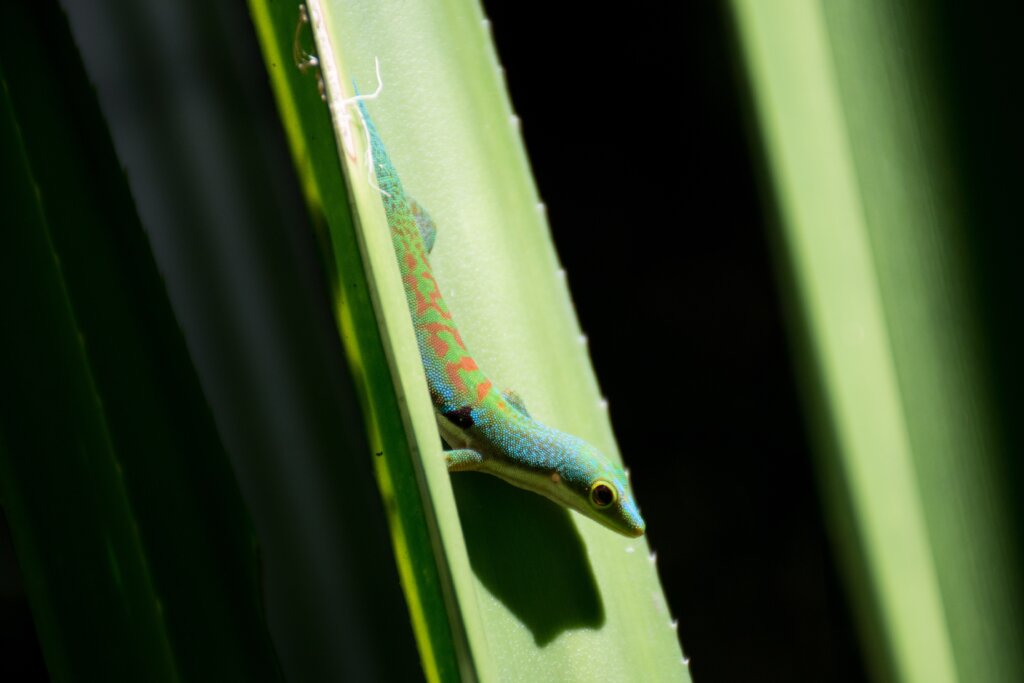
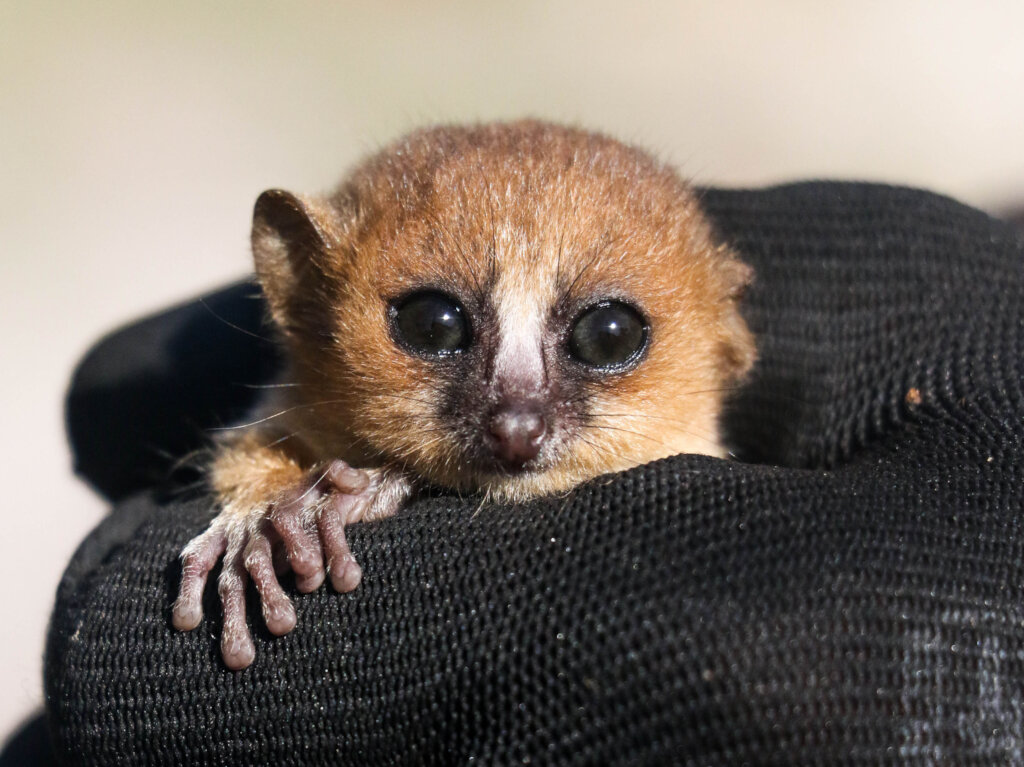
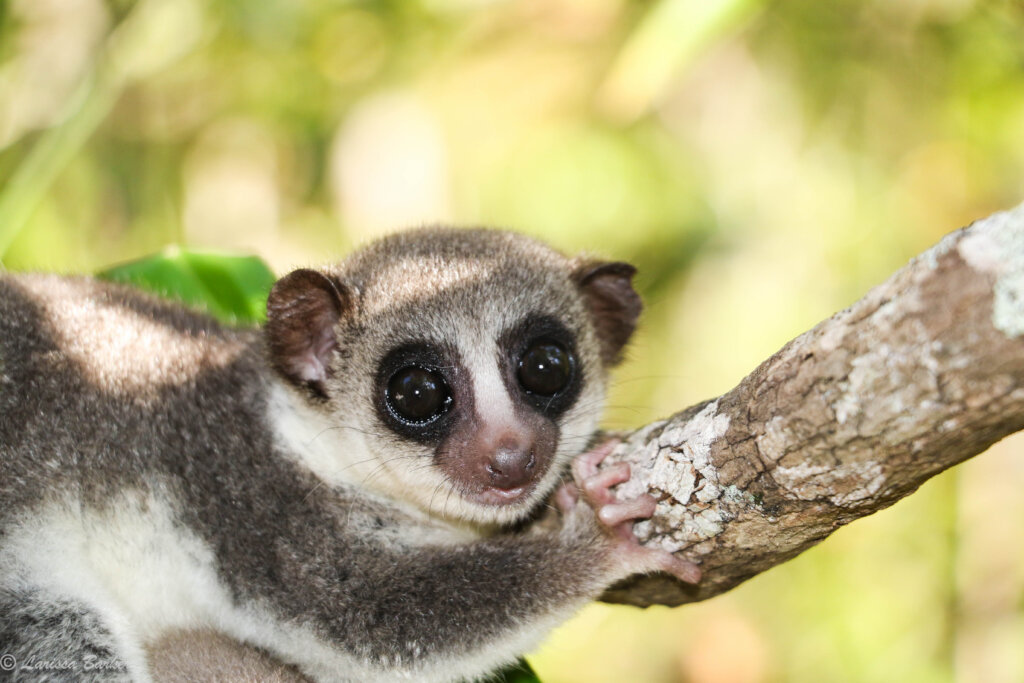
Over recent months, SEED has continued to make steady progress across both the Phelsuma and Ala conservation programmes, strengthening post-fire recovery efforts and advancing long-term planning. Post-translocation monitoring remains a central priority following the March trial movement of 11 Phelsuma antanosy individuals from the Sainte Luce littoral forest fragment S7 to S9. Although no translocated individuals have been re-sighted since the previous update, monitoring was significantly expanded in October. This increase in spatial coverage and staff capacity aims to improve reidentification rates during the hotter months, when P. antanosy are typically more active and visible. At the same time, development of the five-year conservation strategy continues, integrating lessons learned from both the translocation trial and subsequent monitoring. In the aftermath of the severe January 2025 fire, long-term transect surveys in S7 are ongoing and are providing essential data to update the post-fire subpopulation estimate. Recent work has also included the production of high-quality visual media showcasing P. antanosy and highlighting the global significance of conserving the littoral forests of southeast Madagascar, which will soon be shared across SEED’s platforms.
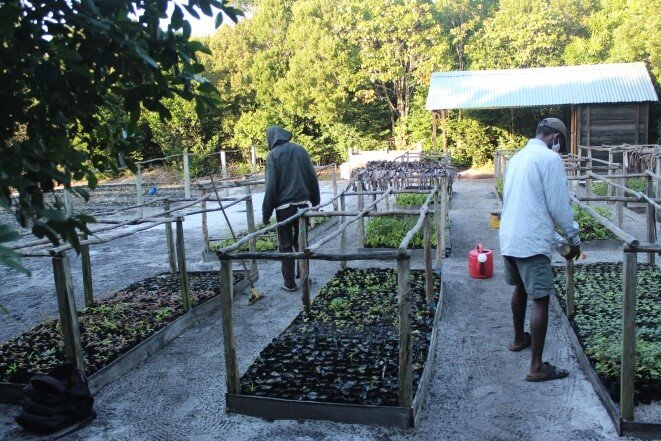
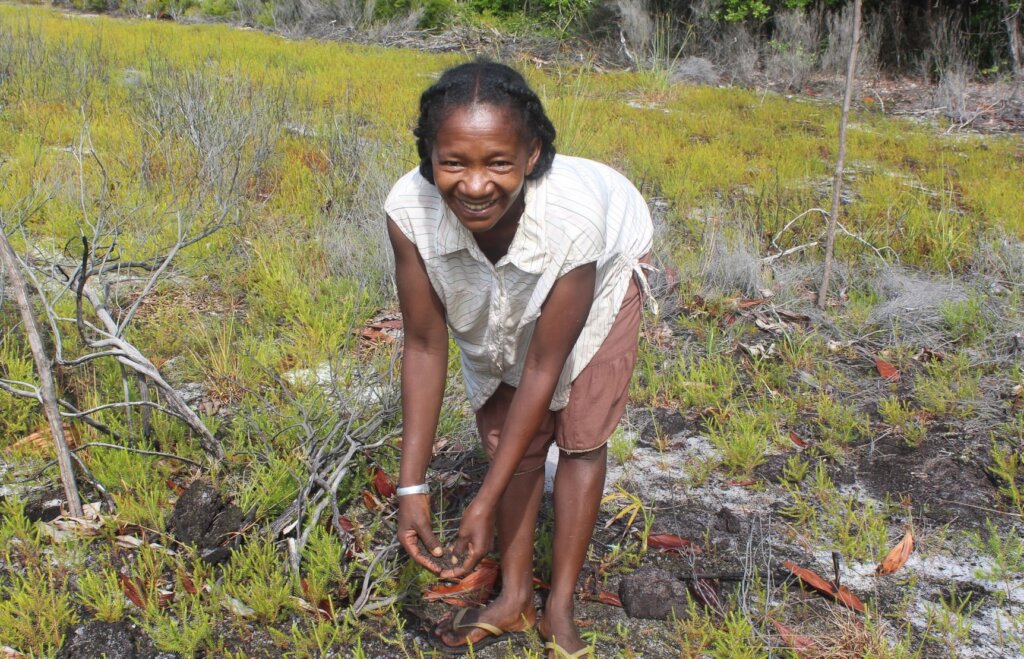
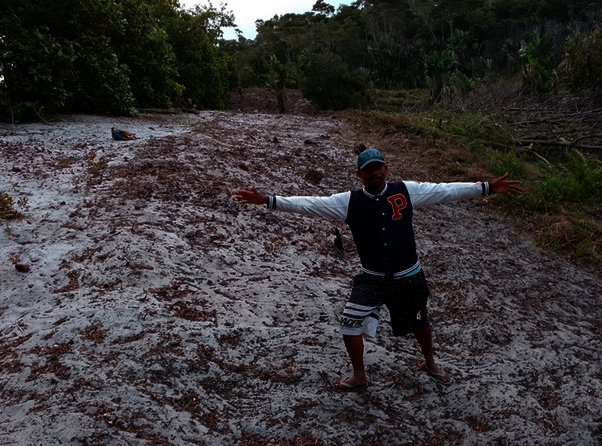
Within the Ala programme, efforts between August and October focused on preparing for the upcoming fire season and reinforcing habitat restoration capacity. Last year, the absence of adequately sized firebreaks allowed fires to enter the forest corridors, resulting in the survival of only around 10% of native species. In response, corridor firebreaks were widened in September to 10 metres on both sides, and the S8 forest fragment is now fully enclosed by a 15-metre firebreak. Clearing the S8 firebreak required substantial negotiation and close collaboration to ensure all commitments were fulfilled. Expansion of nursery infrastructure has also progressed, with 18 new beds constructed in recent months, enabling the cultivation of more than 30,000 native seedlings and creating space for an additional 16,000. Soil testing conducted in October will guide upcoming corridor expansions and help ensure that future plantings are ecologically well matched to site conditions. Fire preparedness has also strengthened within partner communities, with fire response teams better equipped and mobilised ahead of the fire season.
None of this progress would be possible without the generous support of our donors, whose commitment continues to drive meaningful conservation outcomes in the Sainte Luce landscape. Thank you for standing with us as we work to protect these threatened species and restore their fragile habitats.
Project reports on GlobalGiving are posted directly to globalgiving.org by Project Leaders as they are completed, generally every 3-4 months. To protect the integrity of these documents, GlobalGiving does not alter them; therefore you may find some language or formatting issues.
If you donate to this project or have donated to this project, you can receive an email when this project posts a report. You can also subscribe for reports without donating.



Support this important cause by creating a personalized fundraising page.
Start a Fundraiser