By R.BALU | DIRECTOR
Summary
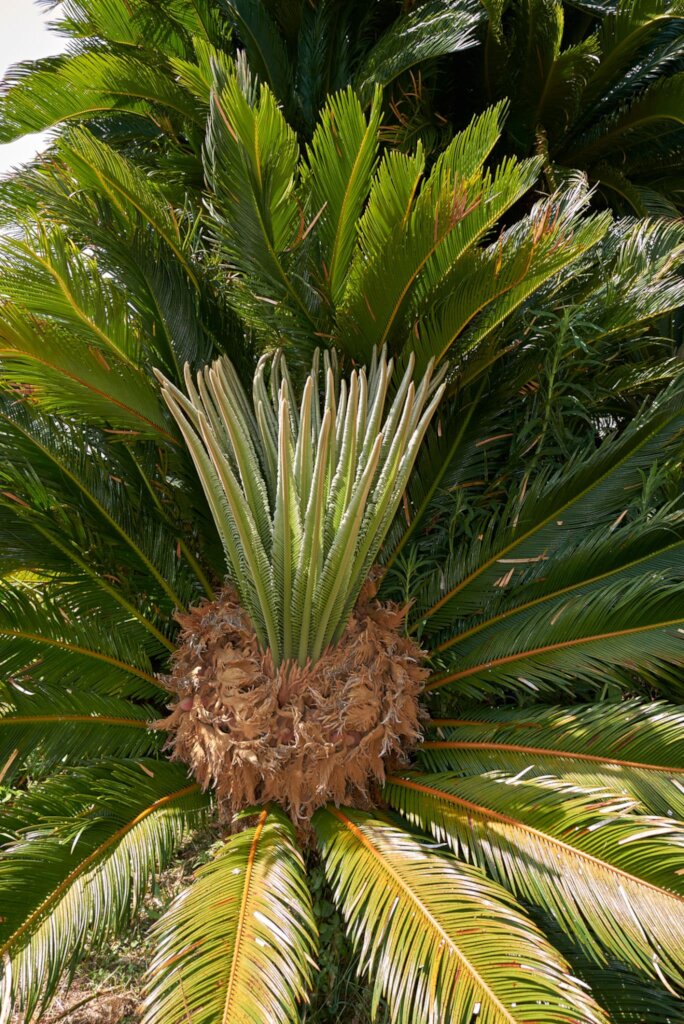
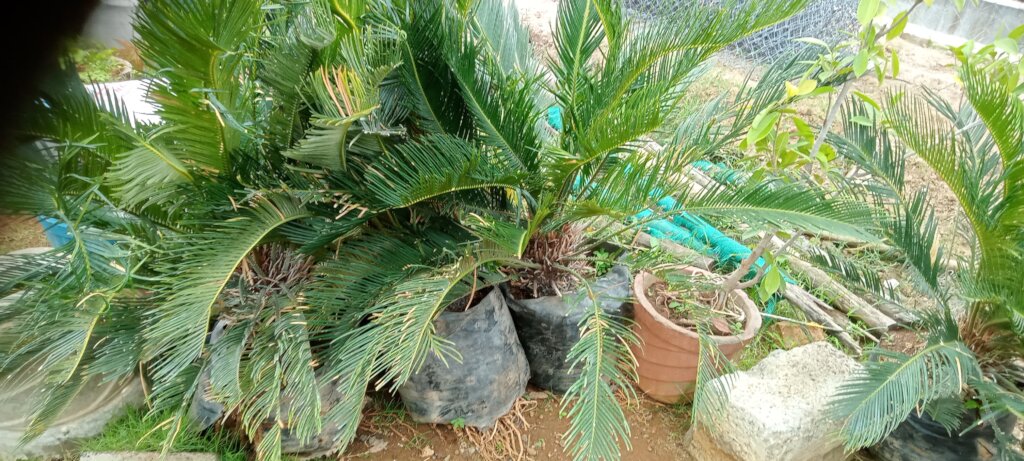
Cycas beddomei is an evergreen, palm-like plant with an erect main stem that can eventually be up to 200cm tall and 15cm in diameter; this is topped by a crown of around 20 - 30 large leaves each around 100 - 130cm long. Male plants often produce suckers from the base to form a clump, but females are always solitary.
The population of Cycas beddomei is declining, partly due to local medicinal use and partly due to the frequency of grassfires that effectively block reproduction. The plant is classified as 'Endangered' in the IUCN Red List of Threatened Species. Preservation of Fauna is based on preservation of Flora. The first impact of the Flora is on the entomology. In future we will need the entomological studies, but we will not be having the species to study.
Description of location's specific nature, biodiversity, socio-economic, and institutional characteristics:
Jawadhu Hills and Kavuthi / Vediappan Hills is called known as Tamil name because of the Hindu Lord SHIVA Temple Situated on the top of the mountain there are five thousand feet height from Floor.T It is situated from our office which is 10 KM Distance in Tiruvannamalai District. In our state Tamilnadu Jawadhu Hills and Kavuthi/Vediappan Hills mountain is a Ancient traditional Hindu Pilgrims.
The Traditional Worship and the function conducted every full moon day and other important Hindus festival.
Because the important medicinal herbal plants found on the top of the parvathamalai mountain.
The natural resource the medicinal herbal plant used for these visitors and the worshipers
There are thirty five villages surrounding behalf of the Jawadhu Hills and Kavuthi/Vediappan Hills.
- Agriculture is the main occupation of the tribal people. But, agriculture is only seasonal and confined to periods of good rainfall. The crops they cultivate are some millets and pulses that don’t have much commercial value. When there is no rain and consequently no farming activity people go for hunting, collection of honey and for digging some root vegetables that have high caloric value.
- People in general are poor to the core. Desperate to make a living some young men cut trees in the forest and sell as firewood in the foothill villages.
The indigenous people residence generally live as subsistence formers, a variety of caste groups are found and local problems relate to forestry, agriculture , livestock, education, health and income. Normally the peoples lived depend upon on theJawadhu Hills and Kavuthi/Vediappan Hills Mountain and its forest area.
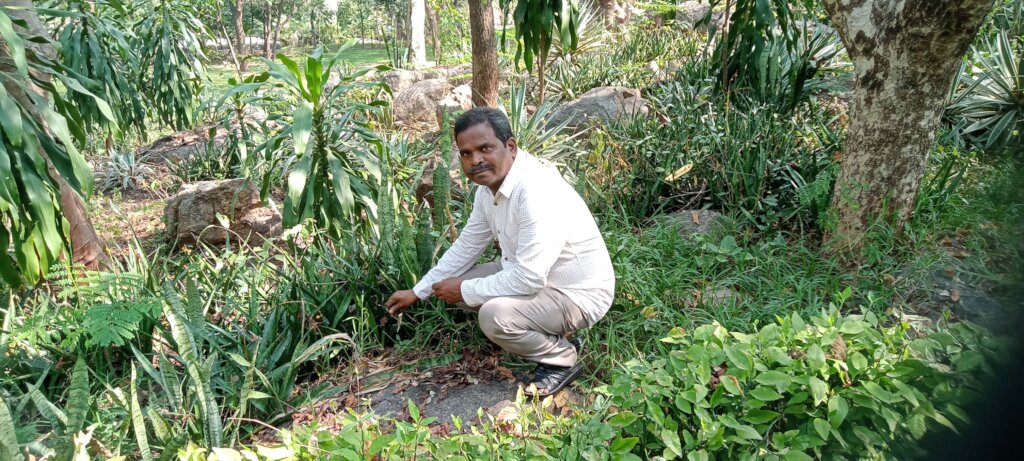
The location is near the south of Eastern Ghats. The maximum height of the hills is 1000 meters. The foot hills have the soil moisture for more than 8 months in a year. Many unique floras without being affected by invasive species flourish. Only indigenous people live near the forest area, for they are ostracised from the people of other communities. The indigenous people are gatherers of non-timber forest products and they sell them for their livelihood. They are also involved in unskilled agricultural labour during monsoon season. The targeted location is reserve forest area where the species was flourishing and now extinct. The old people call the species ‘ Kattu Perichai’ in Tamil. New generation of even indigenous people do not know the species.
Another species which is to be mentioned is Jatroba a castor oil seed producing plant and the variety from the target area is well known for high quality of oil.
The target location is a reserve forest area being a public property protected by the forest department. The indigenous people are the only people allowed in the area to gather non-timber forest products.
The Tribal of Tiruvannamalai District are leading their life in close connection with nature such as forest hills. Even though they are generally called as Tribal (Indigenous People) the following sub castes division is found : 1. Irular 2. Gothar 3. Kurumbar, 4. Malai Goundan 5. Malai Kuravan 6. Kuruman 7. Malayaligal. But they do have a common culture with minor differences it certain traits of culture and way of life like food habits and dressing pattern. A Population of 21,881 Tribal (as per 2001 census) are living in the district. The main population out member the female as the percentage of male population is 51.03% compare to female population is 48.97%. But literacy percentage has been still maintained at 5% only. The cent percent illiterate parents have not yet recognized education has the best solution for their empowerment of the children.
Project activities
Project reports on GlobalGiving are posted directly to globalgiving.org by Project Leaders as they are completed, generally every 3-4 months. To protect the integrity of these documents, GlobalGiving does not alter them; therefore you may find some language or formatting issues.
If you donate to this project or have donated to this project, you can receive an email when this project posts a report. You can also subscribe for reports without donating.



Support this important cause by creating a personalized fundraising page.
Start a Fundraiser