By Doris Kananu | Program Director
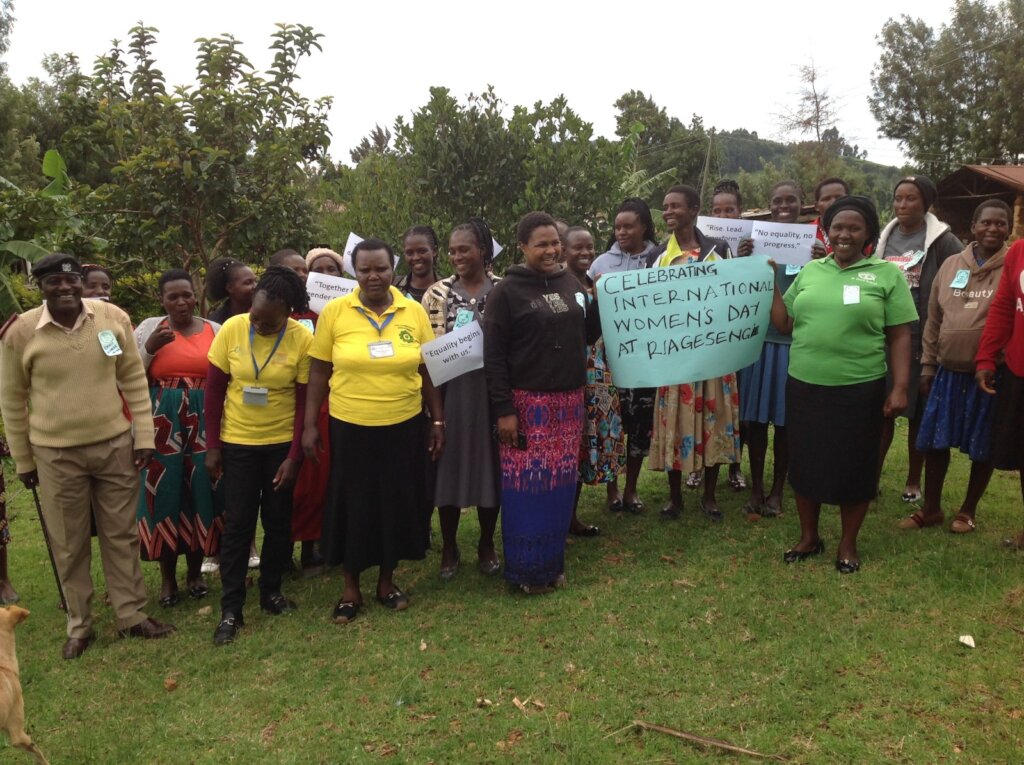
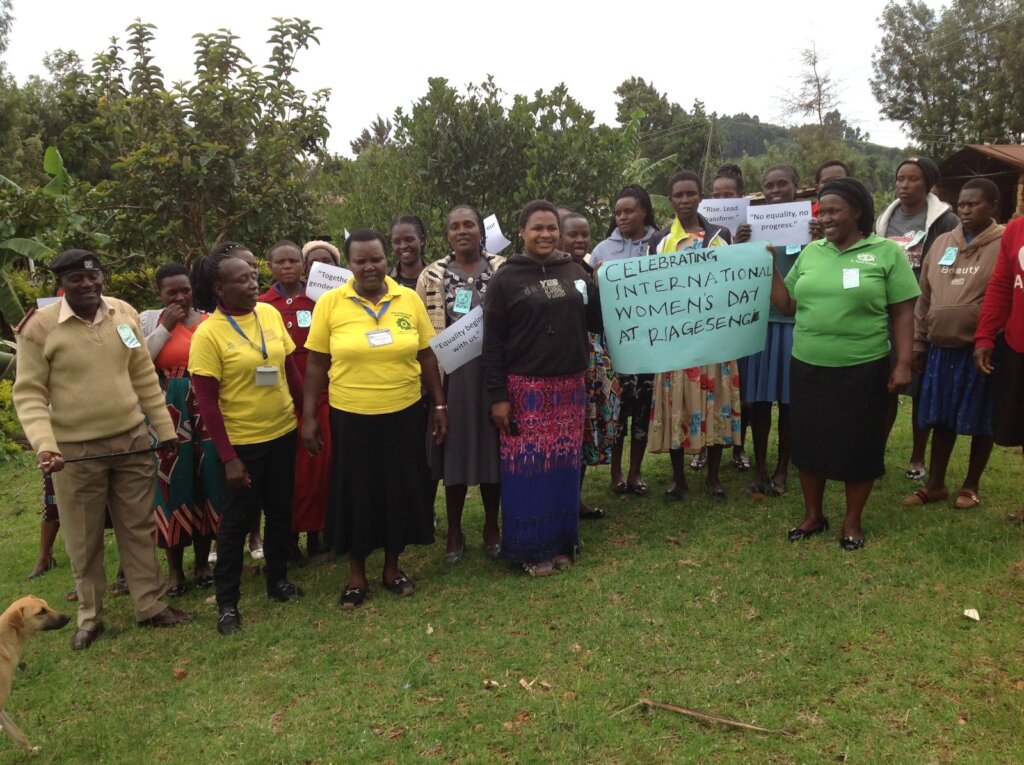
International Women’s Day is celebrated globally to recognize women’s achievements and the ongoing struggle for equality. The day also acknowledges progress made toward gender equality, promotes women’s empowerment and rights, and celebrates the important contributions women make to society. Powerful themes such as “No Equality, No Progress,” “Women Leading Change,” “Her Power, Our Future,” and “Together for Gender Equality” continue to inspire women to feel valued, strong, and recognized within their communities.
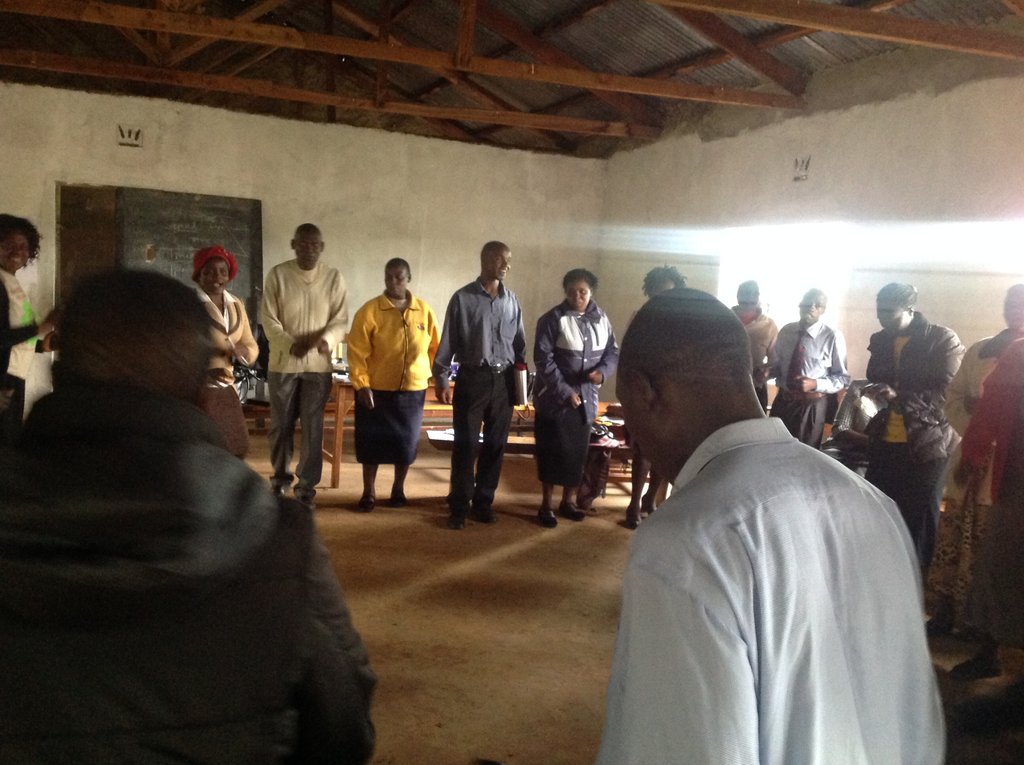
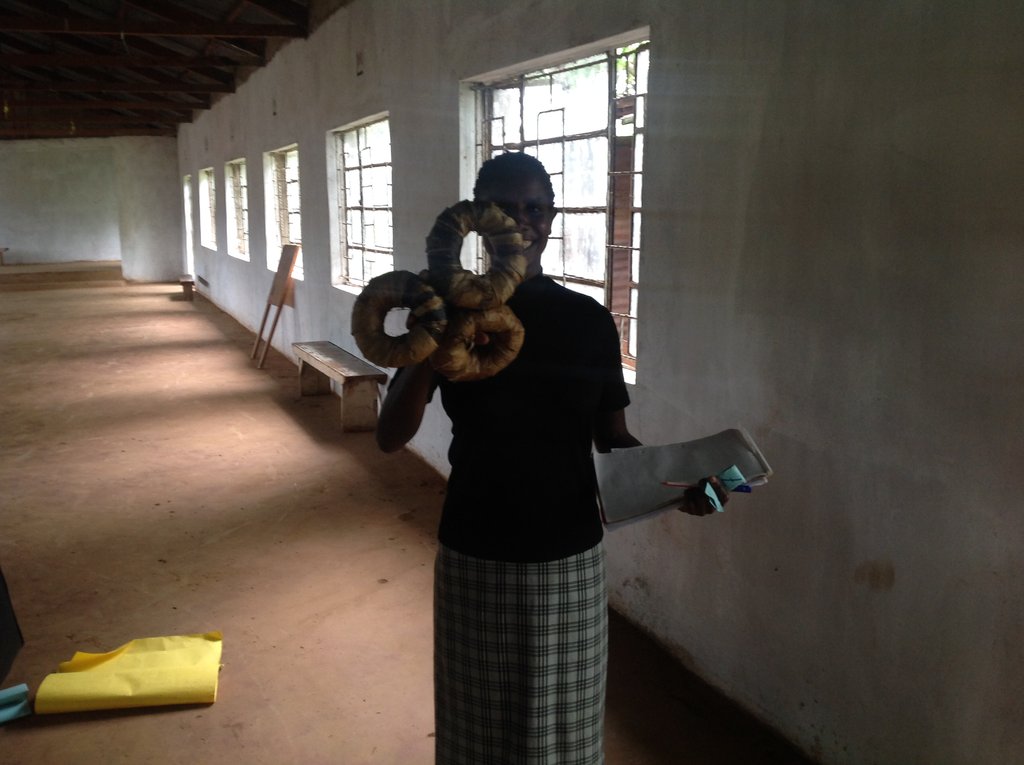
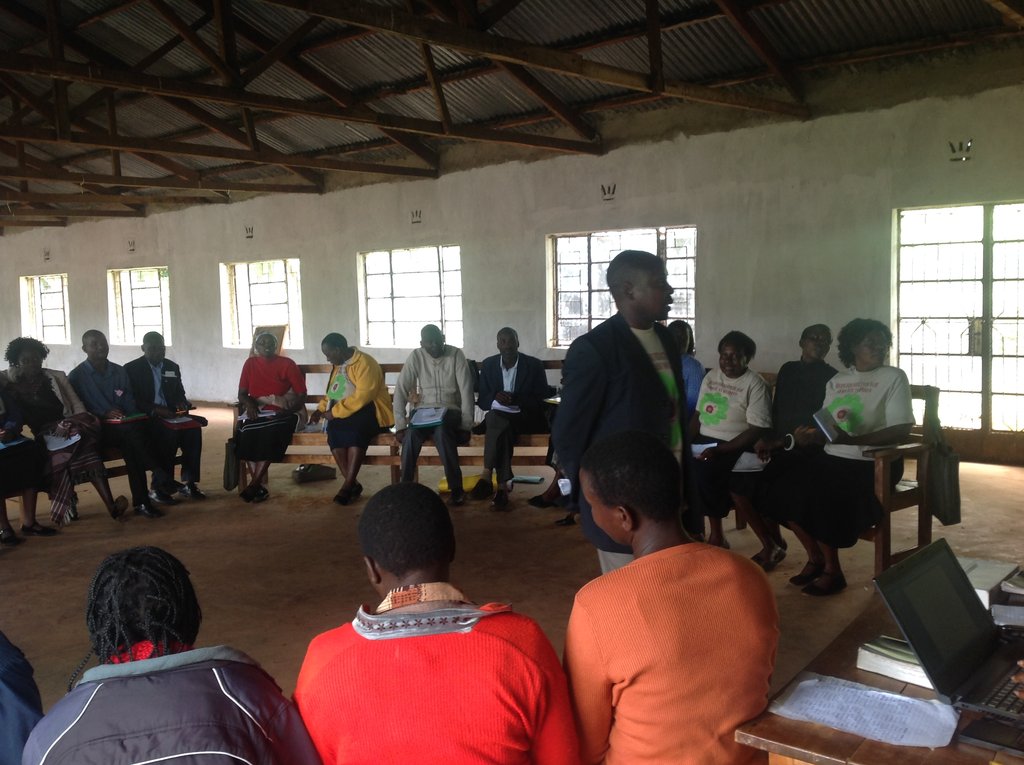
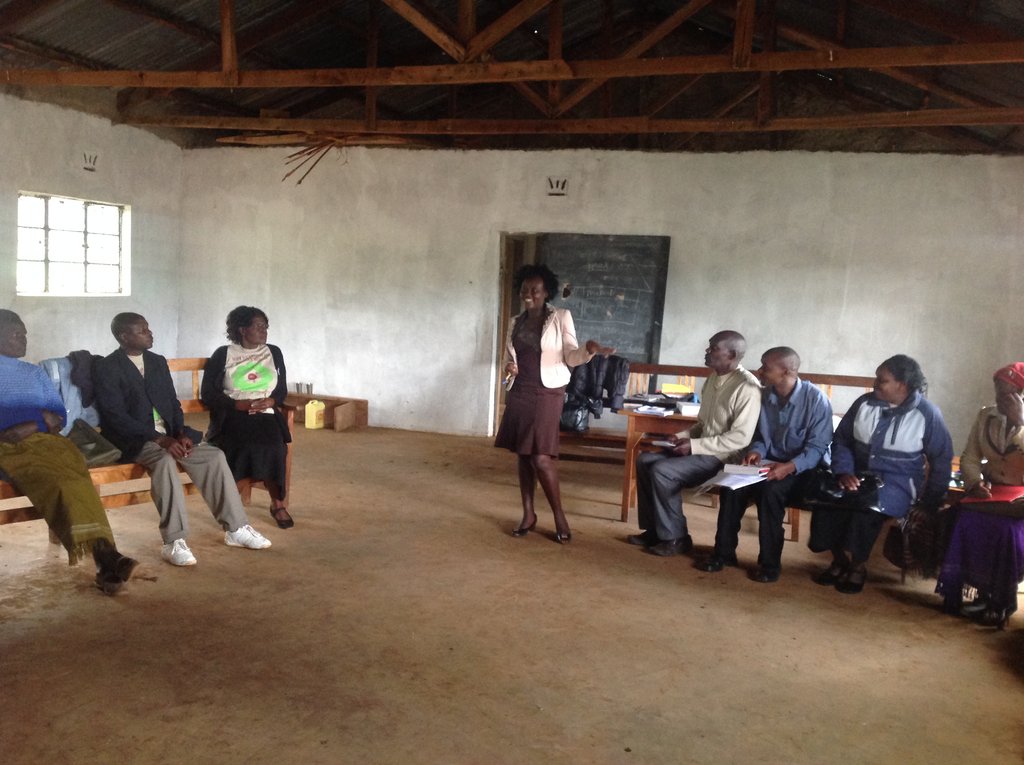
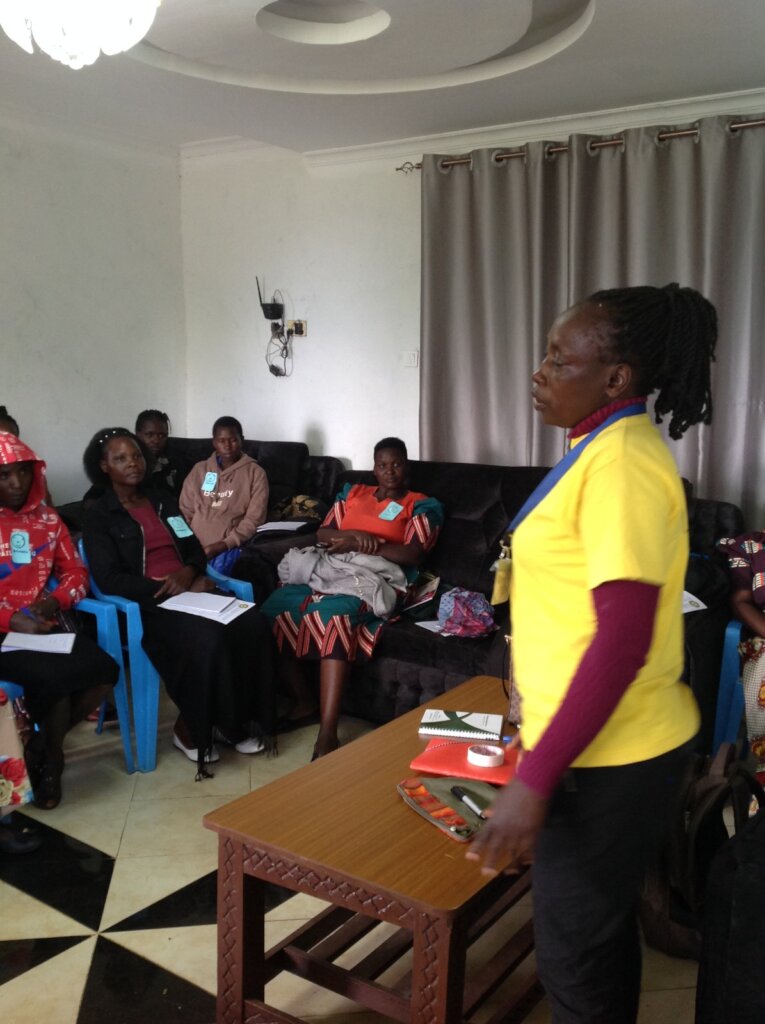
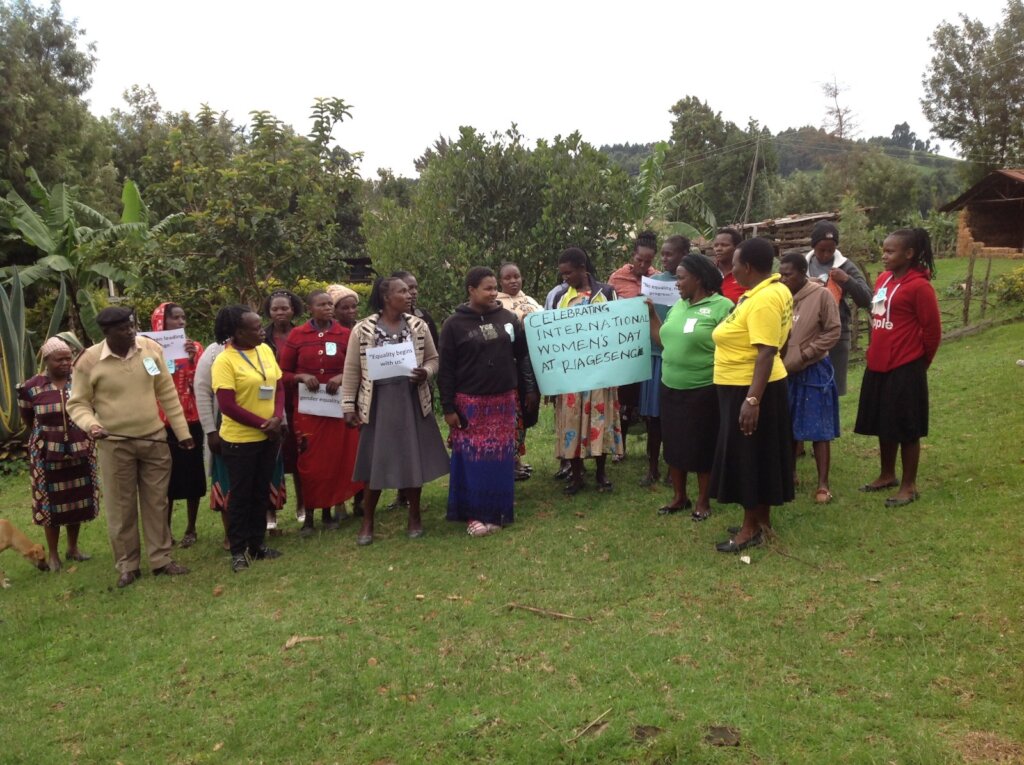
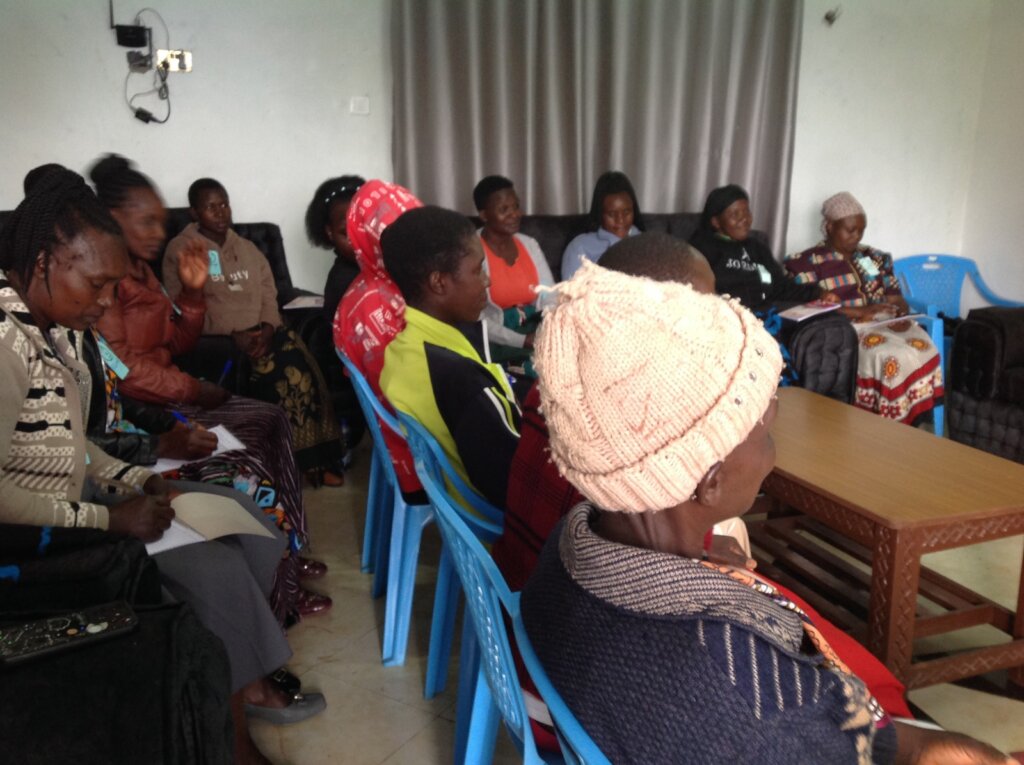
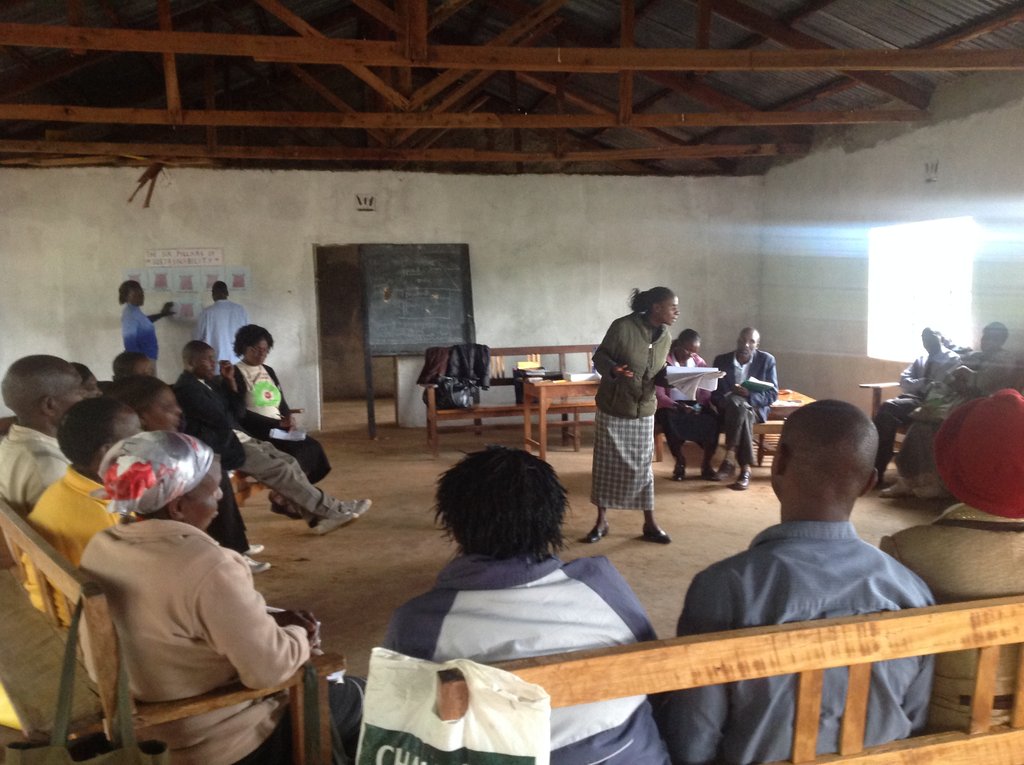
In commemoration of this day, a training session on Gender-Based Violence (GBV) was conducted for women survivors of Female Genital Mutilation (FGM). The objective of the training was to increase awareness, promote healing, and strengthen advocacy against harmful cultural practices. The session brought together 25 participants, mainly young women who have experienced FGM and other related forms of violence.
The training focused on helping women understand their rights and the different forms of GBV, including physical, sexual, emotional, and economic violence. Participants were also educated on the health, psychological, and social effects of FGM and GBV. During the session, one participant reflected, “I did not know that what I went through was a violation of my rights. I thought it was just part of our culture.” Another added, “FGM affected my confidence and how I see myself, but now I understand it is not my fault and I can speak out.”
In addition, the session highlighted the legal protections available to women and emphasized the importance of reporting cases of violence through appropriate legal and community channels. This encouraged openness, with one participant noting, “We fear reporting because of stigma, but now I know there are people and systems that can support us.”
Another key component of the training was the discussion of available community support systems and referral pathways for survivors. Psychosocial support and trauma healing sessions were included to help participants rebuild their self-esteem and emotional resilience. Participants expressed the impact of this support, with one sharing, “Talking about my experience has helped me feel lighter and less alone.”
Furthermore, economic empowerment was emphasized as a critical strategy for reducing vulnerability and enabling survivors to achieve independence and self-reliance. As one participant stated, “If I am financially stable, I can make my own decisions and not be forced into harmful practices.”
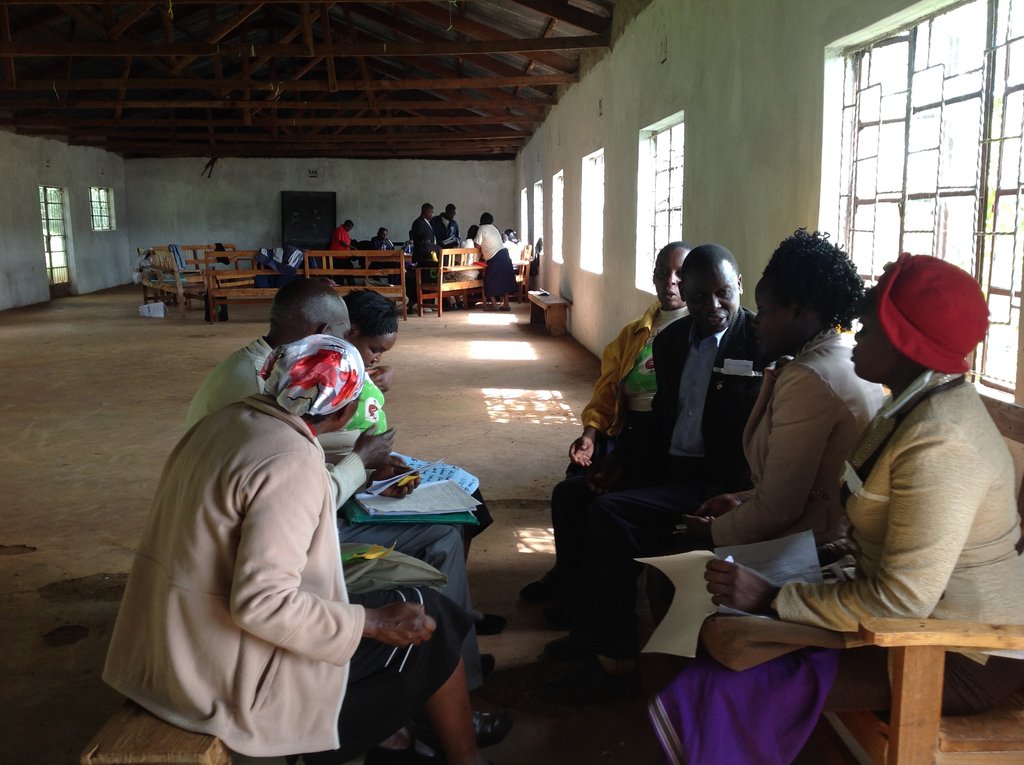
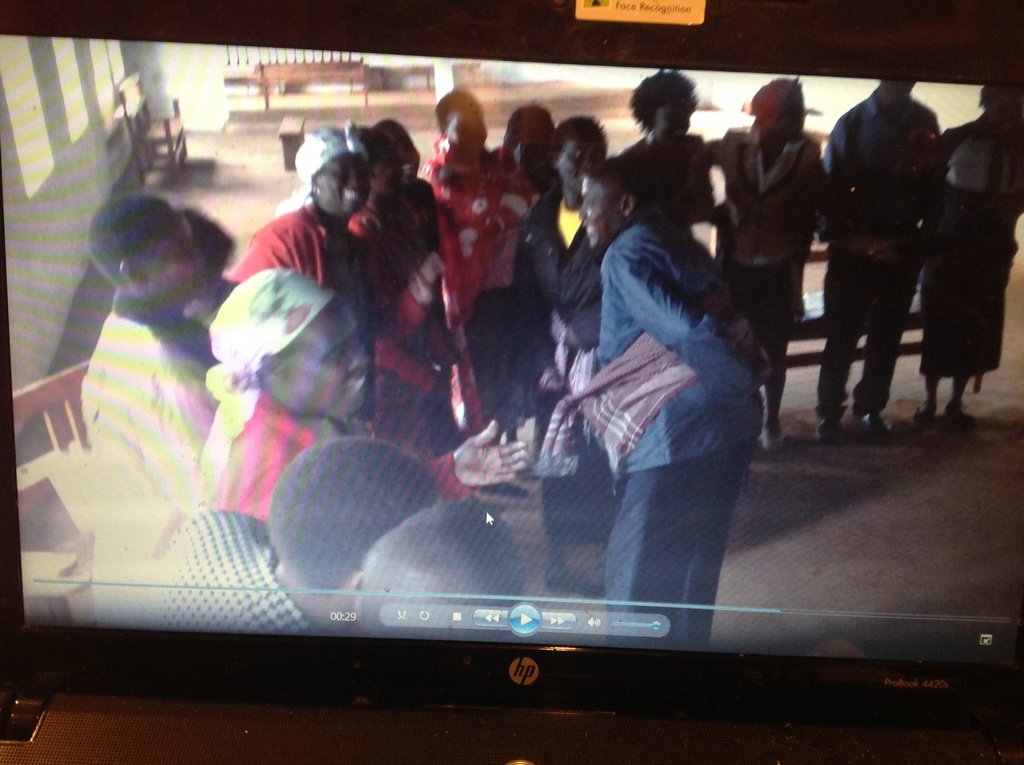
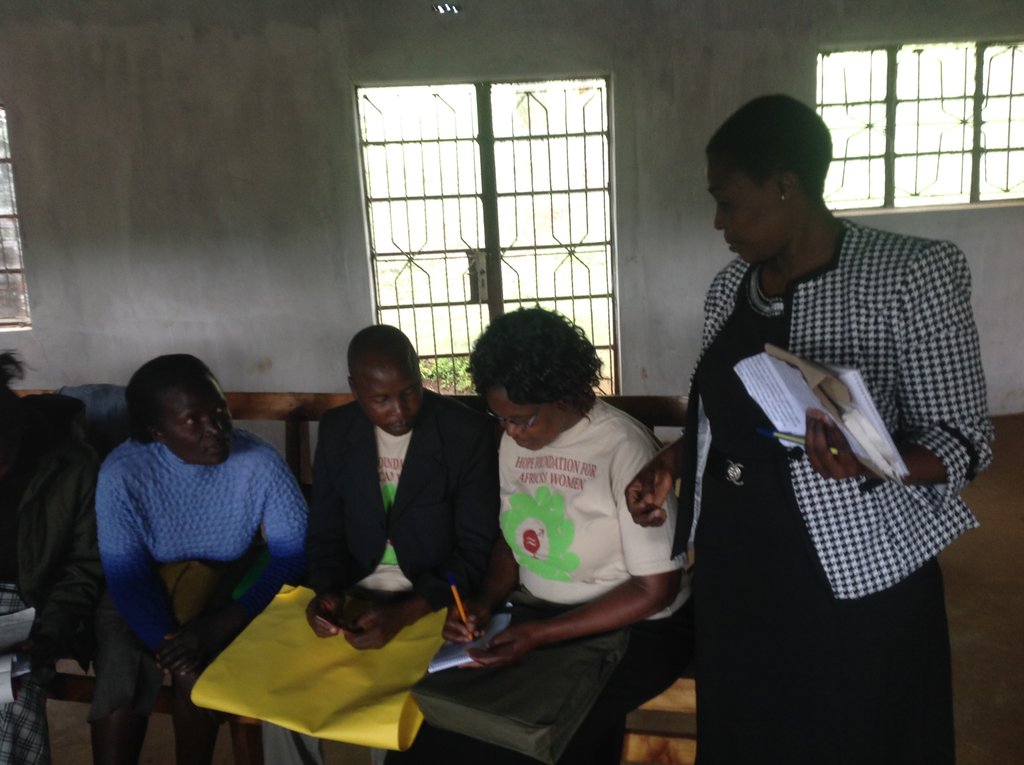
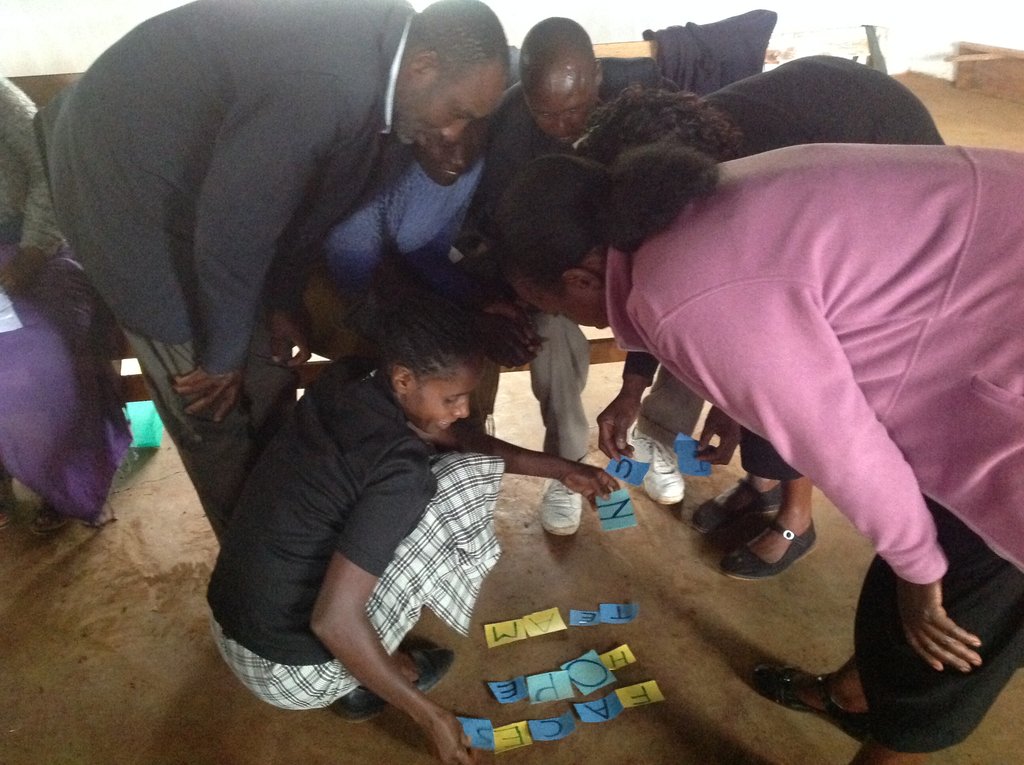
The training adopted participatory approaches, including group discussions, interactive learning, and experience sharing, creating a safe and supportive environment where survivors could openly express themselves and learn from each other.
As a result of the training, participants demonstrated improved knowledge of GBV, increased confidence, and a stronger commitment to advocate against FGM within their communities. Many expressed readiness to become agents of change, with one participant affirming, “I will speak to other girls and tell them they have a choice.”
The GBV training for survivors of FGM was both impactful and necessary. It provided a safe space for healing, awareness, and empowerment. However, continued community engagement, advocacy, and strengthened support systems remain essential in the fight to eliminate FGM and other forms of gender-based violence, ensuring that survivors live dignified, empowered, and violence-free lives.
Project reports on GlobalGiving are posted directly to globalgiving.org by Project Leaders as they are completed, generally every 3-4 months. To protect the integrity of these documents, GlobalGiving does not alter them; therefore you may find some language or formatting issues.
If you donate to this project or have donated to this project, you can receive an email when this project posts a report. You can also subscribe for reports without donating.



Support this important cause by creating a personalized fundraising page.
Start a Fundraiser