Project Report
| Sep 29, 2020
Foundations for Farming Summer 2020 Update
By Andrew Jackson | Operations Manager
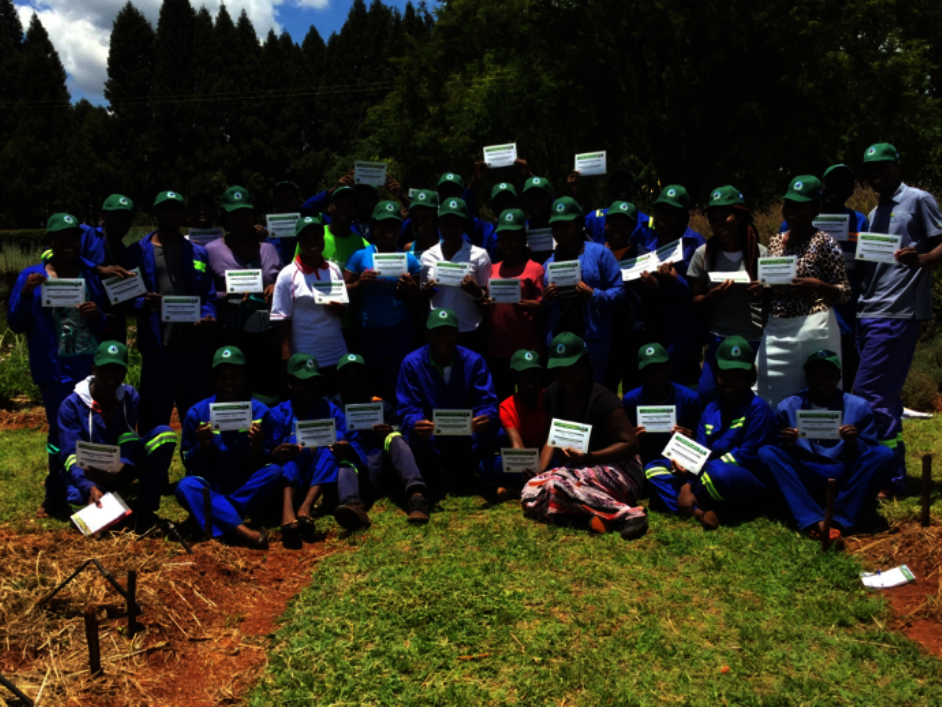
![The Team in Action]()
The Team in Action
A moment of reflection: It’s a difficult time to be operating in conservation farming but also it’s of increasing importance. We face climate change - and crop yields are once again in question all over as seasonal rains are insufficient for millions of subsistence farmers.
We’d like to take this moment to thank our online donor community for supporting our work as we help schools learn about conservation farming and sustainable agriculture methods. We believe that educating young people in how low cost, low resource and of course low tech ways to manage their land is one of the best ways to ensure that families are fed – helping to tackle the significant issue of malnutrition in Zimbabwe today.
We also believe that stewardship of the land is the key to ensuring that the time will never come where farmers are unable to get a good yield from their crops or that local ecosystems fail.
As covid-19 rocks the world we don’t know what the funding environment will look like as we look to continue our work and support vulnerable people and at need communities to provide for themselves. All we can do is take a moment to say – thank you for your support!
Links:
![Share on Twitter]()
![Share on Facebook]()
Jun 2, 2020
Foundations for Farming Spring 2020 Update
By Andrew Jackson | Operations Manager
![Demonstration plots - keeping mulching simple]()
Demonstration plots - keeping mulching simple
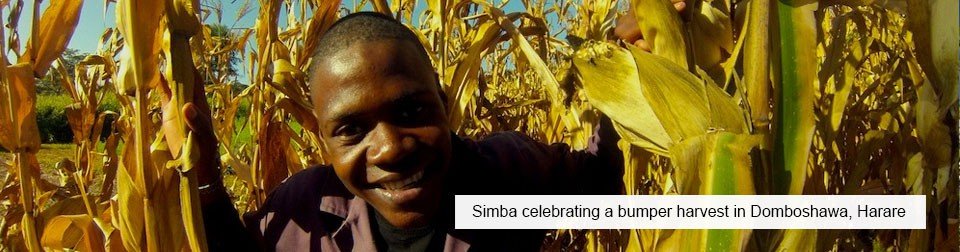
We’re immensely proud that the government of Zimbabwe has recognised the value of our Pfumvudza model for agricultural plot management and has asked us to see it rolled out to 1.6 MILLION houses. We’re to be training 6,000 extension officers who work in communities and soon we’re know that in addition to project work in schools, so many others will be getting the benefit of seeing one hectare of land yielding 450kg of maize through traditional framing methods going up to 800kg per one sixteenth of a hectare!
There’s a flip side to the coin, but with every disaster comes opportunity, or so they say. As Coronavirus put Zimbabwe into lockdown this left staff teams confined to their homes often unable to work due to lack of internet or IT equipment. However we’re proud to say that this did not stop us from getting some work of real value done. The Foundations for Farming method has taught people for years on the leading methods in climate smart agriculture, teaching stewardship of the land for a sustainable future in the face of climate change whilst simultaneously providing better crop yields to feed the people we work with. This lockdown gave us the opportunity to review how we are delivering our programme and we’re happy to say that work is underway to build on our delivery methodology and make it into something even stronger. We’ve been looking at how communities adopt the lessons we teach in schools. How to overcome reticence to adopt farming methods which are lot in line with what people were brought up to do. The answer of course has many routes but at their core it’s about involvement. With on-going funding support going to make it happen. In schools it’s about proving crop yields and inviting parents and communities to see it. We aim to involve communities in support the development of nutritional gardens and share in the lessons we teach schools. Building on the success of the Pfumvudza adoption we’re working to ensure that this invaluable knowledge is adopted as widely as possible. This is indeed an exciting time for our work.
Links:
![Share on Twitter]()
![Share on Facebook]()
Feb 4, 2020
Foundations for Farming Winter 2019 Update
By Andrew Jackson | Operations Manager
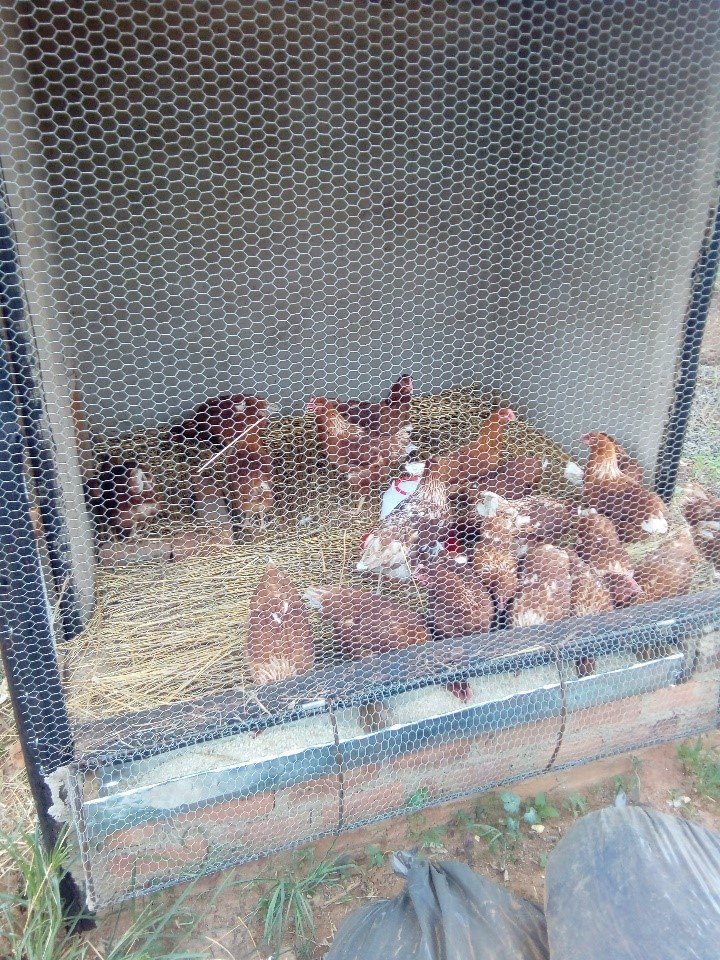
![New Chicken's for the School]()
New Chicken's for the School
Nest Literacy Project - Chicken Project for Sustainablity
On the 10th of January 2020, a Foundations for Farming team visited Nest Literacy Centre to deliver 20 laying chickens to support the school as part of this Income Generation Initiative. Previously, the FfF trainers had built a chicken house to accommodate the 20 birds and delivered the chicken feed and supplements.The students from the school benefit from the project as they will learn how to rear chickens and make money from the eggs they lay. Dry spells and and difficulty in planting a maize crop have made the school's chicken project all the more important.
There has been some change in staffing at the school and one of the teacher's we previously trained in Conservation Agriculture is now taking a lead. They will continue to share this knowledge with staff, students and the wider community.
The Nest Literacy Centre, with our fundraising support is planning to place a water borehole on-site which would revolutionise thier conservation agriculture activities and create a far more sustainable future for the hundreds of students who attend this impoverished facility.
Thank you.
Links:
![Share on Twitter]()
![Share on Facebook]()