By Nicola Keane | Communications Department
“Barefoot College International continues to reach new heights in empowering women, strengthening communities, and building sustainable futures. In Zanzibar the team continues to expand regenerative agriculture whilst launching educational apps and forming global partnerships, our recent work has been rich with purpose and progress.” (Head of Barefoot College Zanzibar)
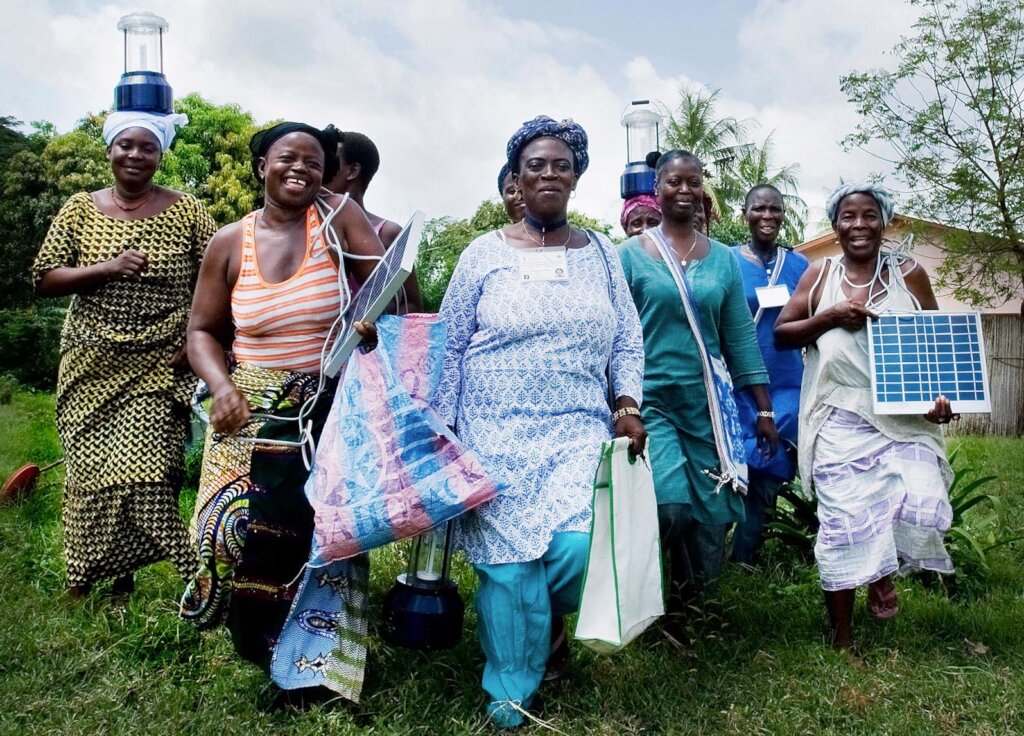
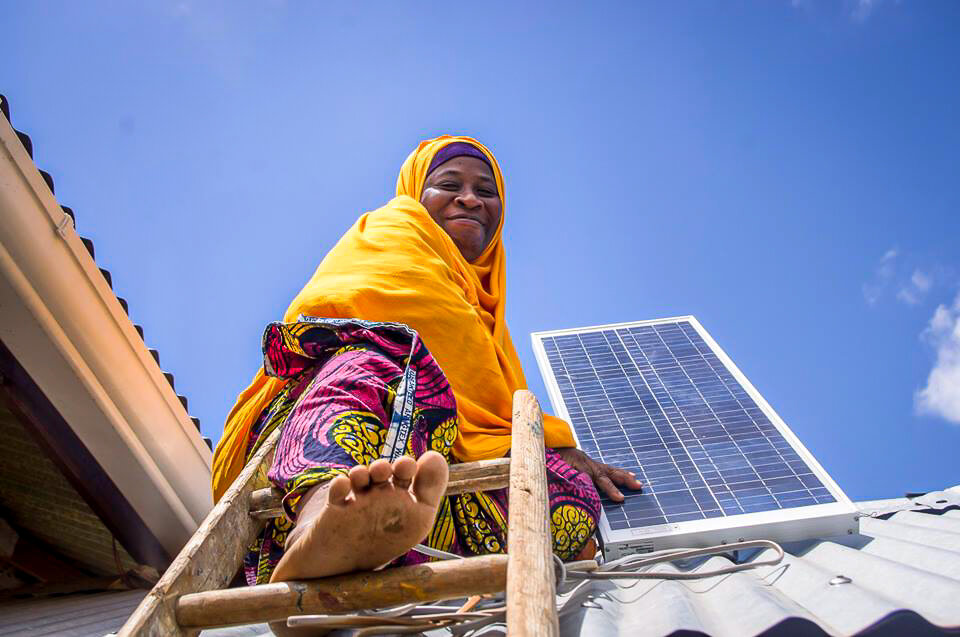
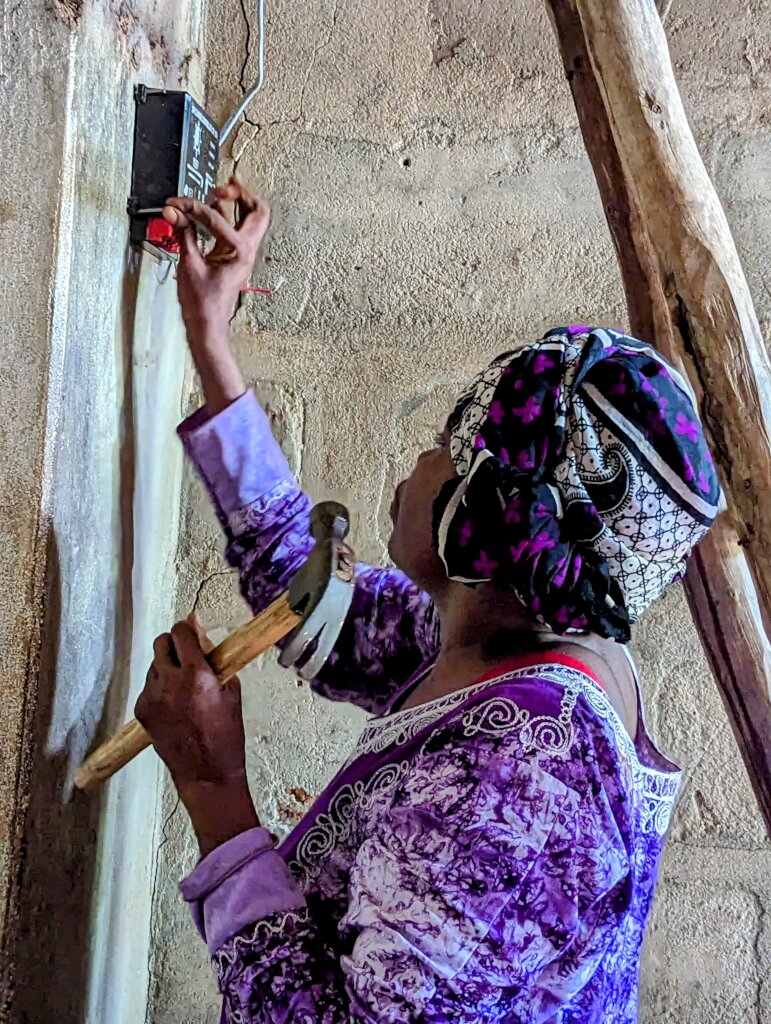
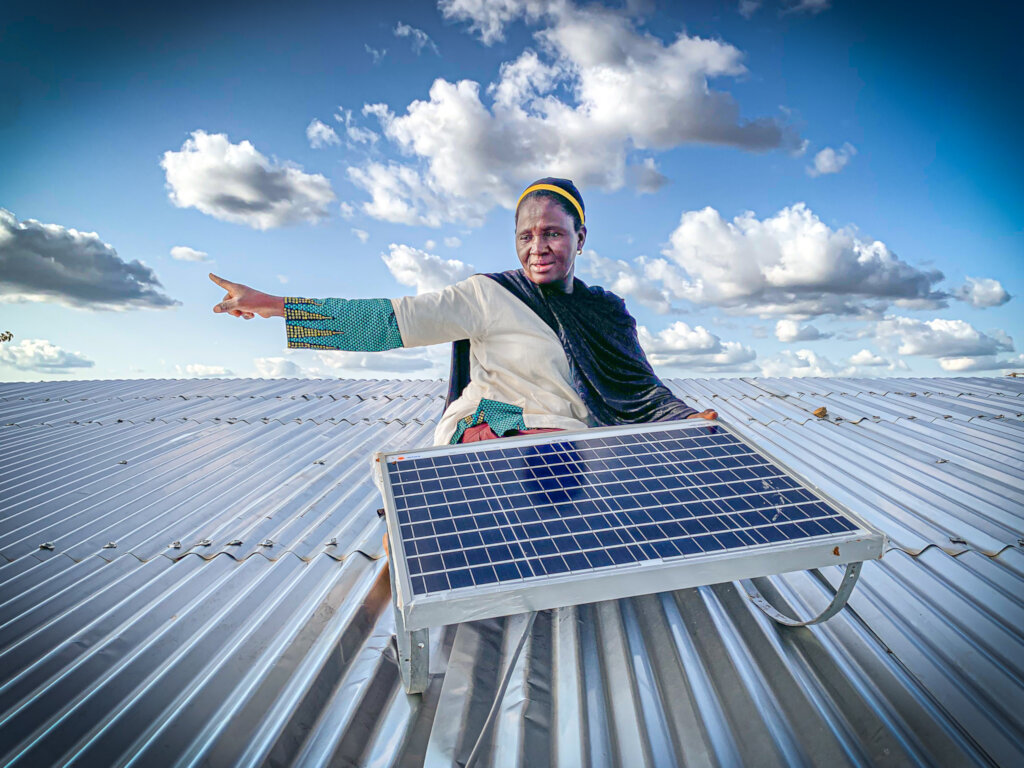
Our solar training projects continue to expand with a novel partnership with Solar Tribe, which is bringing cold storage solutions to Zanzibar. Our Solar Mama technicians will be effective operators of these new solutions using clean solar energy for social and economic betterment.
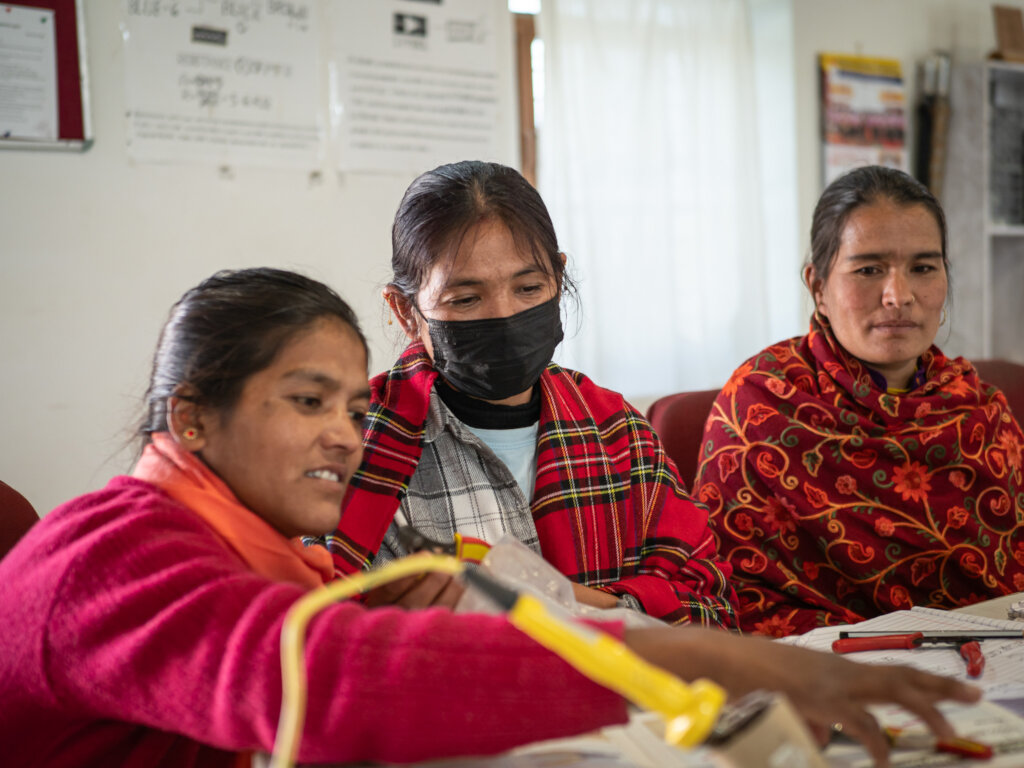
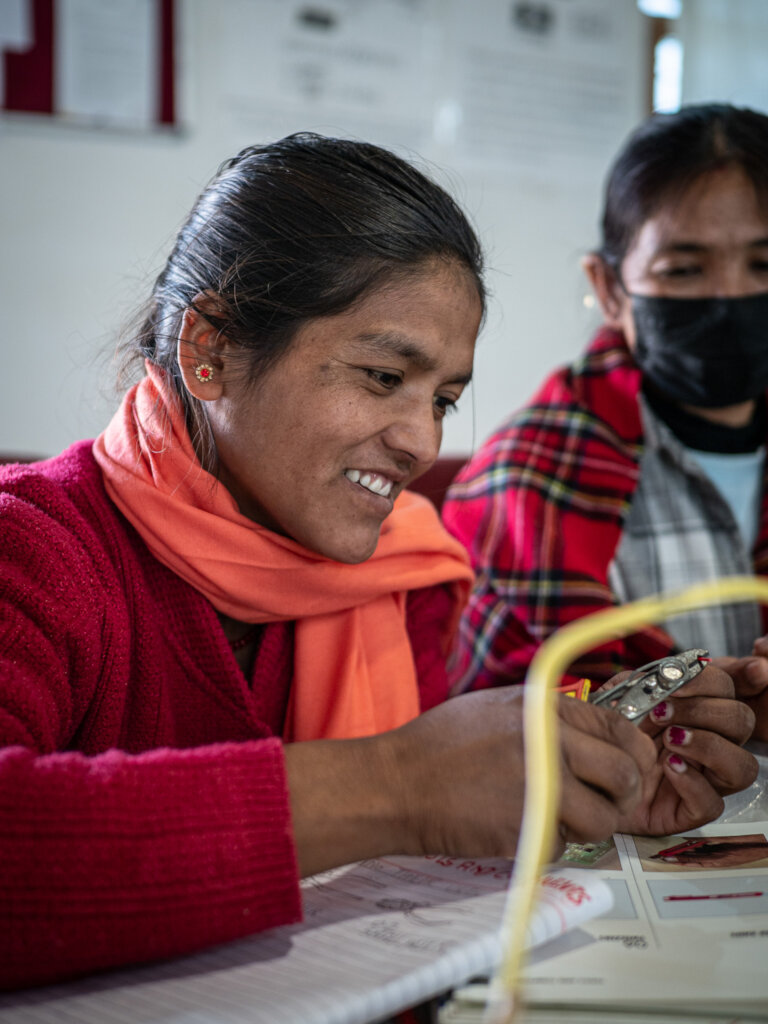
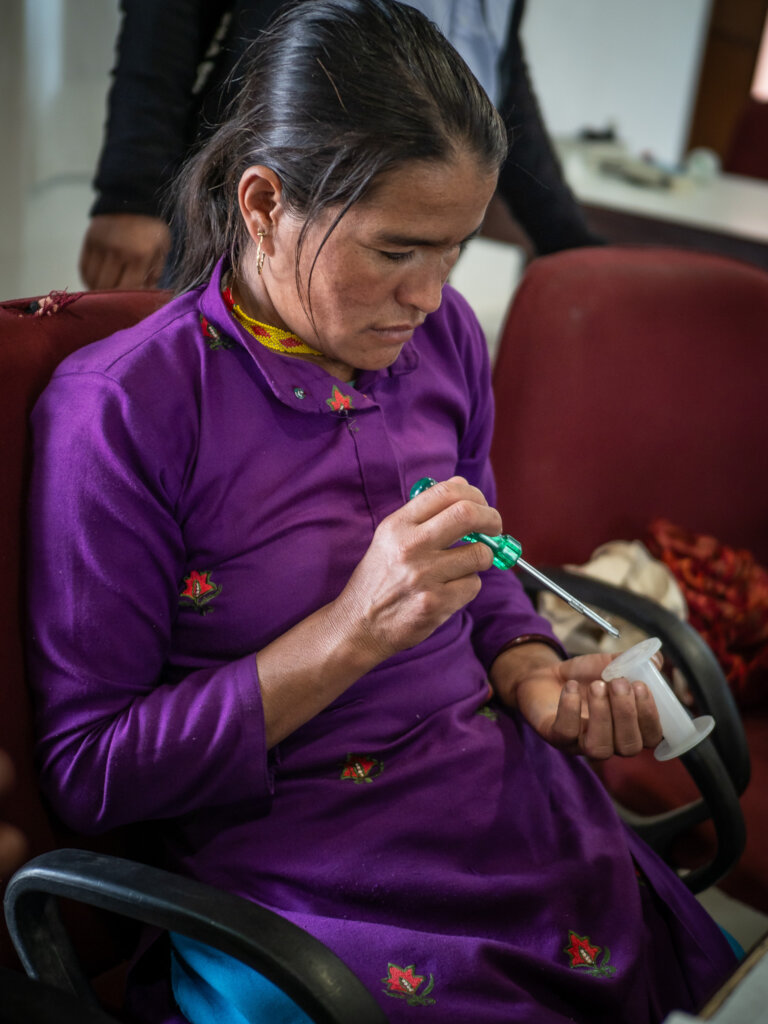
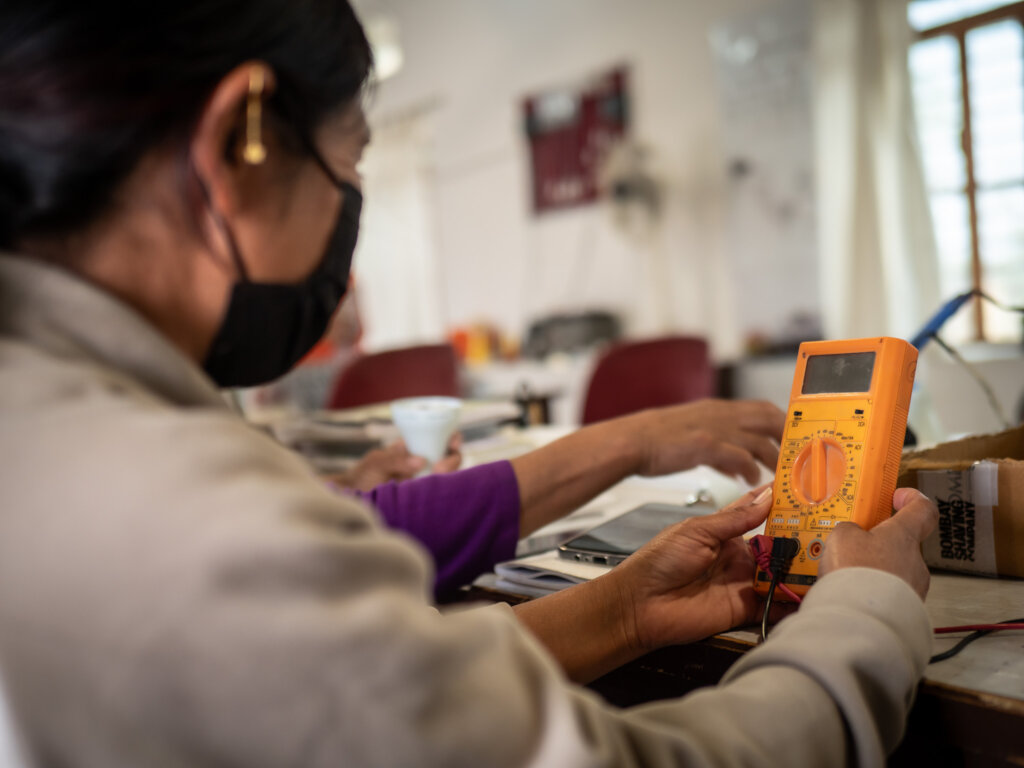
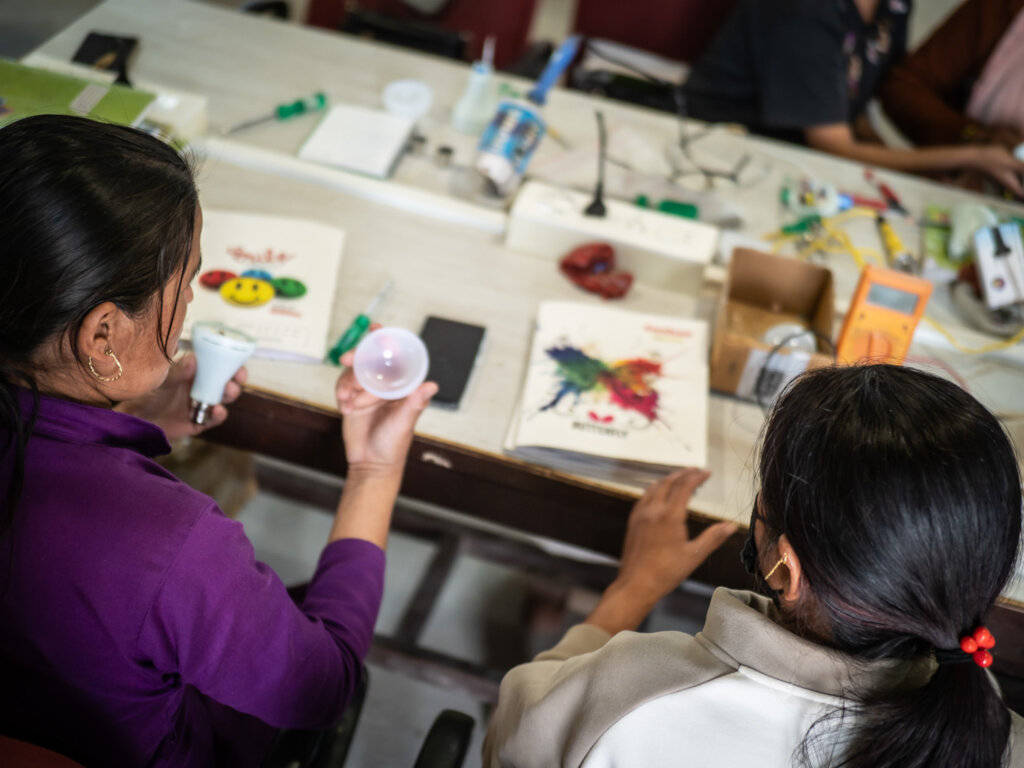
We have also introduced several new Apps to our training model, which are user friendly for our solar engineers - one helps our trainees to memorise resistor colour codes by a process of gamification and another offers practical support in assembling electronic equipment with ease and precision - both novel Apps speed up the learning process for our solar engineers and lead to successful outcomes in which they rightly take great pride.
BCI’s Regional Training Centre in Zanzibar continues to perform an ever more important function in the local and regional community.
In addition to our solar training work, expanding clean energy to villages in Zanzibar and its adjacent islands, we have an active community initiative to sew and distribute reusable sanitary pads and also offer health education to a growing group of girls and young women, supporting them to stay in school with dignity on every school day. Nearly 300 girls have benefited from this service.
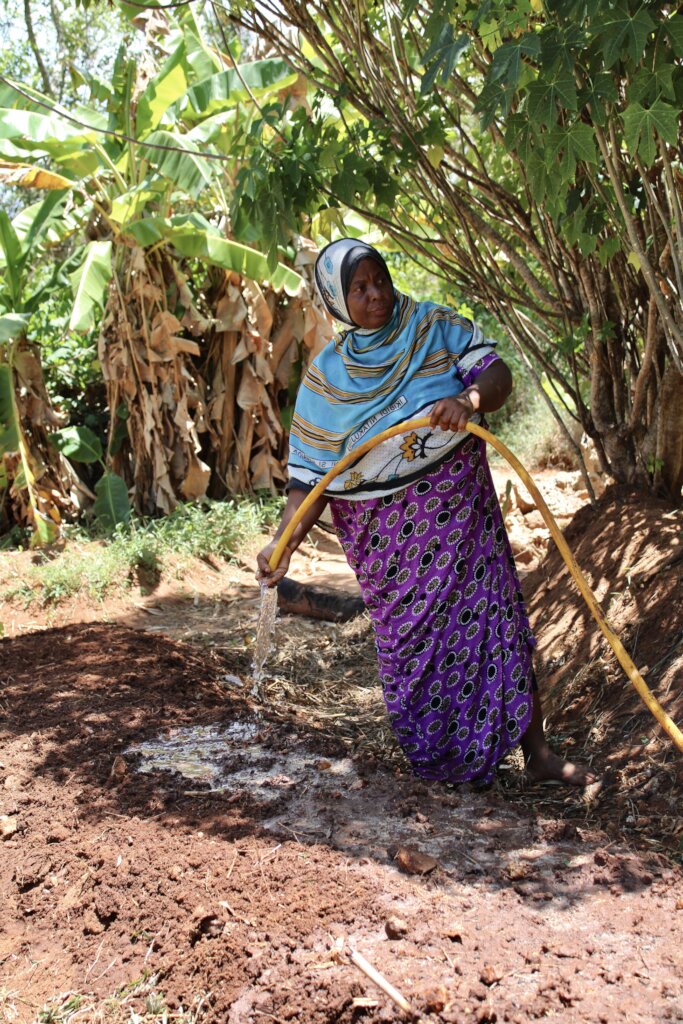
Our vision of community as holistic and positive is reflected in the enthusiasm for this sanitary napkin project, as well as our other projects bringing regenerative agriculture and livelihood opportunities to those communities we serve. We continue to welcome visitors to explore the honey farm that produces Barefoot Honey, which is now being featured in many of Zanzibar’s top tourist hotels!
From Solar Energy to Food Security to Education we are demonstrating the power of change, one step at time, with clean, renewable, solar power at the core of our success.
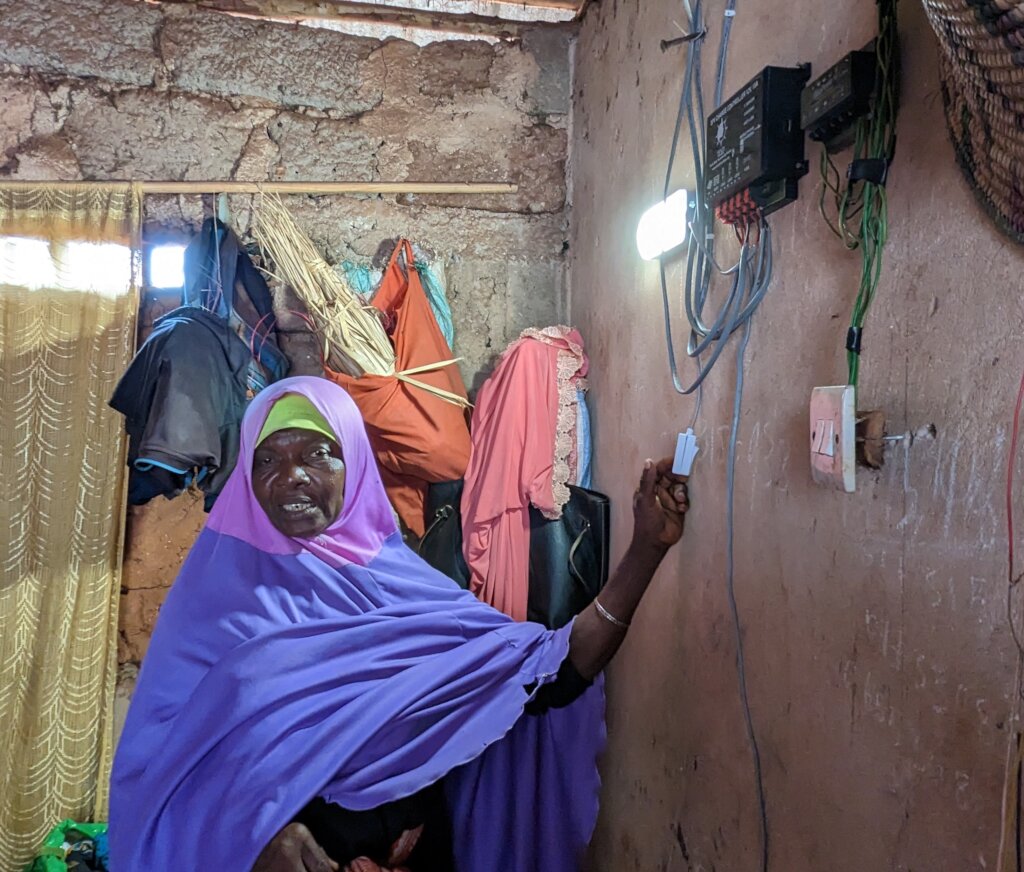
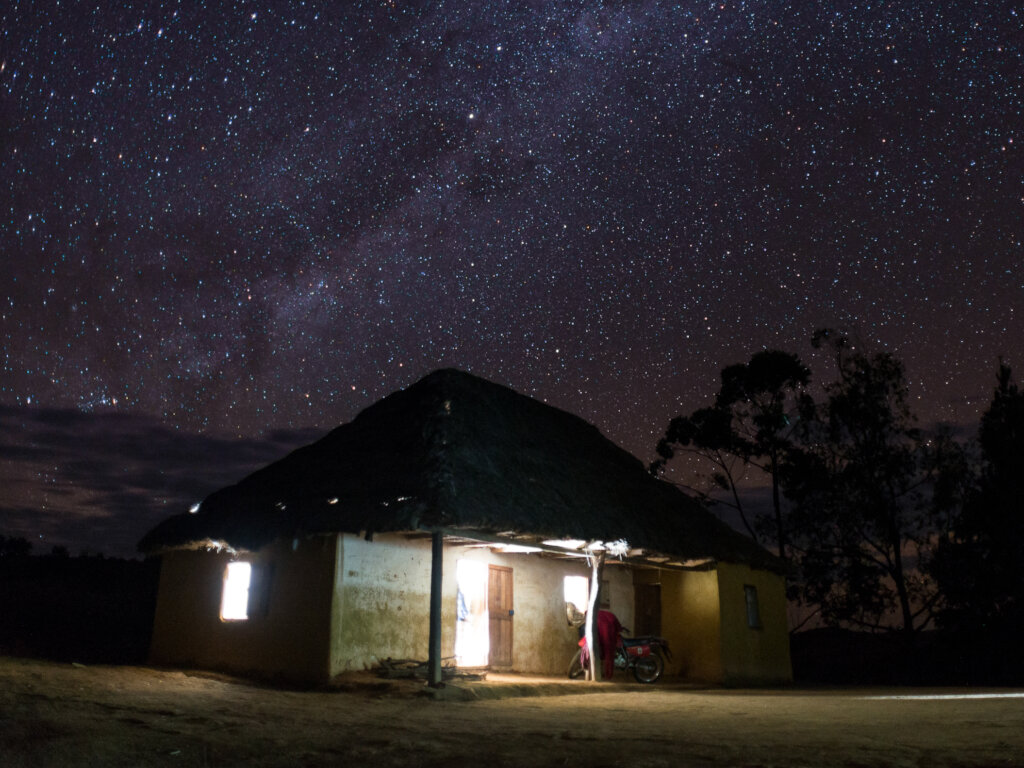
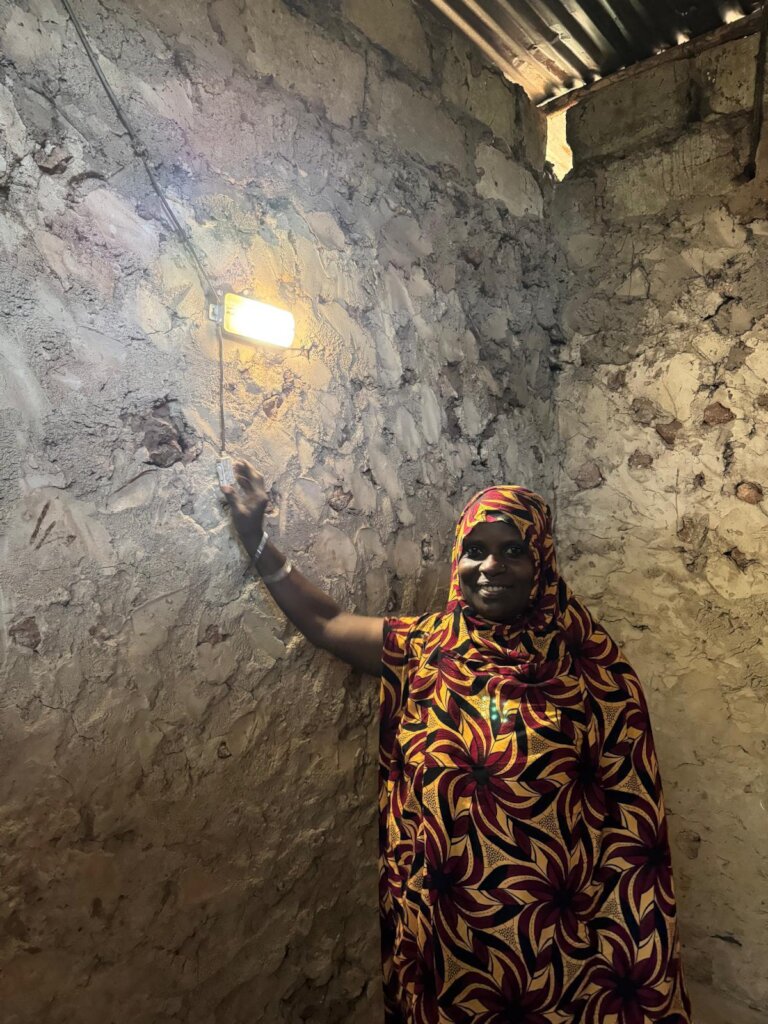
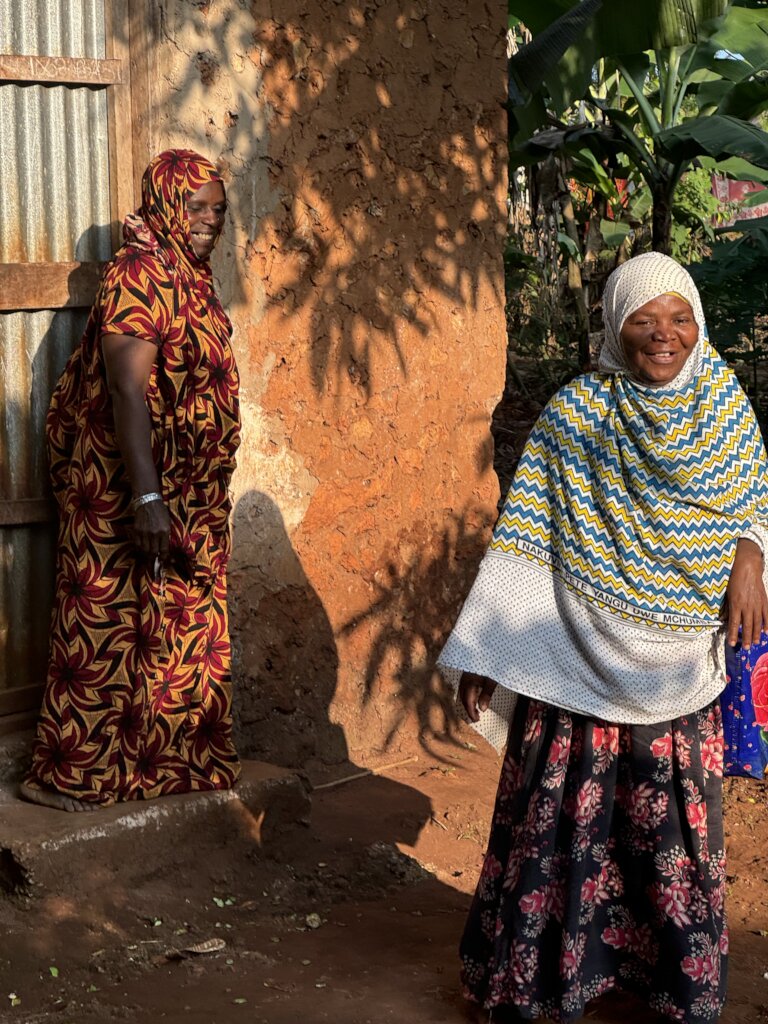
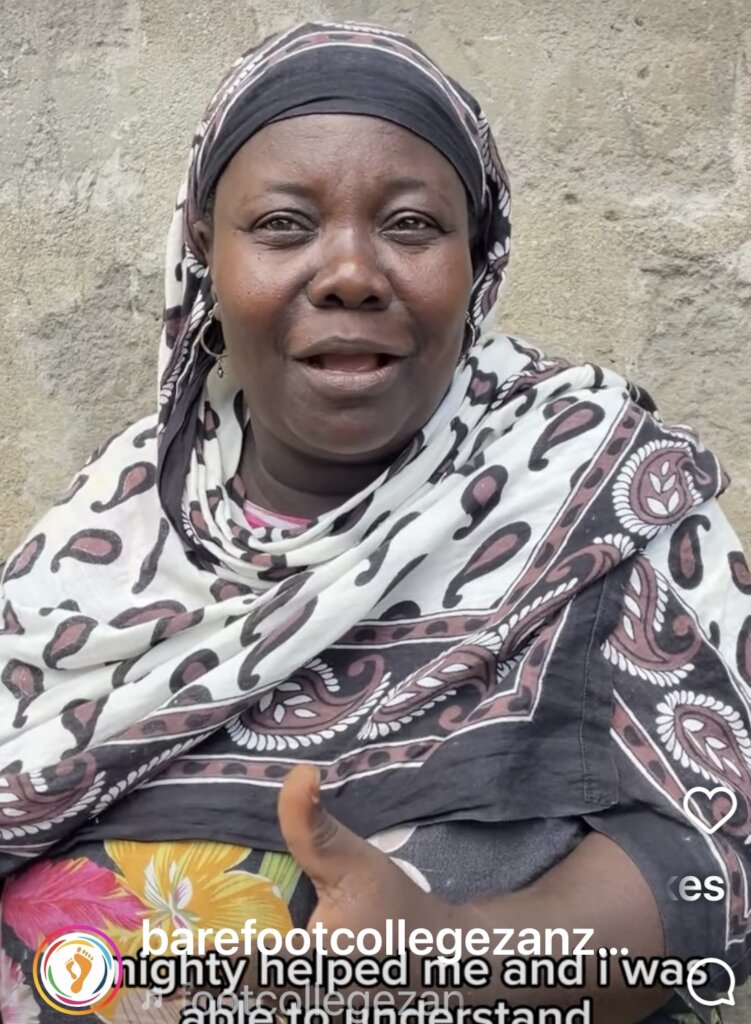
’The day my home was electrified with solar panels, I threw away every kerosene lamp, along with the darkness, the fumes, and the fear’ says a beneficiary of our solar home lighting system in Ukongoroni Village.
By Nicola Keane | Administrative Manager
By Cassie Piccolo | Global Head of Communications
Project reports on GlobalGiving are posted directly to globalgiving.org by Project Leaders as they are completed, generally every 3-4 months. To protect the integrity of these documents, GlobalGiving does not alter them; therefore you may find some language or formatting issues.
If you donate to this project or have donated to this project, you can receive an email when this project posts a report. You can also subscribe for reports without donating.



Support this important cause by creating a personalized fundraising page.
Start a Fundraiser