By Robin Van Loon | Executive Director
Let's follow the carbon.
Plants catch CO2 from the air during photosynthesis. Part of the absorbed carbon remains stored in the plant's "body" while it's alive, and normally most of that carbon is re-released when the dead plant decomposes – whether in a matter of days as some leaves, or in a matter of centuries as some slow-to-rot hardwoods. Overall the natural carbon cycle maintains more or less a balance, but we are now far from the natural carbon cycle and might therefore ask the astute question: is there a way to stop the dead plants from re-releasing their carbon? Such a mechanism would become a sort of carbon negative pump.
One way to do just this is to turn the plants' bodies in question – biomass, in the jargon – into charcoal through the slow burn known as pyrolisis (not to be confused with combustion). That's right, charcoal is a stable form of plant carbon, holding it in for hundreds or thousands of years. This excellent carbon sink device also has another key benefit – charcoal is great for agricultural soil, especially in the tropics where most of the world's poor live and where soil fertility is often compromised by a lack of organic matter.
So this is what all the hype is about when people talk about biochar. But not all charcoal is created equal. Much charcoal production is dirty, in terms of gases harmful both to the atmosphere and to human health – many of those volatiles are potent carcinogens and are implicated in a wide range of respiratory illnesses. So how charcoal is produced is important.
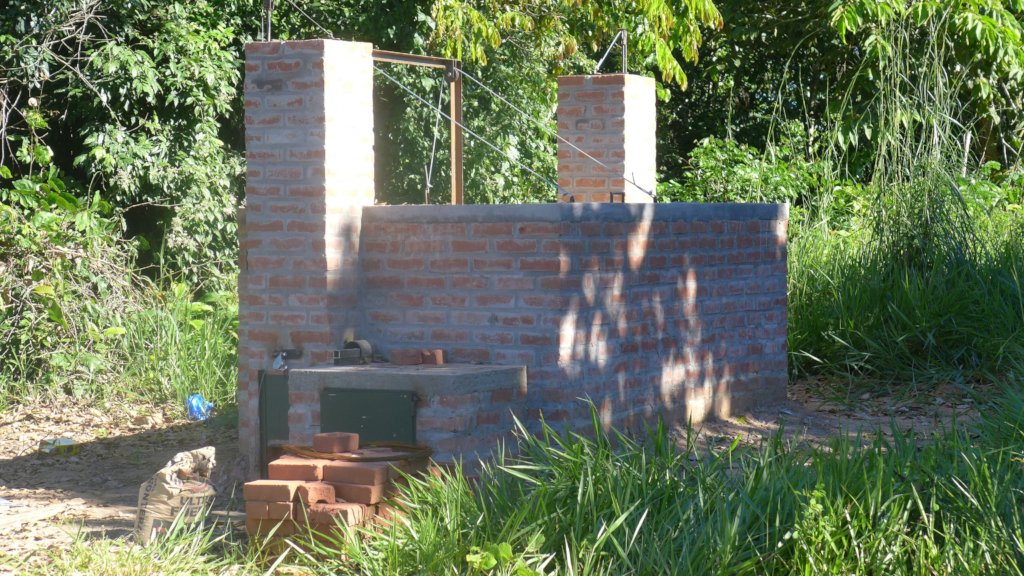
In our case here in Madre de Dios, we opted for a charcoal production oven called an Adam Retort, a simple design licensed to us by the designer Chris Adam (based in Ethiopia). What we like about this model is that it was easy and inexpensive to build with locally available mateirals, and it dramatically reduces emissions from the charcoal production process by redirecting wood gases (and all those harmful volatiles) back into the combustion chamber, a self-propelling process that earns the oven the name retort.
Thanks to some simple new cages on the way, we're now going to be able to use a much wider range of biomass materials in our retort – not just cord wood anymore. Now we'll be able to use locally common free waste materials like sawdust, rice hulls, and brazil nut shells to make our biochar. And we'll be able to use branches pruned from fast-growing plants we're growing for this purpose. Trees and shrubs that can be coppiced (or cut back to a stump of height varying by species) such as bamboo and many trees in the legume family for all intents and purposes become the carbon pump I mentioned earlier.
The last piece of infrastructure needed – a roof under which to dry out our biomass thoroughly before feeding it into the oven to have its carbon fossilized – is also on its way in coming months thanks to the generous support of our donors.
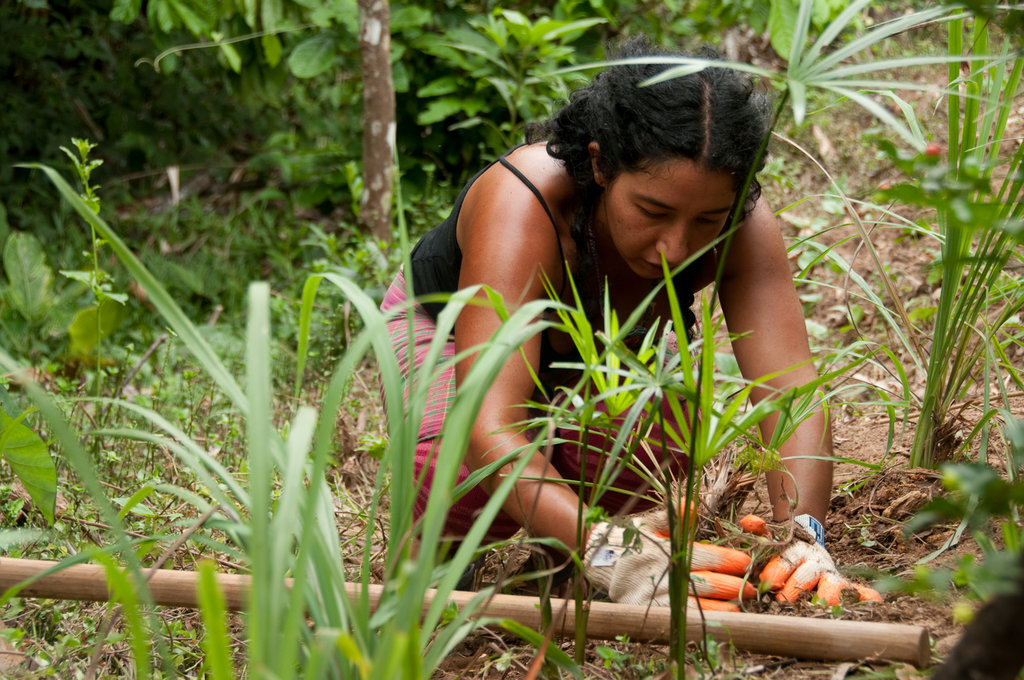
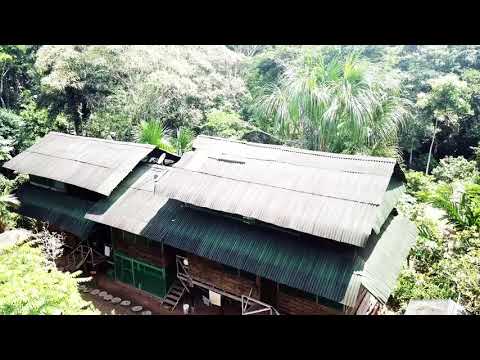
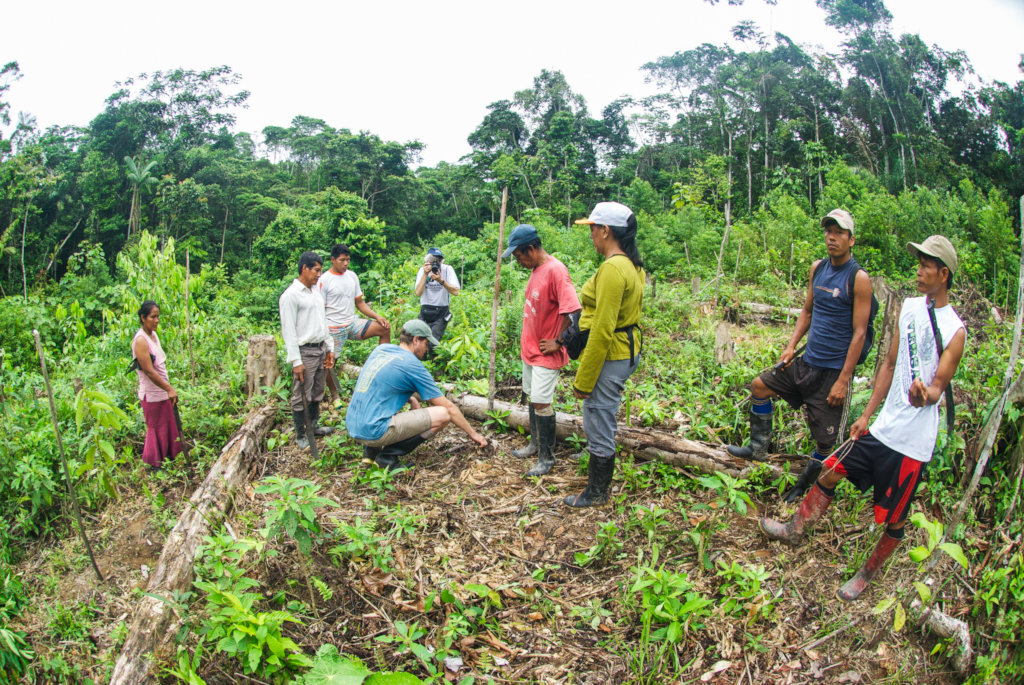
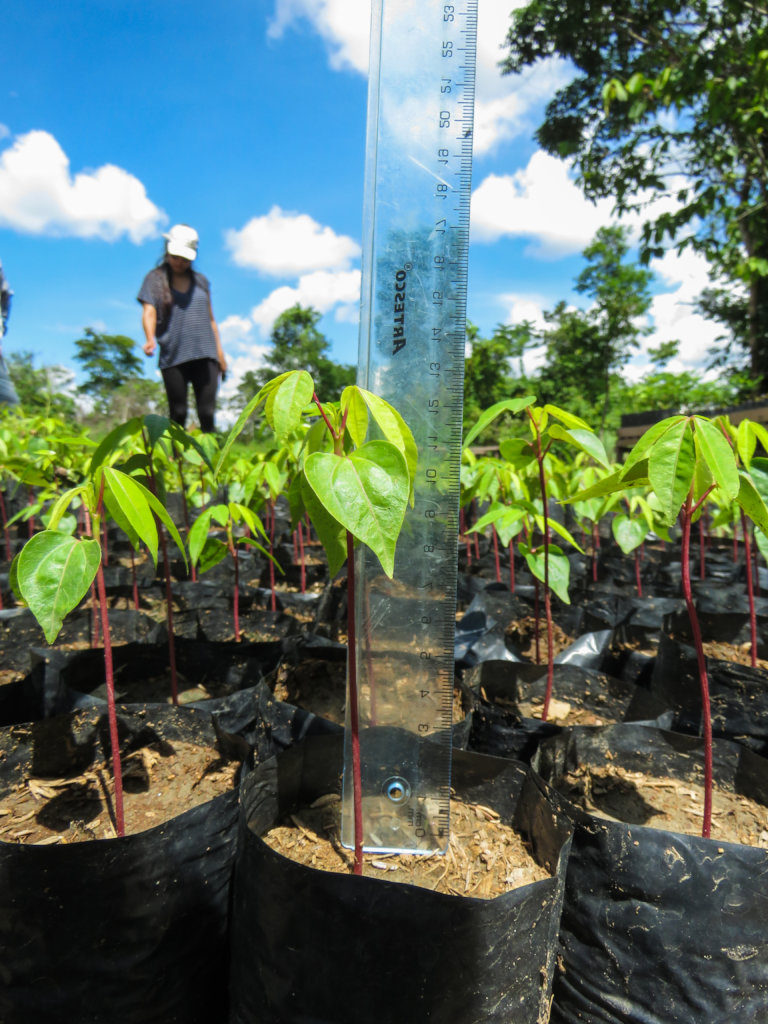
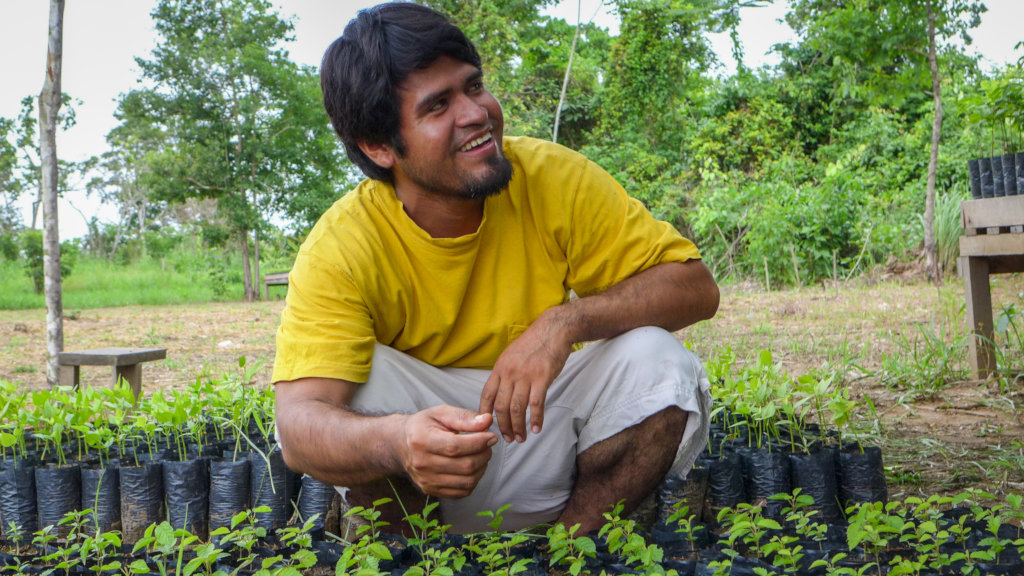
But let's get back to following the carbon. Where is this sink actually sunk? In our case the charcoal produced ends up on site at the Camino Verde La Joya Forestry Nursery and reforestation site. The biochar is also carried in the planting pots of the 50,000 tree seedlings that our nursery will send out to various reforestation efforts in the Peruvian Amazon this year. The sunk carbon also goes into every hole dug for every single one of the new trees planted each year at the Nursery site, which was formerly a deforested cattle pasture, burnt every year for two decades. Together we're bringing back Amazonian soils while pulling carbon from the atmosphere.
Simple and straightforward, a powerful solution that's implementable at scale, biochar is one answer. Today is a good day to trap some carbon for good.
Project reports on GlobalGiving are posted directly to globalgiving.org by Project Leaders as they are completed, generally every 3-4 months. To protect the integrity of these documents, GlobalGiving does not alter them; therefore you may find some language or formatting issues.
If you donate to this project or have donated to this project, you can receive an email when this project posts a report. You can also subscribe for reports without donating.