By Robin Van Loon | Executive Director
The trees of Acholiland
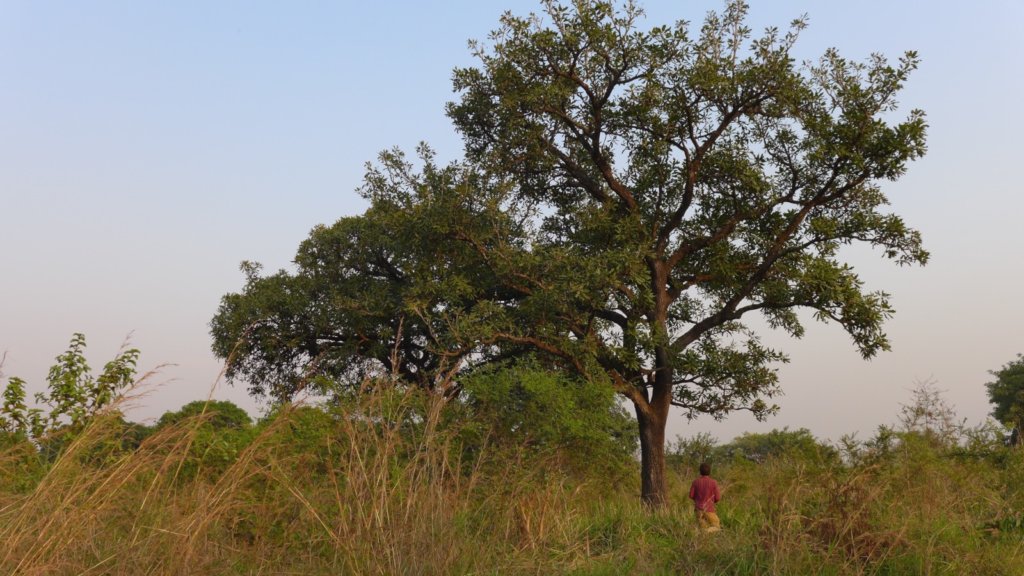
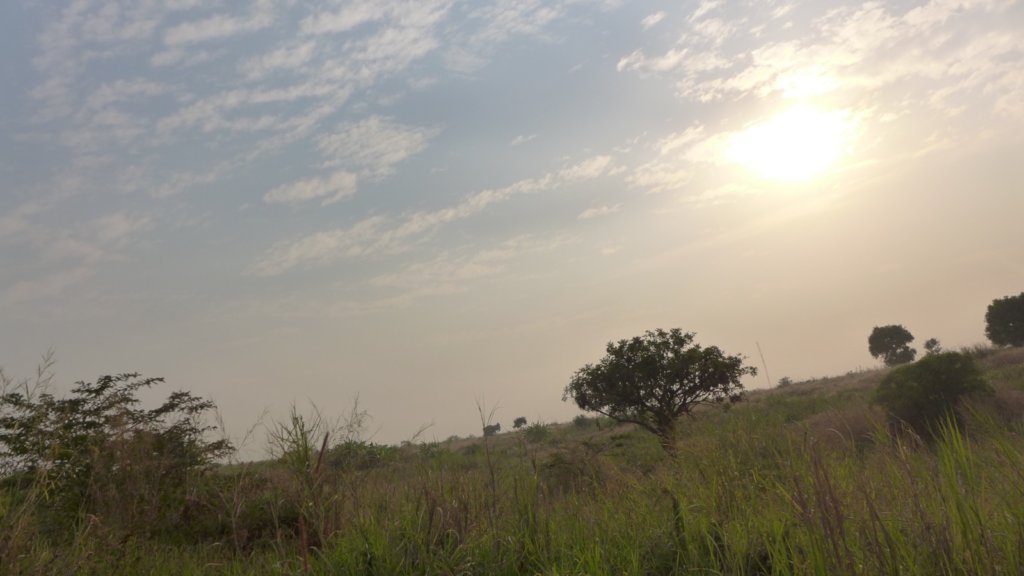
A quick glance at Northern Uganda and you might think that it’s another Serengeti. It is a home to rolling savannah, to vast horizons seen blurred through the dust-heavy air. Sunrises and sunsets are red giants rippling mirage-like, and indeed in the region’s protected areas and natural parks the iconic big game of sub-Saharan Africa does roam.
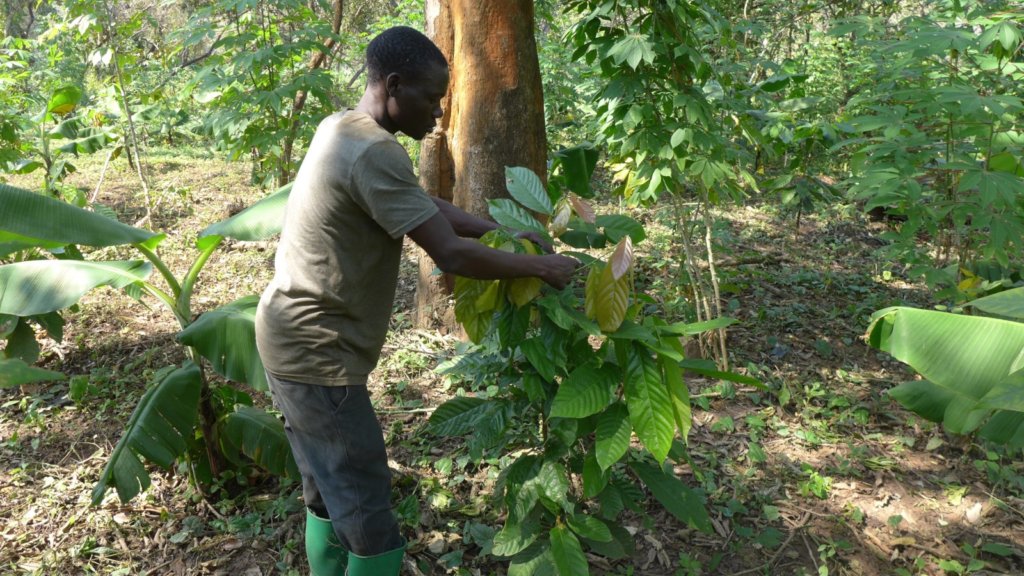
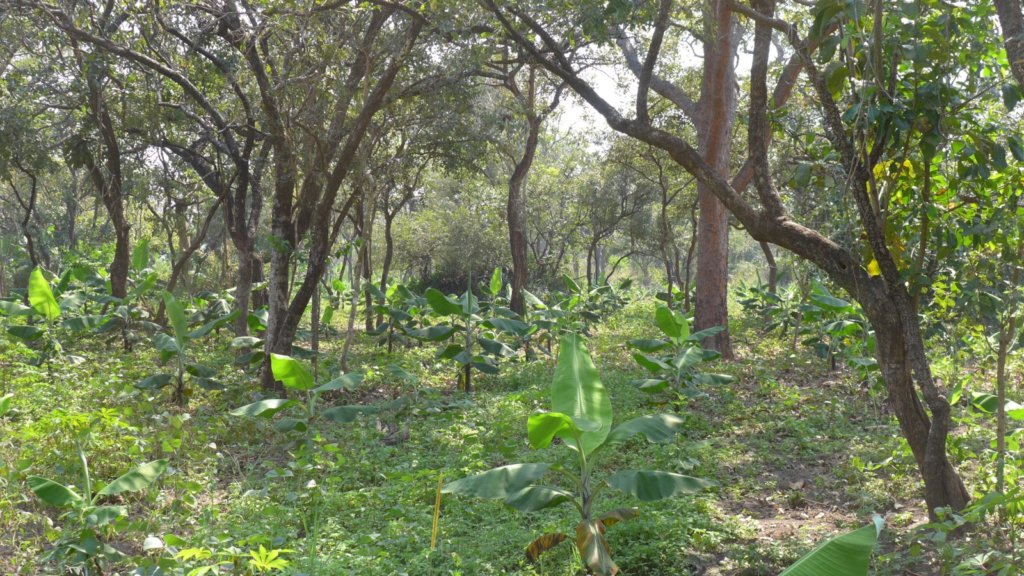
But the image is a recent and artificial one. Yes, giraffes and elephants wander these plains. But until very recently savannah was just one ecotype in a varied mosaic landscape whose microclimatic idiosyncrasies bore out many full-fleshed experiments in forest. Trees were not the exception but the norm. Only in the past 50 years has forest cover been lost to an extent that allows for the Serengeti analogy to seem plausible.
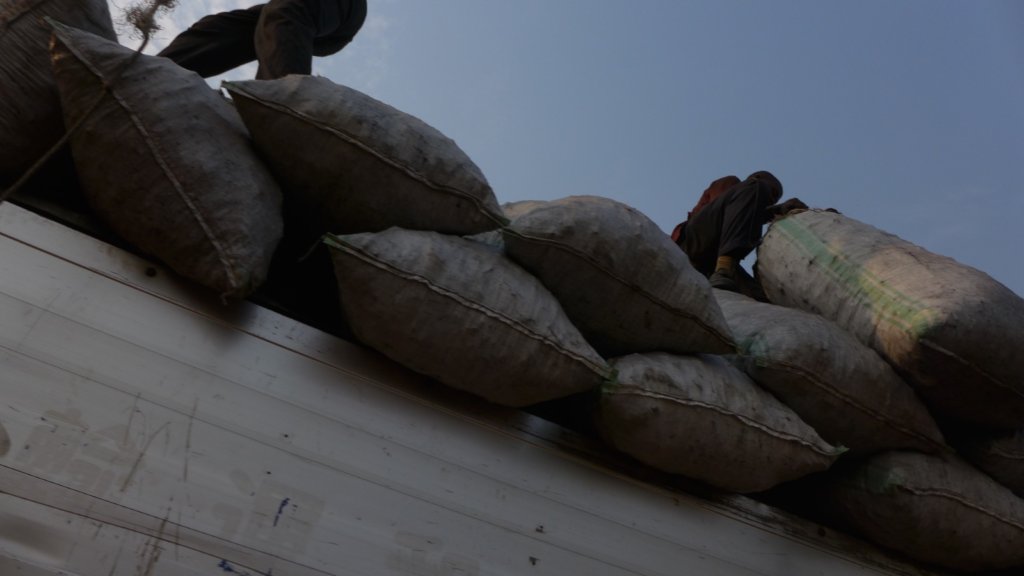
A product of the chaos of armed conflict and the tumultuous collision of capitalism and corruption, Northern Uganda’s deforestation history has been stunningly rapid and continues today. On any given week, dozens, even hundreds of trucks speed down the recently improved Gulu-Kampala highway, the North’s central artery, filled to overflowing with sacks and sacks of pyrolized trees’ bodies— in other words, charcoal.
Traveling along this road recently, for over two hours the smell and even the taste of charcoal production scratched in my throat uninterruptedly. It’s a known public health hazard to live near production of this “dirty” fuel, and respiratory infections are Uganda’s second leading cause of morbidity (i.e., preventable death by treatable illness). Citing the UN Sustainable Development Goal number 7, to “ensure access to affordable, reliable, sustainable and modern energy for all,” many Ugandans have realized that charcoal is far from an ideal fuel source. So why torch the trees? For many of Uganda’s 30 million citizens, charcoal is one of the few available options for greater participation in the cash economy.
Universal challenges, universal applications
As more of the world is touched by global development (include accusatory quotation marks around the word development if you like), more and more people are choosing to monetize their forests through means that are directly antagonistic to ecological health. Destruction of countless hardwood trees for charcoal production is just one example, but indeed an example that carries unexpected connotations.
As you know from reading previous reports here, bio-char, or charcoal used as a soil amendment, is gradually spreading throughout the tropics as benefit to farmers’ soils and important carbon sink — the charred wood in charcoal maintains its carbon in a remarkably stable state, as long as 2000 years maintained in the soil. The traditional “dirty” incentive for charcoal production is but one of many. Perhaps there are ways in which production of cooking charcoal can be tied to more environmentally wholesome bio-char production. What we know for sure is that there are better, cleaner ways to make charcoal. As much as we’d love to see more of that charcoal turned into the soil, perhaps it’s permissible to imagine some charcoal production for cooking fuel, but produced efficiently and cleanly.
Bill Mollison reminds us that “the problem is the solution.” While cooking charcoal production should properly be seen as ecologically reprehensible in most places where it’s done, there’s no reason not to dedicate effective, clean production practices toward “the enemy” — charcoal for cooking.
Thanks for your support of our bio-char advocacy and development work! Greetings from Peru and Uganda,
Project reports on GlobalGiving are posted directly to globalgiving.org by Project Leaders as they are completed, generally every 3-4 months. To protect the integrity of these documents, GlobalGiving does not alter them; therefore you may find some language or formatting issues.
If you donate to this project or have donated to this project, you can receive an email when this project posts a report. You can also subscribe for reports without donating.