By Y Umar | PM
Report on the Orphans and Internally Displaced Persons (IDPs) Feeding Program in Zamfara State by the Humanity and Community Development Foundation (HUCOMDEF)
Introduction
The Humanity and Community Development Foundation (HUCOMDEF) initiated the Orphans and Internally Displaced Persons (IDPs) Feeding Program in Zamfara State to address the severe food insecurity experienced by vulnerable populations. The state, which has been plagued by ongoing conflict and insecurity, has seen a rise in the number of orphans and IDPs who struggle to meet their basic nutritional needs. This program was designed as an emergency response to alleviate hunger and improve the well-being of these affected groups, aligning with HUCOMDEF’s broader mission of community development and humanitarian assistance.
Program Objectives
The primary objectives of the program were to provide nutritious meals to orphans and IDPs, improve their health outcomes, and engage the community in a collective effort to support these vulnerable populations. HUCOMDEF aimed to ensure that at least 2,500 individuals, comprising 1,500 orphans and 1,000 IDPs, would receive daily meals over the course of the program. Additionally, the program sought to raise awareness about the plight of these groups and mobilize local resources and volunteer support to sustain the initiative.
Implementation and Operations
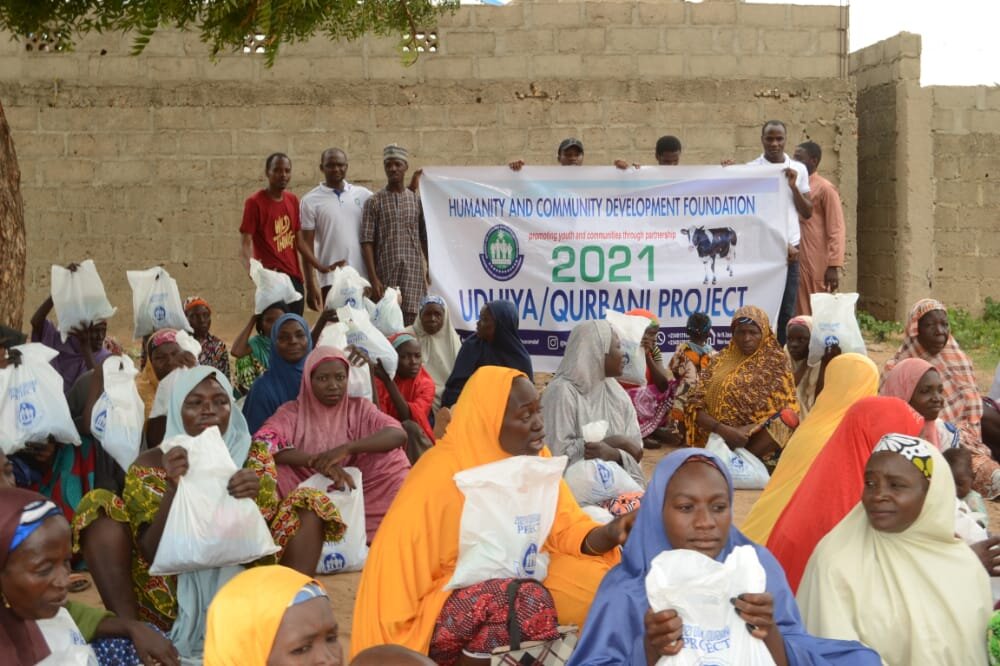
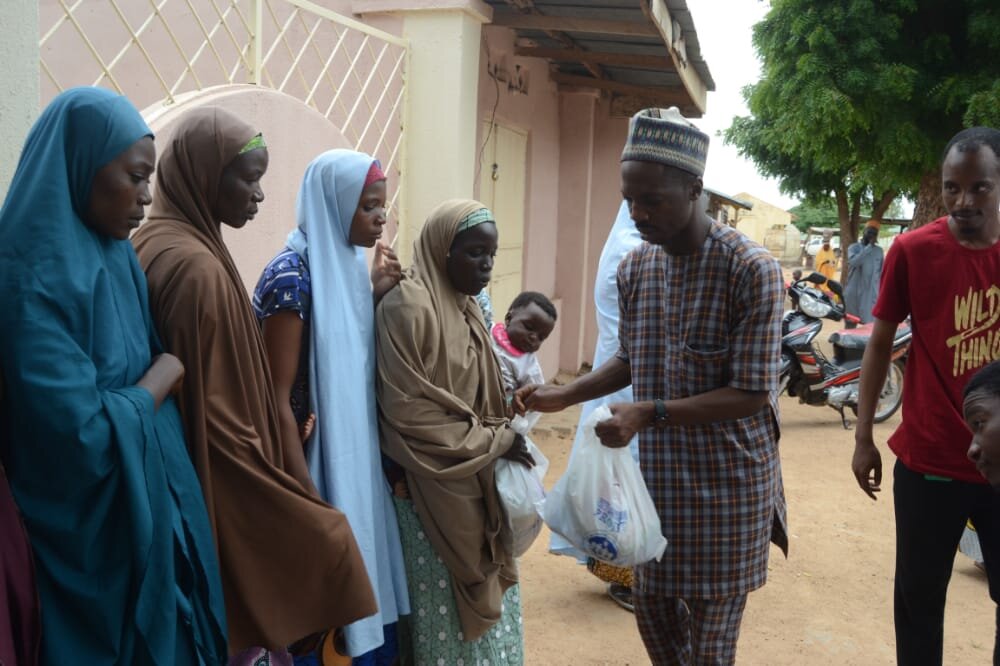
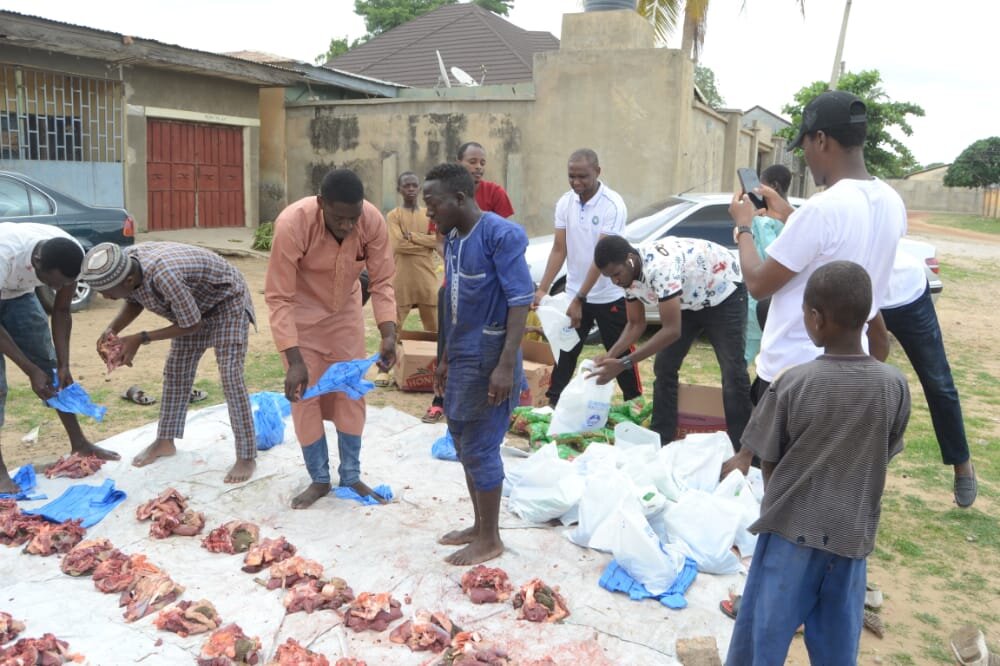
The feeding program was rolled out in key areas across Zamfara State, where the need was greatest. HUCOMDEF established feeding centers in community centers, schools, and religious institutions, strategically located to be accessible to orphans and IDPs. The program operated daily, with volunteers preparing and distributing balanced meals that included staples, proteins, and vegetables to meet the dietary requirements of children and adults. The meals were tailored to address the specific nutritional deficiencies identified during the needs assessment, ensuring that the beneficiaries received adequate nourishment.
Community Engagement and Volunteerism
A significant aspect of the program’s success was the involvement of the local community. HUCOMDEF actively engaged community leaders, religious institutions, and local businesses to garner support for the feeding program. This approach not only facilitated resource mobilization but also fostered a sense of ownership and responsibility among community members. Over 200 volunteers participated in the program, contributing their time and resources to ensure that the feeding centers operated efficiently. This collective effort strengthened community bonds and highlighted the importance of local participation in humanitarian initiatives.
Health and Well-being Impact
The impact of the feeding program on the health and well-being of the beneficiaries was significant. Local health workers reported a marked improvement in the nutritional status of the orphans and IDPs, with many children showing signs of recovery from malnutrition. The provision of regular, balanced meals helped to stabilize the health conditions of the beneficiaries, reducing the incidence of illness and enhancing their overall well-being. This outcome underscores the critical role of nutrition in supporting the resilience of vulnerable populations, particularly in conflict-affected regions.
Challenges Encountered
Despite its successes, the program faced several challenges, primarily related to the security situation in Zamfara State. The ongoing conflict posed risks to both volunteers and beneficiaries, requiring HUCOMDEF to coordinate closely with local authorities to ensure safety during meal distributions. Additionally, logistical constraints such as difficult terrain and limited infrastructure in some areas complicated the delivery of food supplies. The program also encountered funding limitations, which restricted the scale of operations and highlighted the need for more sustainable financial support for future interventions.
Monitoring and Evaluation
HUCOMDEF implemented a robust monitoring and evaluation system to track the program’s progress and effectiveness. Regular visits to the feeding centers were conducted to assess the quality of the meals, the efficiency of distribution, and the health outcomes of the beneficiaries. Feedback from community leaders, volunteers, and the beneficiaries themselves was collected and used to make necessary adjustments to the program. This continuous monitoring ensured that the program remained responsive to the needs of the orphans and IDPs and that resources were utilized effectively.
Conclusion
The Orphans and Internally Displaced Persons (IDPs) Feeding Program in Zamfara State has had a profound impact on the lives of some of the most vulnerable populations in the region. Through the provision of daily nutritious meals, HUCOMDEF has not only alleviated hunger but also contributed to the improved health and resilience of orphans and IDPs. The program’s success underscores the importance of targeted humanitarian interventions in conflict-affected areas and the value of community involvement in supporting these initiatives. HUCOMDEF is committed to continuing its efforts to support vulnerable populations in Zamfara State and beyond.
Recommendations and Future Directions
Looking ahead, HUCOMDEF plans to build on the success of this feeding program by exploring opportunities for long-term support to orphans and IDPs. Recommendations include developing a sustainable funding model, enhancing security measures in collaboration with local authorities, and expanding the scope of the program to include other essential services such as healthcare and education. By adopting a holistic approach, HUCOMDEF aims to address the broader needs of these vulnerable populations and contribute to their long-term recovery and stability. The organization will continue to seek partnerships and engage the community in its mission to create a more inclusive and resilient society.
Project reports on GlobalGiving are posted directly to globalgiving.org by Project Leaders as they are completed, generally every 3-4 months. To protect the integrity of these documents, GlobalGiving does not alter them; therefore you may find some language or formatting issues.
If you donate to this project or have donated to this project, you can receive an email when this project posts a report. You can also subscribe for reports without donating.



Support this important cause by creating a personalized fundraising page.
Start a Fundraiser