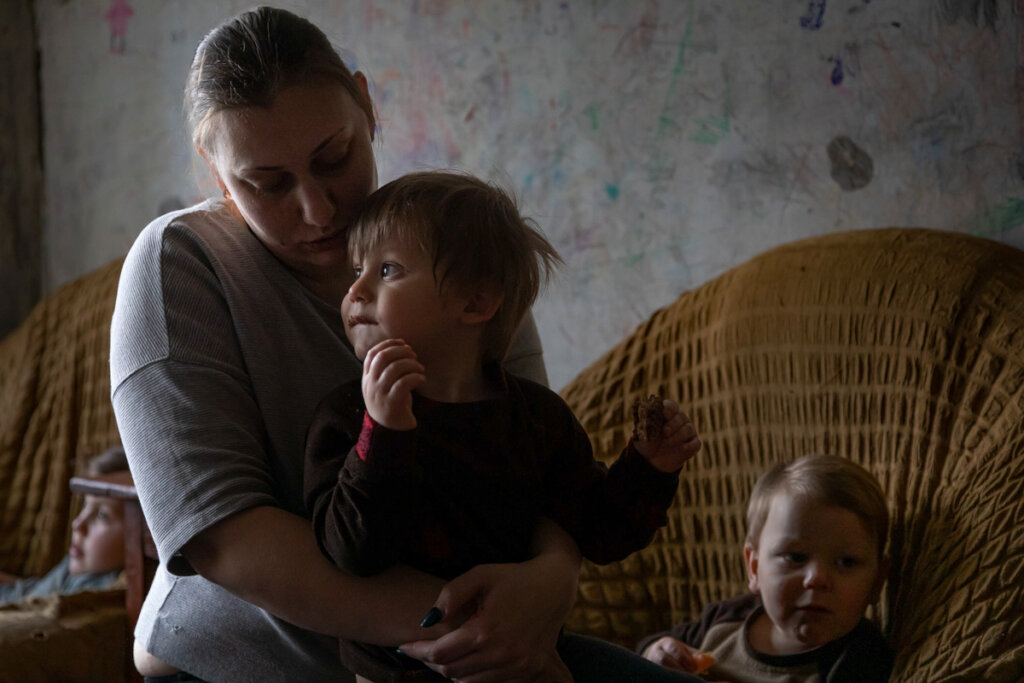
By Savannah Paolillo | Donor Services
Since the war in Ukraine broke out in February of 2022, the International Rescue Committee (IRC) has partnered with local organizations in Poland, Ukraine and Moldova to ensure we reach communities with the services they need the most. One of those partners is Migam, a Polish company that offers 24/7 video interpretation and assistance to refugees who are among the 72 million members of the Deaf community who use sign language. Since opening the program in early March, Migam has provided over 9,100 sign language interpretations, adding up to more than 1,214 hours.
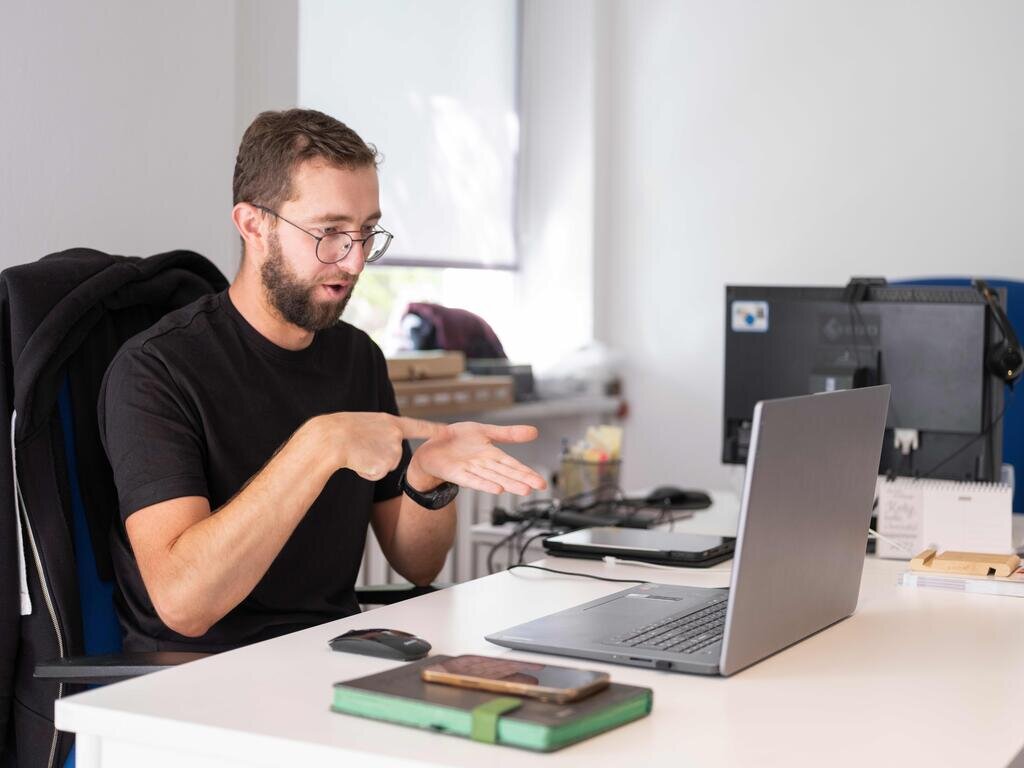
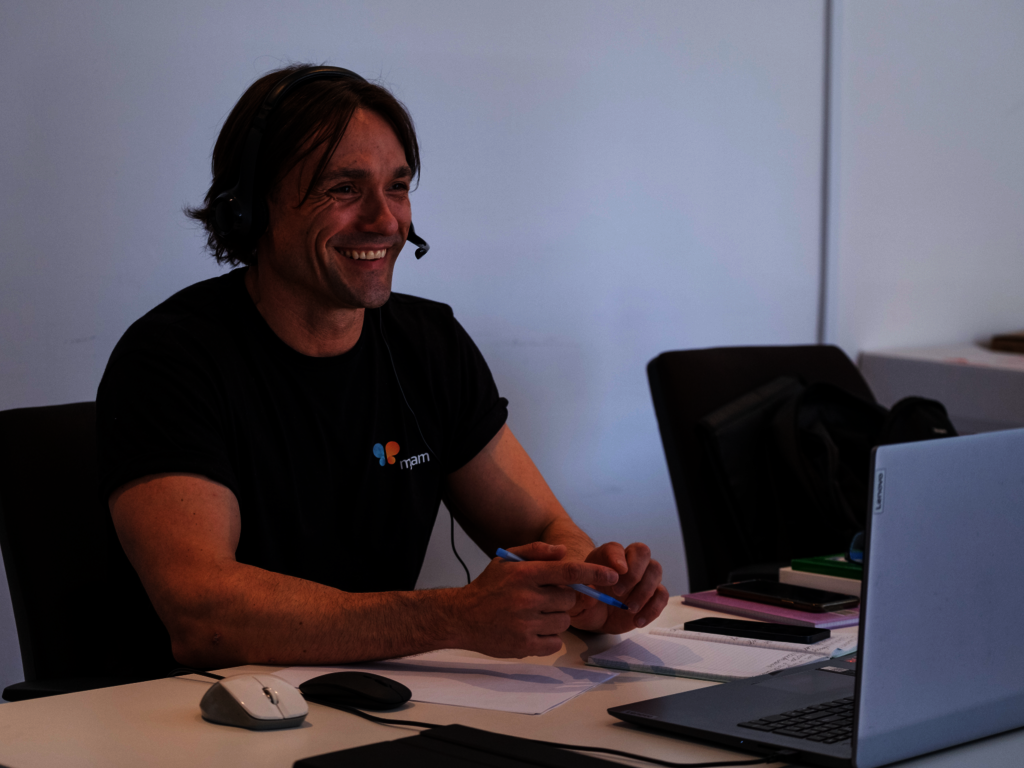
Oleksii Zelinskyi, 33 and Deaf himself, and Roman Zadaniuk, 47, are both interpreters at Migam assisting refugees with everything from day-to-day tasks to complex legal and health care matters. Below, they describe their work and the challenges faced by Deaf people forced to flee Ukraine.
Editor’s note: Roman’s interview was originally conducted in Polish and Oleksii’s in Ukrainian sign language. Both interviews have been edited and condensed for clarity.
How does the war affect Deaf people in Ukraine?
Oleksii: The war has brought challenges to Deaf people, for instance, we cannot hear the sound of air raid sirens. In February, I heard about a Deaf girl who was asleep and did not hear the sirens. When her mother tried to wake her the girl couldn’t believe what was happening. Ukraine’s Deaf community is at risk of missing life-saving alarms and does not have the same access to some reports or warnings that the hearing community has.
Roman: I have been on a video call with a Deaf friend, out shopping in Ukraine when the alarms began. He couldn’t hear them and I had to tell him to find shelter! There was another instance where a Deaf couple decided to flee the city of Kherson with their two kids. The Ukrainian government had forbidden anyone from leaving the city as Russian forces had surrounded it but the parents missed the information due to their hearing loss. They left under bombing and made it peacefully to Switzerland, thank god.
What challenges do Deaf Ukrainian refugees face when arriving in Poland?
Oleksii: Deaf people have been in a state of shock since the beginning of the war in Ukraine and many have had to flee to new countries where they are put in tough situations. A lot of Deaf Ukrainian refugees struggle to understand new local cultures, laws and how to care for their essential needs after being displaced. The Poles have been very helpful in setting up organizations to help but volunteers have been very busy.
Roman: When Deaf refugees are crossing the border, there are a lot of difficulties communicating with volunteers or officials. Now, many Deaf Ukrainian refugees have gained a little stability in Poland but still need help with daily tasks. For example, they may need assistance with enrolling children in schools and other day-to-day tasks such as attending health care appointments or communicating at banks. Deaf refugees have to cope with double stress; the stress of fleeing war and the stress that they will not understand or be understood.
The IRC and Migam
The IRC’s partnership with Migam has allowed the organization to expand its services and hire new interpreters to assist Deaf Ukrainian refugees seeking shelter in Poland.
Thank you for supporting the IRC, which allows us to forge partnerships like these and expand our services to communities in need.
Project reports on GlobalGiving are posted directly to globalgiving.org by Project Leaders as they are completed, generally every 3-4 months. To protect the integrity of these documents, GlobalGiving does not alter them; therefore you may find some language or formatting issues.
If you donate to this project or have donated to this project, you can receive an email when this project posts a report. You can also subscribe for reports without donating.



Support this important cause by creating a personalized fundraising page.
Start a Fundraiser