By Friends of UNFPA | Friends of UNFPA
On April 4, the Trump Administration made the decision to defund UNFPA. This decision will directly affect millions of the most vulnerable women and girls around the world because this loss of funding will cause UNFPA to scale back their work. This puts the lives of women like Anjana at risk.
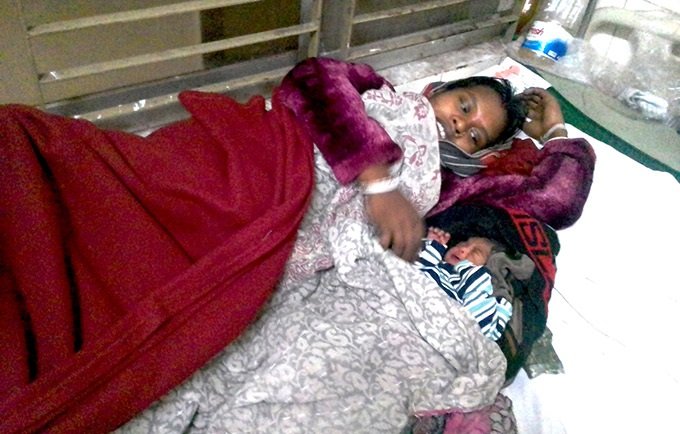
Anjana began feeling labor pains 36 weeks into her pregnancy. At age 20 giving birth for the first time, she had no idea that these labor pains were a sign that both her life and the life of her baby were at risk. After a full day of suffering from pains and having contractions, her family called for a midwife. By the time the midwife arrived, Anjana was already in obstructed labor and in a potentially fatal condition for both her and her baby.
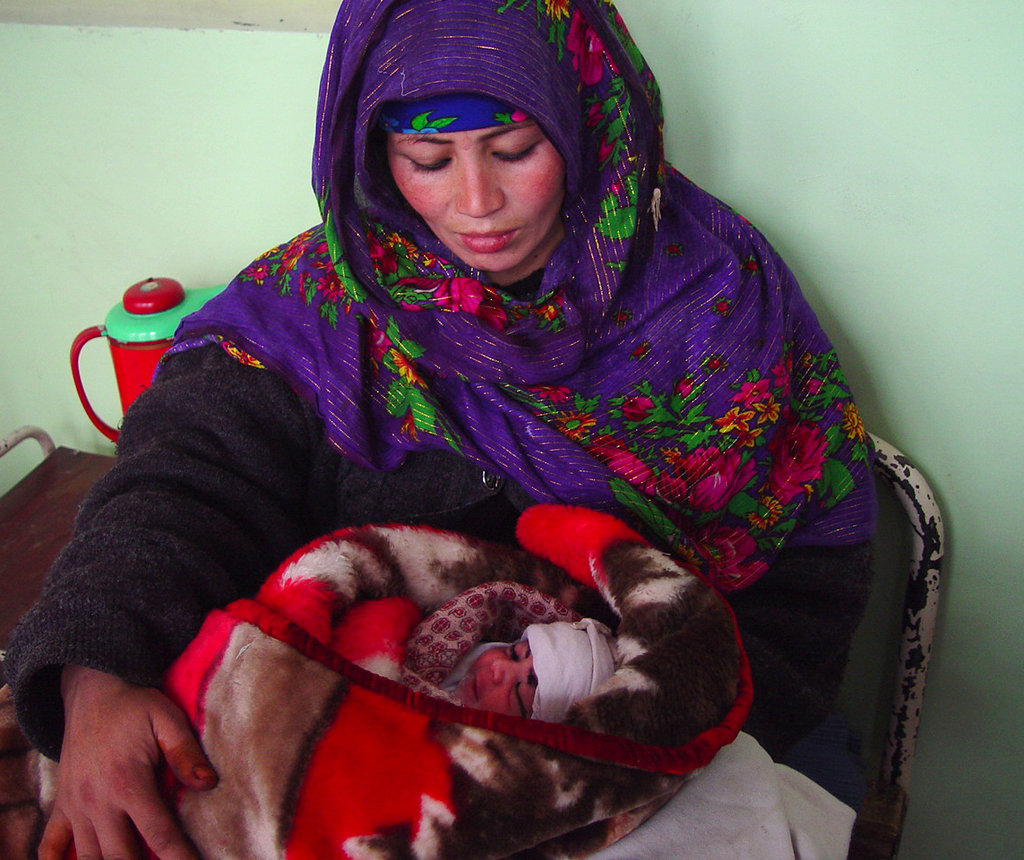
Lucky for Anjana, this UNFPA-trained midwife knew exactly what to do. She was urgently sent to the Kamalganj health complex where a doctor helped her give birth to a happy and healthy baby. She was later told that if she had delayed going to the hospital any longer, her baby would have died. UNFPA’s clean delivery kits contain basic items necessary for a safe birth, including sterile gloves, a blanket, a plastic sheet, and soap. For only $15 you can help UNFPA provide 3 emergency clean delivery kits to women without access to maternal health services.
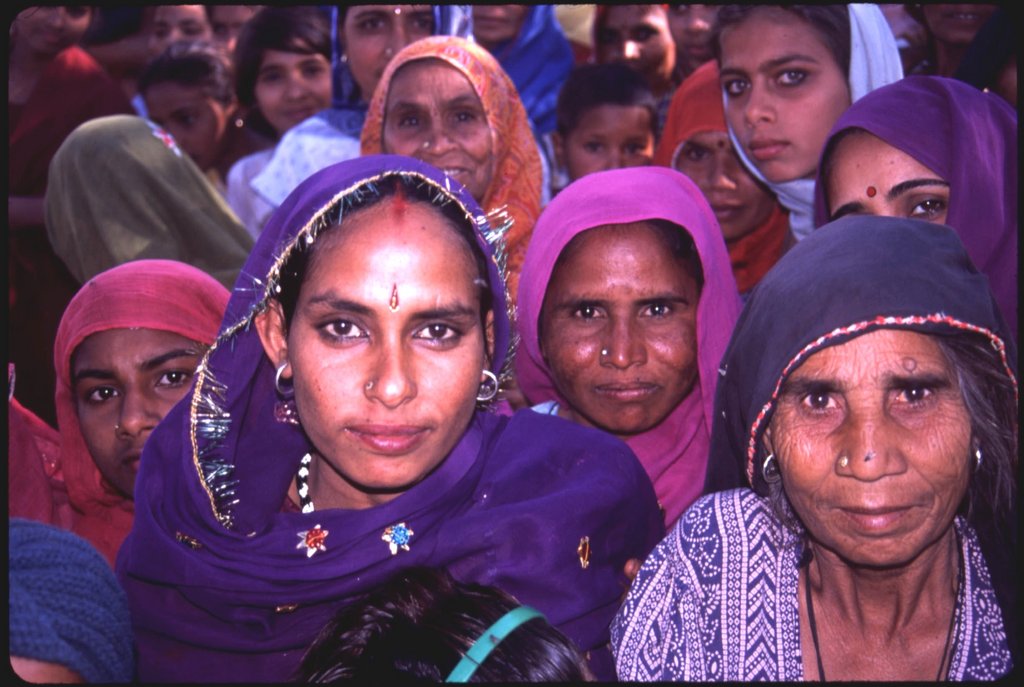
Unfortunately, many women like Anjana are not as lucky. Anjana lives and works on the tea plantations, or tea gardens, in the Moulvibazar District of Bangladesh. The vast majority of workers in Bangladesh’s tea gardens are women, and they are also some of the most impoverished and marginalized people in the nation.
These women face the highest rates of pregnancy related deaths in the country. In 2014, 40% of the entire nation’s maternal deaths occurred in these tea gardens and surrounding areas.
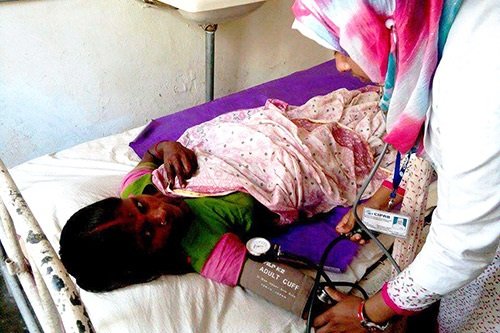
UNFPA, partnering with the government of Bangladesh, created a midwife-led health care program to ease this disproportional burden felt by women working in tea gardens. UNFPA trains midwives, who, in turn, provide antenatal care, safe delivery services, and educate the women in these areas about the importance of receiving care during pregnancy and childbirth. What began as five pilot programs in February of 2016 is now double in size.
As a result of this program’s success, more women like Anjana and her baby are receiving the care they need to have a safe birth. Now, 55,000 people in Bangladesh have access to maternal health services that they did not before. From September of 2016 to April 2017, the UNFPA-trained midwives reached 450 women with antenatal care services and 279 newborns received post-natal care.
Despite the fact that this program has improved maternal healthcare among Bangladesh’s most vulnerable women, it is at risk of being scaled back. The decision for the U.S. Administration to defund UNFPA has put successful programs such as this at risk of losing necessary funding and puts women and girls at risk. Now, UNFPA needs our help to continue their live saving work.
Project reports on GlobalGiving are posted directly to globalgiving.org by Project Leaders as they are completed, generally every 3-4 months. To protect the integrity of these documents, GlobalGiving does not alter them; therefore you may find some language or formatting issues.
If you donate to this project or have donated to this project, you can receive an email when this project posts a report. You can also subscribe for reports without donating.



Support this important cause by creating a personalized fundraising page.
Start a Fundraiser