By Ray Stranske | Board Chair
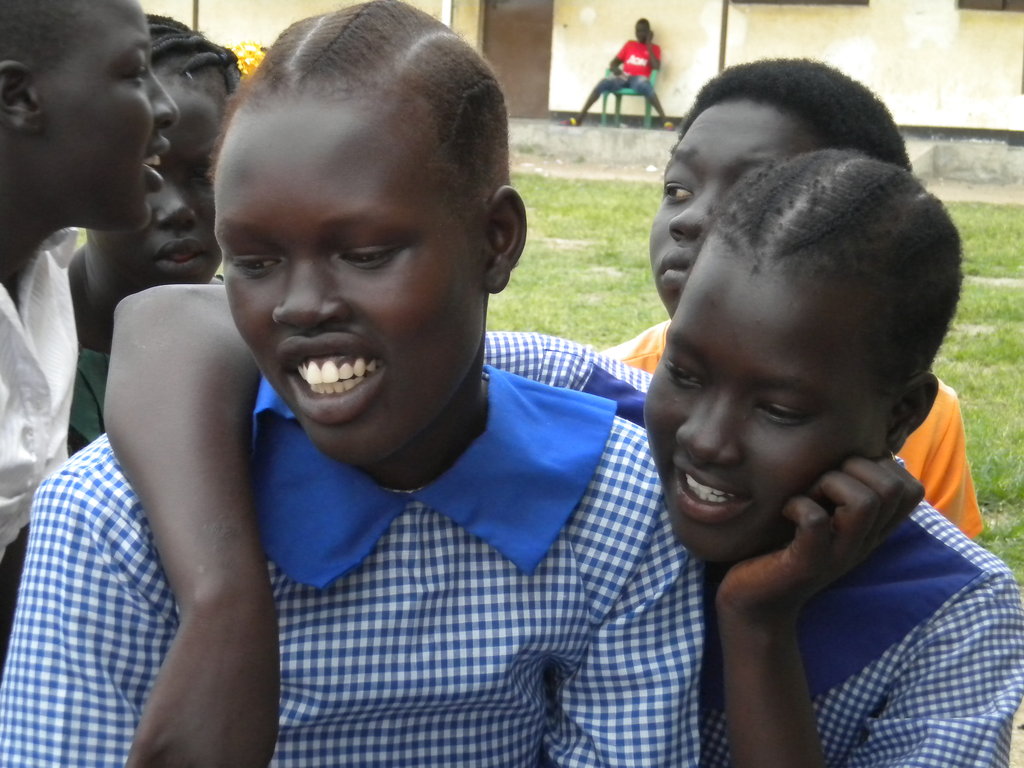
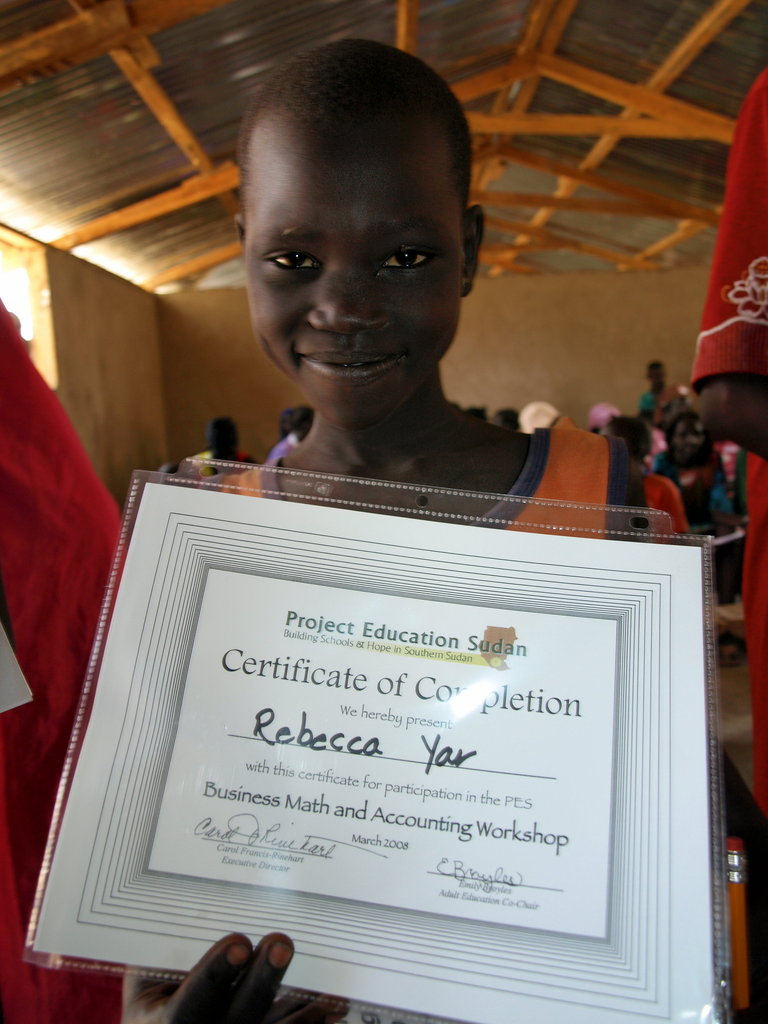
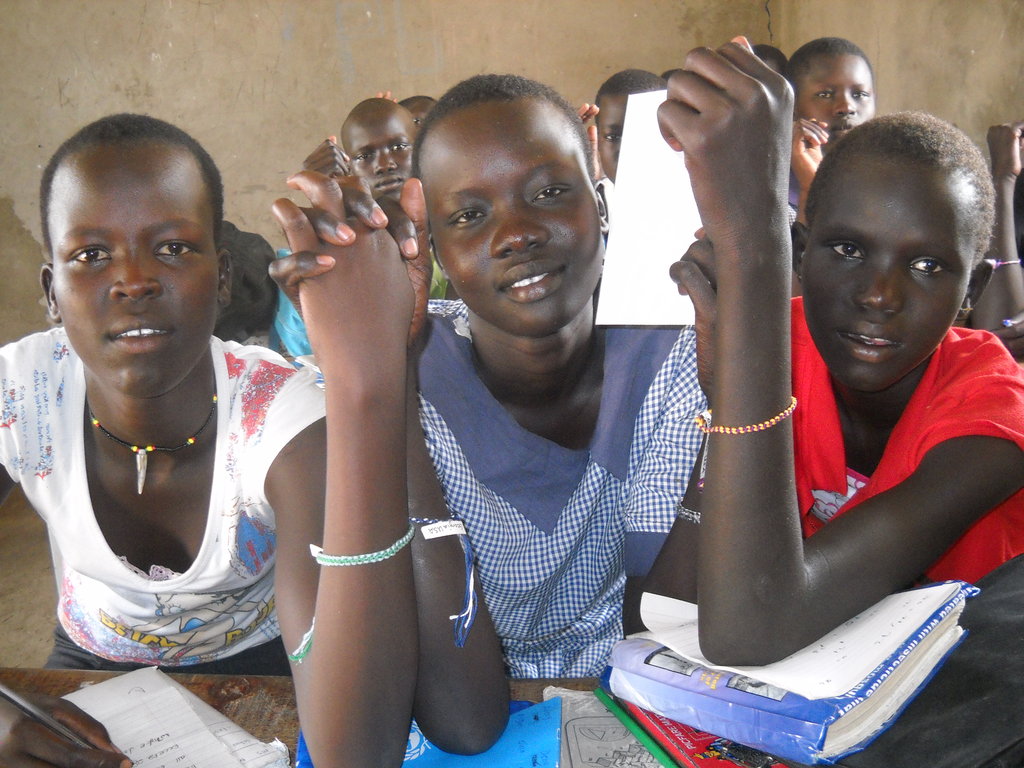
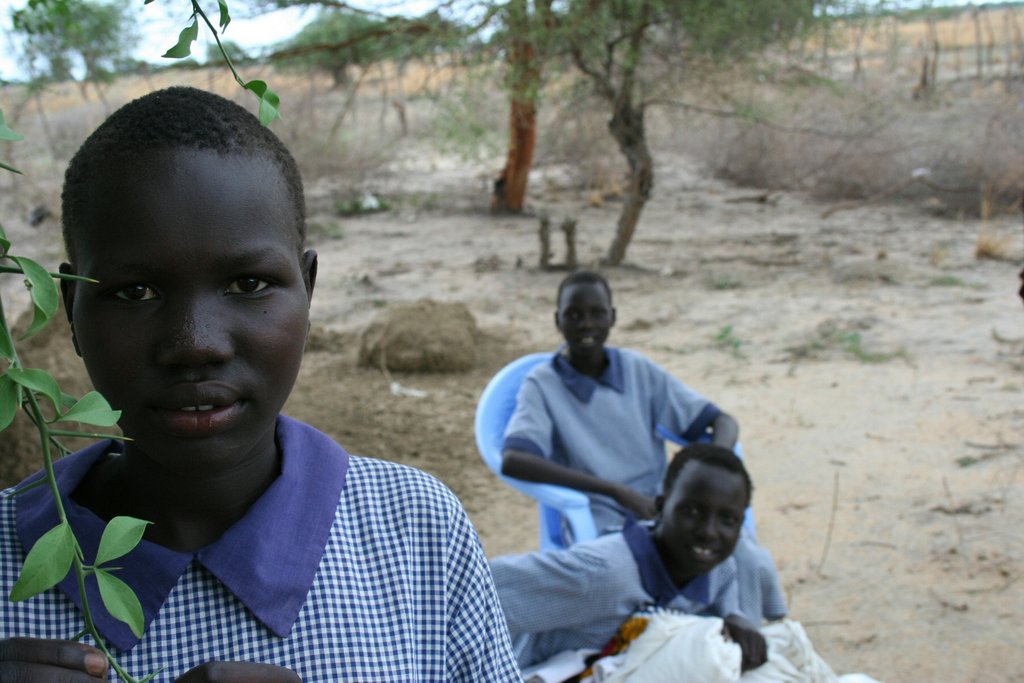
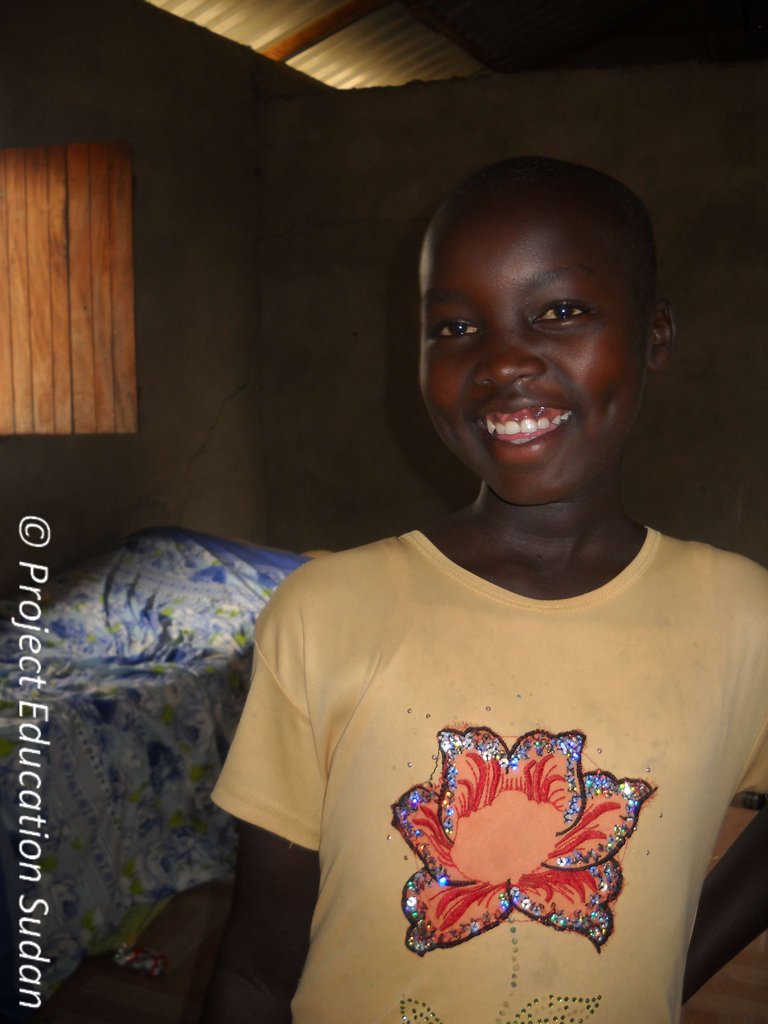
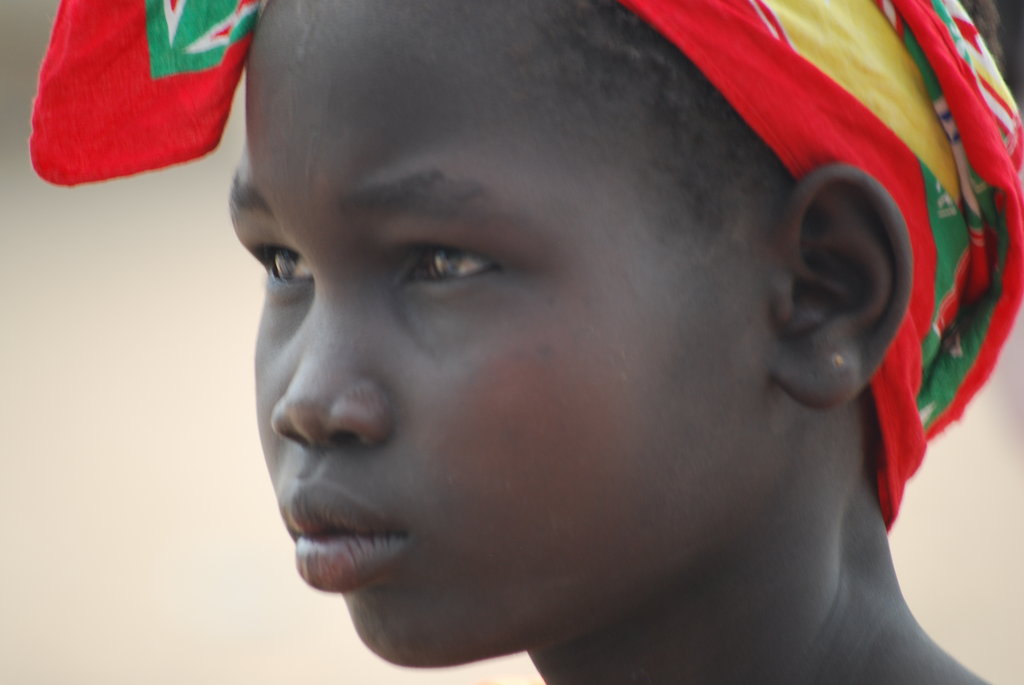
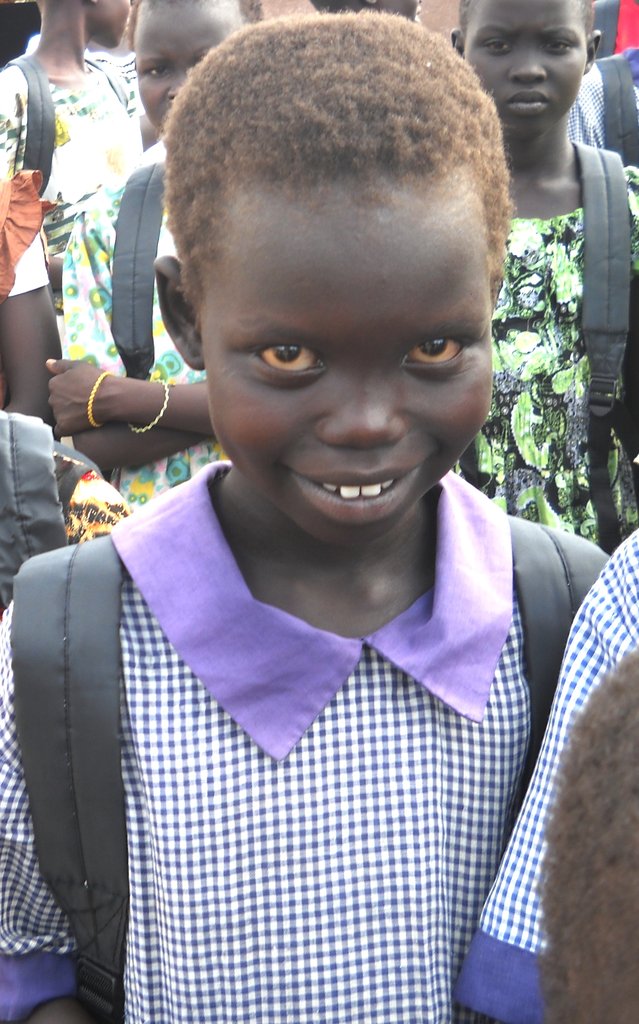
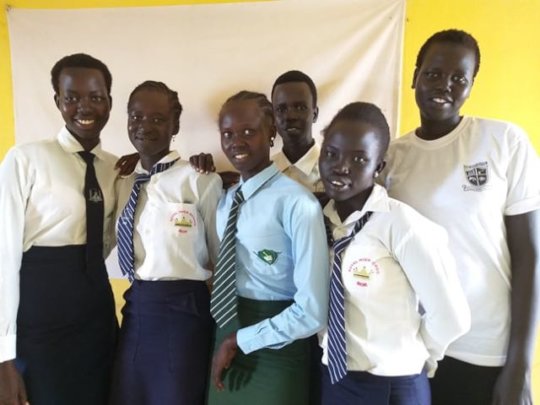
Project Education South Sudan (PESS) is laser focused on bettering the country’s 16% female literacy rate – a record that marks South Sudan as dead last among the nations of the world. We have a big task, so we are adding new tools. On January 1 we implemented several new programs to boost odds of high school girls succeeding in their studies.
One teacher in each school attended by PESS scholars will be hired to stay after school to provide tutoring for all PESS students. Once girls get home from school, they are expected to do work to support the family. In the evening, the sun sets quickly in the tropics and after 8 pm there is virtually no light. Almost none of the families that PESS supports has electricity (to say nothing of an Internet connection). With no lighting in the evenings, no further studying gets done. After school tutoring will provide a huge educational boost to the girls in the program.
One PESS-supported student in each school will act as a student leader to communicate goals and activities of the program to fellow students. With no social networking or email, communications must be done the old fashioned way – by cell phone. Yes, many families do now have cell phones that work when the phone towers are functioning. When they are not, student leaders will communicate directly to other classmates during school. Student leaders are already contacting the girls in their schools to let them know about group meetings and other program activities.
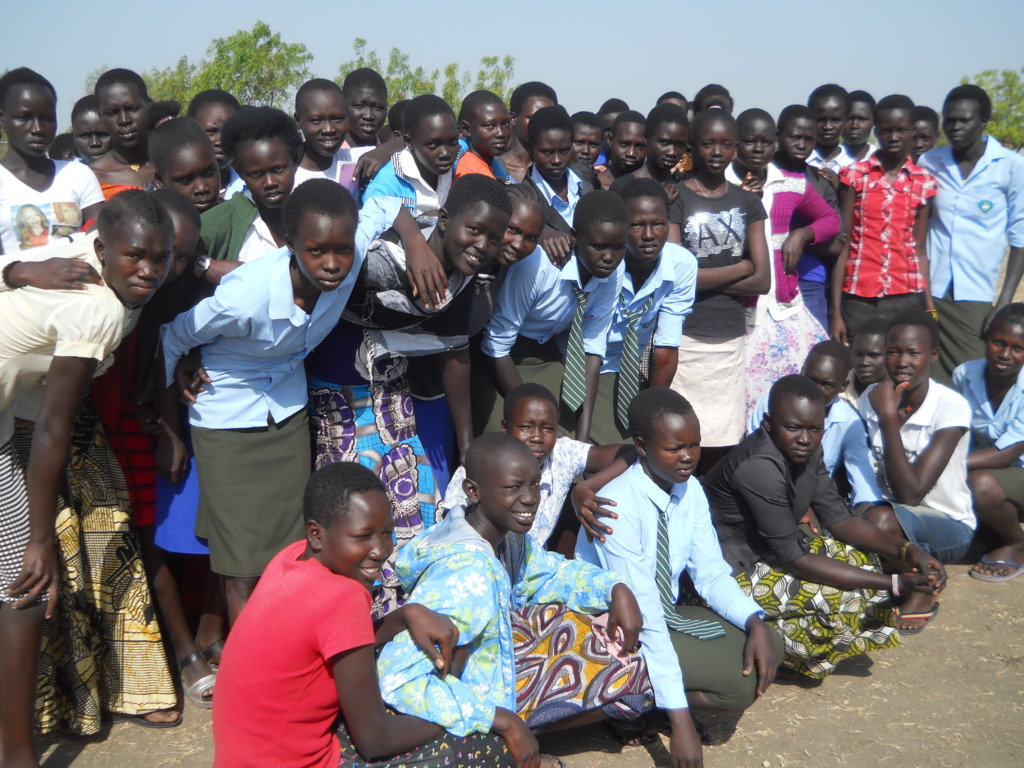
One Saturday each month (more often, hopefully, once the program gets rolling), the girls will gather to have a social time and hear inspirational speakers – leaders in their young country who have positions in government and business, leaders who will provide an example of a successful working woman in society. The meetings will also provide an opportunity to discuss family and social pressures that work against their continuing status as students. Girls often do not get a great deal of support in school and are often urged to marry young and start families. As with young people in all countries, peer support is critical to making good choices and to maintaining good mental health.
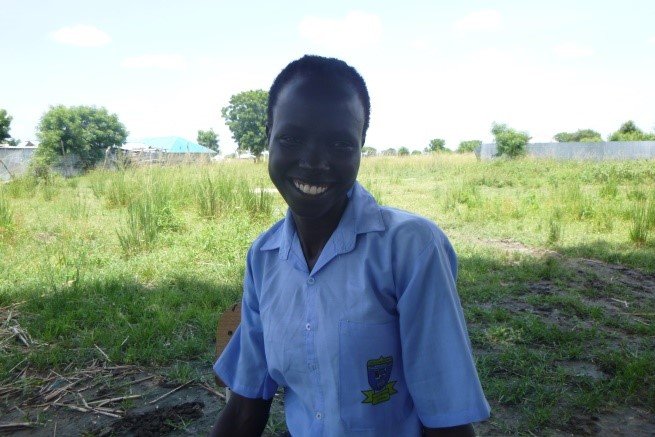
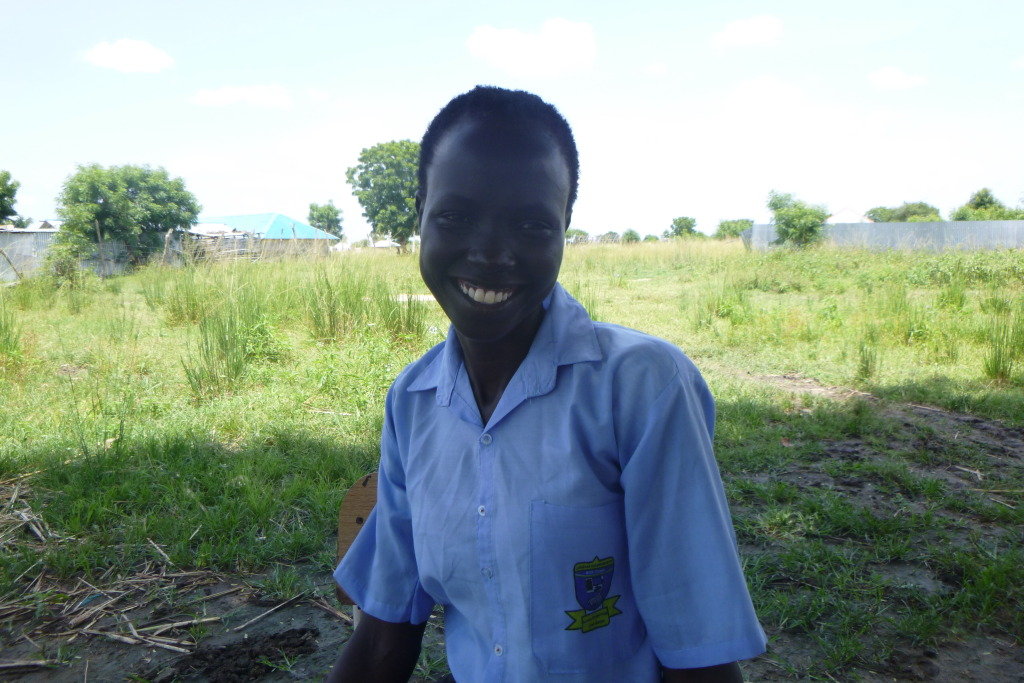
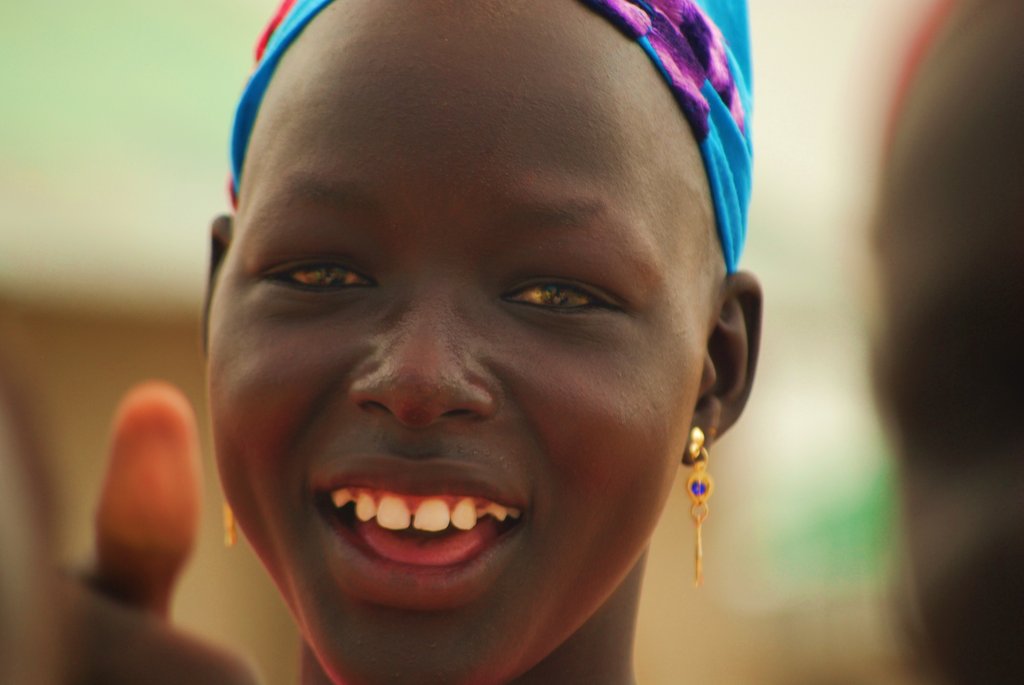
Remember Abuk? We told you about her in our last report. Abuk completed her high school education in December and is now waiting to take her exams to qualify to move on to college. She is not waiting though to put her education to work. She has just agreed to work as Daniel's assistant, helping to implement the programs described above.
The support you offer to Project Education South Sudan is sent directly to South Sudan to help administer the programs that produce such amazing results in young people as they prepare to become tomorrow’s leaders. Daniel and Abuk are not slowed by the incredibly difficult environment in which they work. They simply express the deepest gratitude for all the generous people who help make this possible.
From them to you –
THANK YOU!
Links:
By Ray Stranske | Board Chair, Project Education South Sudan
By Ray Stranske | Board Member
Project reports on GlobalGiving are posted directly to globalgiving.org by Project Leaders as they are completed, generally every 3-4 months. To protect the integrity of these documents, GlobalGiving does not alter them; therefore you may find some language or formatting issues.
If you donate to this project or have donated to this project, you can receive an email when this project posts a report. You can also subscribe for reports without donating.