Executive Summary:
During this quarter, we continued to make significant strides in advancing our mission of supporting women and girls with disabilities. Our initiatives focused on the following key areas:
1. Educational Empowerment:
-
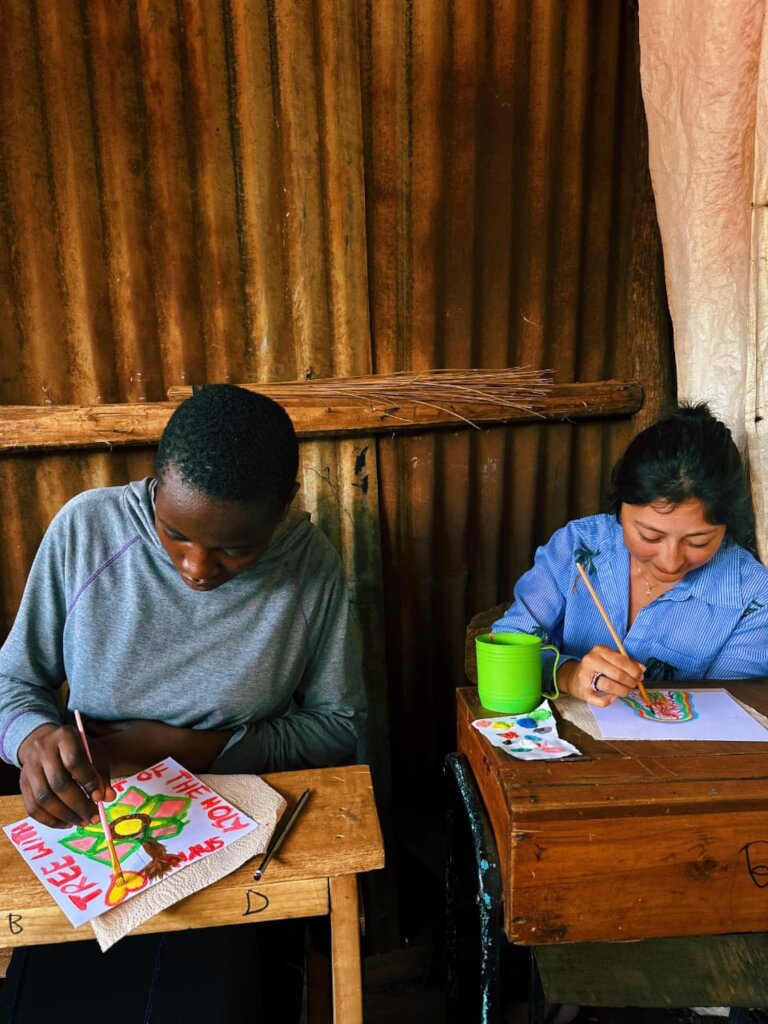
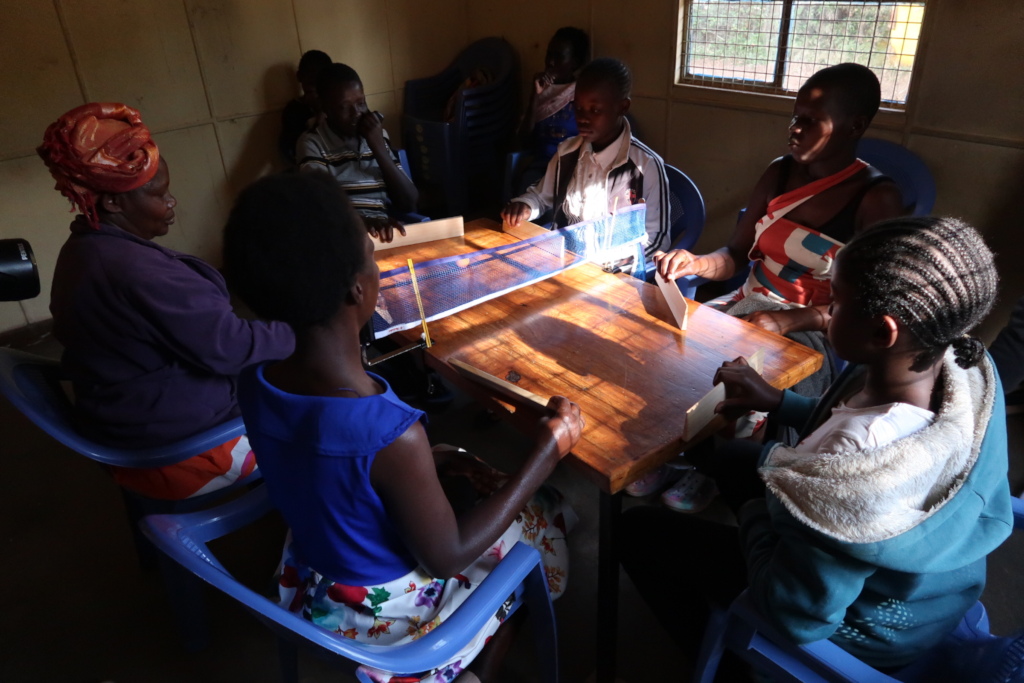
Girls' Inclusive Education Program: We conducted workshops and training sessions to create a more inclusive learning environment. These efforts have reached 250 schools and 300 disabled girls, helping them access quality education.
-
Scholarship Opportunities: 50 girls with disabilities were awarded scholarships to pursue education, ensuring they have the financial means to achieve their academic goals.
2. Economic Empowerment:
-
Vocational Training: 50 women with disabilities participated in vocational training programs that equipped them with essential skills, enhancing their employability and income-earning potential.
-
Microenterprise Support: 100 women entrepreneurs received financial assistance and mentorship to start or expand their businesses. These initiatives have generated 30 jobs for women with disabilities.
3. Health and Well-being:
-
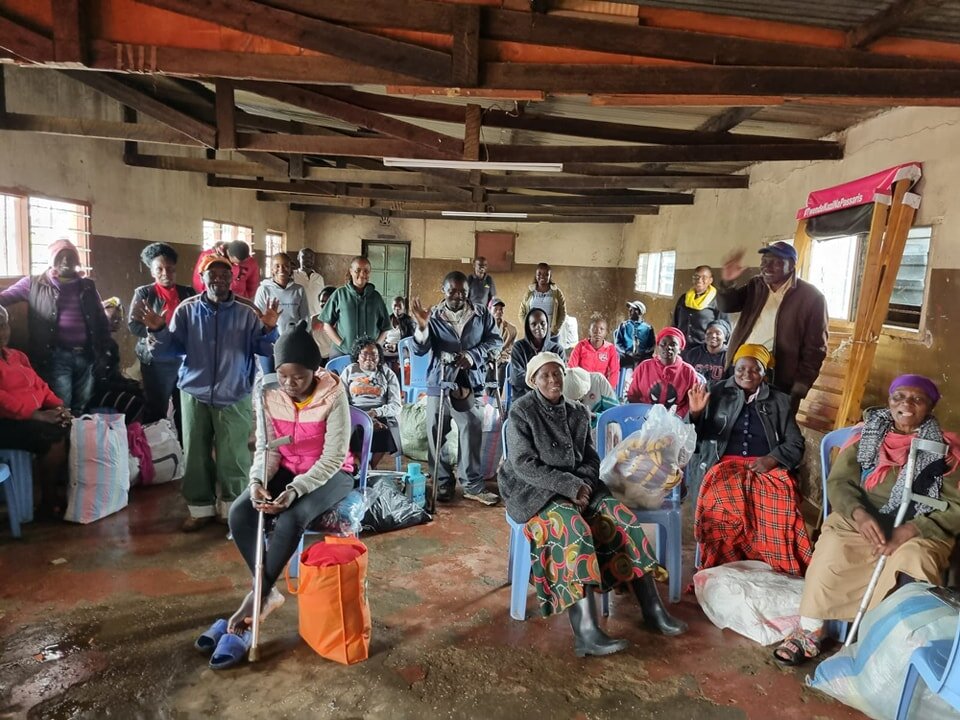
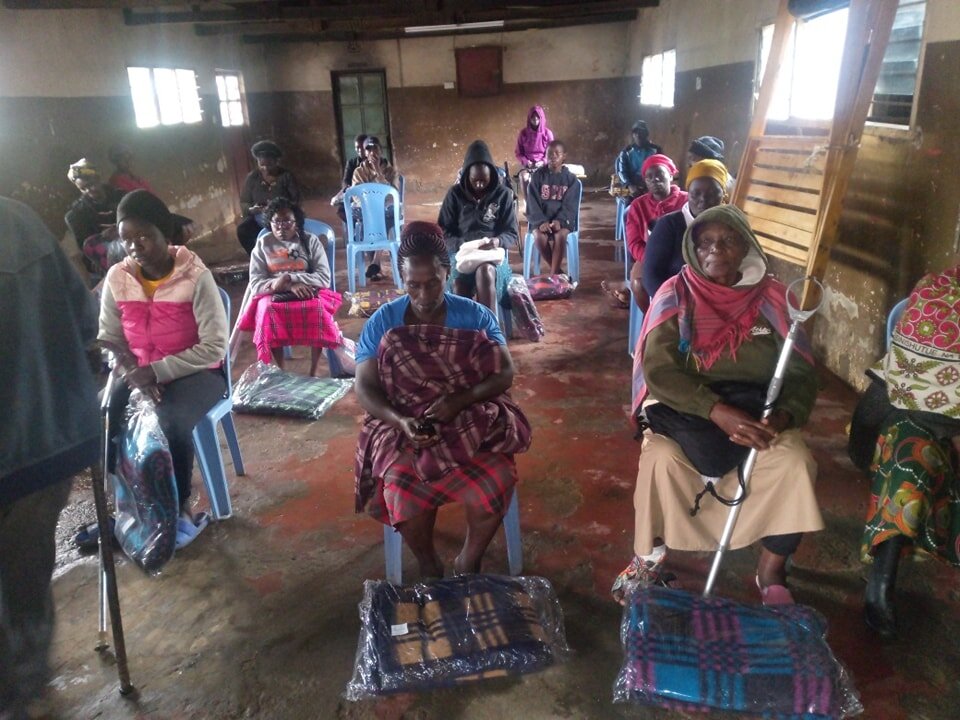
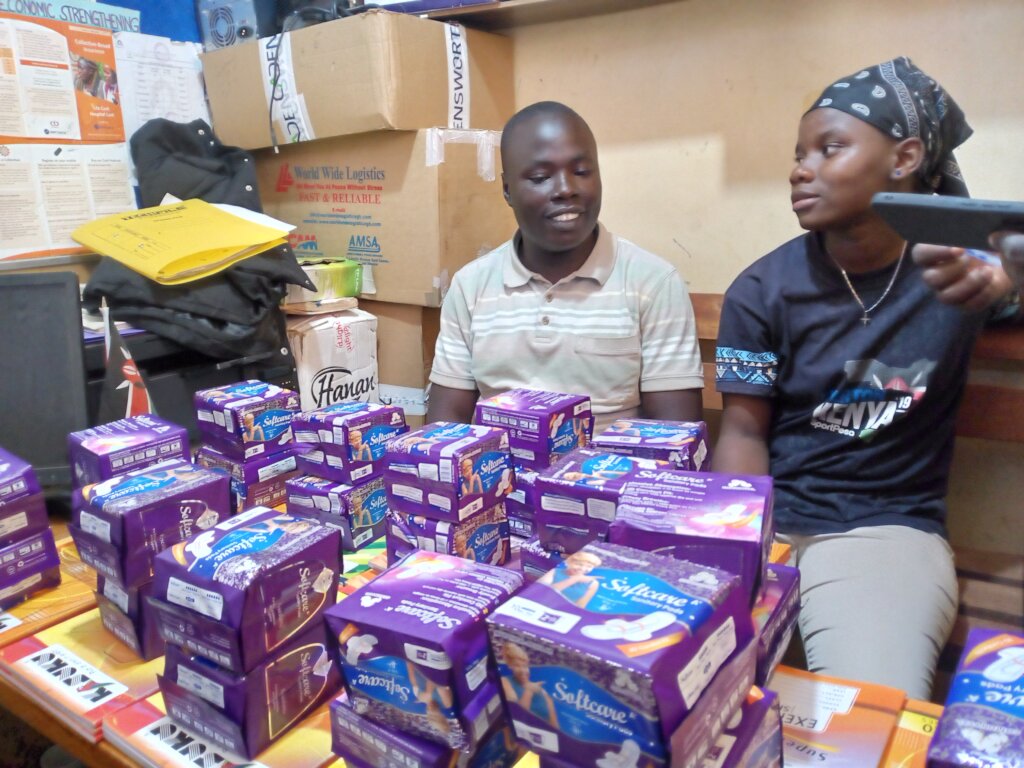
Health Camps: We organized 5 health camps, providing essential medical services to 500 women and girls with disabilities who often face barriers in accessing healthcare.
-
Mental Health Support: Our counseling and support services have assisted 30 women and girls in managing their mental health challenges, promoting overall well-being.
4. Advocacy and Awareness:
-
Awareness Campaigns: Our awareness campaigns reached 700 individuals through various media channels, advocating for the rights and inclusion of women and girls with disabilities.
-
Policy Advocacy: We actively participated in 150 policy discussions and made recommendations to promote disability-inclusive policies at local and national levels.
5. Collaborative Partnerships:
We continued to strengthen our partnerships with local NGOs, government agencies, and disability rights organizations, enhancing our collective impact on the lives of women and girls with disabilities.
Challenges Faced:
-
Despite our efforts, there are still significant barriers to accessibility and inclusion in education and healthcare for women and girls with disabilities.
-
The economic impact of the ongoing pandemic has made it challenging for some of our beneficiaries to sustain their livelihoods.
Future Plans:
In the next quarter, we plan to:
- Expand our educational initiatives to reach more schools and girls with disabilities.
- Launch a sustainable livelihood program to address economic challenges.
- Collaborate with other organizations to conduct research on disability-inclusive policies.
Financial Overview:
We would like to express our sincere gratitude for your continued support in our mission. Together, we can make a meaningful difference in the lives of women and girls with disabilities.
If you have any questions or require further information, please do not hesitate to contact us at info@saidikaorganization.org
Thank you for your dedication to this important cause.
Sincerely,
Dancan Okaka ,Director , Saidika Organization .