By Prosper Global | Prosper Global
Confirmed cases now sit just 35 kilometers from the South Sudan border, along high-risk travel corridors.
As the Ebola outbreak approaches the three-month mark since it was officially declared in the Democratic Republic of Congo, it has become the second largest on record, with more than 4,500 confirmed cases and over 2,100 deaths The death toll doubled in around three weeks, a stark measure of an outbreak moving far faster than DRC’s last major Ebola epidemic, which took just over a year from its declaration to reach 2,000 deaths.
While DRC remains the center of the crisis, the past three months have shown how quickly the geography of the outbreak is changing. Its widening footprint is raising alarm across the region, particularly for neighboring South Sudan, where no cases have yet been confirmed as the virus moves closer and the window for prevention is closing.
New Prosper Global (formerly Mercy Corps) rapid analysis identified four high-risk travel corridors linking affected areas of DRC to South Sudan, either directly or through Uganda. Along one of the most concerning corridors, confirmed cases have been recorded in Aru, Ariwara, and Adja. Ariwara is a longstanding tri-national trading hub that lies approximately 35 kilometers from the South Sudan border.
Regular cross-border movement reinforces the need for stronger community surveillance, rapid referral and testing, trusted public information and cross-border coordination before a first case is confirmed. The routes identified are commonly used travel corridors, not confirmed routes of Ebola transmission, and preparedness should reflect how people normally move without restricting access to essential services.
South Sudan is already grappling with conflict, displacement, food insecurity, disease outbreaks, and the lasting effects of repeated flooding. These overlapping pressures points have stretched health services and humanitarian resources, making early Ebola preparedness even more critical. The Government and partners have stepped up Ebola preparedness, but dedicated funding is scarce, and important gaps persist in staffing, screening, referrals, and isolation capacity.
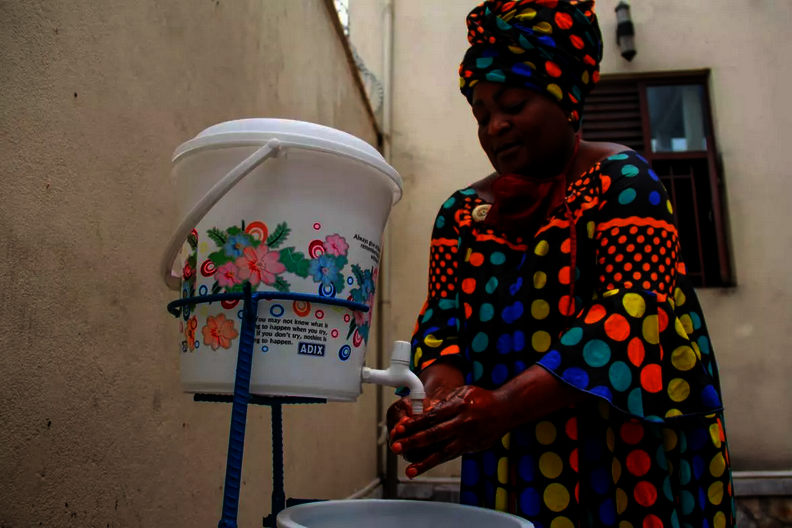
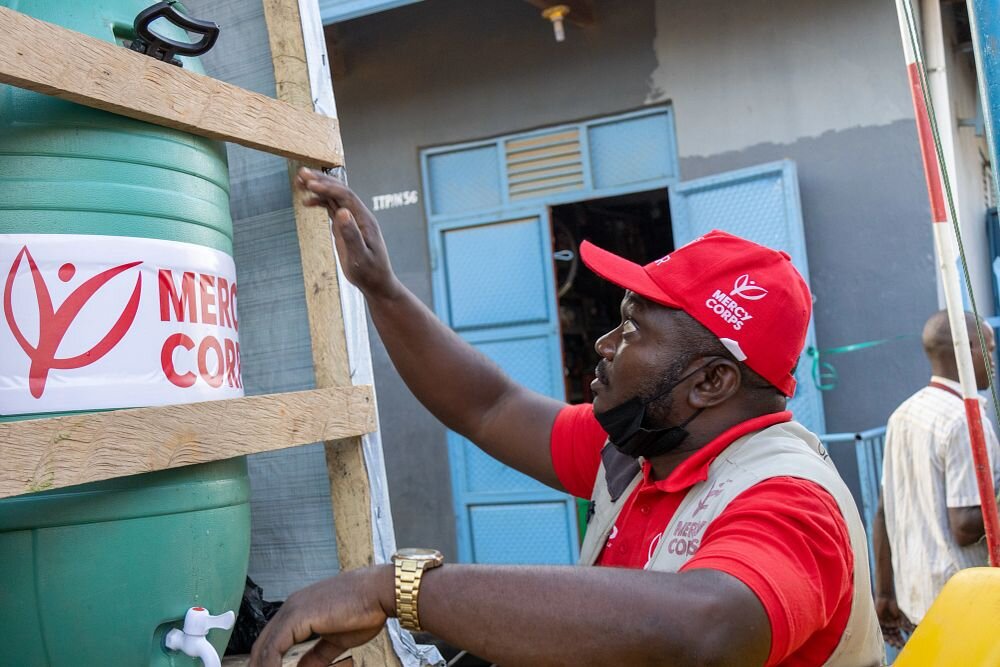
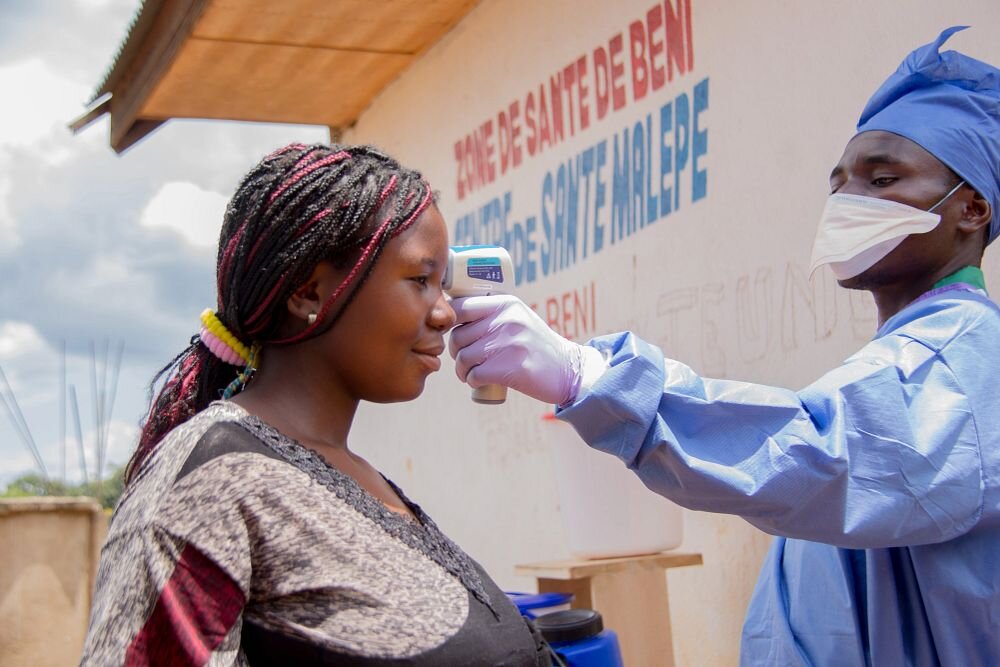
Prosper Global is calling for continued support for the response in DRC, alongside dedicated funding to strengthen preparedness across the region, including in South Sudan. That funding is urgently needed to train community health workers to detect and report suspected cases early; strengthen testing, isolation and referral capacity; provide communities with clear information and access to clean water and protective equipment; and improve cross-border information sharing.
In DRC, Prosper Global has supported communities since 2007 through water and sanitation, livelihoods, governance and emergency response, including support to the current Ebola response in Ituri. Since 2005, Prosper Global has supported communities in South Sudan through food security and livelihoods, WASH and resilience programming.
Prosper Global is already present in parts of Western Equatoria, including Mundri East, Mundri West, and Mvolo, areas along the movement of corridors identified in the analysis, and is positioned to scale up community-based surveillance, risk communication, and
Project reports on GlobalGiving are posted directly to globalgiving.org by Project Leaders as they are completed, generally every 3-4 months. To protect the integrity of these documents, GlobalGiving does not alter them; therefore you may find some language or formatting issues.
If you donate to this project or have donated to this project, you can receive an email when this project posts a report. You can also subscribe for reports without donating.



Support this important cause by creating a personalized fundraising page.
Start a Fundraiser