By Iain Guest | Project Leader
This update is being sent to friends who have kindly donated to our appeals on behalf of family members of the disappeared in Nepal since 2015
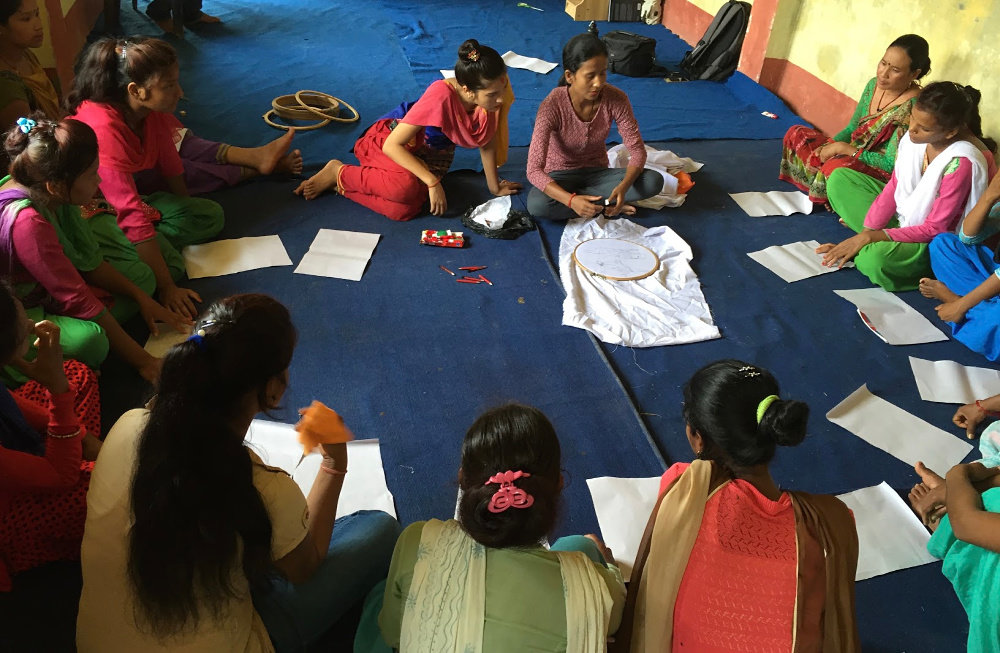
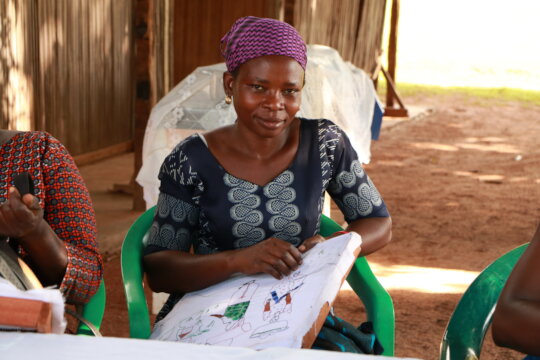
In our last report, in May, we wrote to you about the visit of Bobbi, an American quilter, to the western district of Bardiya, Nepal. Bobbi worked with 25 members of the Bardiya cooperative, who all lost relatives during the conflict (1996-2006).
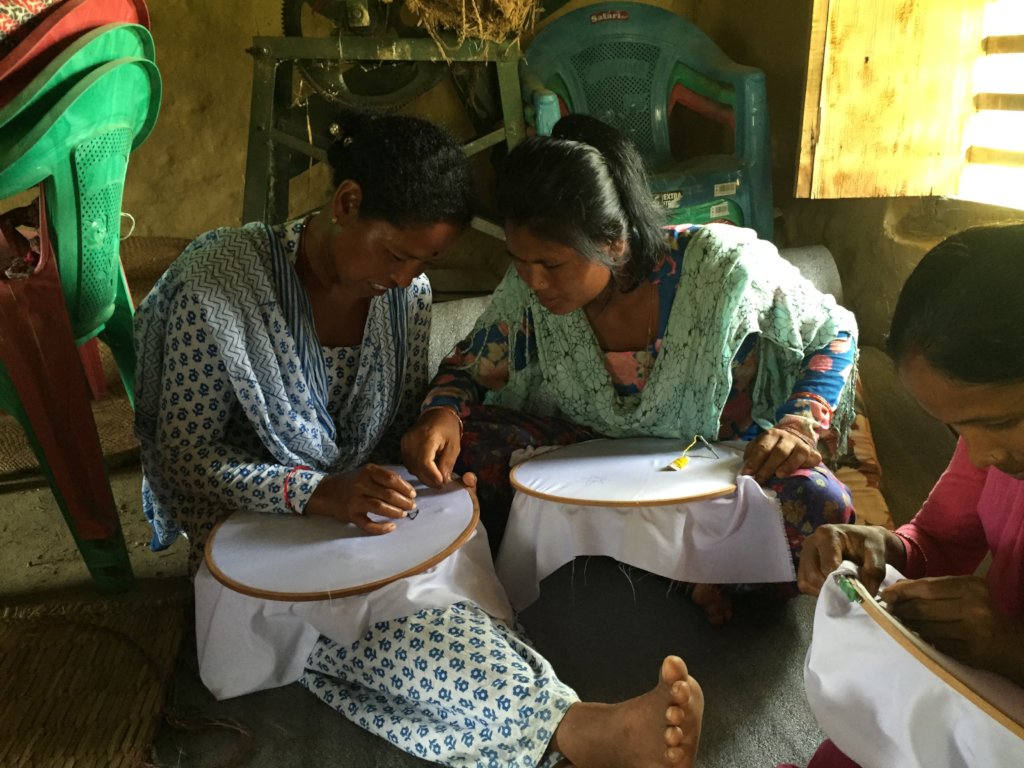
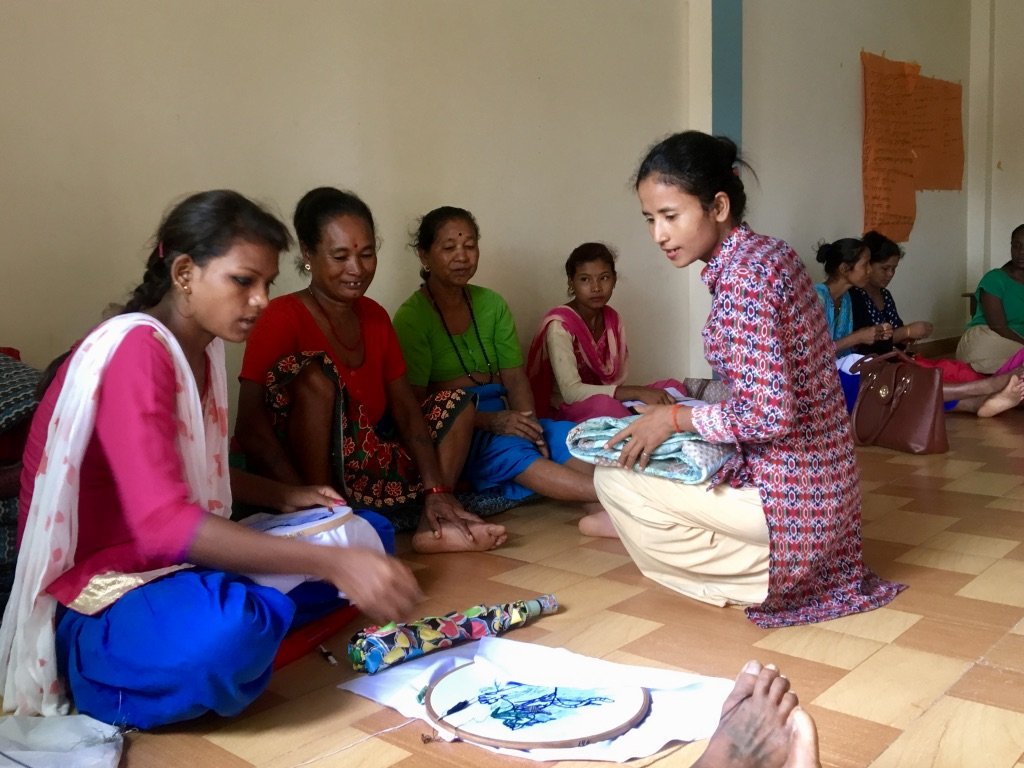
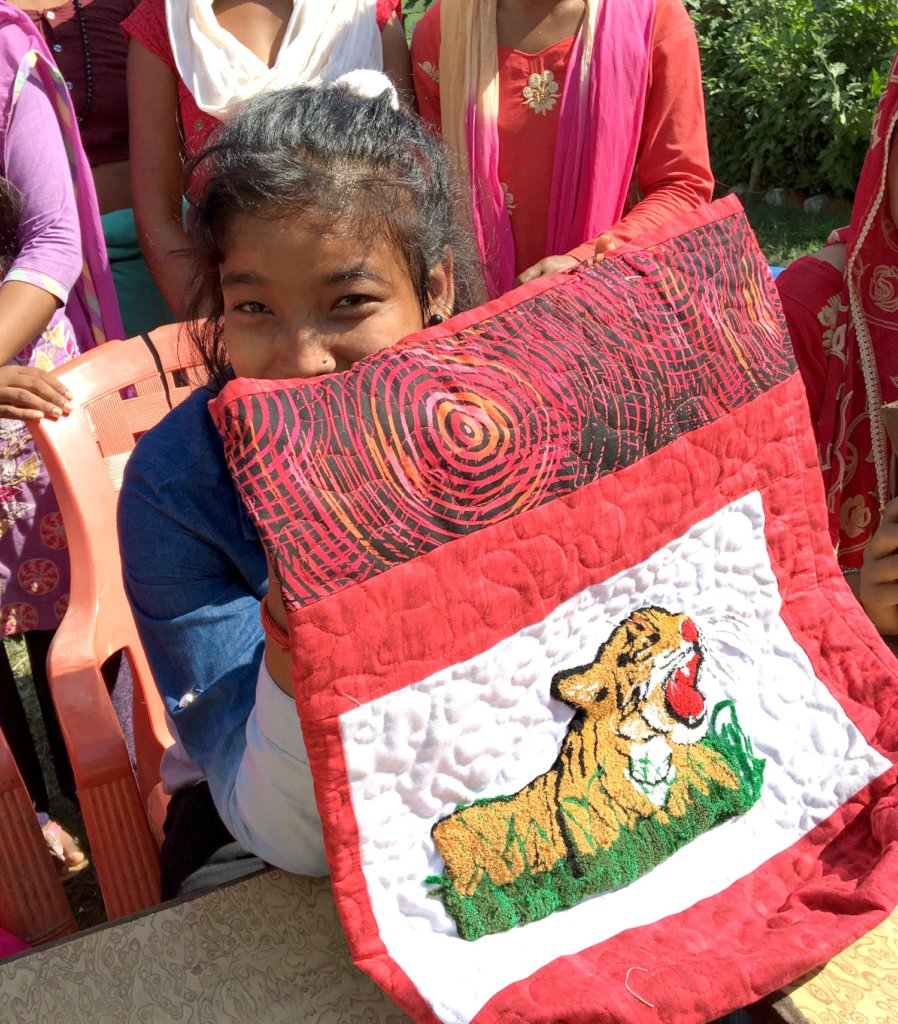
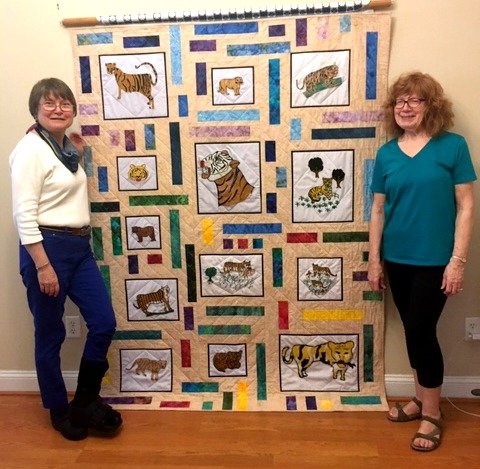
Bobbi’s main objective was to help the women turn their embroidered squares into two memorial quilts. As we wrote in our May report, she achieved this with flair and efficiency! We have tried to capture the flavor of Bobbi’s trip in a recent video film, A Quilter’s Journey, which describes how working with the women helped Bobbi to move past her own personal losses. We have also described the making of the quilts in new pages on our website. The Bardiya cooperative members are profiled here.
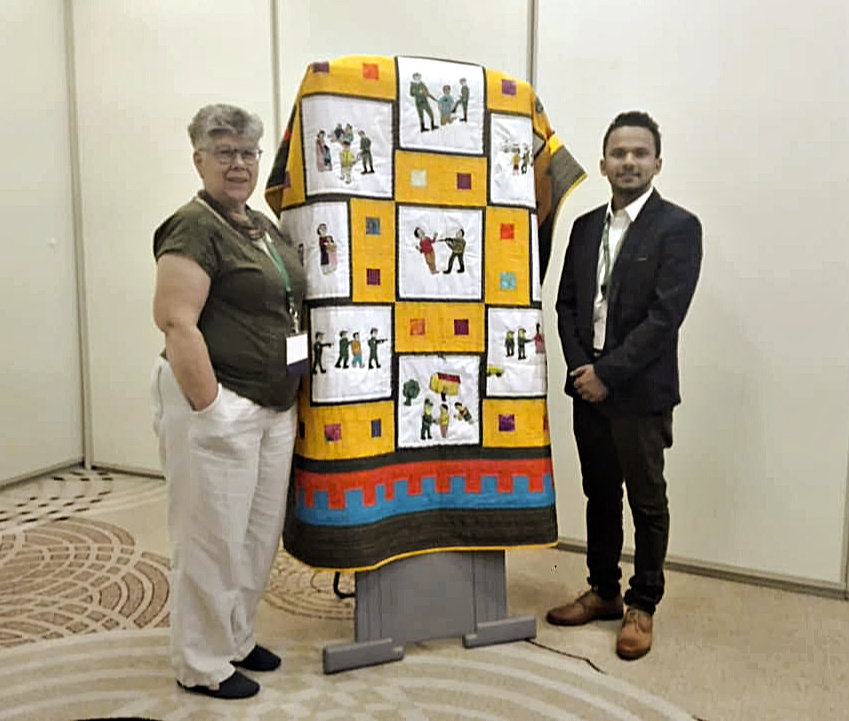
Of the two memorial quilts produced in Bardiya, one has remained in Nepal. It was shown on August 30 when hundreds of family members marked International Day of the Disappeared in Kathmandu. The second quilt was brought to the US around the same time by Prabal, our field officer in Nepal, when he made a presentation before the annual meeting of The International Coalition of Sites of Conscience and the American Association of State and Local History in Philadelphia (photo). Prabal answered many questions about the quilt, and its importance as a tool of memorialization.
The purpose of advocacy quilts, of course, is to support advocacy. We hope to show one of the Bardiya quilts later this month when Iain from AP will give testimony to the UN Working Group on Enforced and Involuntary Disappearances in Geneva on behalf of family members in Nepal.
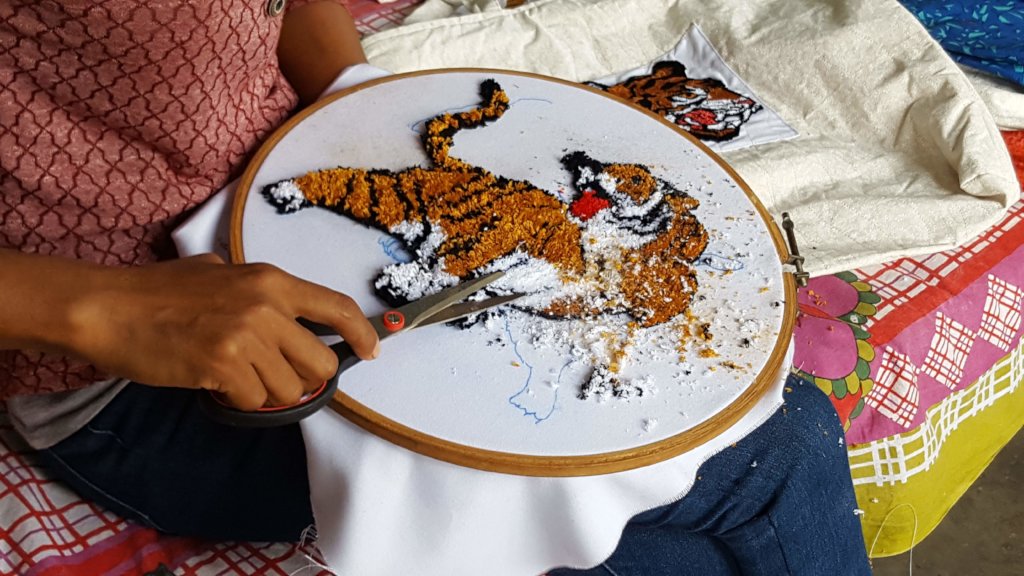
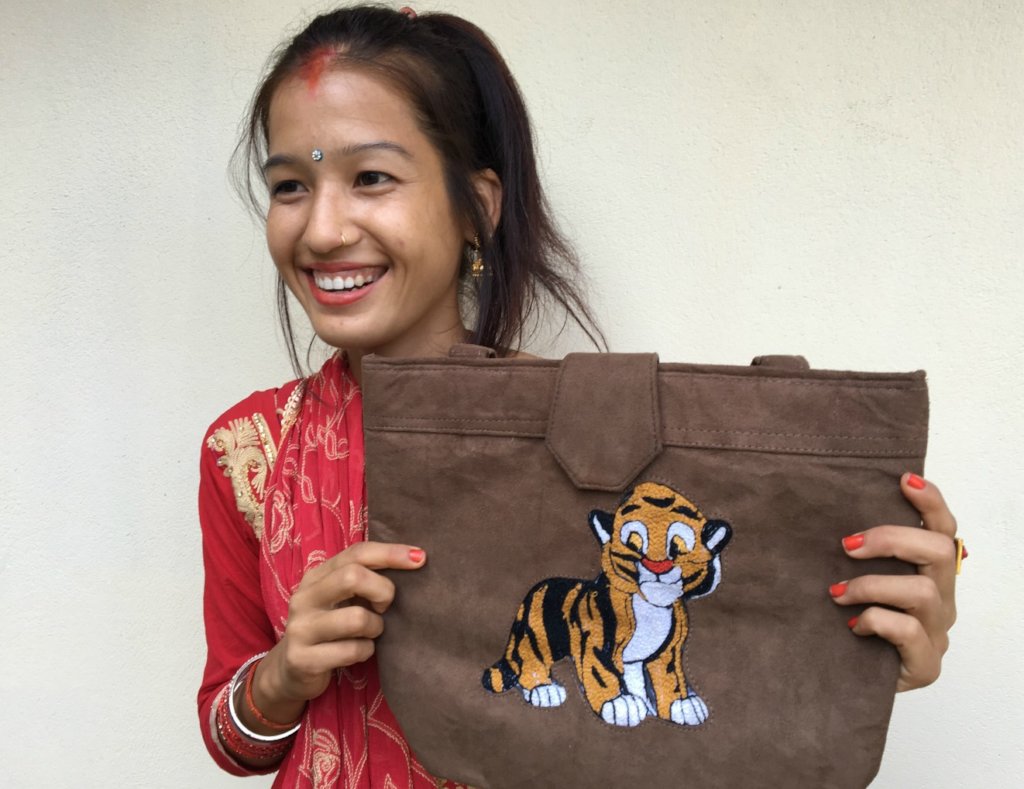
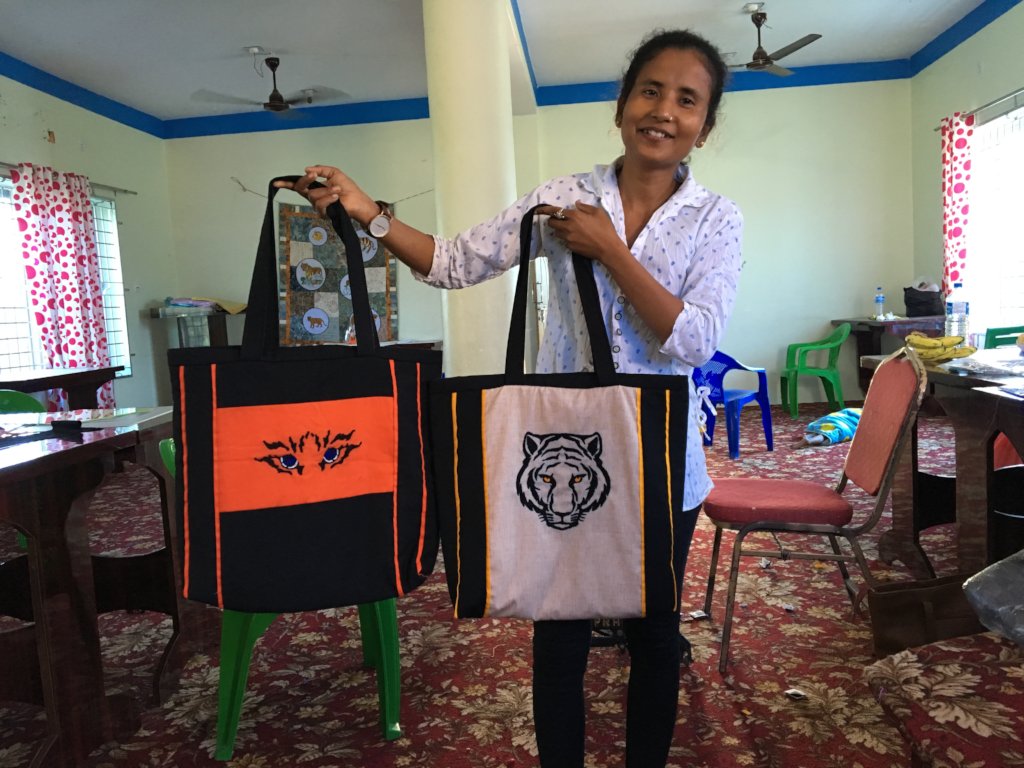
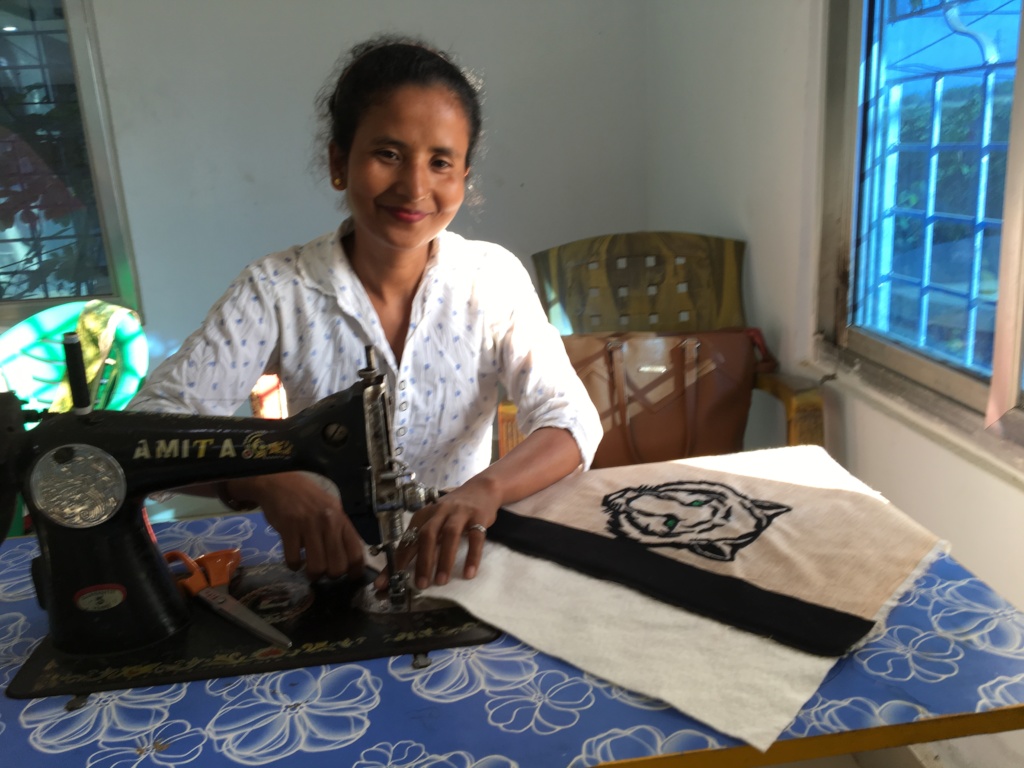
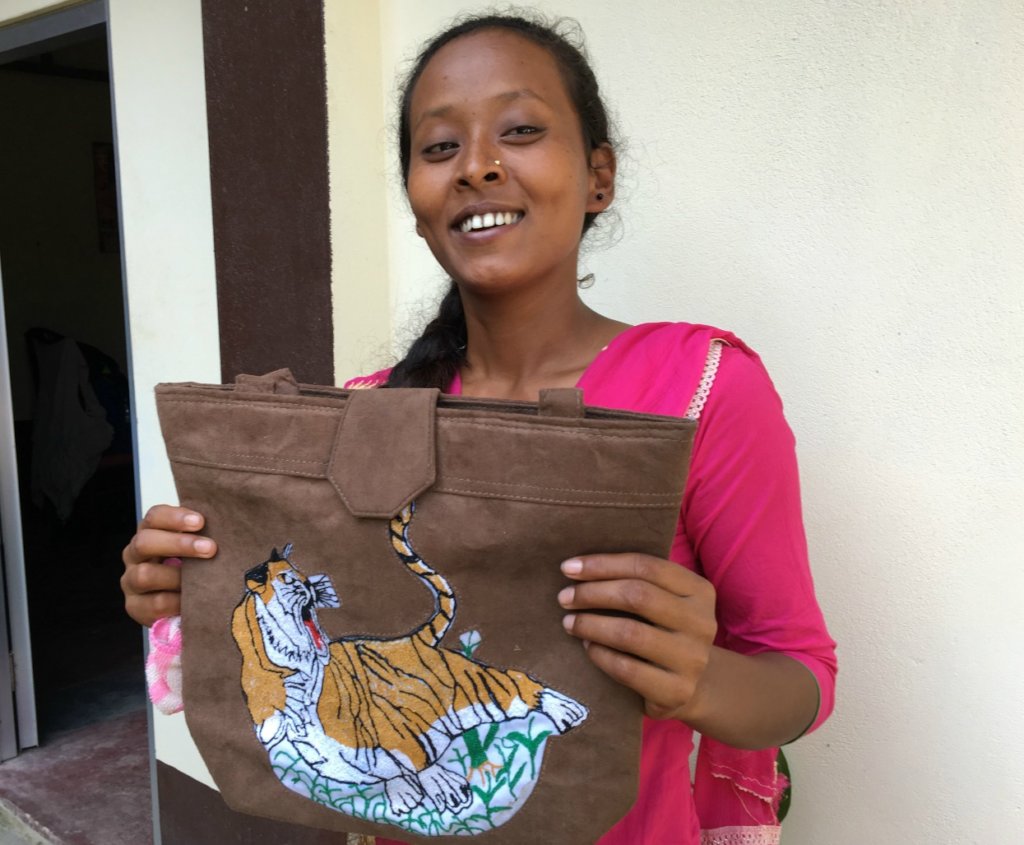
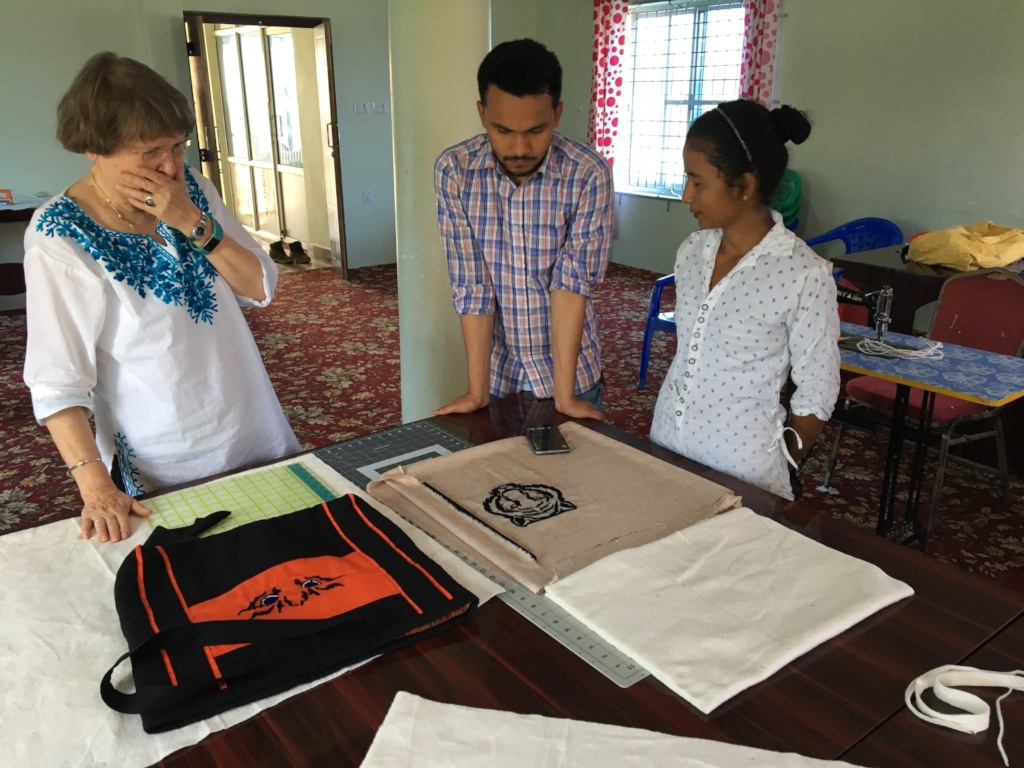
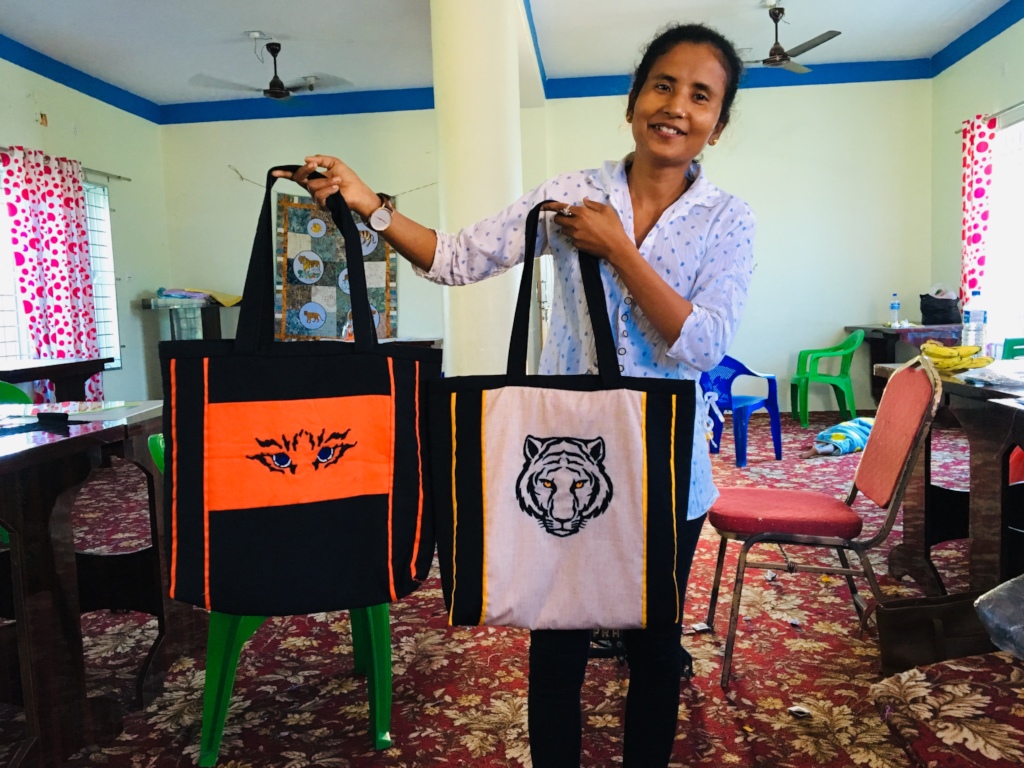
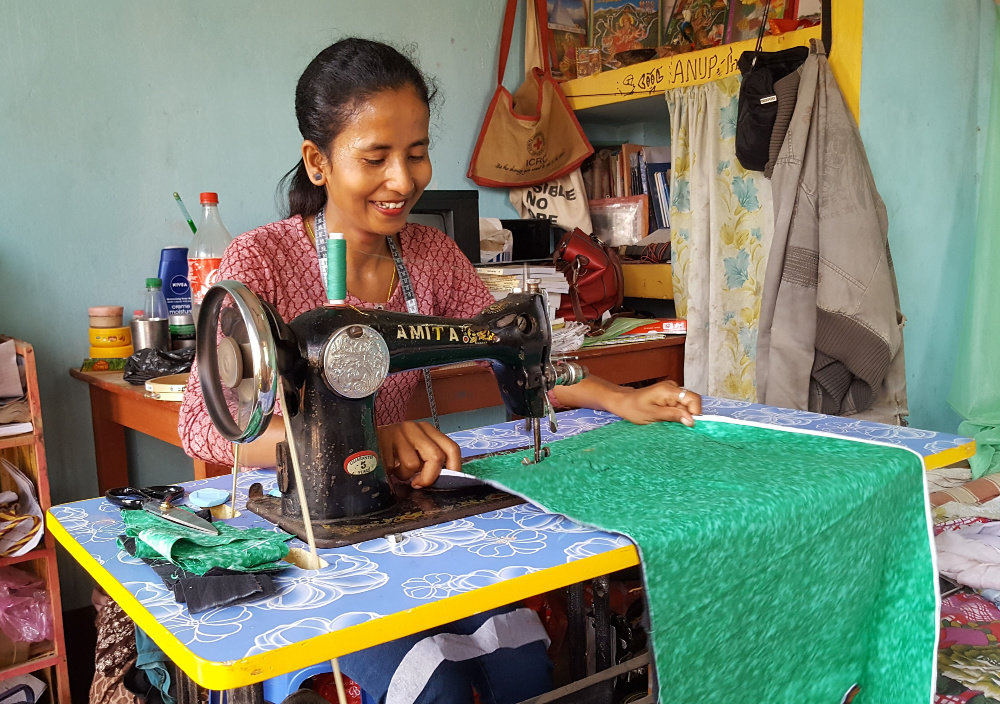
Our second objective this year has been to help the Bardiya cooperative produce tote bags for sale. We have written about this endeavor in past updates. After learning how to embroider memorial squares, the Bardiya ladies wanted to use their skills to earn money. They decided to produce bags in honor of the tigers who live in the nearby Bardiya National Park.
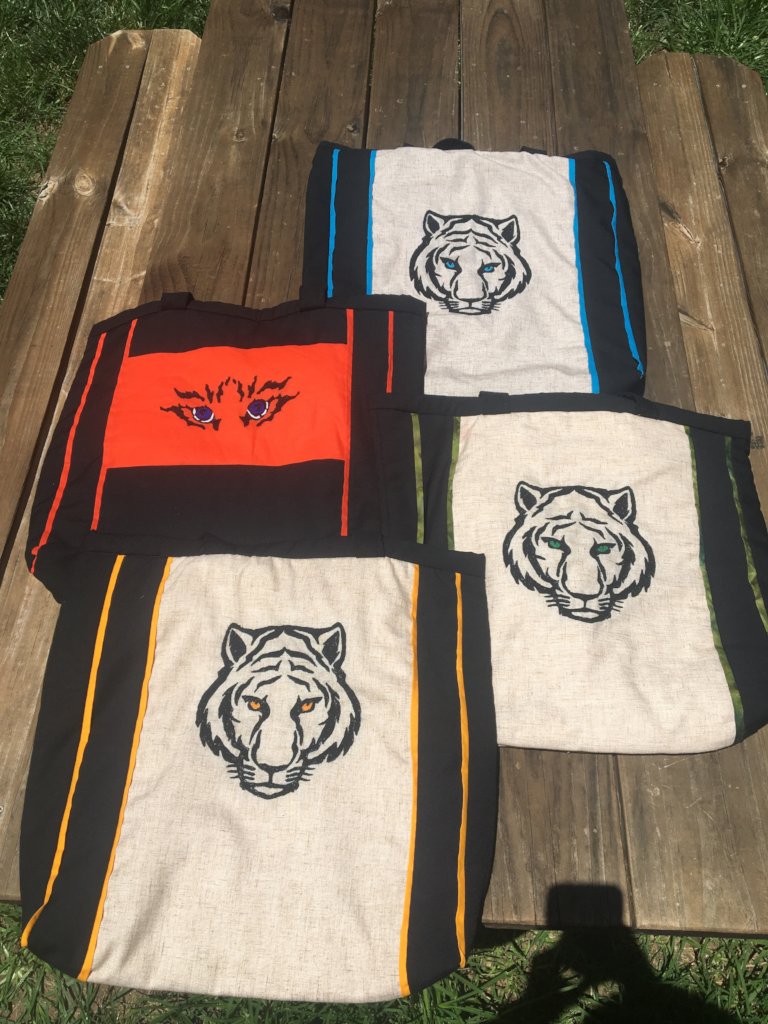
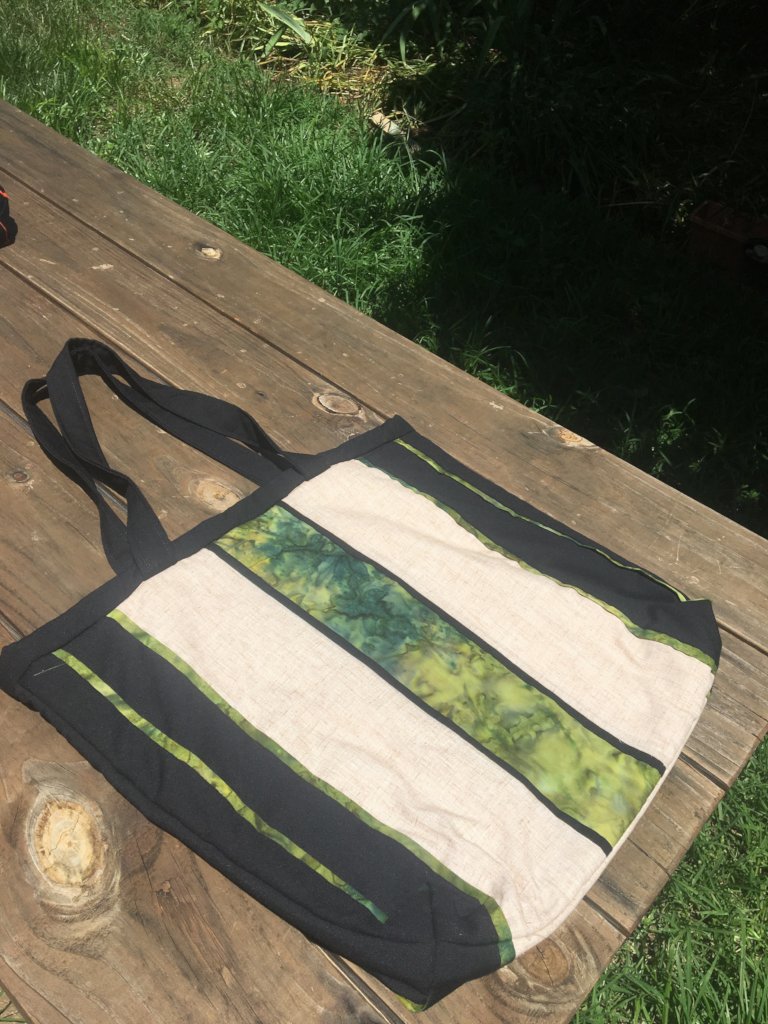
Their first samples were lively, but have failed to sell. As a result, Bobbi worked with Sarita, the head of the cooperative, to produce a new design that has met with wide approval. AP has commissioned 100 bags from the Bardiya cooperative and we hope to start selling them in early 2020. A percentage of the profit will go to a tiger conservation project, yet to be selected. If you would like to order a bag, please send an email to dcoffice@advocacynet.org.
We are pleased with the way this project is helping the Bardiya women achieve three important goals: commemorate their lost relatives; develop a bag-making business; and demand transitional justice that addresses their needs.
None of this is easy. As time passes most Nepalis want to put the conflict behind them, and move on. Not so these family members from Bardiya. They will continue to grieve until they know how their loved ones died and can lay them to rest. Having just observed another anniversary of the 9/11 attacks on the US, we can sympathize. We are certainly in for the long haul.
In gratitude,
The AP Team.
Project reports on GlobalGiving are posted directly to globalgiving.org by Project Leaders as they are completed, generally every 3-4 months. To protect the integrity of these documents, GlobalGiving does not alter them; therefore you may find some language or formatting issues.
If you donate to this project or have donated to this project, you can receive an email when this project posts a report. You can also subscribe for reports without donating.