By RUPA MAJUMDAR | PROGRAM MANAGER
Conservation and Breeding Ecology of Critically Endangered Indian long-billed Vulture (Gyps indicus) at PAVAGADh hills:
Introduction:
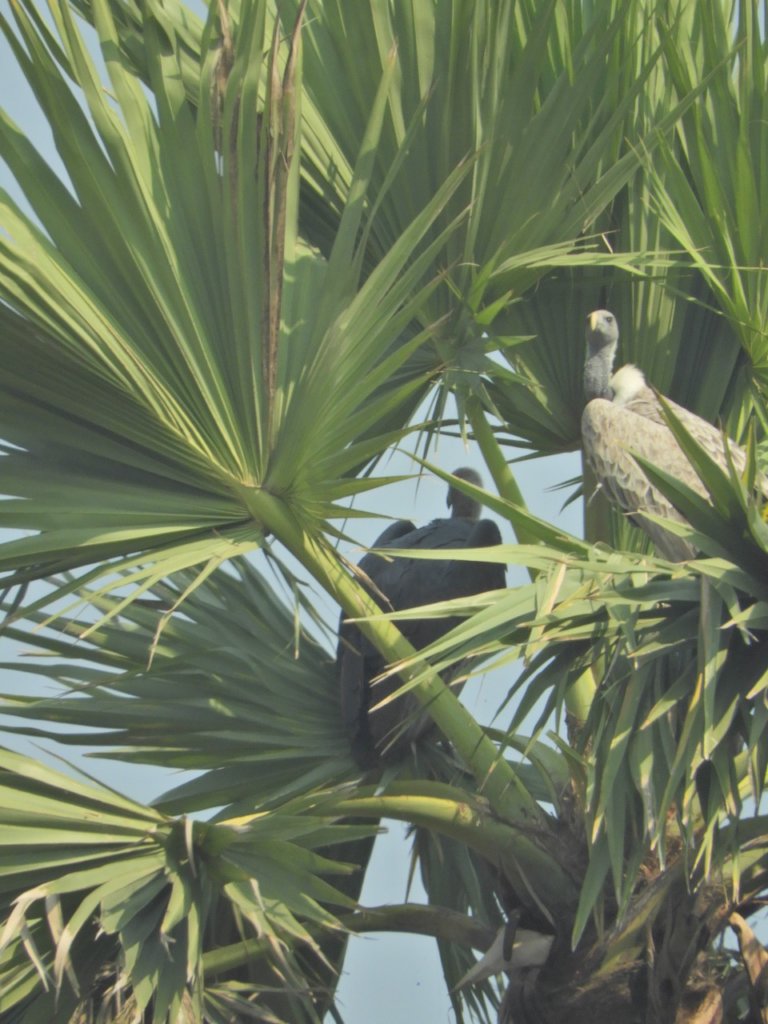
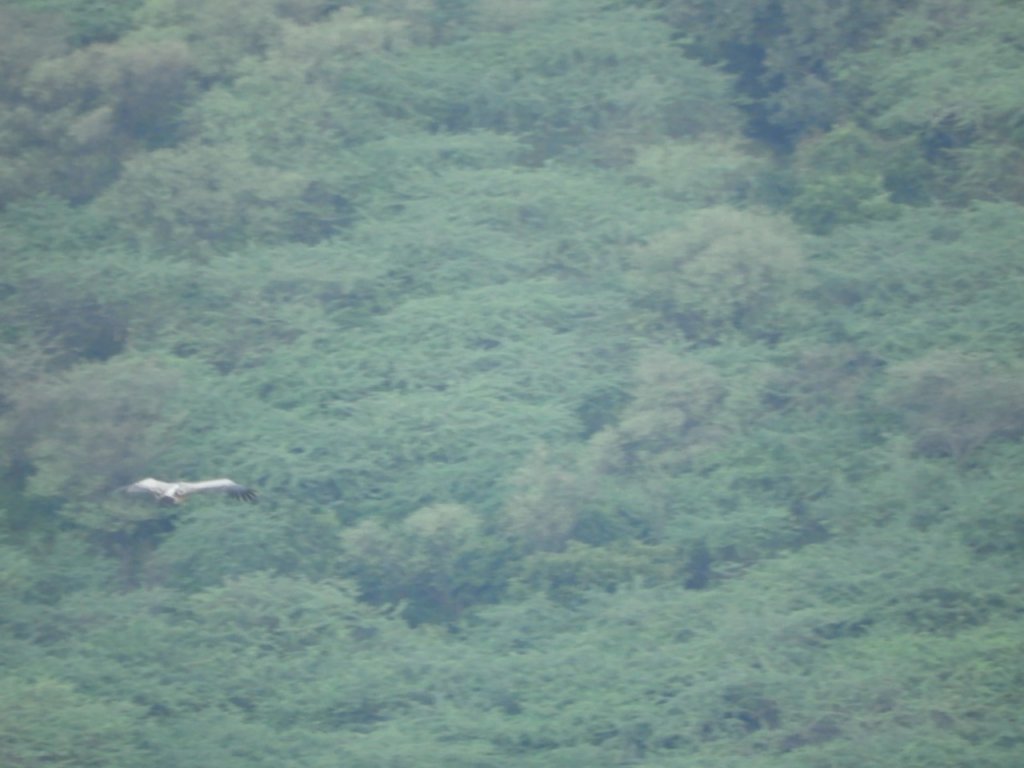
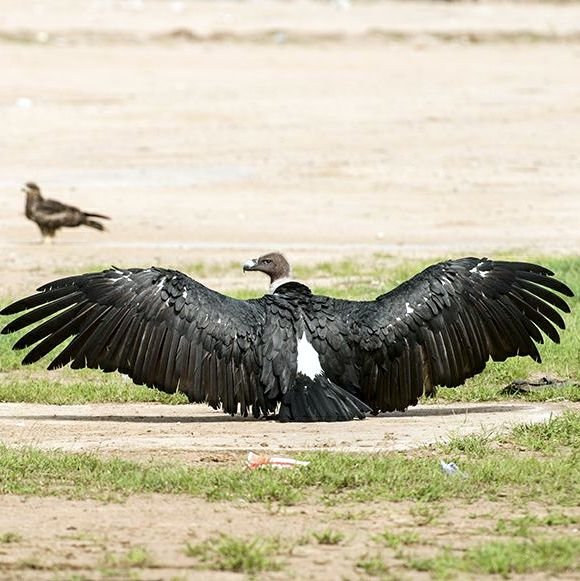
The Indian long-billed vulture (Gyps indicus) is a typical vulture, with bald head, very broad wings and short tail feathers. It is an avian natural scavenger. Its population in the wild has declined by 97% drastically over the past decade in India and by 95% in the entire Asian Continent.
The widespread usage of Diclofenac drug led to this rapid population decline.
Vulture Habitat- Pavagadh cliff :
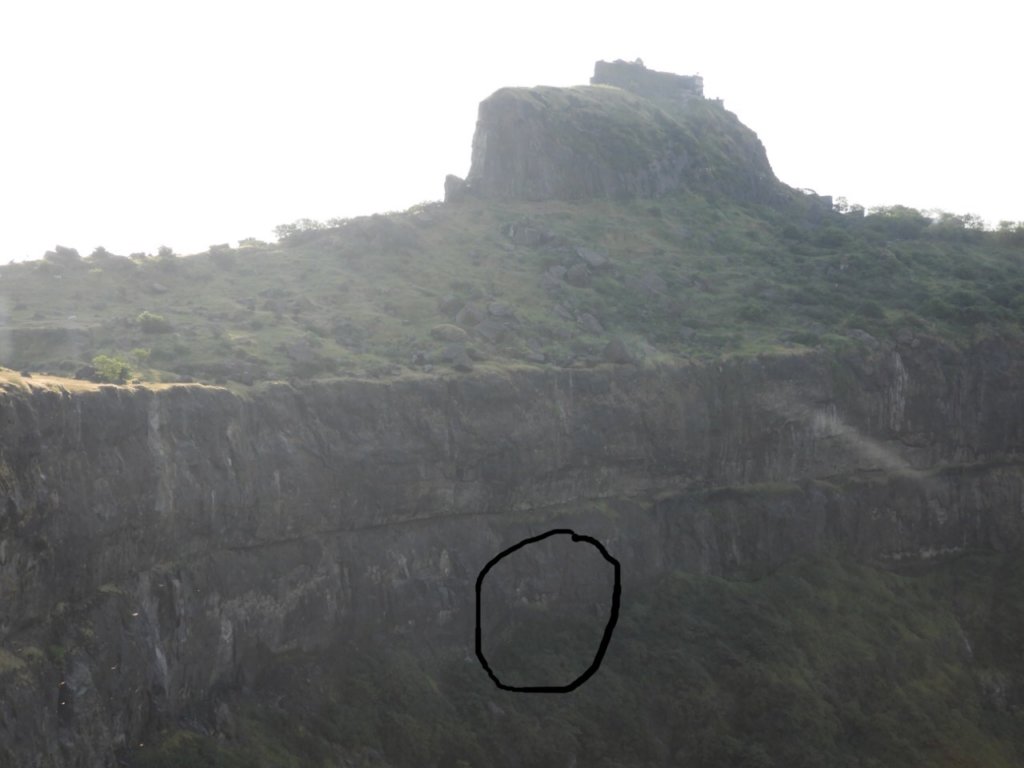
The Pavagadh (Pavakdurga) (22°28’ N; 73°35’E) is situated at a distance of about 47km to the east of Baroda. It is rising in distinct steps with massive but clear cut outline of about 830 mts, above the plain. Breeding colony of Indian long-billed vulture is situated on the southern face of about 830 mtrs meter high elevated rock cliff .
Breeding biology of vulture:-
They are long-lived birds with a life span of up to 30 years recorded in captivity.They mature slowly too and start to breed only at the age of six or seven years.
Importance of the species: -
Vultures are an important component of the ecosystem performing the role as scavengers by consuming dead and decaying animal carcasses, thereby keeping the environment clean and healthy.
Methodology:-
Observations & Results --
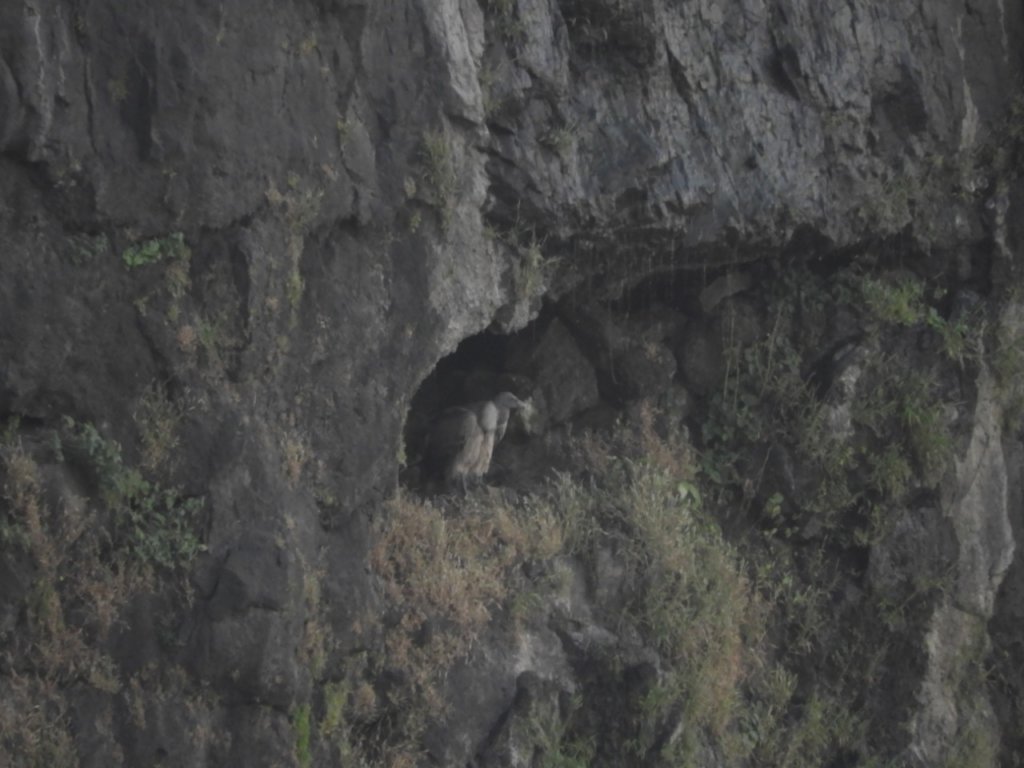
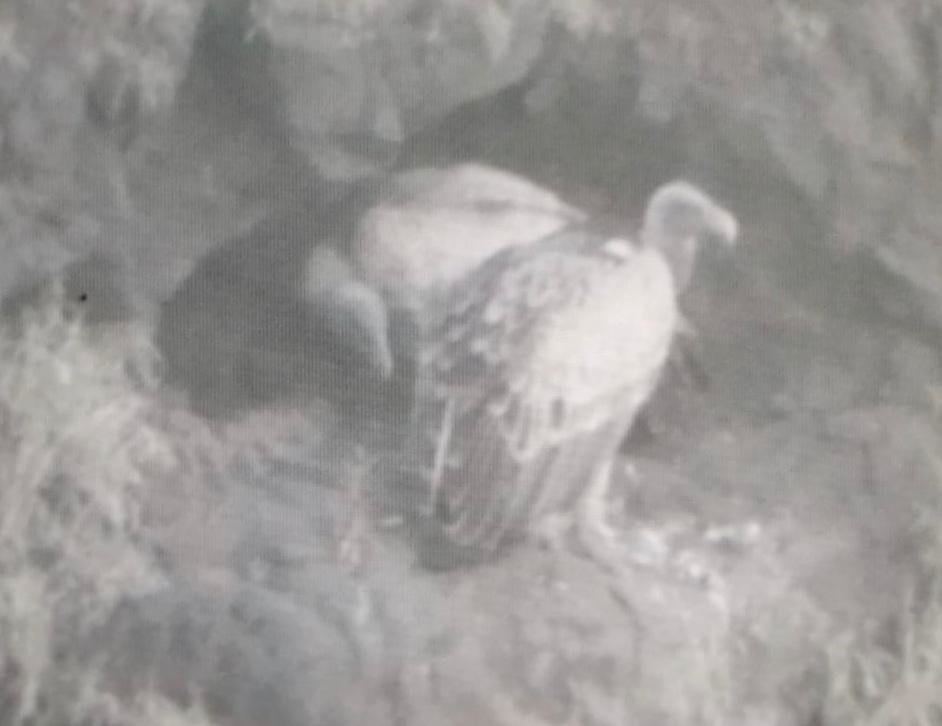
Nests were observed on a steep-sided cliff, located on the southern face of the Pavagadh cliff. The nests were constructed about 90-100 mtr from the ground and were quite inaccessible to humans either from the ground level or from the top of the cliff.
The last week of September, nest construction was observed. All nests were marked and being continuously monitored in the day time. Since a month’s observation showed a positive result of increase in nesting.
November is the breeding and egg-laying period of these Avians. So we are hoping for more increase in nesting and safe egg-laying.
This preliminary data on nesting success of the species is of conservation significance to understand nature and extent of habitat use and decline rate of the species in and around study site.
We have a plan to implement detailed studies to get ecological insights of nesting habitat decline and anthropogenic effects on breeding pairs with effective monitoring tool for long term thrive of the long billed vultures in Pavagadh, Gujarat.
We need your constant support the way you have been giving us in past. Thanks form the bottom of our heart for your donations and support.
Kindly donate generously to enable us to carry on with our efforts to restore the population of endangered long-billed vultures.
Project reports on GlobalGiving are posted directly to globalgiving.org by Project Leaders as they are completed, generally every 3-4 months. To protect the integrity of these documents, GlobalGiving does not alter them; therefore you may find some language or formatting issues.
If you donate to this project or have donated to this project, you can receive an email when this project posts a report. You can also subscribe for reports without donating.