By Rose Siphiwe laDlamini Mrs. Ncongwane | Community member - Herefords Tincatsavaneni
I was a mother who would easily get irritated yet I would never hit my children. I used to have a temper and would talk very harshly to my children and even call them names. I would shout at my children and sometimes my husband would join in and also shout at them.
As a result one of my boys was scared of me. If he needed something for school he would be afraid to ask. Sometimes they would send him home because he did not have a pencil when I always have pencils at home. He was just afraid that I would shout.
Coming to Vusumnotfo for classes helped me because it placated my temper and I now have a good relationship with my child. He is now more comfortable sitting next to his father and me, talk about his needs and things he has seen while playing with his friends or around the community.
He has not been doing well at school as he would repeat classes, but now he talks about school and what he wants to become when he is older. He says he wants to pass so that he gets out of Primary level before he becomes the only one who is as tall as he is. He even reminds me to take my medication.
For all that I thank Vusumnotfo for giving me the opportunity to come here and learn about parenting.
-----------------------------------------
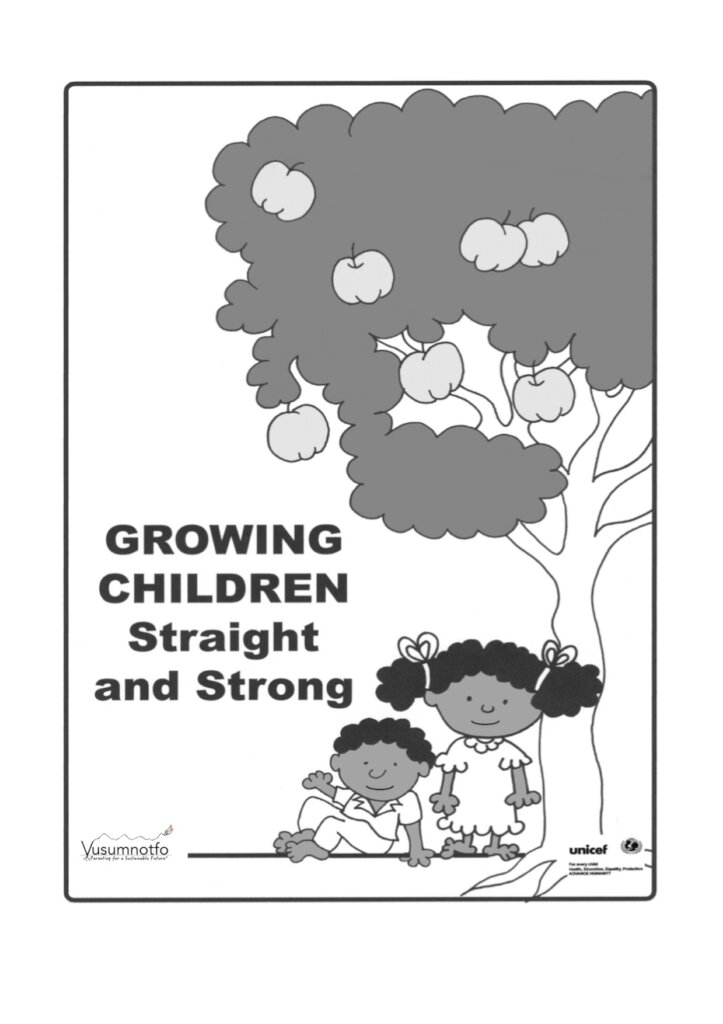
This story was collected from a community member in northern Hhohho, Eswatini who participated in Vusumnotfo’s Activity 1.1. Growing Children Straight and Strong.
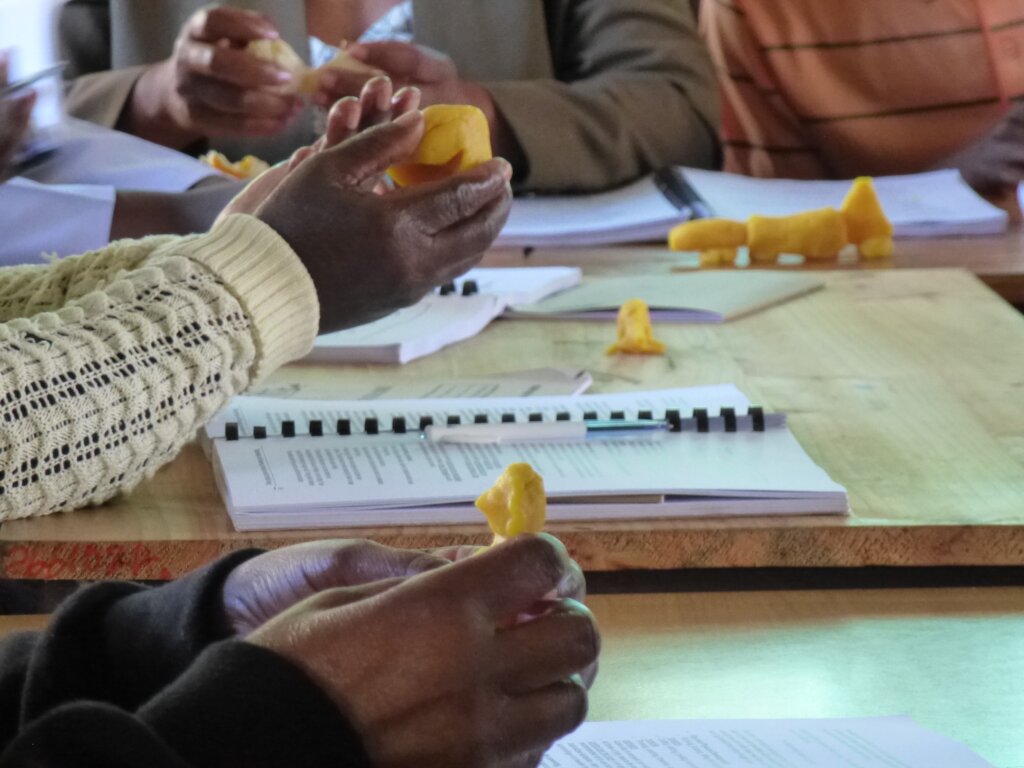
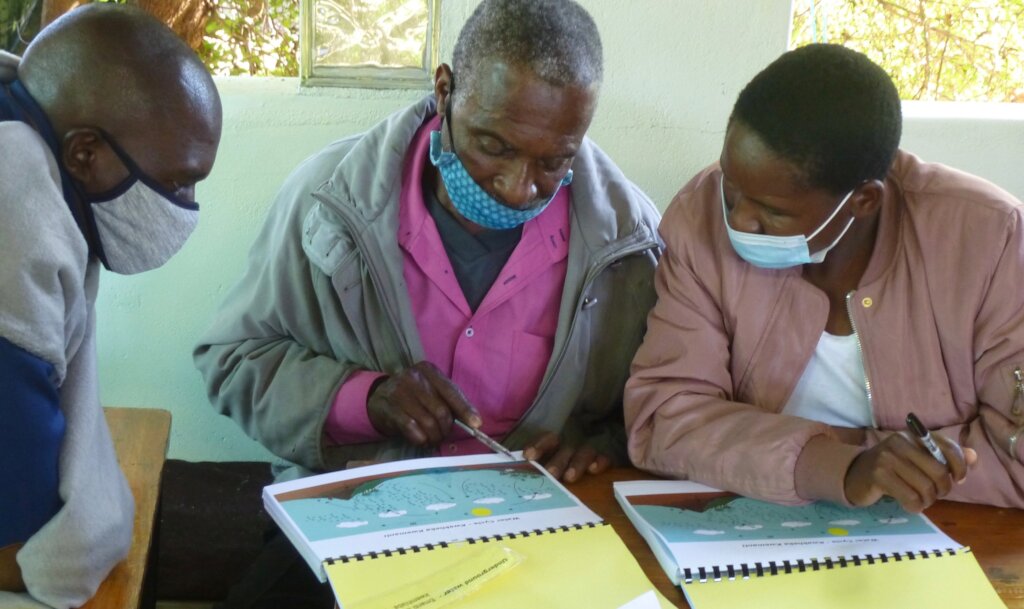
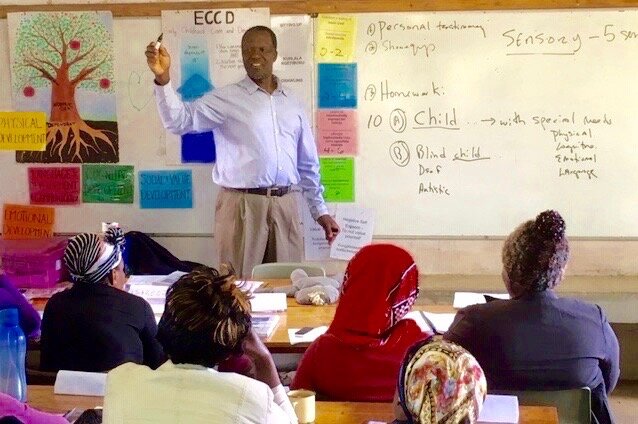
The objective of this training is for participants to understand the basic concepts of how young children develop and learn, so that they can apply these concepts within the reality of their situations (instead of prescribing any specific style of parenting).
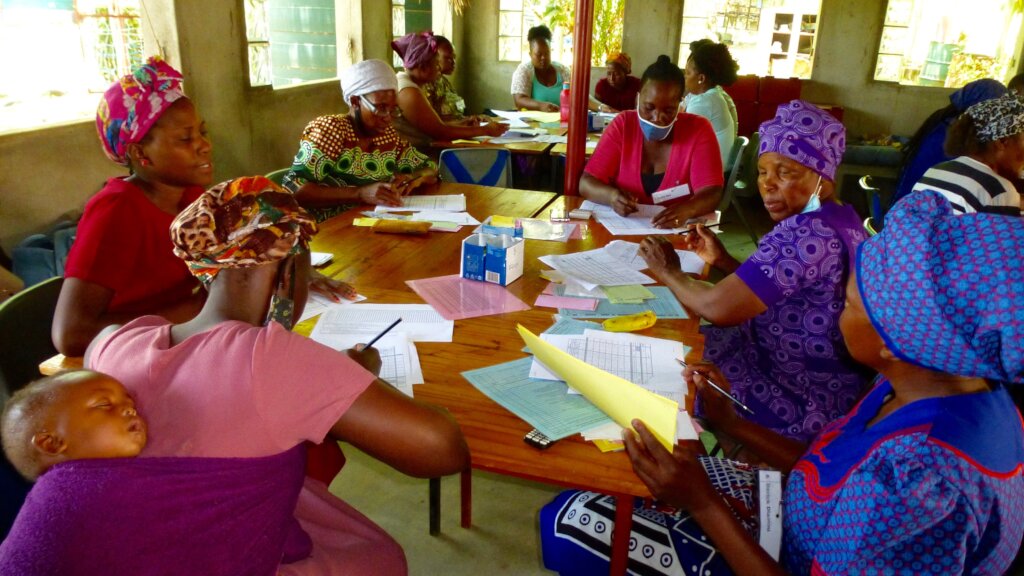
Training covers the following topics in a five-day workshop format:
Chapter 1 - Basic Concepts of Early Childhood Care & Development
Chapter 2 - Growth Promotion and Development
Chapter 3 - Hygiene and Safety
Chapter 4 - Home Management of Illness
Chapter 5 - Emotional Development of a Child
Chapter 6 - Language Development and Communication
Chapter 7 - How a Child Learns
Chapter 8 - Social and Value Development of a Child
Chapter 9 - Practices that Protect a Child from Abuse and HIV
Chapter 10 - When Death Touches a Young Child’s Life
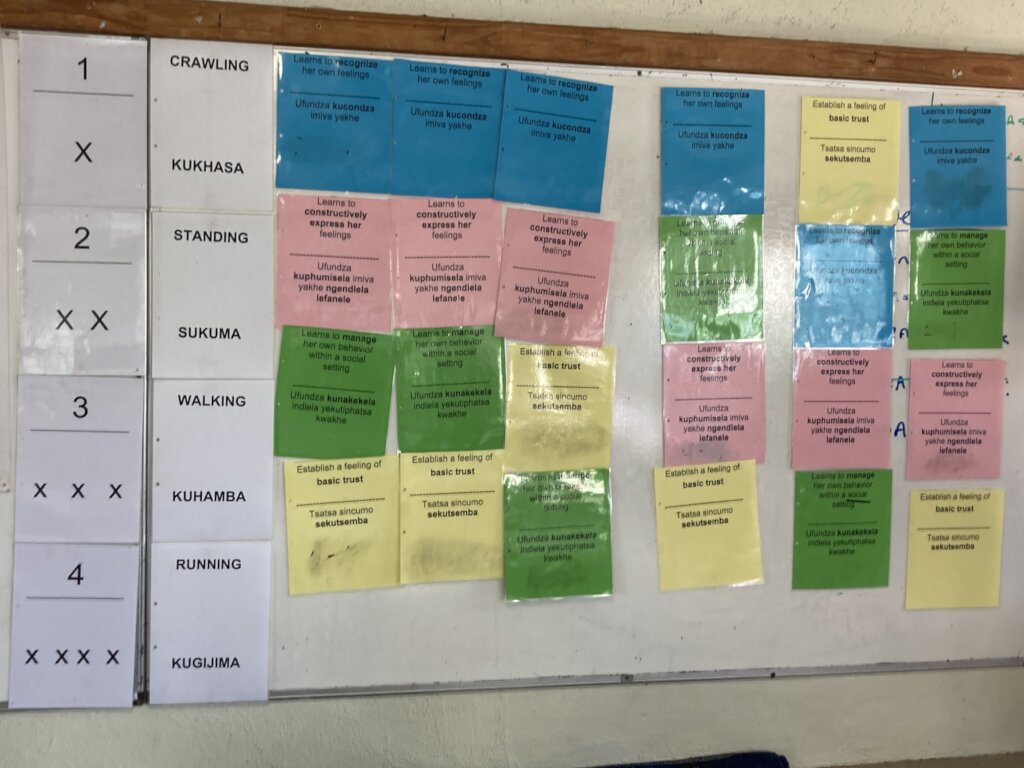
Chapter 11 - Developmental Milestones (Age 0 to 8)
Chapter 12 - Practical Advice for Parenting
Chapter 13 - Supporting the Development of Children in your Community
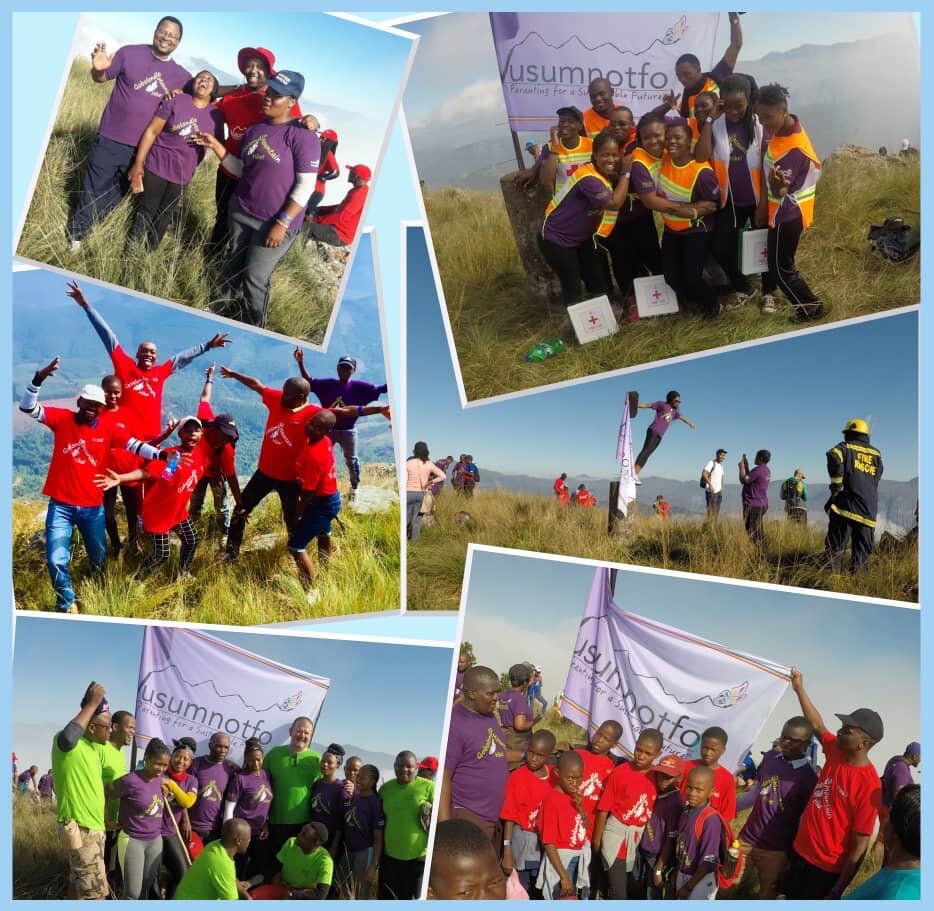
As Vusumnotfo defines “parenting” as an action, instead of a biological relationship or person, participants are drawn from the community at large, representing a mixed audience of young and old, male and female, parents and extended family members.
This story gives a window into current understanding and practices towards young children in rural Eswatini. More importantly, this story indicates a clear shift in attitude towards, understanding of, and interaction with, young children.
This positive shift is in line with a wide body of research indicating that the single most important determinant of early childhood development and education is the quality of interaction between a child and its caregivers, with a focus on the needs of the child.
-----------------------------------------
This story was collected using Most Significant Change methodology. MSC is a participatory methodology that aims to collect and analyze information on change that may have occurred because of the implementation of an activity. It focuses on the changes that participants believe has been most important – that is, what the most significant change has been, from the participant’s point of view.
After telling their story in siSwati, Vusumnotfo transcribes the recordings. In the second session, their written siSwati storiesare read back to each participant so as to confirm if it reflected that they wanted to say.
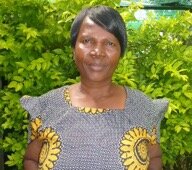
In the third session, the final edited, polished story was read back for confirmation. The signature and photo of each participant confirms that the story correctly reflects what they said and that they are OK with sharing their stories.
Project reports on GlobalGiving are posted directly to globalgiving.org by Project Leaders as they are completed, generally every 3-4 months. To protect the integrity of these documents, GlobalGiving does not alter them; therefore you may find some language or formatting issues.
If you donate to this project or have donated to this project, you can receive an email when this project posts a report. You can also subscribe for reports without donating.



Support this important cause by creating a personalized fundraising page.
Start a Fundraiser