By Paulomi Bhattacharyya | CREATE! co-Executive Director and Project Leader
Dear Friends of CREATE!,
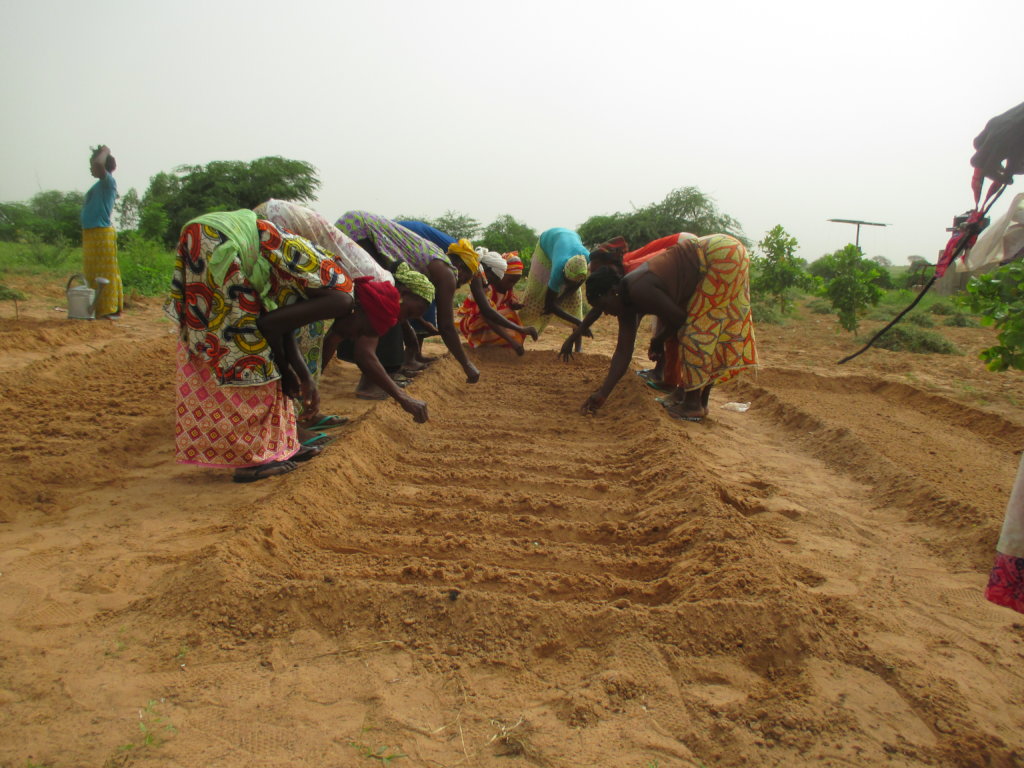
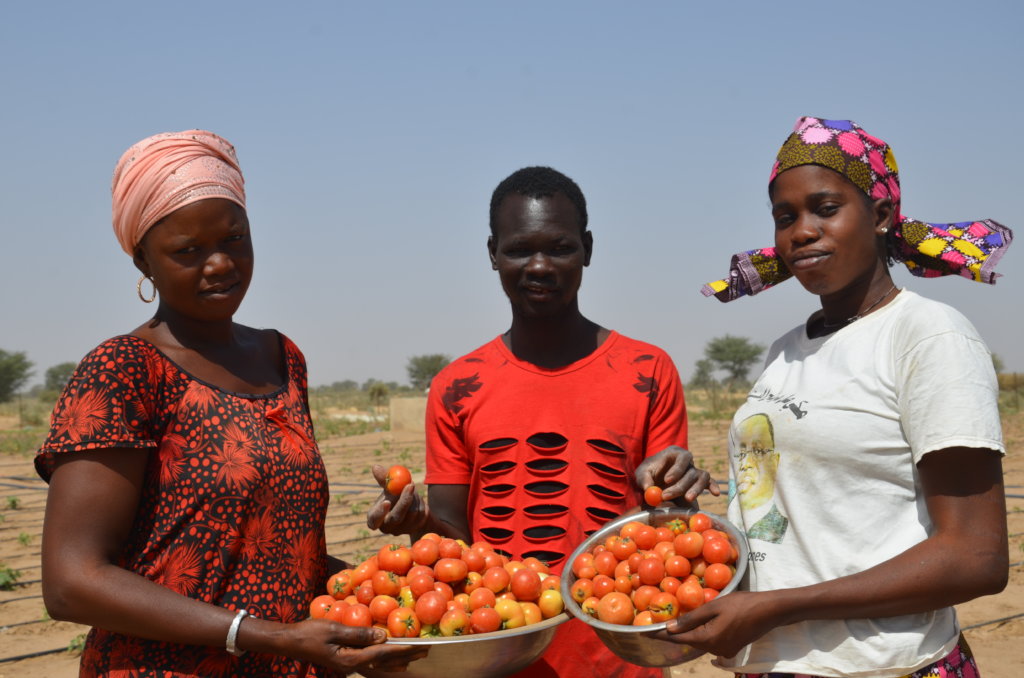
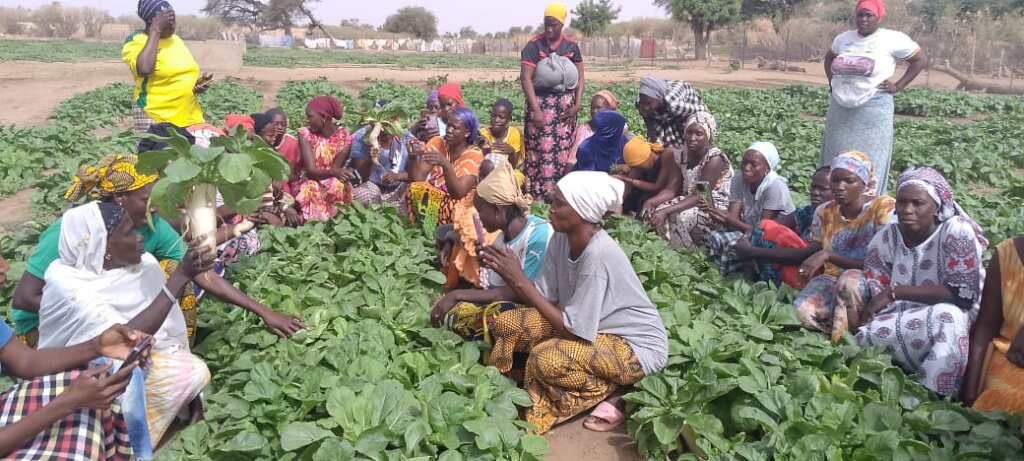
As we embrace the beginning of summer here in the US, our partner communities in Senegal are already facing temperatures as high as 105 F and more. This heat notwithstanding, communities are continuing their work in their gardens, producing vegetables that are a source of nutrition and income. One such community is Loumbeul, located in the Linguere region of Senegal. CREATE!’s 23rd partner community, Loumbeul signed a memorandum of understanding with us in December 2024 and by March 2025, they had already started planting seeds in their cooperative garden.
Have you ever wondered though exactly how these gardens are set up? What goes behind their design that makes them a success and a place for the women to gather even during the very hot days? If you have, then let me walk you through that process today with Loumbeul.
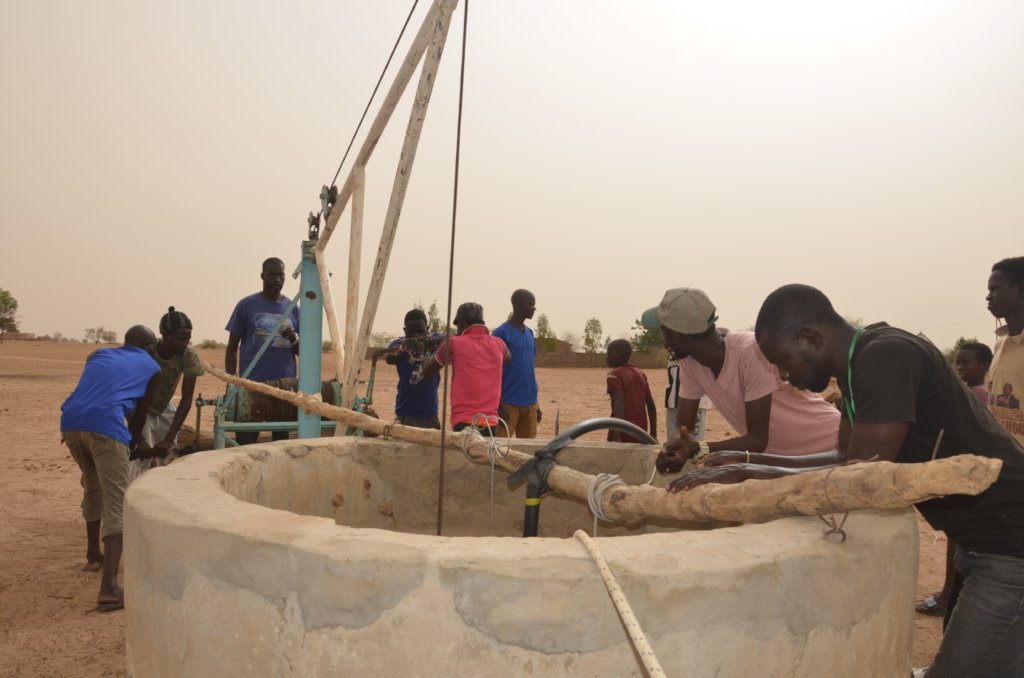
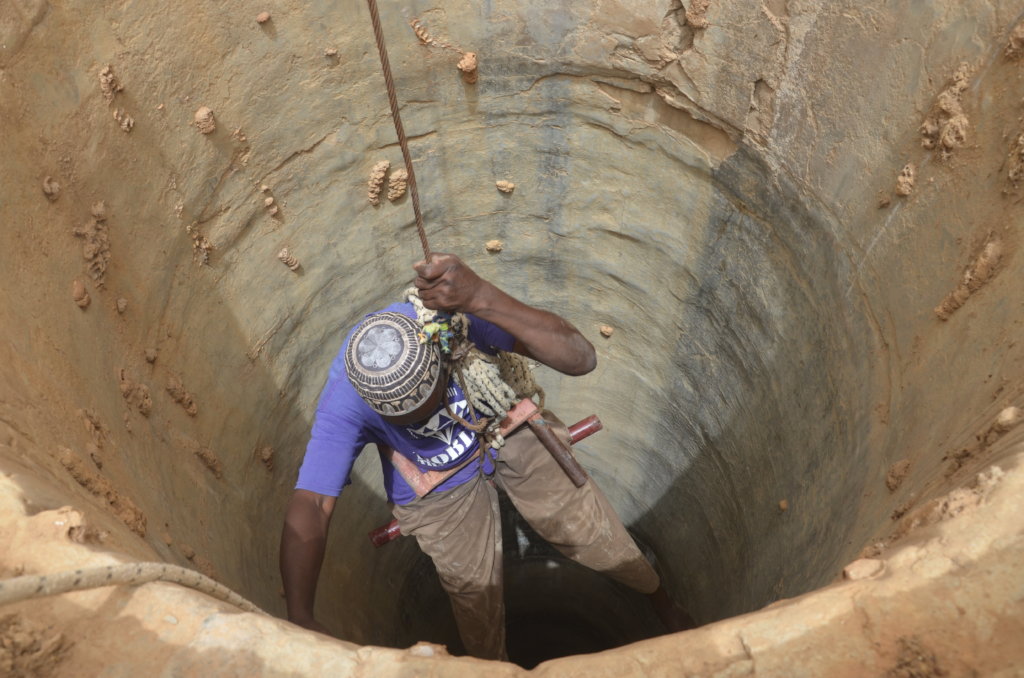
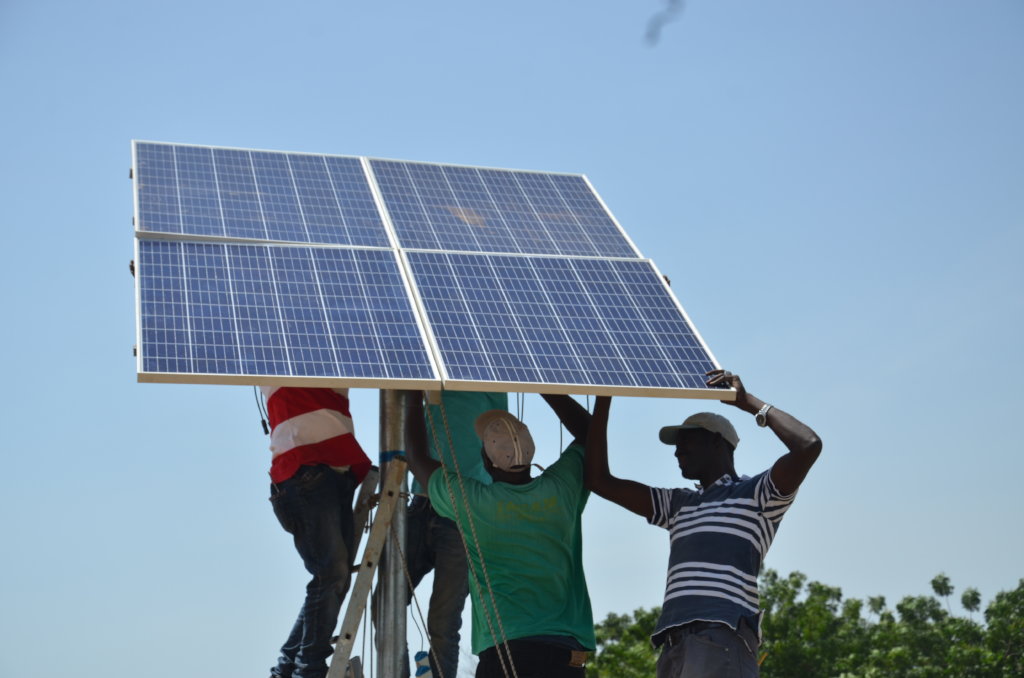
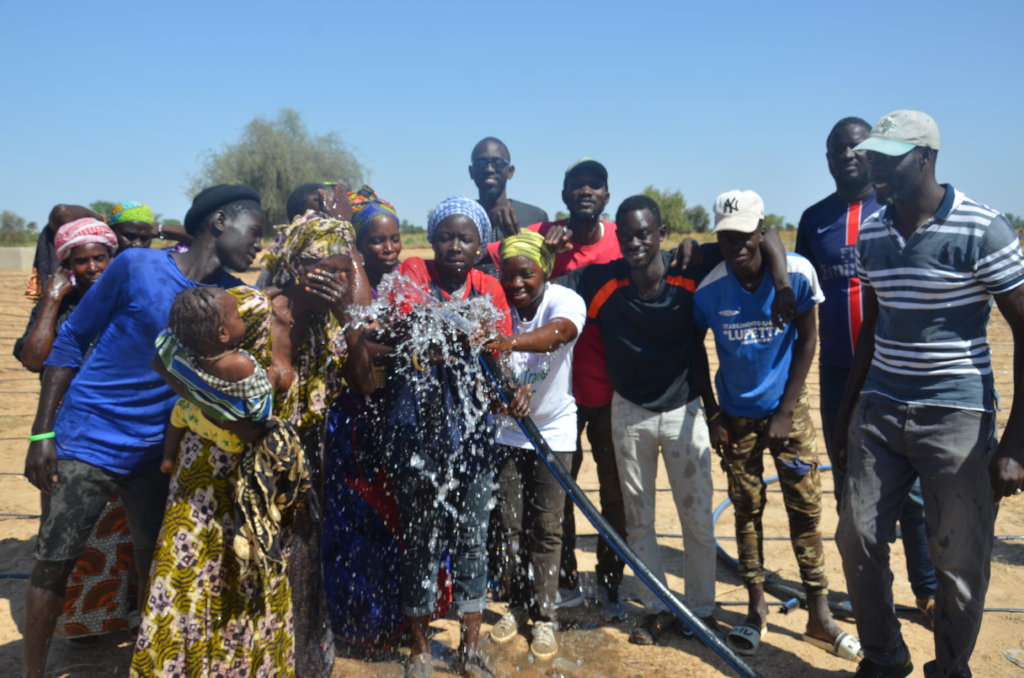
Once the well in Loumbeul was rehabilitated and water was flowing with help of the solar powered pumping system, the women from the community gathered with the CREATE! team to effectively plan and implement the garden design itself. The first thing they did was clear and fence the area. Once the land was delineated, the community worked to fence the area using sustainable materials. While wood blends well with the landscape, it requires regular maintenance. That is why, the community opted for metal posts and wire mesh. This demarcation of the land is an important step to not only give the garden a structure but to also protect the crops from animals and other pests. Once the community starts gardening in earnest, they will plant hedges and trees around the wire meshes that will grow to become living fences, protecting not only against animals but also the hot dry harmattan winds.
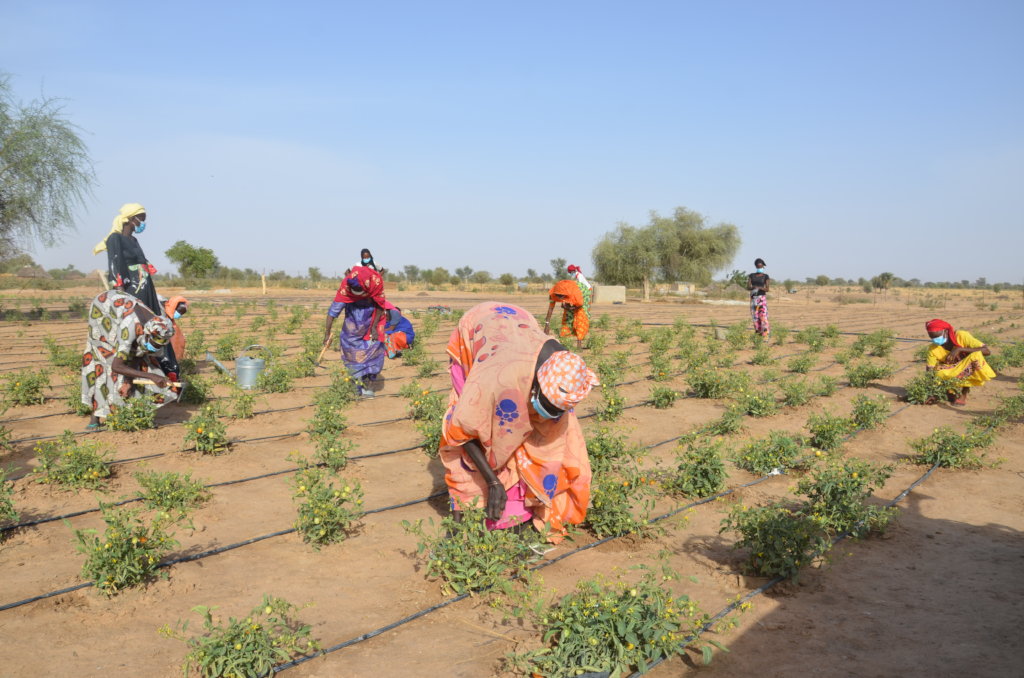
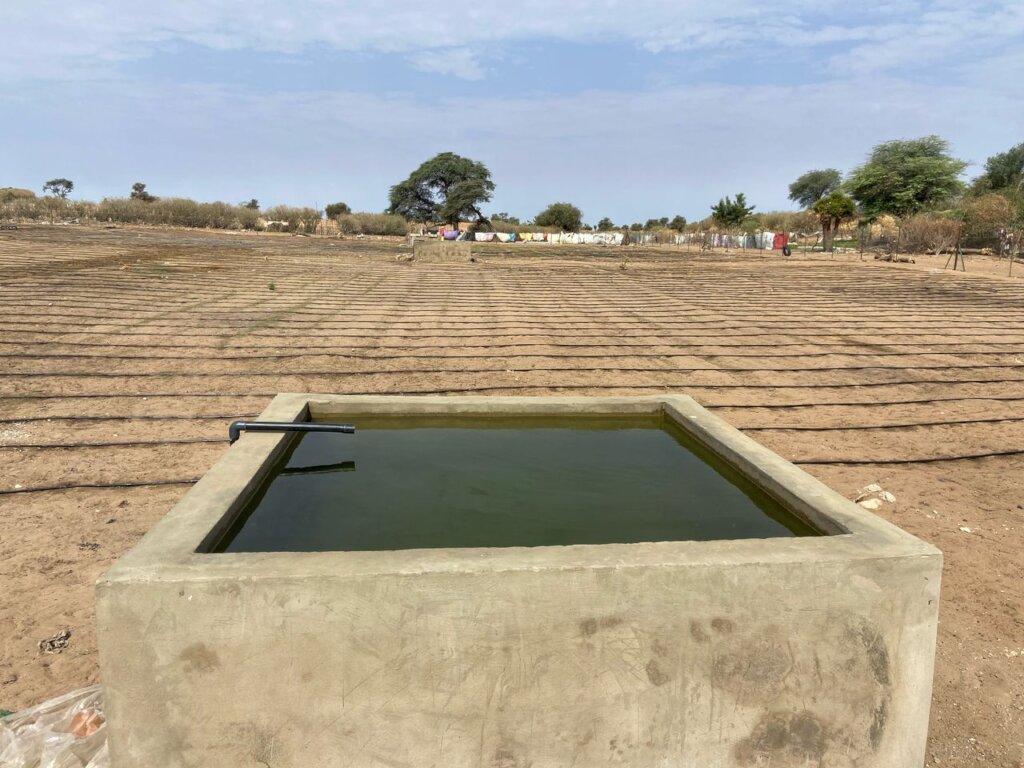
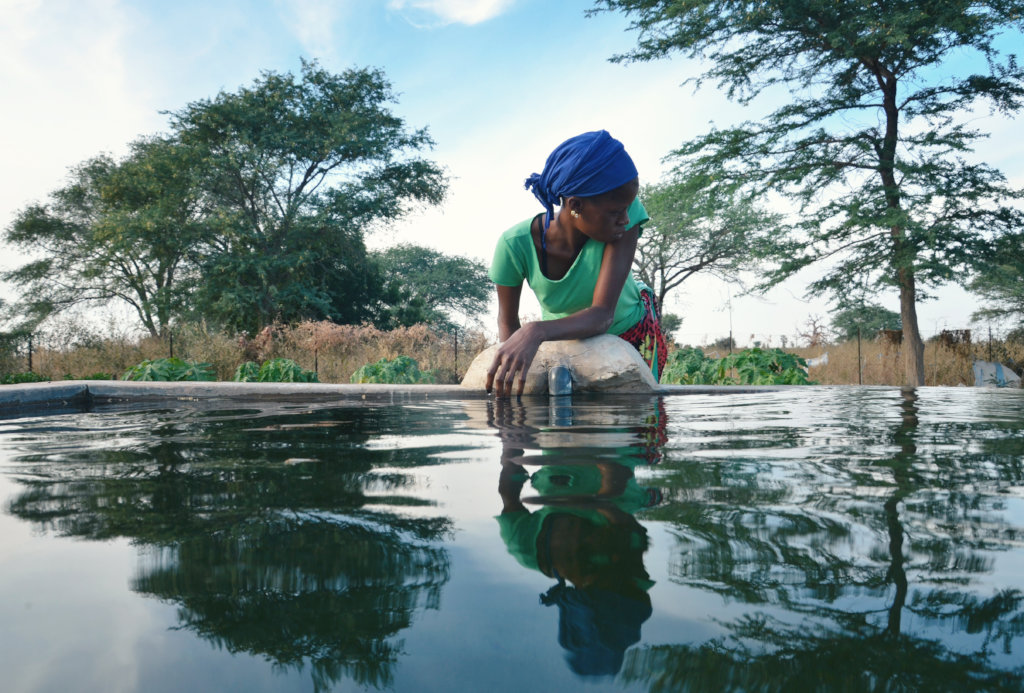
Following the fences, the community started installing the gravity fed irrigation system which included a reservoir and six water basins as well as drip irrigation. The 5000 liter water reservoir was placed on a platform build for this purpose and the water basins were spread out across the field where they were sheltered from strong winds and were away from existing tree roots. The drip irrigation system covered the rest of the field. The whole system was set up such that the women could use both to water their plants. The plant nurseries which are manually watered were set up near the basins for easy watering by the women. The main plant beds were set up along the drip system to optimize irrigation, reduce water loss and improve crop productivity. Once the irrigation system was installed, the women were ready to start planting. Seeds were purchased keeping in mind Loumbeul’s climate and soil conditions to maximize crop success.
The women from the community of Loumbeul started their cooperative garden officially on March 10th, 2025 and planted turnips and onions.They are now being trained on water management, on monitoring the seeds for proper germination, and on crop rotation which is necessary to maintain good soil health. Their garden has been set up with plant nurseries and beds to not just be aesthetically pleasing, but also based on the irrigation system. Later this year, the community will plant tree saplings within the garden in ways that will provide the women with shade in the later years while they work in their garden.
The community of Loumbeul took a significant step this year with the start of their cooperative garden activities with prospects of long-term success if they follow the good practices and make necessary adjustments as required by local conditions. This change was possible because of your continued support of our work and for that, we extend our heartfelt thanks to you. Your contributions enable us to continue our work, promoting resilience and sustainable development in all our partner communities like Loumbeul.
Links:
Project reports on GlobalGiving are posted directly to globalgiving.org by Project Leaders as they are completed, generally every 3-4 months. To protect the integrity of these documents, GlobalGiving does not alter them; therefore you may find some language or formatting issues.
If you donate to this project or have donated to this project, you can receive an email when this project posts a report. You can also subscribe for reports without donating.



Support this important cause by creating a personalized fundraising page.
Start a Fundraiser