By Paulomi Bhattacharyya | Project Leader
Dear Friends of CREATE!,
As we begin a new year, we would like to extend our heartfelt thanks for your generous support, which has enabled us to continue our vital partnerships with rural communities in Senegal and support them in sustaining and improving their lives and livelihoods. Each community’s journey with CREATE! spans four years of direct collaboration, moving through carefully designed stages that lay the foundation for long-term sustainability. In this report, I would like to walk you through some of those key steps undertaken over the past year by the women of our partner community, Keur Mandongo.
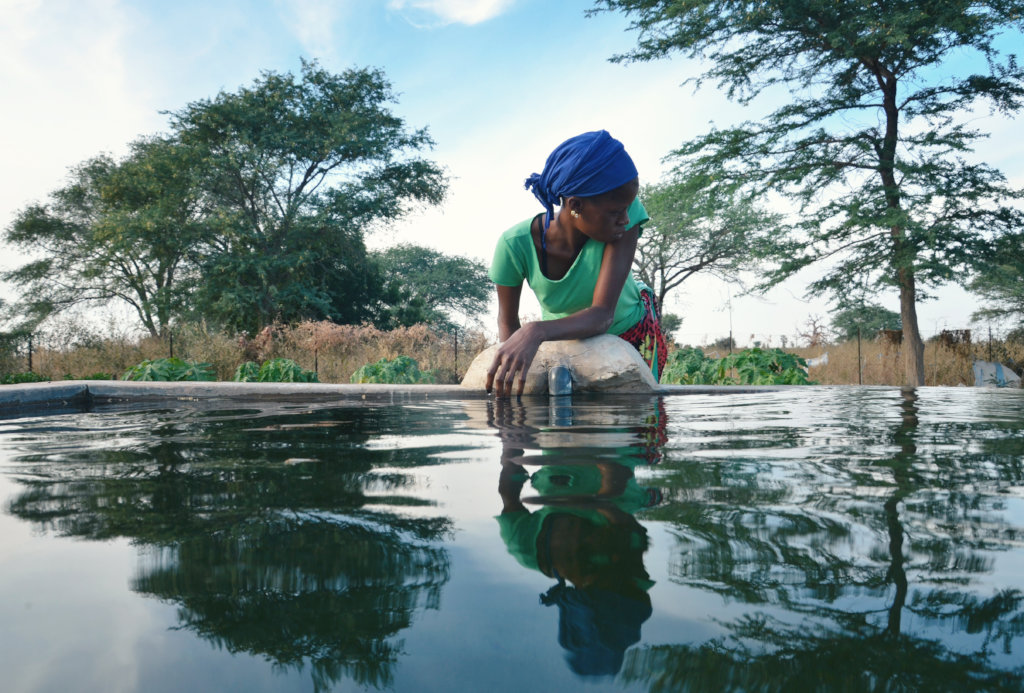
The Keur Mandongo community garden was established in 2025 to promote sustainable agricultural practices and improve local food security. Over the course of the year, the women learned how to prepare their garden site, cultivate a diverse range of crops in line with recommended agricultural practices, and harvest and sell their produce in local markets. A critical first step in this process was the preparation of organic compost to improve soil quality. The women were trained to separate organic waste—such as kitchen scraps and animal manure—from non-compostable materials and to create compost piles within the garden. By alternating layers of nitrogen-rich “green” materials with carbon-rich “brown” materials, ensuring moderate watering, and regularly aerating the piles to promote oxygenation, they produced nutrient-rich compost ready for use as fertilizer.
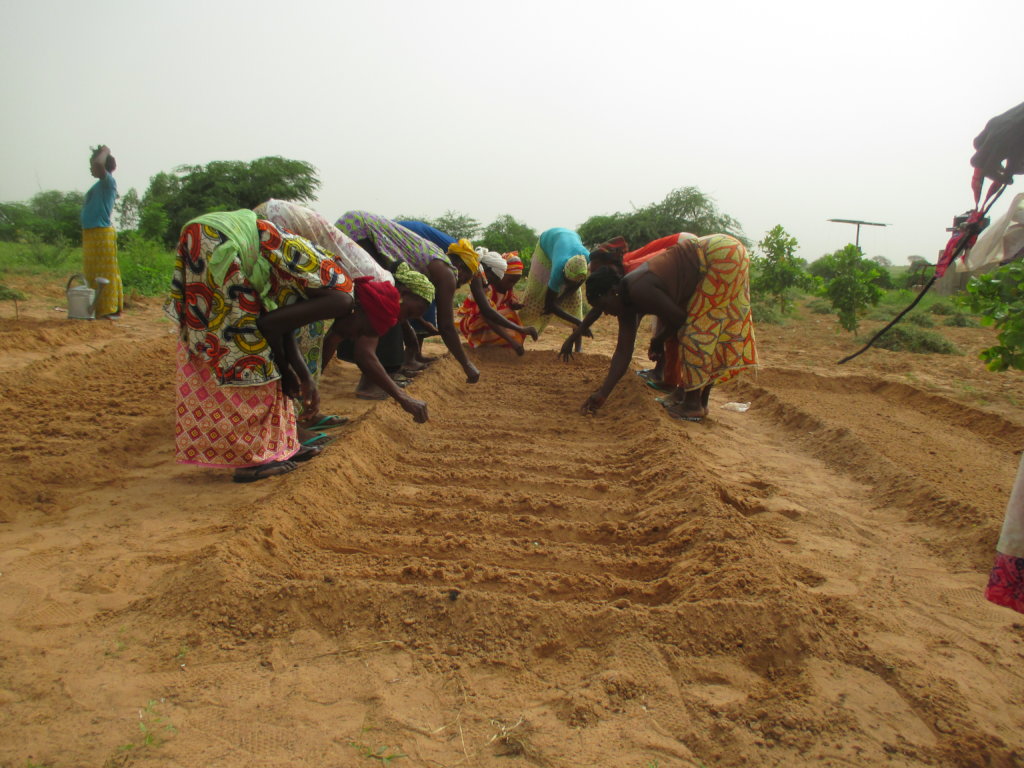
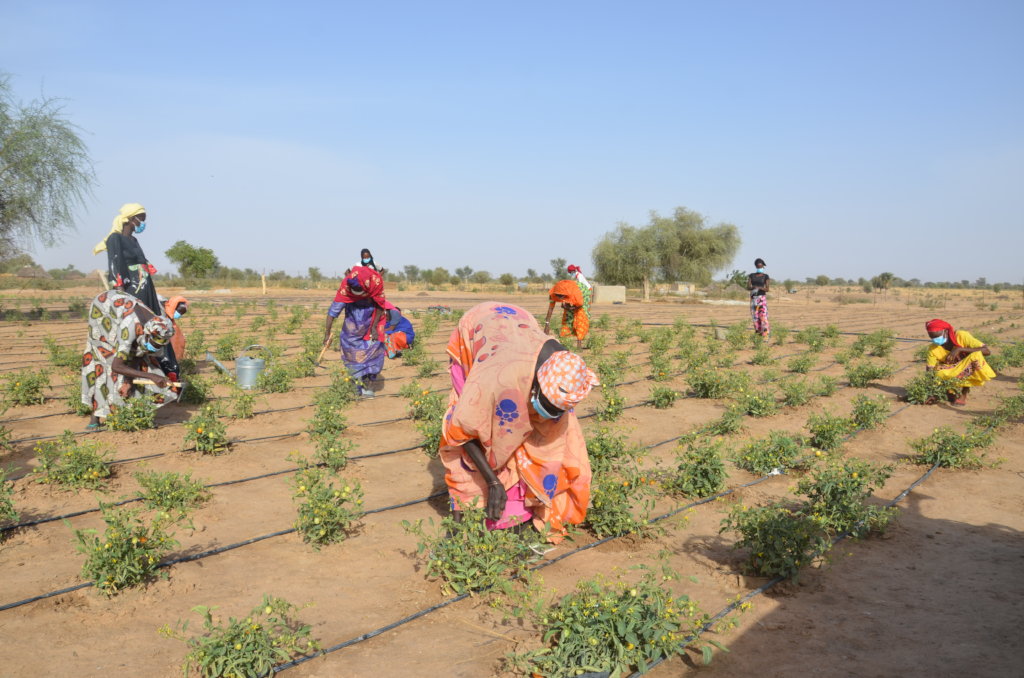
The next stage focused on preparing vegetable beds and planting or transplanting seeds and saplings. The women marked out their plots according to recommended crop spacing, created planting holes using hand-held hoes, and enriched each hole with compost they had produced themselves. Once the beds were prepared, they planted a variety of crops, including chili peppers, eggplants, turnips, butternut squash, and okra, among others. They also learned to align planting schedules with seasonal calendars and local market demand, allowing them to plan ahead and ensure continuous production and year-round harvests. Through rigorous monitoring and regular maintenance, the women were able to achieve strong yields at each harvest period.
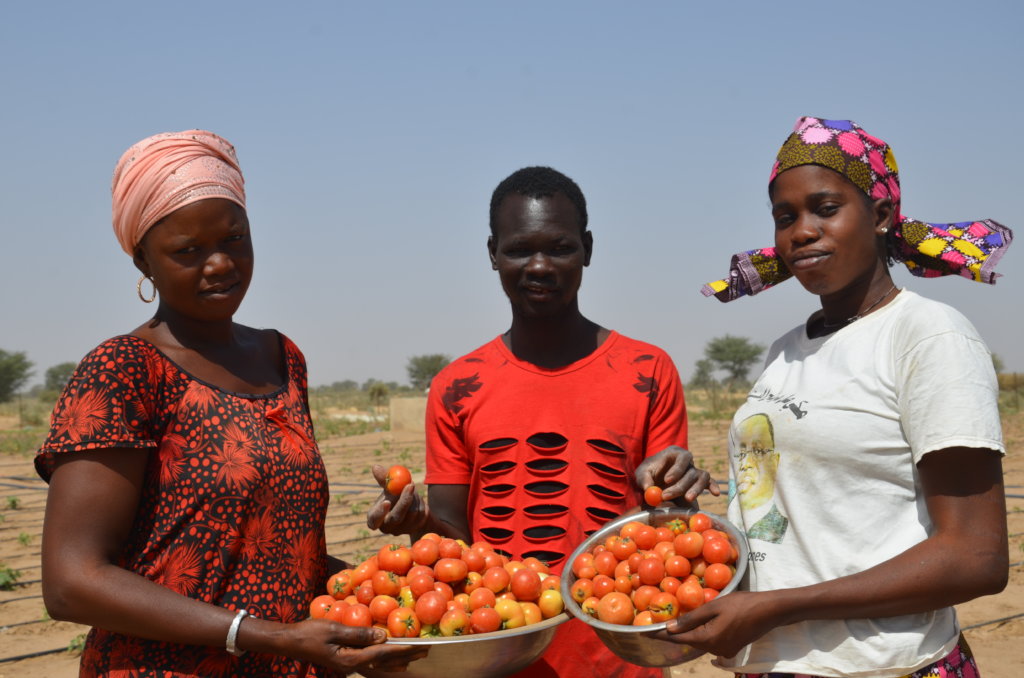
At harvest time, the women formed a harvest and sales committee responsible for overseeing both collection and sales in local weekly markets, which serve as their primary sales channel. These markets allow the women to sell directly to customers, eliminating intermediaries and increasing profit margins. Selling their produce locally has also improved product visibility and recognition while stimulating the local economy. In addition, the women exchanged or sold vegetables among themselves, further strengthening community solidarity.
With the support of their technical supervisor, the women of Keur Mandongo successfully navigated all of these steps in 2025, demonstrating remarkable commitment and perseverance. Their motivation has been reinforced by tangible results—higher vegetable yields, increased recognition within the community, and initial income from sales. These achievements have strengthened their determination to continue improving their agricultural practices and to make Keur Mandongo a benchmark for local agroecology. This progress is possible because of the continued support of donors like you. From all of us at CREATE!, and from the women of Keur Mandongo, thank you for making this journey possible.
Links:
Project reports on GlobalGiving are posted directly to globalgiving.org by Project Leaders as they are completed, generally every 3-4 months. To protect the integrity of these documents, GlobalGiving does not alter them; therefore you may find some language or formatting issues.
If you donate to this project or have donated to this project, you can receive an email when this project posts a report. You can also subscribe for reports without donating.



Support this important cause by creating a personalized fundraising page.
Start a Fundraiser