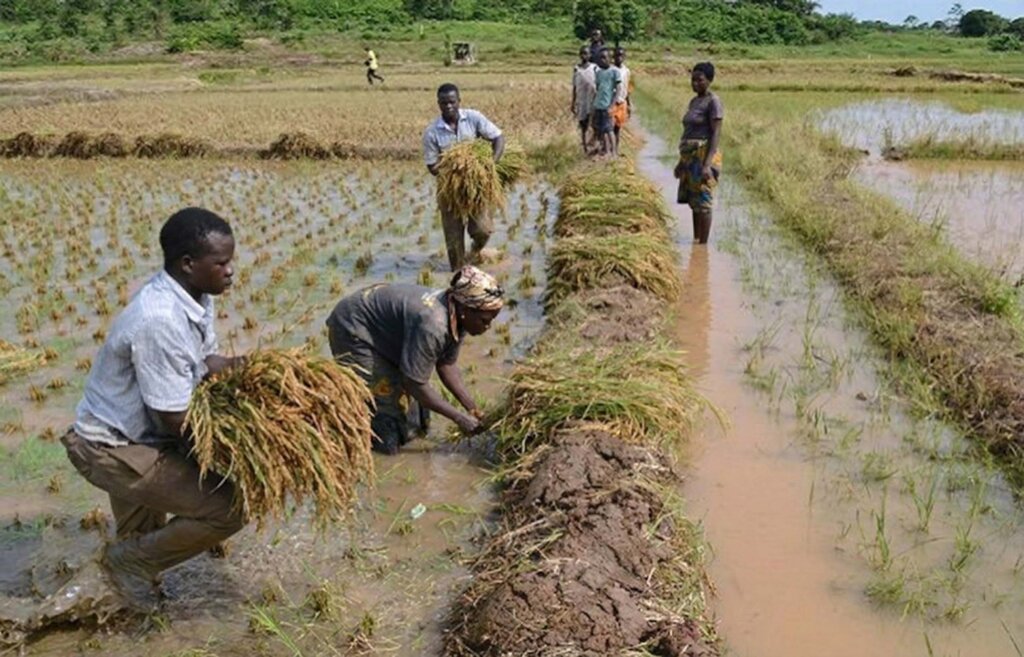
Kano's wetlands are essential for food security, clean water, and climate resilience, yet decades of degradation threaten farmers' livelihoods and local biodiversity. This project restores 100 hectares of wetlands, directly benefiting 500 smallholder farmers by improving soil fertility, water retention, and crop yields. Through sustainable agriculture and ecosystem restoration, we create lasting environmental and economic impact in Kano communities.
Degraded wetlands in Kano are undermining local agriculture and community well-being. Pollution, invasive species, and unsustainable farming have reduced soil fertility and crop yields, leaving 500 farmers vulnerable to food insecurity and income loss. Loss of native plants, fish, and bird species further disrupts the ecosystem, while poor water retention increases flooding and drought risk, threatening both livelihoods and local biodiversity.
We will rehabilitate 100 hectares of wetlands while training 500 farmers in sustainable agriculture. Activities include removing invasive plants, planting native species, improving water management, and introducing organic farming methods. Local stewardship groups will monitor the wetlands, ensuring sustainability. By combining ecological restoration with practical agricultural support, we restore both livelihoods and the environment.
Restoring Kano's wetlands will increase crop yields, secure farmer incomes, and improve water management, reducing flood and drought risks. Biodiversity will rebound, with native plants, fish, and birds thriving. Local communities will gain skills and ownership over wetland stewardship, ensuring sustainability. Ultimately, this project strengthens both environmental resilience and economic stability for 500 households for decades to come.



Support this important cause by creating a personalized fundraising page.
Start a Fundraiser